What the 90-serving Matcha B2B actually is
The 90-serving Matcha B2B is a bulk matcha blend from MUD\WTR. The product record describes it as 100% organic and made with spices and mushrooms. It also notes that the blend has just a fraction of the caffeine of coffee and naturally occurring L-theanine, which the record links to energy, focus and immune support without the jitters, crash or poor sleep.
That description tells you what you are storing: a blended powder, not pure ceremonial matcha. The record does not list individual ingredients, allergens, or a shelf life, so check the packaging label for those details before you buy or serve it to a team.
How to store a large matcha supply without losing freshness
Matcha is sensitive to air, light, heat and moisture. The product record does not include official storage instructions, so the steps below are general best practices for powdered matcha, not manufacturer directions. Always follow any storage guidance printed on the bag.
- Keep the bulk bag sealed between uses: Press out excess air and reseal the bag tightly after each serving. If the bag is not resealable, transfer the powder to an airtight container.
- Store away from light and heat: A cool, dark cupboard is better than a sunny countertop or a spot near the stove. Light and heat speed up flavor loss in powdered matcha.
- Keep moisture out: Use a dry scoop and never let water touch the stored powder. Steam from a kettle or a wet spoon can clump the blend and shorten its useful life.
- Consider splitting the 90 servings: If your team uses matcha slowly, divide the bulk bag into smaller airtight containers. That way you open only what you will use in a few weeks, and the rest stays sealed.
- Label the open date: Write the date you opened the bag on the container. Without a stated shelf life in the product record, your own open-date label is the simplest way to track freshness.
Serving matcha in bulk: practical moves for an office
The 90-serving format is built for repeated use, so the serving routine matters as much as the storage. These habits keep the powder clean and make the blend last.
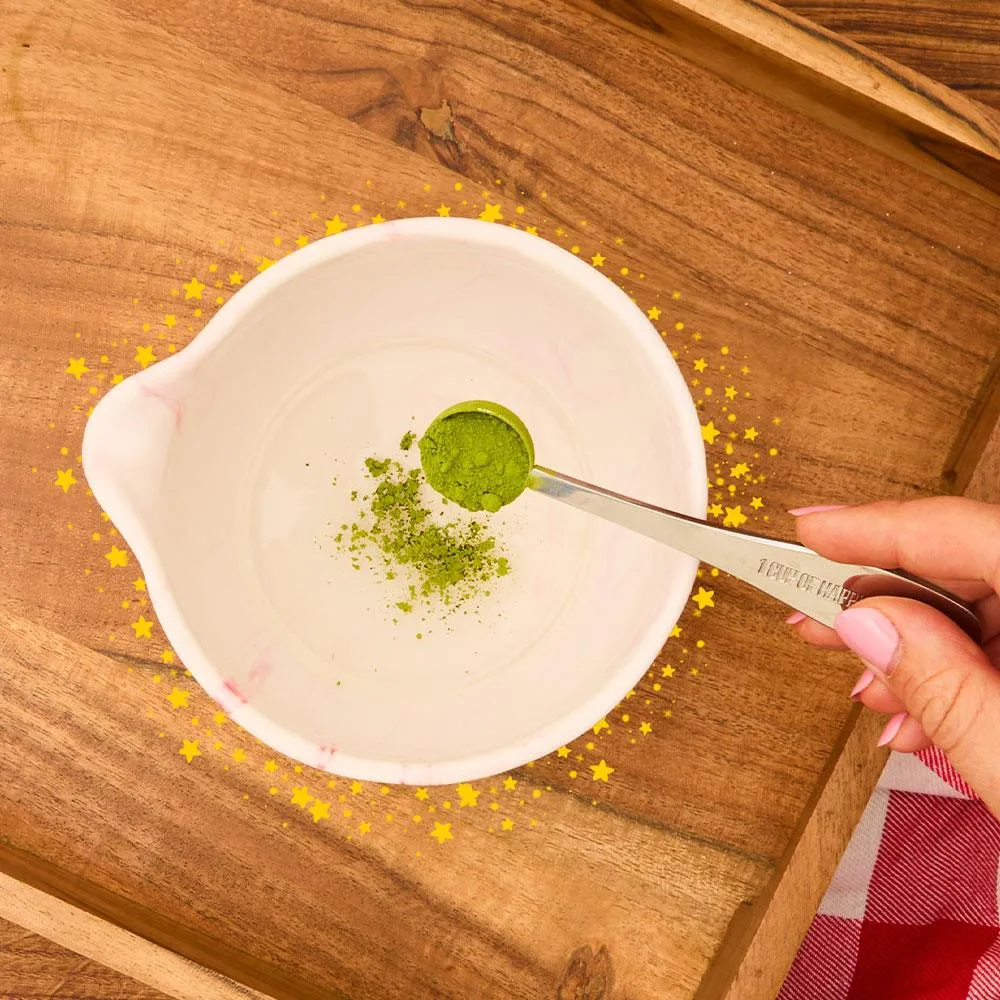
- Portion before you pour: Scoop the powder into a cup or shaker first, then add water. This keeps steam and moisture away from the bulk bag.
- Keep a dedicated dry scoop: A scoop that lives with the container avoids cross-contamination from wet spoons or other powders.
- Serve from a smaller container: Fill a small airtight jar from the bulk bag for daily use, and leave the main supply sealed. This limits how often the large bag is opened.
- Check the label for preparation: The product record does not include brewing instructions or a recommended serving size. Follow the directions on the packaging for how much powder to use and how to mix it.
Product facts that affect storage and serving
-
90 serving Matcha B2B: Our matcha blend is 100% organic, and made with spices and mushrooms. A blended powder with spices and mushrooms may behave differently from pure matcha, so store it as a dry blend and check the label for allergen details.
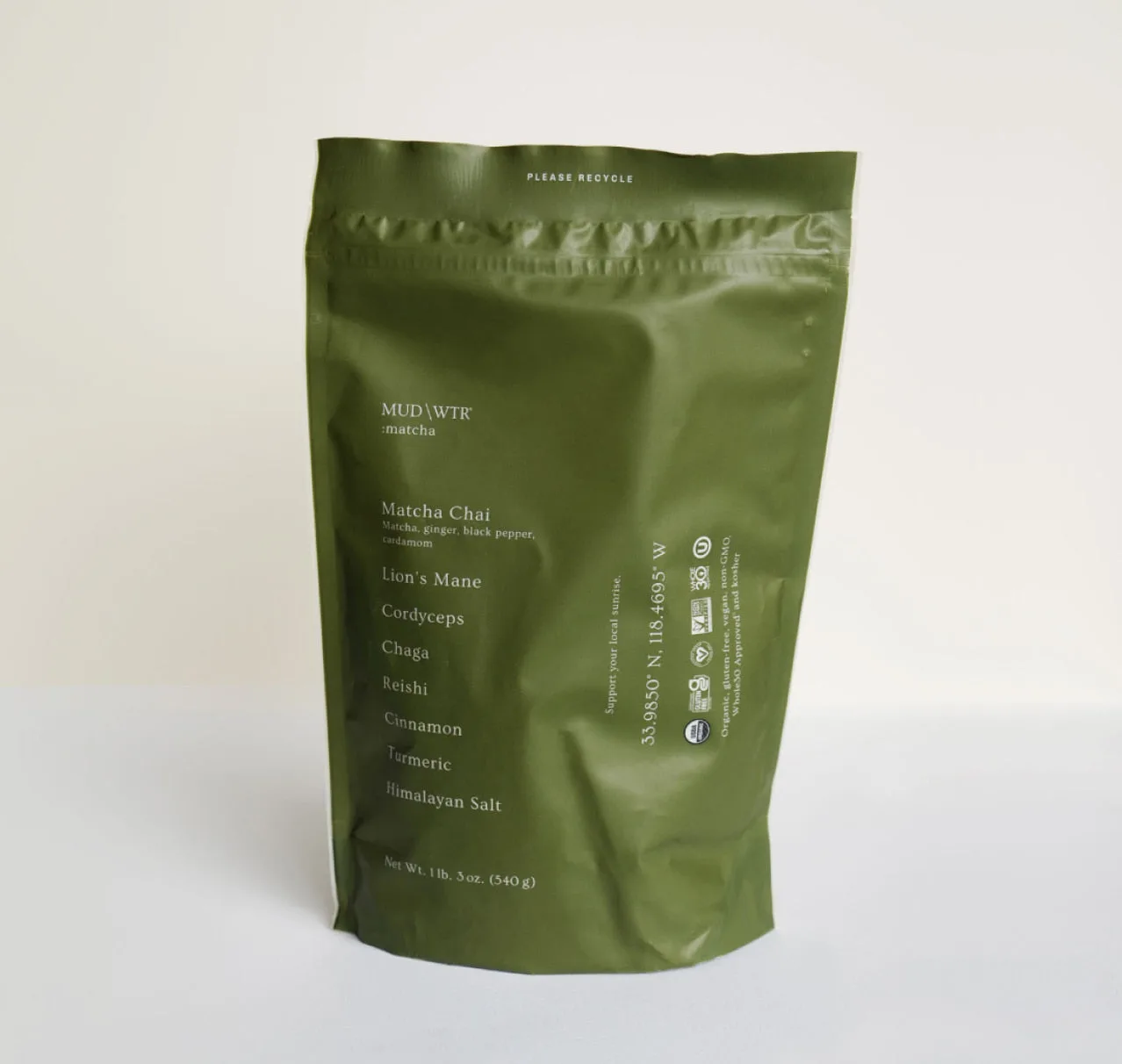
90 serving Matcha B2B
-
90 serving Matcha B2B: With just a fraction of the caffeine of coffee, as well as naturally occurring L-theanine, you get energy, focus and immune support, without the jitters, crash or poor sleep. This is the product's stated positioning, useful when you are deciding whether a bulk matcha blend fits an office coffee alternative.
What the product record does not tell you
The supplied information for the 90-serving Matcha B2B does not include a shelf life, allergen statement, full ingredient list, or preparation instructions. It also does not confirm whether the blend is free from any particular allergen or dietary ingredient. Treat those as open questions to resolve from the packaging or the store's product page before you commit to a bulk order for a team.
That is not a mark against the product; it simply means the record you have here is incomplete. For an office, the safe approach is to keep the original packaging, follow its storage and preparation directions, and ask about allergens if you are serving to a group with dietary restrictions.