Why This ABC Sports Book Works for Early Readers
A is for Athlete takes a familiar format—the alphabet book—and gives it an athletic twist. Written by Bill Martin Jr and Michael Sampson, the book pairs each letter with a sport, from "A" for Athlete to "Z" for Zamboni. The idea is simple: while children practice their ABCs, they also pick up facts about the rules or history of each sport. This dual focus makes it a practical choice for families who want to support early literacy while introducing a range of athletic activities.
How to Read It with a Young Athlete
Because each letter comes with its own sport fact, you can treat the book as a series of short, self-contained lessons. Read one or two letters per sitting, especially if your child is still building attention span. Point to the letter, say the sport name, and read the accompanying fact aloud. If your child shows interest in a particular sport—say, soccer or hockey—you can pause and talk about what they already know or would like to try. The book is designed to make children "more confident in their reading skills" while potentially sparking curiosity about new sports.
What the Hardcover Edition Includes
-
A is for Athlete: Team Bill Martin Jr and Michael Sampson step up to the plate in A is for Athlete to combine early literacy and world-renowned sports. This confirms the book is written by experienced children's authors, not a generic license, which adds credibility for parents looking for quality read-aloud material.
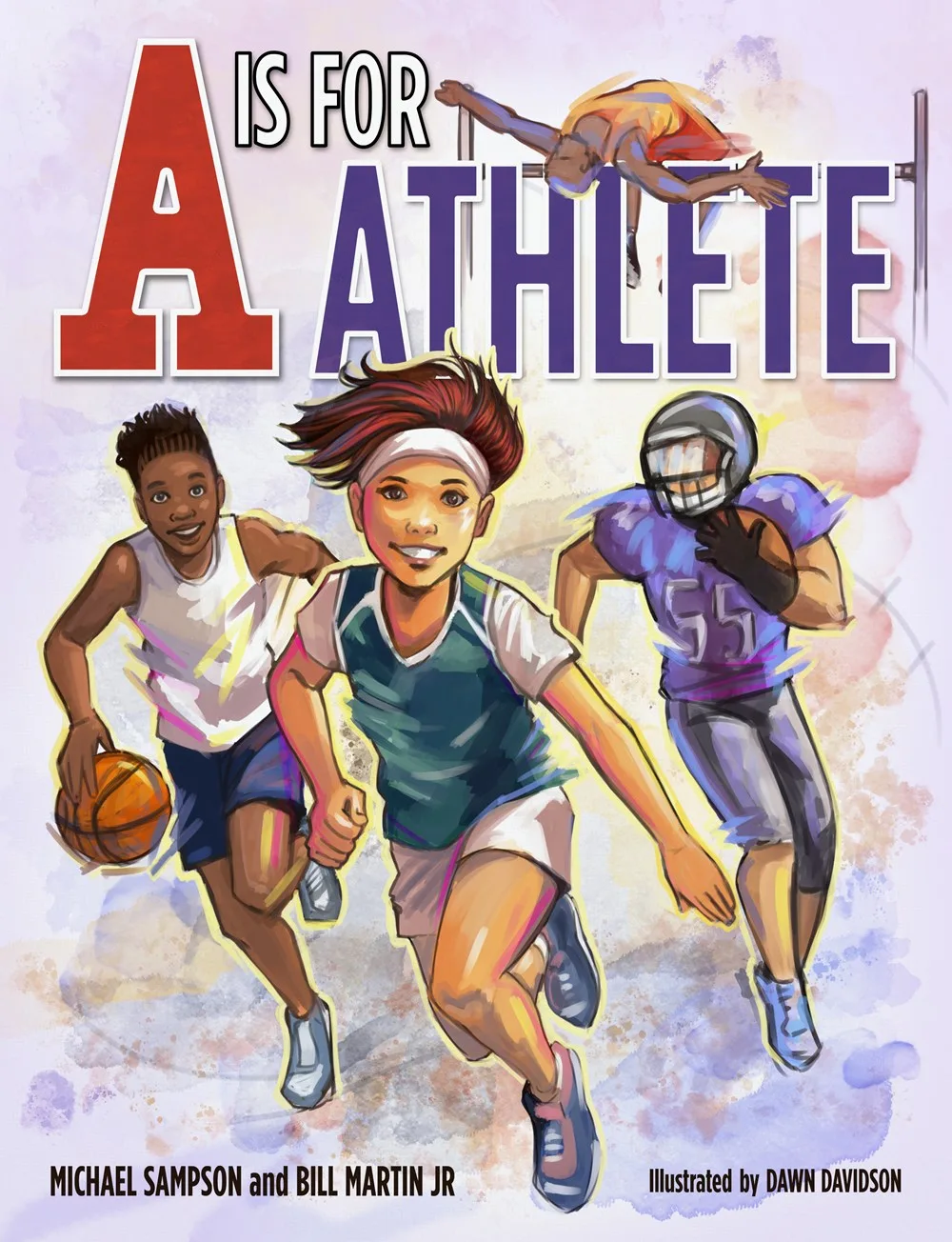
A is for Athlete
-
A is for Athlete: Each letter is accompanied with facts that introduce the rules or provide history for each sport. This explains how the book delivers educational value beyond just letter recognition—it also teaches real sports knowledge.
-
A is for Athlete: From "A" is for Athlete to "Z" is for Zamboni and all letters in between, kids will not only grow more confident in their reading skills but might find a new sport or two that they want to learn. This shows the intended outcome: improved reading confidence plus exposure to new sports, which aligns with the goal of combining literacy and physical activity.
Tips for Making the Most of the Sports Facts
The book includes facts that "introduce the rules or provide history for each sport." You can use these as conversation starters. For example, after reading about a sport, ask your child if they've ever seen it played or if they'd like to watch a short video clip. If you have access to a ball, racket, or other simple equipment, you can connect the letter to a hands-on activity. The goal is to keep the experience playful rather than instructional—let the child's curiosity guide how deep you go into each sport.
When This Book Fits Best
- Preschool and kindergarten readers: Children who are learning letter recognition and beginning to sound out words will benefit from the clear letter-sport pairing.
- Families with active kids: If your child already shows interest in sports, this book can expand their vocabulary and knowledge beyond the few sports they already know.
- Read-aloud sessions with multiple ages: Older siblings can read the facts aloud to younger ones, making it a shared activity that reinforces reading skills for both.
What the Catalog Does Not Tell You
The supplied information does not specify the exact age range, page count, or whether the book includes illustrations of athletes in action. It also does not confirm if every sport is globally represented or if some sports repeat across letters. For these details, you may want to preview a copy or check the publisher's description. However, the core value—combining alphabet learning with sports facts—is clearly supported by the available evidence.