Quick answer
If you're looking for a practical, self-guided approach to finding work that feels meaningful, the book A Job To Love offers a structured way to understand your own motivations and match them to real career options.
Why a book can help more than a career test
Online quizzes often give you a list of job titles without explaining why they fit. A Job To Love takes the opposite route: it asks you to reflect on your own experiences, values, and talents, so the career ideas you generate are grounded in who you actually are. The trade-off is that it requires time and honest self-reflection—there is no instant result.
What this book does not do
This book is not a directory of careers or a salary comparison guide. It won't tell you which industries are hiring or what qualifications you need. Its value lies in helping you clarify what you want from work, not in providing external market data. If you already know what you want and just need job listings, this book is not the right tool.
Decision rules for choosing a career you'll love
- Start with your past enjoyment: Think of moments in your life—work, hobbies, or volunteering—when you felt engaged and time flew. Write down what you were doing, who you were with, and what skills you used. These clues point to the kind of tasks and environments that suit you.
- Separate interest from identity: You may love art but hate the instability of freelance life. The book helps you distinguish between what you enjoy as a hobby and what you want your daily work to look like. Be honest about which aspects of an interest you'd actually want to do for pay.
- Test your assumptions cheaply: Before committing to a new career path, try a small, low-risk experiment—volunteer for a day, take an introductory course, or talk to someone in the field. The book encourages this step because real-world experience reveals things that imagination cannot. If your experiment feels draining rather than energizing, that is useful data, not failure.
About the book
-
A Job To Love: The book explains that the idea of work being fulfilling rather than just necessary is a recent invention. This perspective helps you stop blaming yourself if you haven't found a dream job yet—the expectation itself is historically new.
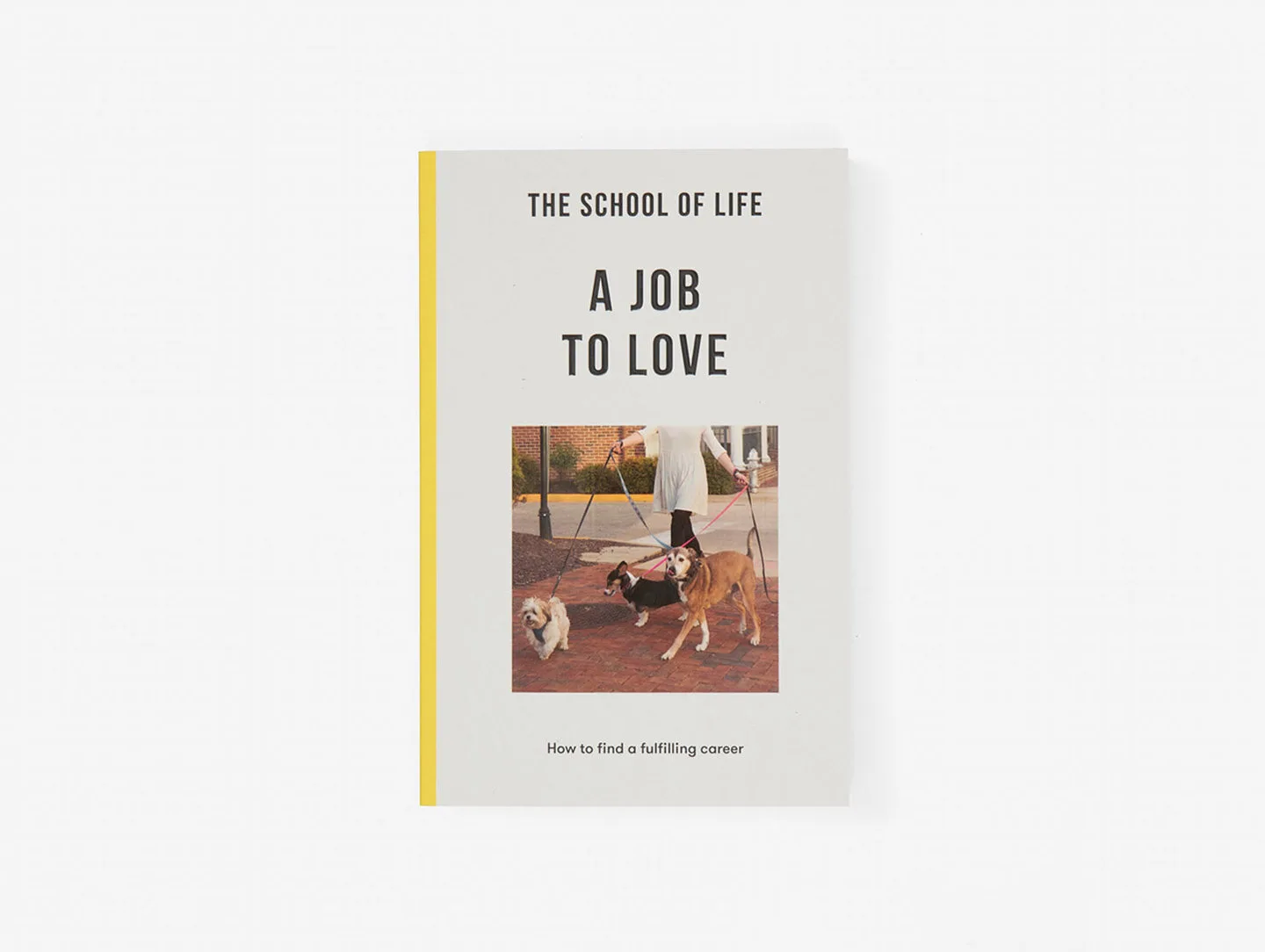
A Job To Love
Who should get this book
Best for
- People feeling stuck or unfulfilled in their current job and unsure what else to try
- Anyone who prefers a thoughtful, reflective process over quick career quizzes
Not for
- Someone who already has a clear career goal and just needs practical job-search tactics
- Readers looking for a data-heavy guide with salary stats and industry growth projections