Quick Answer
For most sewing patterns, black & white A0 printing is the budget-friendly choice at $4.54 per page. Choose color at $5.09 per page only when pattern lines overlap or you need to distinguish sizes or features at a glance.
Why the Print Option Matters
The main difference between black & white and color A0 pattern printing is not just the price—it's how clearly you can read the pattern. Black & white printing is perfectly adequate for most PDF sewing patterns, especially those designed with clean, non-overlapping lines. Color printing becomes valuable when a pattern uses multiple line styles, color-coded sizes, or shaded areas that are hard to differentiate in grayscale.
Both options print on the same standard A0 size (33.1" × 46.8"), so the physical format is identical. The choice comes down to your pattern's complexity and how much you value visual clarity versus saving a bit on each page.
Cost Difference: What You Pay Per Page
At Les Tissées, black & white A0 printing is priced at $4.54 per standard page, while color printing costs $5.09 per page. That's a difference of $0.55 per page—not huge for a single page, but it adds up if you're printing a multi-page pattern. For a pattern that requires 10 pages, for example, choosing black & white saves $5.50, which could cover the cost of another small pattern or notions.
Note that pricing is per standard A0 page, not per pattern. If a pattern spans multiple pages, you'll pay for each page regardless of the color option. This is important when budgeting for large format printing.
When Black & White Is the Smart Choice
Black & white printing is ideal for patterns with clear, distinct lines that don't rely on color to be readable. Many indie pattern designers format their PDFs to work well in grayscale, using different line weights or dashed patterns instead of color. If you're comfortable tracing or cutting along single-color lines, you'll save money without sacrificing accuracy.
It's also the more economical option for test prints or muslins, where you might not need the final pattern to be pretty—just functional.
When Color Is Worth the Extra Cost
Color printing shines when a pattern uses multiple sizes on the same page, each in a different color. Trying to follow a gray-scale version of such a pattern can lead to cutting errors. Similarly, if the pattern includes shading, gradient fills, or color-coded instructions printed on the same sheet, color helps you quickly identify the correct lines.
For complex patterns with many overlapping pieces, the extra $0.55 per page can save you time and frustration—and potentially fabric waste from miscutting.
How to Choose Between Black & White and Color
- Check your pattern's format: Open the PDF and look at how sizes are distinguished. If each size uses a different color, choose color printing. If all lines are black or gray, black & white is sufficient.
- Count your pages: Multiply the number of A0 pages by the per-page price to compare total costs. For multi-page patterns, the $0.55 per page difference becomes significant. For a 10-page pattern, black & white saves $5.50 compared to color.
- Consider your use case: For a one-time sew or a test muslin, black & white is usually the better value. For a pattern you'll use repeatedly or one with complex markings, color is worth the extra cost. If you're unsure, print a single page in black & white first to test readability.
Printing Options at Les Tissées
-
A0 Pattern Printing | Large Format Printing | Black & White | PRICE PER PAGE | **READ DESCRIPTION**: Black & white A0 pattern printing is priced per standard A0 page at $4.54, with a catalog comparison price of $6.49. This is the budget option for sewists who need a clean, readable pattern without the extra cost of color.
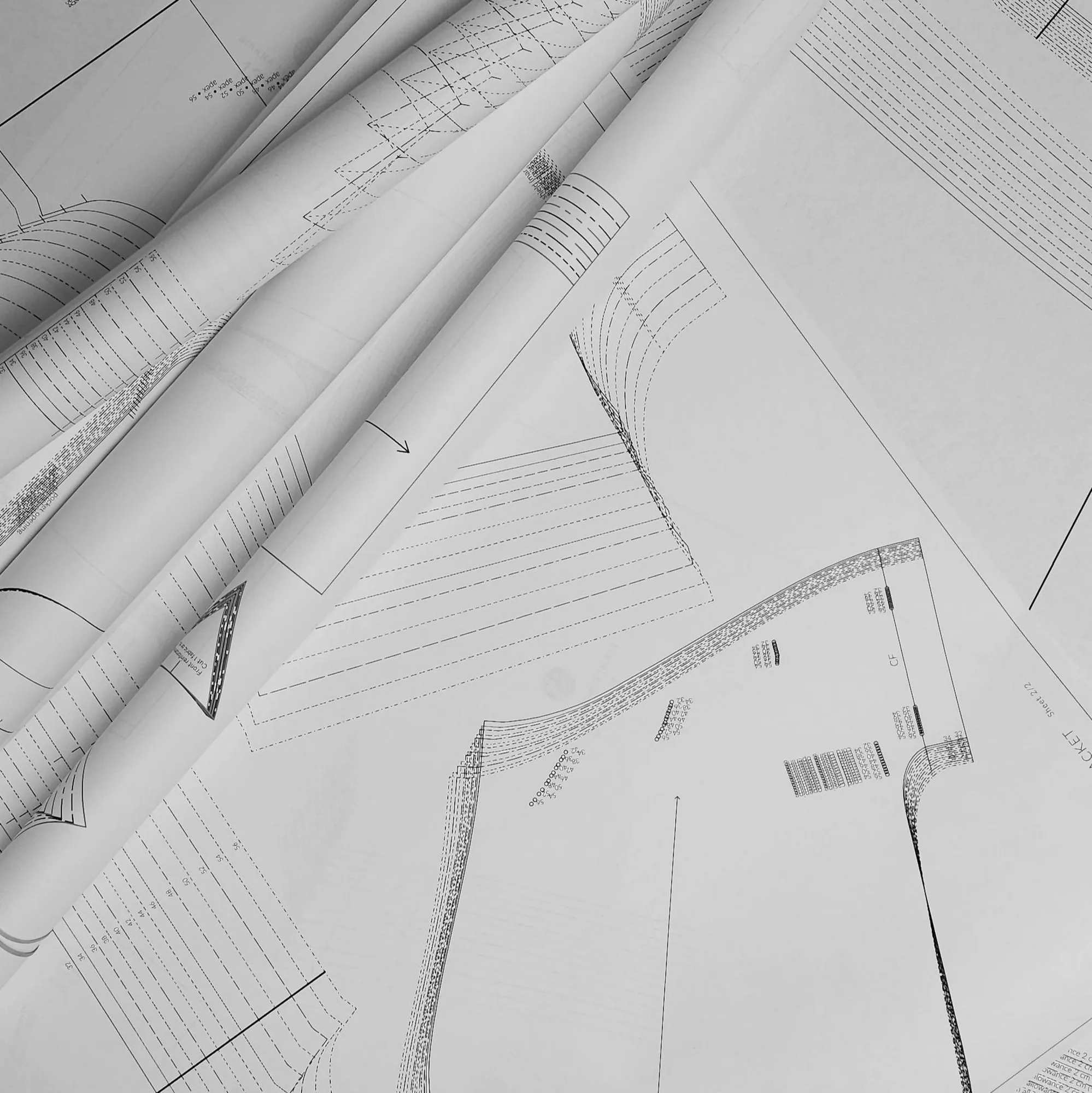
A0 Pattern Printing | Large Format Printing | Black & White | PRICE PER PAGE | **READ DESCRIPTION**
-
A0 Pattern Printing | Color | PRICE PER PAGE |**READ DESCRIPTION**: Color A0 pattern printing is priced per standard A0 page at $5.09, with a catalog comparison price of $8.49. The higher price buys color clarity, which is essential for patterns with color-coded lines or overlapping sizes.
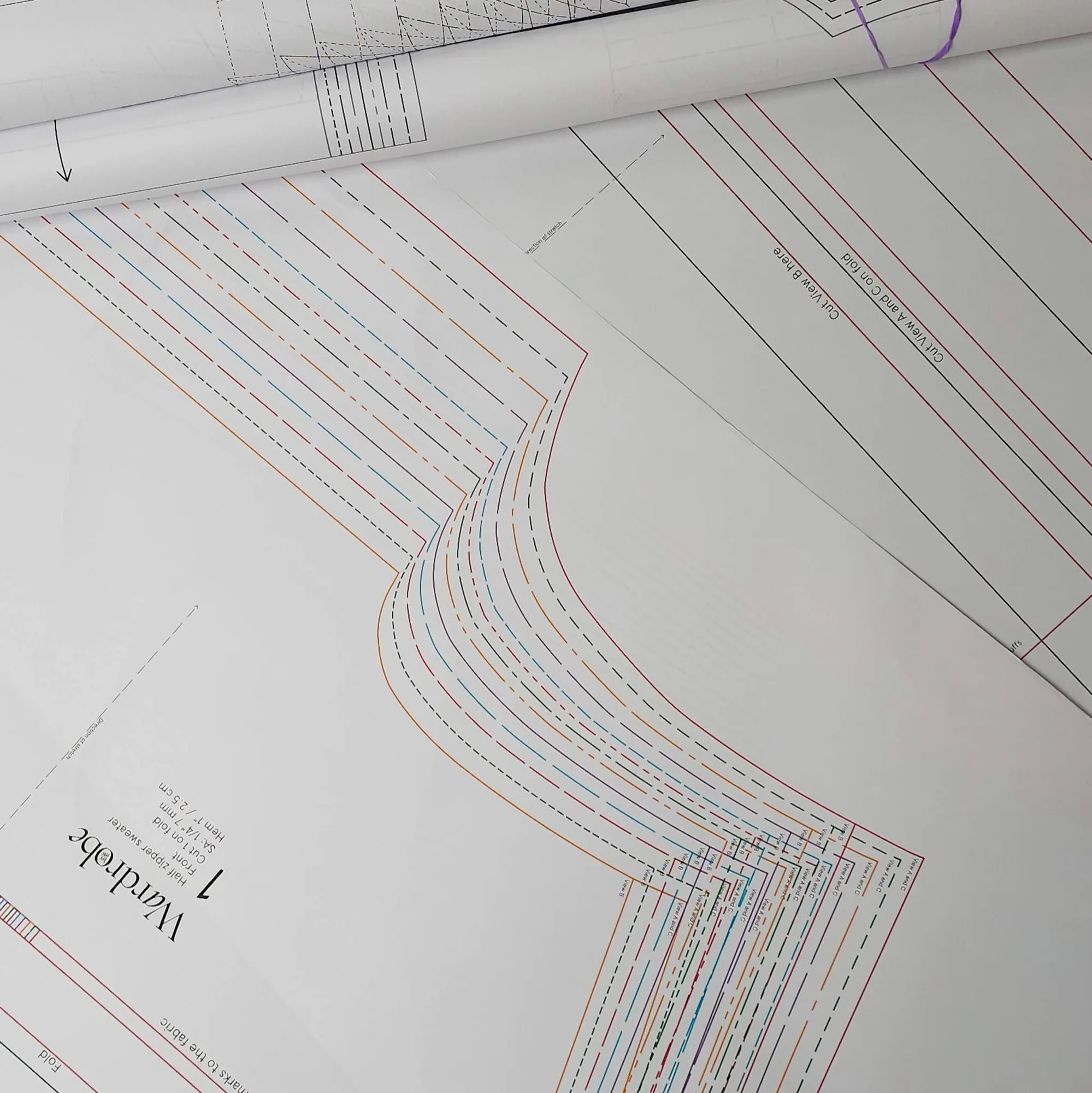
A0 Pattern Printing | Color | PRICE PER PAGE |**READ DESCRIPTION**
Which Option Fits Your Project?
Best for
- Black & white: sewists on a budget or printing simple, single-color patterns
- Color: sewists working with multi-size or color-coded patterns
Not for
- Black & white: not ideal for patterns with overlapping color-coded lines
- Color: overkill for simple patterns that are perfectly readable in grayscale