Two Unusual Animals, One Decision
If you are building a collection of unique wildlife figures, the Aardvark and Brazilian Tapir offer two very different looks and stories. Both are affordable, hand-painted figurines from Mojo Fun USA, but they represent animals that behave and look nothing alike. This comparison helps you see which one fits your display, play, or learning goals.
What the Catalog Tells Us
The Aardvark figure is listed at USD 3.60 (compared to USD 5.45) and comes from a species that can reach 6 feet (1.8 meters) in real life. It has huge donkeylike ears, a long snout, and drooping eyelids with long lashes. The figure captures a nocturnal animal that sleeps in burrows during the day and digs for termites at night.
The Brazilian Tapir figure is priced at USD 3.98 (compared to USD 5.45). Tapirs are solitary animals except during mating season and when a mother nurses her baby. They are very shy, so there has been little human interaction with wild tapirs. This figure represents a quiet, forest-dwelling mammal.
Aardvark vs Brazilian Tapir: Key Differences
Both figures are small, affordable, and suitable for children aged 3 and up (based on typical Mojo Fun standards). The main differences are in the animal's real-life behavior and the figure's sculpted details.
- Price: The Aardvark costs USD 3.60, while the Brazilian Tapir is USD 3.98. Both are under four dollars.
- Real-life size: An aardvark can grow up to 6 feet (1.8 meters) long. Tapirs are also large but no specific size is given for the Brazilian species in the catalog.
- Behavior: Aardvarks are nocturnal, solitary diggers that eat termites. Tapirs are also solitary but active during the day or night, and they are very shy.
- Figure details: The Aardvark figure likely emphasizes its long snout, donkeylike ears, and claws. The Tapir figure probably shows a stocky body and a short trunk.
Evidence from the Catalog
-
Aardvark: The aardvark can reach a length of 6 feet (1.8 meters). Its head has huge donkeylike ears, a long snout, and drooping eyelids with long lashes. This means the Aardvark figure likely has very distinctive, oversized ears and a long snout, making it a standout piece in any collection.
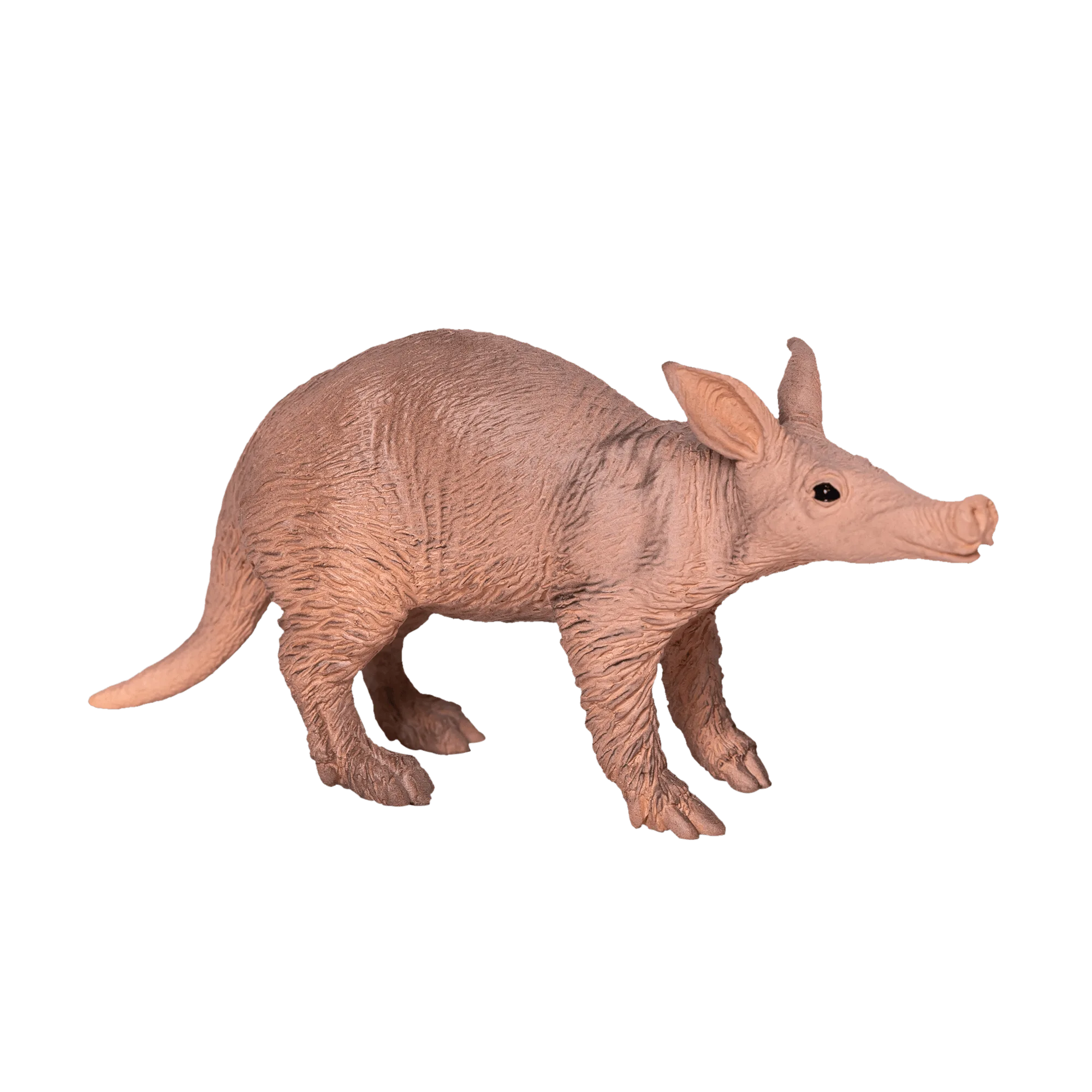
Aardvark
-
Brazilian Tapir: Tapirs are solitary animals with the exception of the mating season and the mother tapir nursing the baby tapir. Due to the fact that tapirs are very shy animals there has been little interaction between humans and wild tapirs. The Tapir figure represents a reclusive animal, which can be a good conversation starter about wildlife conservation and animal behavior.
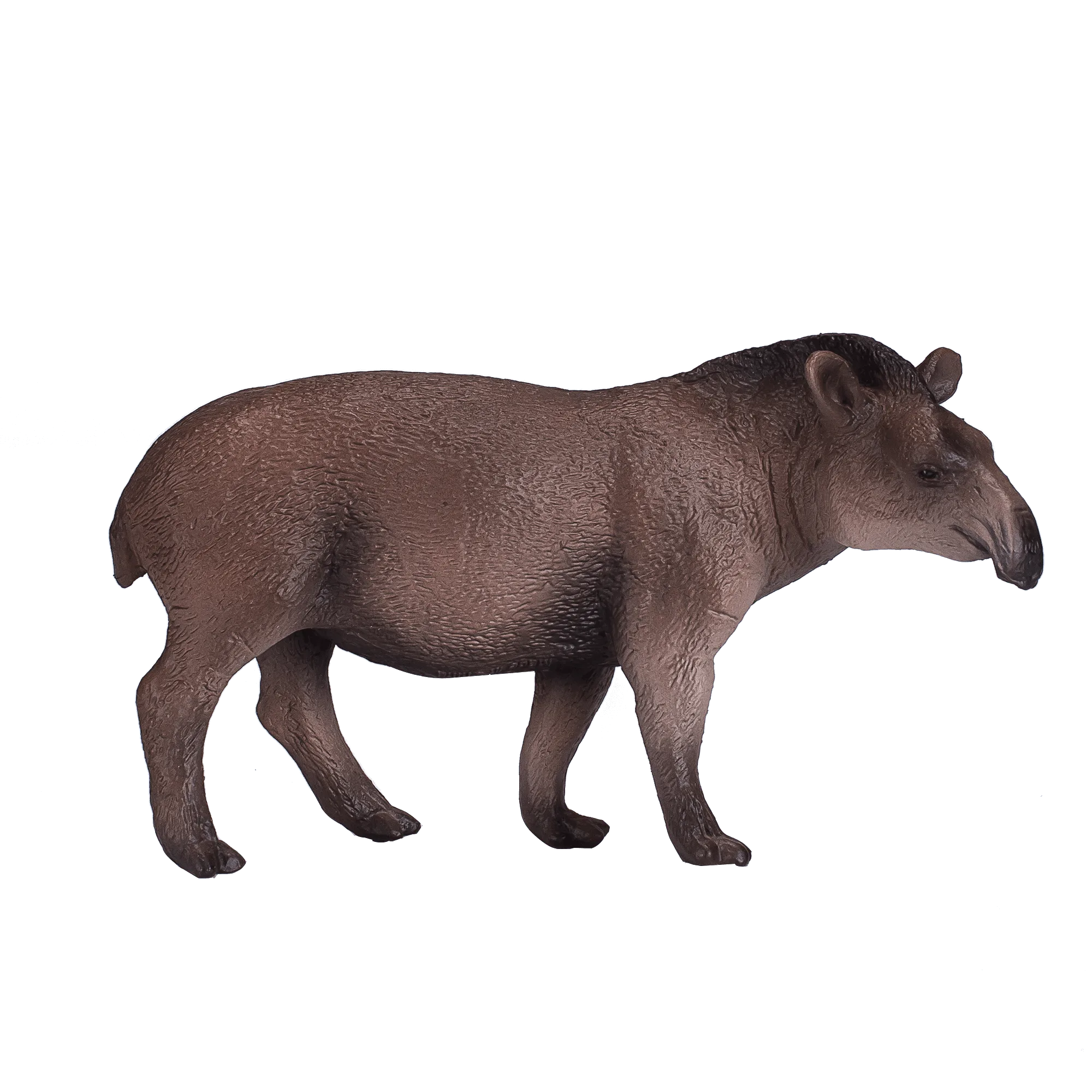
Brazilian Tapir
Which Figure Should You Pick?
Choose the Aardvark if you want a figure with dramatic, recognizable features: huge ears, a long snout, and a digging pose that suggests activity. It is a great choice for a nocturnal animal collection or for a child interested in unusual African wildlife.
Choose the Brazilian Tapir if you prefer a more understated, forest-dwelling animal. Its solitary, shy nature makes it a calm addition to a South American animal set or a mixed woodland display. Both figures are similarly priced, so the decision comes down to which animal story appeals to you more.