In any training environment, clear identification is crucial. Whether you're running a defensive tactics course, a firearms qualification, or a scenario-based exercise, knowing who is who and what role each person plays can make the difference between smooth operations and confusion. That's where ABC ID cards come in. These simple yet effective tools help trainers and participants alike maintain order, safety, and professionalism.
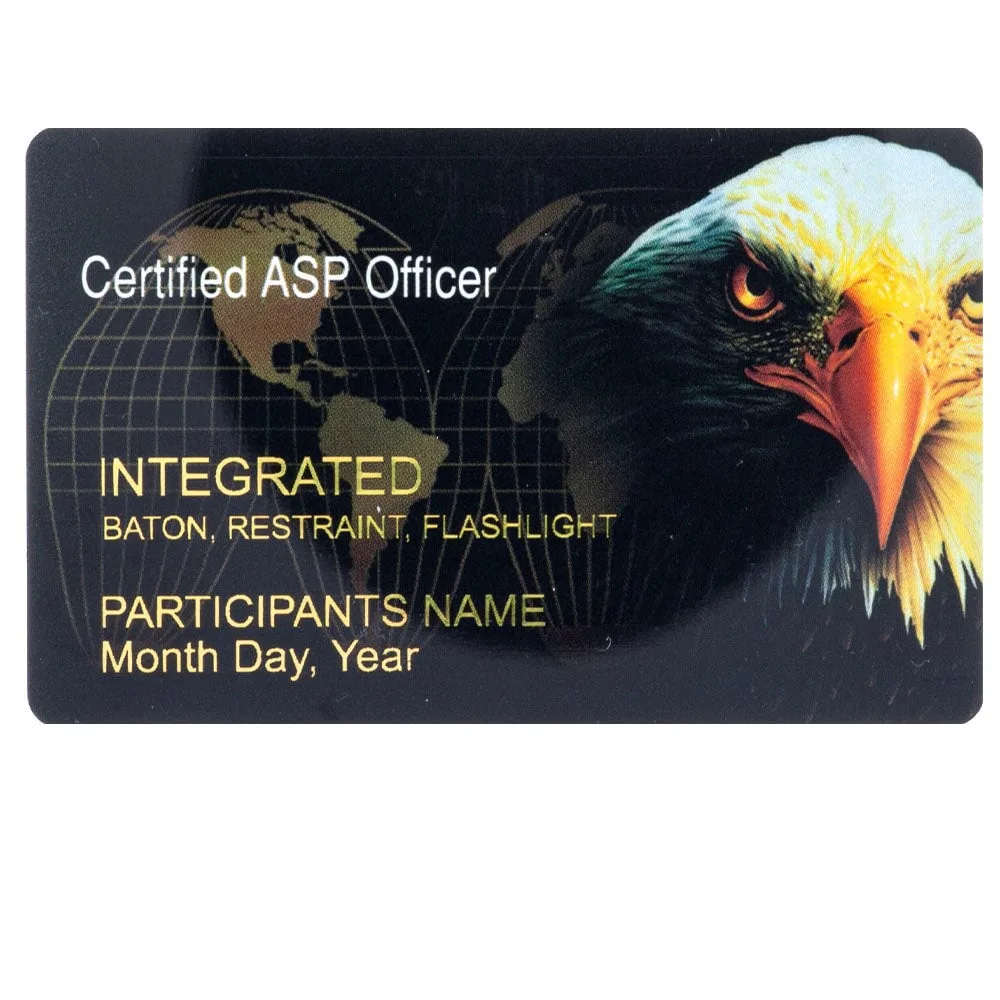
ABC ID cards
But what exactly are ABC ID cards? And how can you use them effectively in your training? In this guide, we'll break down the basics of ABC ID cards, explore their benefits, and provide practical tips for integrating them into your courses. By the end, you'll have a clear understanding of how these cards can enhance your training sessions.
What Are ABC ID Cards?
ABC ID cards are identification cards used in training and educational settings to label participants, instructors, or equipment. The 'ABC' typically stands for a systematic approach to categorization—often representing levels, roles, or zones. For example, in a tactical training scenario, 'A' might designate team leaders, 'B' for support personnel, and 'C' for trainees or observers. This simple coding system allows for instant recognition and communication.
These cards are usually made of durable materials like plastic or laminated paper, designed to withstand the rigors of active training. They can be worn on lanyards, clipped to belts, or attached to gear. In many ways, they function similarly to standard ID badges but are tailored specifically for the dynamic needs of training environments.
- Color-coded or letter-based systems for quick identification
- Durable materials that resist wear and tear
- Versatile attachment options: lanyards, clips, or belt loops
Why Use ABC ID Cards in Training?
The primary benefit of ABC ID cards is clarity. In any group activity, especially those involving complex scenarios, it's easy to lose track of roles and responsibilities. ABC ID cards eliminate guesswork by providing a visual cue that everyone can recognize at a glance. This is particularly important in high-stress situations where split-second decisions are made.
Additionally, ABC ID cards enhance safety. In training exercises that simulate real-world threats, instructors need to differentiate between role players and actual participants. Using a clear identification system reduces the risk of confusion and helps maintain control. Furthermore, these cards can be used to mark equipment, ensuring that each trainee uses the correct gear and that nothing gets misplaced.
- Improves communication and coordination among participants
- Enhances safety by clearly marking roles and zones
- Streamlines equipment management and accountability
How to Use ABC ID Cards Effectively
To get the most out of ABC ID cards, start by defining your coding system. Decide what each letter or color represents and communicate this clearly to all participants before the training begins. For instance, in a defensive tactics class, you might use 'A' for instructors, 'B' for students, and 'C' for role players. Make sure the system is simple and intuitive.
Next, consider the attachment method. For hands-on training, cards that clip to a belt or pocket are often more practical than lanyards, which can pose a strangulation risk in close-contact scenarios. If you're using them for equipment identification, adhesive-backed cards or tags might be more suitable. Always ensure that the cards are visible but not obstructive.
Finally, integrate the cards into your training routine. Use them during roll call, scenario briefings, and debriefings. Encourage participants to check their cards before each evolution. Over time, this will become second nature, and the cards will seamlessly support your training objectives.
- Define your coding system and communicate it clearly
- Choose attachment methods that suit your training environment
- Incorporate card checks into regular training routines
Integrating ABC ID Cards with Your Gear
ABC ID cards work best when they're integrated with your existing training gear. For example, if you carry a duty belt, you can attach your ID card holder directly to it, ensuring it's always within reach. Many trainers use accessory pouches or belt keepers to secure their cards, keeping them accessible without interfering with other equipment.
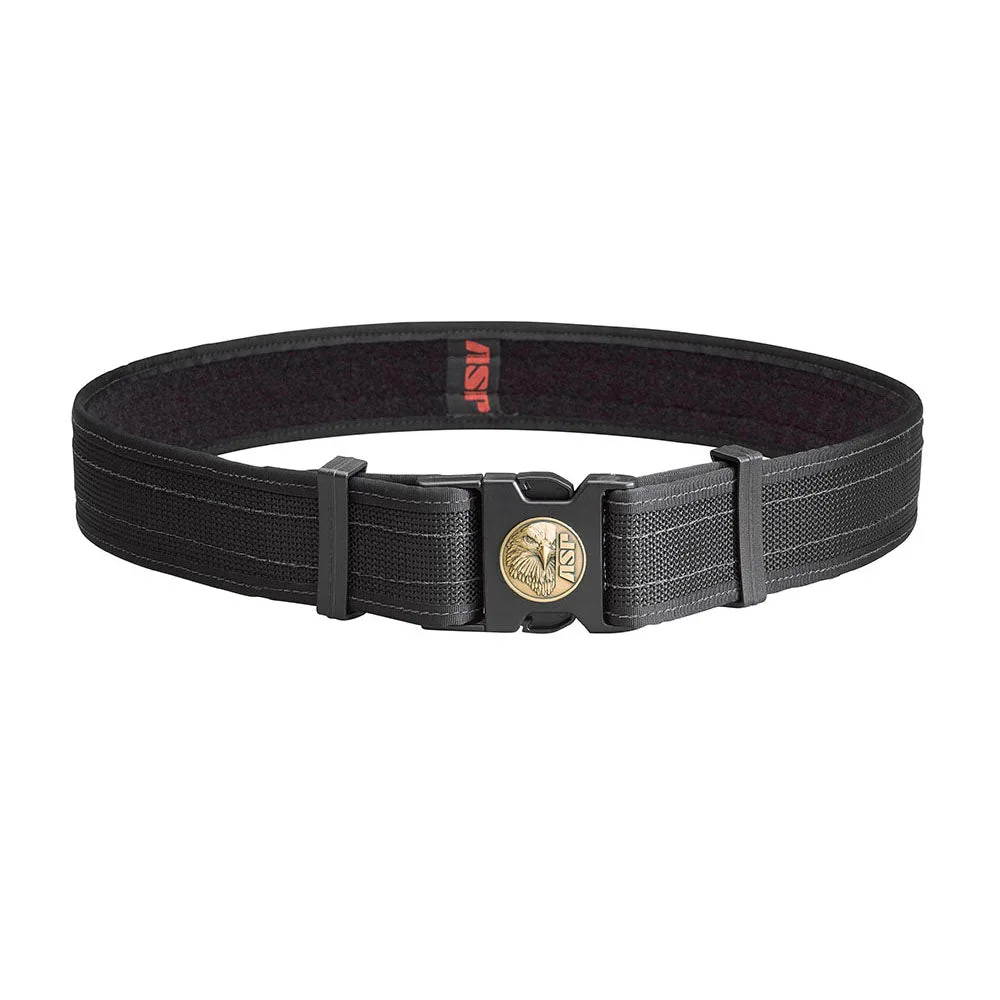
When selecting gear to complement your ID cards, consider items that offer durability and convenience. For instance, the ASP Eagle Instructor Equipment Belt provides a sturdy platform for attaching ID holders and other accessories. Similarly, the Centurion Accessory Bag can store spare cards, markers, and other training essentials, keeping everything organized and portable.
- Attach ID card holders to duty belts or vests for easy access
- Use accessory bags to store extra cards and supplies
- Choose durable gear that withstands rigorous training
Common Mistakes to Avoid
One common mistake is making the coding system too complex. If participants have to think about what each letter means, the cards lose their value. Keep it simple: one letter, one color, one meaning. Another mistake is using flimsy cards that tear or fade quickly. Invest in quality materials that will last through multiple sessions.
Also, avoid neglecting to update the cards as roles change. In longer courses, participants might switch roles. Make sure you have a system for reissuing or modifying cards as needed. Finally, don't forget to collect the cards at the end of the training. This prevents them from being lost or misused, and allows you to reuse them for future sessions.
- Keep the coding system simple and clear
- Use durable cards that withstand heavy use
- Plan for role changes and collect cards after training
Where to Find Quality ID Cards and Accessories
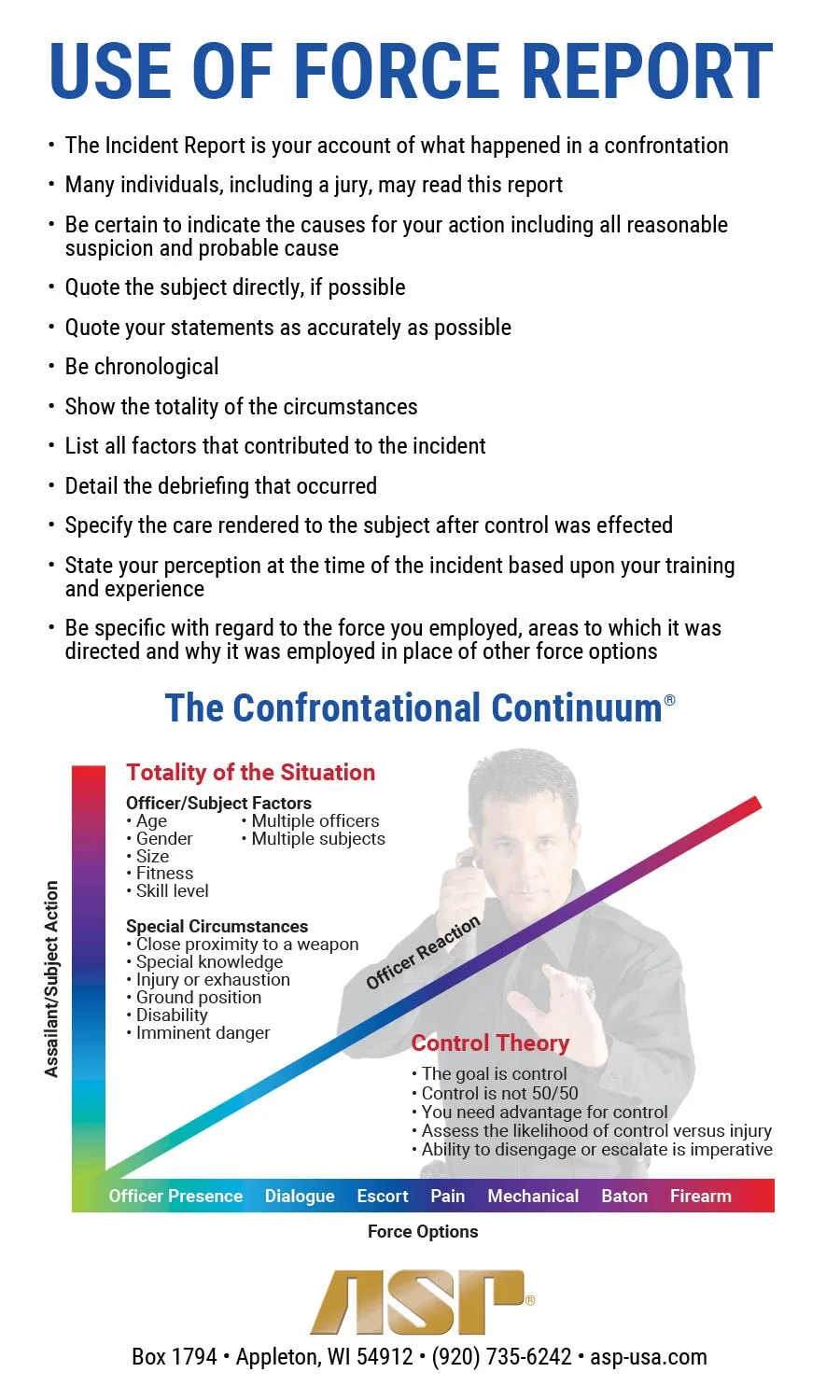
While ABC ID cards themselves are often custom-made by training organizations, you can find a variety of accessories to support their use. For example, the Use of Force Report Card is a specialized tool that can be used alongside your ID system to document training scenarios. It provides a structured format for recording incidents, which is invaluable for debriefings and legal documentation.
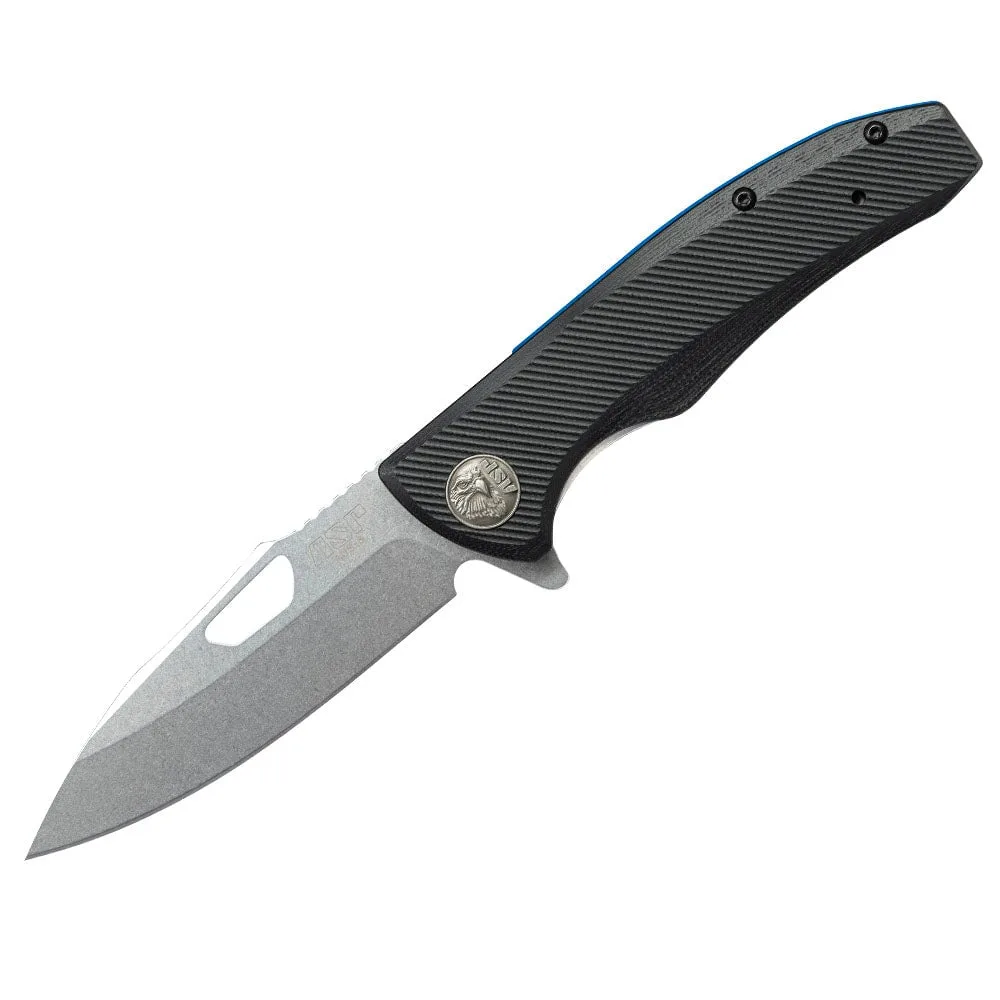
Additionally, consider investing in quality training gear that enhances your overall setup. The Police Duty Knife (PDK) Classic Folder is a reliable tool that can be part of your everyday carry, and its durable construction ensures it will hold up in demanding environments. By pairing your ID cards with dependable gear, you create a cohesive and professional training kit.
- Use specialized cards like the Use of Force Report Card for documentation
- Pair your ID system with durable tools and accessories
- Build a complete training kit that meets your specific needs
ABC ID cards are a simple yet powerful tool for improving organization, safety, and efficiency in any training environment. By implementing a clear coding system and integrating the cards with your existing gear, you can elevate your training sessions to a new level of professionalism. Whether you're a seasoned instructor or just starting out, ABC ID cards are a worthwhile addition to your toolkit.