Quick Answer
If you accidentally spray yourself with pepper spray, immediately move to fresh air, avoid rubbing your eyes or skin, and flush the affected areas with cool water for at least 15 minutes. For skin, wash with a mild soap and water; for eyes, use a saline solution or plain water. Do not use lotions or oils, as they can trap the capsaicin and prolong discomfort.
We've all been there—a fumbled keychain, a gust of wind, or a slip of the thumb, and suddenly you're the one coughing and your eyes are burning. Accidental pepper spray exposure is more common than you'd think, even for experienced users. Knowing exactly what to do in that moment can turn a panic-inducing situation into a manageable one.
This guide walks you through the immediate steps for accidental pepper spray exposure, from flushing your eyes to cleaning your skin and clothes. We'll also cover what not to do, because some well-meaning remedies can actually make things worse. And if you're new to carrying pepper spray, we'll point out a few products that can help you avoid these mishaps in the first place.
Immediate Steps After Accidental Pepper Spray Exposure
The first thing to do is get to fresh air and stay calm. Panic increases your breathing rate, which can make you inhale more of the spray. If you're indoors, step outside or open windows. If you're wearing contact lenses, remove them as soon as possible—but only after washing your hands thoroughly to avoid transferring the spray to your eyes.
Next, flush the affected areas with cool, running water. For your eyes, hold them open and let water run over them for at least 15 minutes. A saline solution is even better if you have it. For your skin, rinse with cool water and then wash gently with a mild soap. Avoid using hot water, as it can open pores and increase absorption.
- Do not rub your eyes or skin—this spreads the capsaicin and increases irritation.
- Remove contaminated clothing carefully to avoid spreading the spray to other parts of your body.
- If you wear contacts, remove them after washing your hands and do not put them back in until they are thoroughly cleaned.
What Not to Do: Common Mistakes That Worsen Symptoms
There are several common myths about treating pepper spray exposure that can actually make things worse. The most important is to avoid using lotions, oils, or petroleum jelly on your skin. These can trap the capsaicin and prolong the burning sensation. Similarly, do not use milk or other dairy products on your skin or in your eyes—while some people swear by it, there's no scientific evidence that it helps, and it can introduce bacteria into your eyes.
Another mistake is using a wet cloth or towel to wipe your face. This can spread the spray to other areas. Instead, use a clean, dry cloth to gently pat the area if you need to, but avoid wiping. Also, do not use ice packs directly on the skin, as the extreme cold can cause additional damage to already irritated skin.
- Skip the oils, lotions, and petroleum jelly—they trap the capsaicin.
- Don't use milk in your eyes—it's not sterile and won't help.
- Avoid wiping with a wet cloth—pat dry instead.
How to Clean Up a Pepper Spray Accident at Home
After you've treated yourself, you'll need to clean up the area where the spray was accidentally discharged. Pepper spray residue can linger on surfaces and cause future accidental exposure, especially if you have pets or children. Start by ventilating the room. Then, use a mixture of dish soap and cool water to wipe down hard surfaces like countertops, doorknobs, and floors. The soap helps break down the oils in the spray.
For clothing and fabrics, wash them separately in cold water with a heavy-duty detergent. You may need to wash them twice to fully remove the residue. Avoid using bleach, as it can react with the capsaicin. If the spray got on upholstery or carpets, blot the area with a clean cloth and a soapy water solution, then rinse with a cloth dampened with plain water. Be careful not to oversaturate the fabric.
- Use dish soap and cool water for hard surfaces—it breaks down the pepper spray oils.
- Wash contaminated clothing separately in cold water, and consider a second wash.
- For carpets and upholstery, blot—don't rub—to avoid spreading the spray.
When to Seek Medical Help
While most accidental pepper spray exposure is uncomfortable but not dangerous, there are times when you should seek medical attention. If you experience difficulty breathing, severe coughing that doesn't subside, or symptoms that last longer than 45 minutes, it's time to see a doctor. This is especially important for people with asthma, respiratory conditions, or allergies.
Also, if you get pepper spray in your eyes and experience severe pain, vision changes, or if the spray was at close range and caused a corneal abrasion, seek immediate medical care. It's always better to be safe and get checked out than to risk complications.
- Seek medical help if you have trouble breathing or symptoms last more than 45 minutes.
- If you have asthma or a respiratory condition, be extra cautious.
- Severe eye pain or vision changes warrant immediate medical attention.
Diagnosis: What to Do and When to Stop
- Symptom: Burning sensation on skin, eyes, or in the throat; coughing; difficulty breathing. Recognize that this is likely accidental pepper spray exposure.
- Likely Cause: Accidental discharge from a pepper spray canister, often due to fumbling, a faulty holster, or a gust of wind blowing the spray back. Identify the cause to prevent future incidents.
- Corrective Action: Move to fresh air, flush affected areas with cool water for at least 15 minutes, wash skin with mild soap, and clean contaminated surfaces. Follow these steps immediately to reduce symptoms.
- Stop or Choose Another Option: If symptoms are severe, last longer than 45 minutes, or you have a respiratory condition, seek medical help. If you're prone to accidental sprays, consider a practice spray to train safely. Your safety is the priority—don't hesitate to get professional help.
Products That Help You Avoid Accidental Exposure
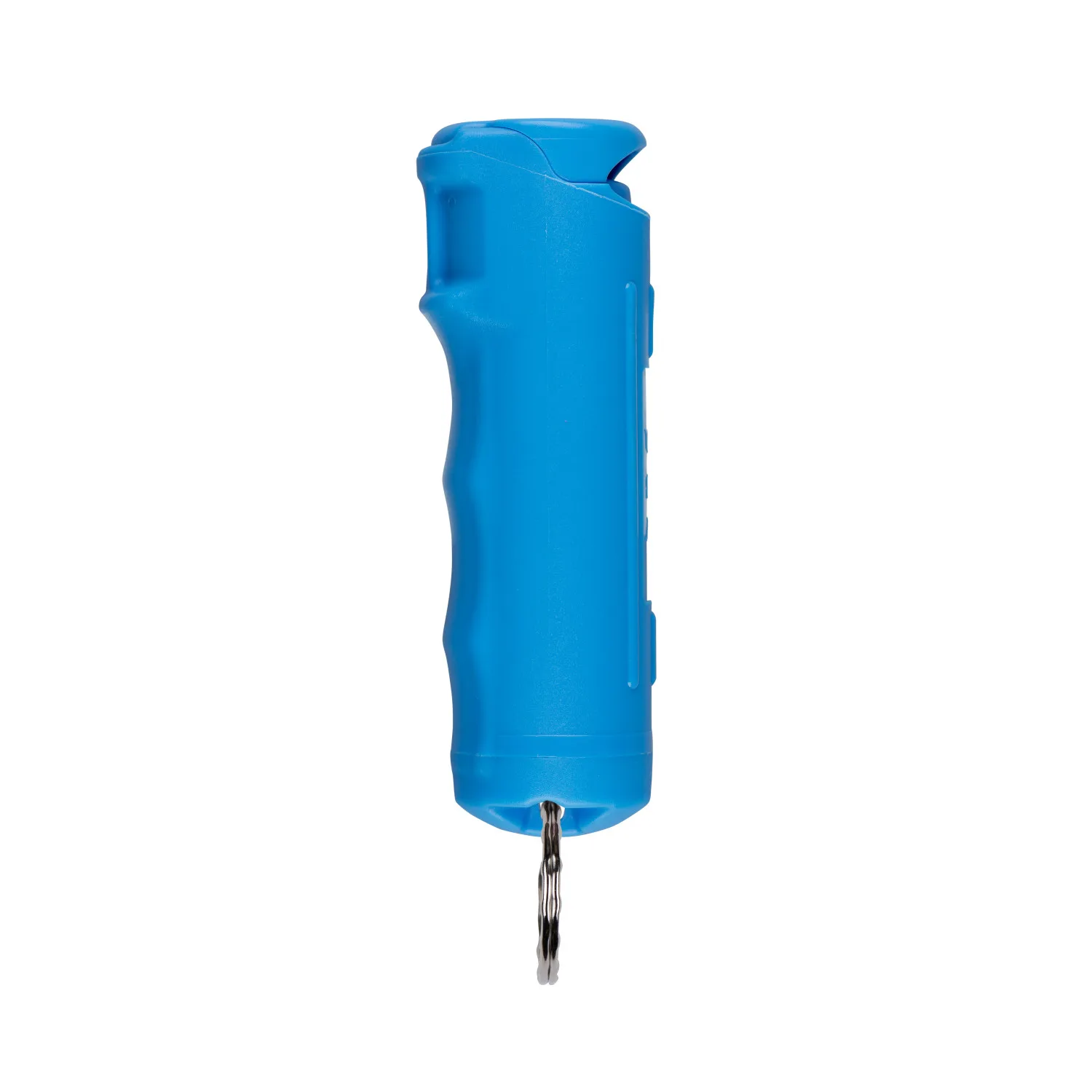
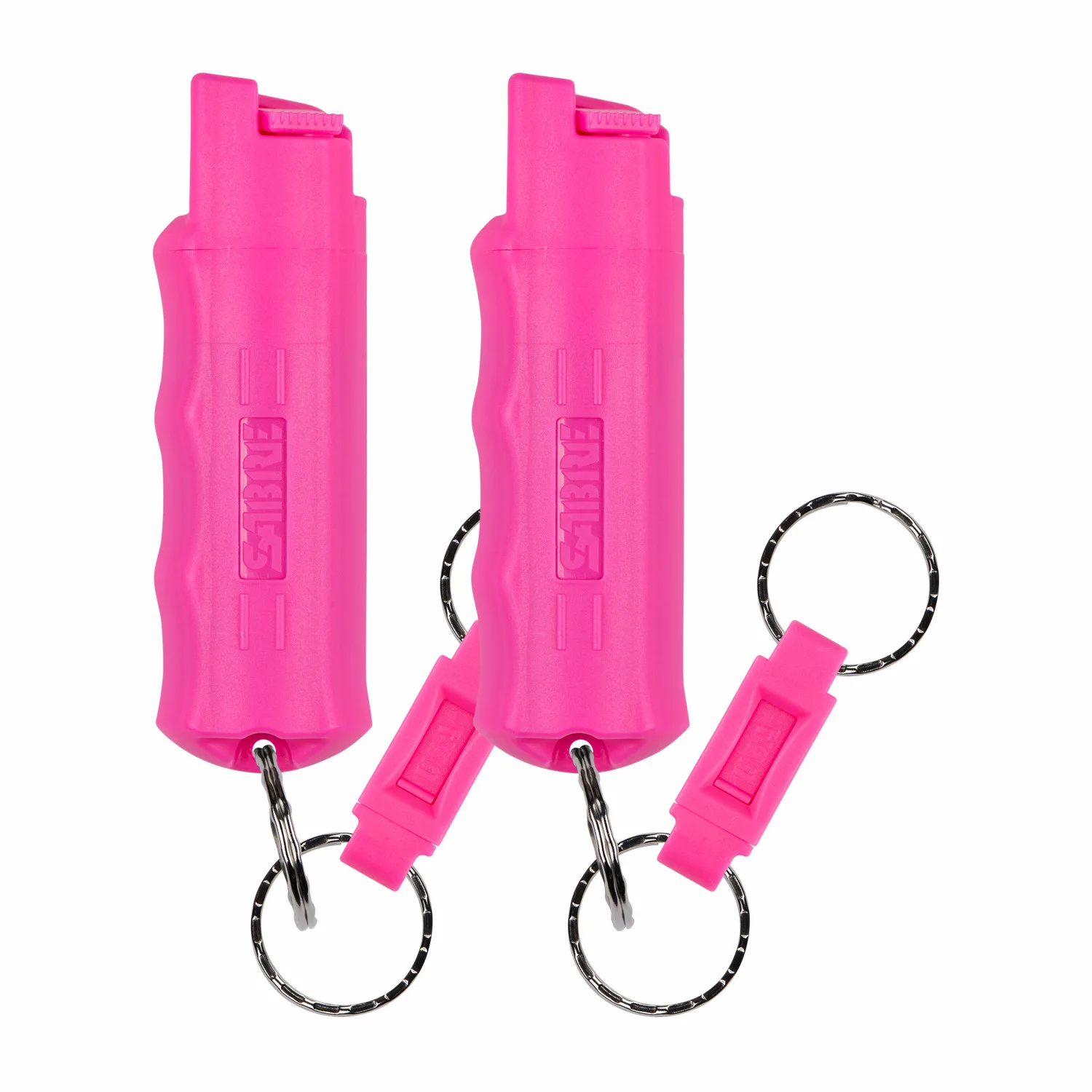
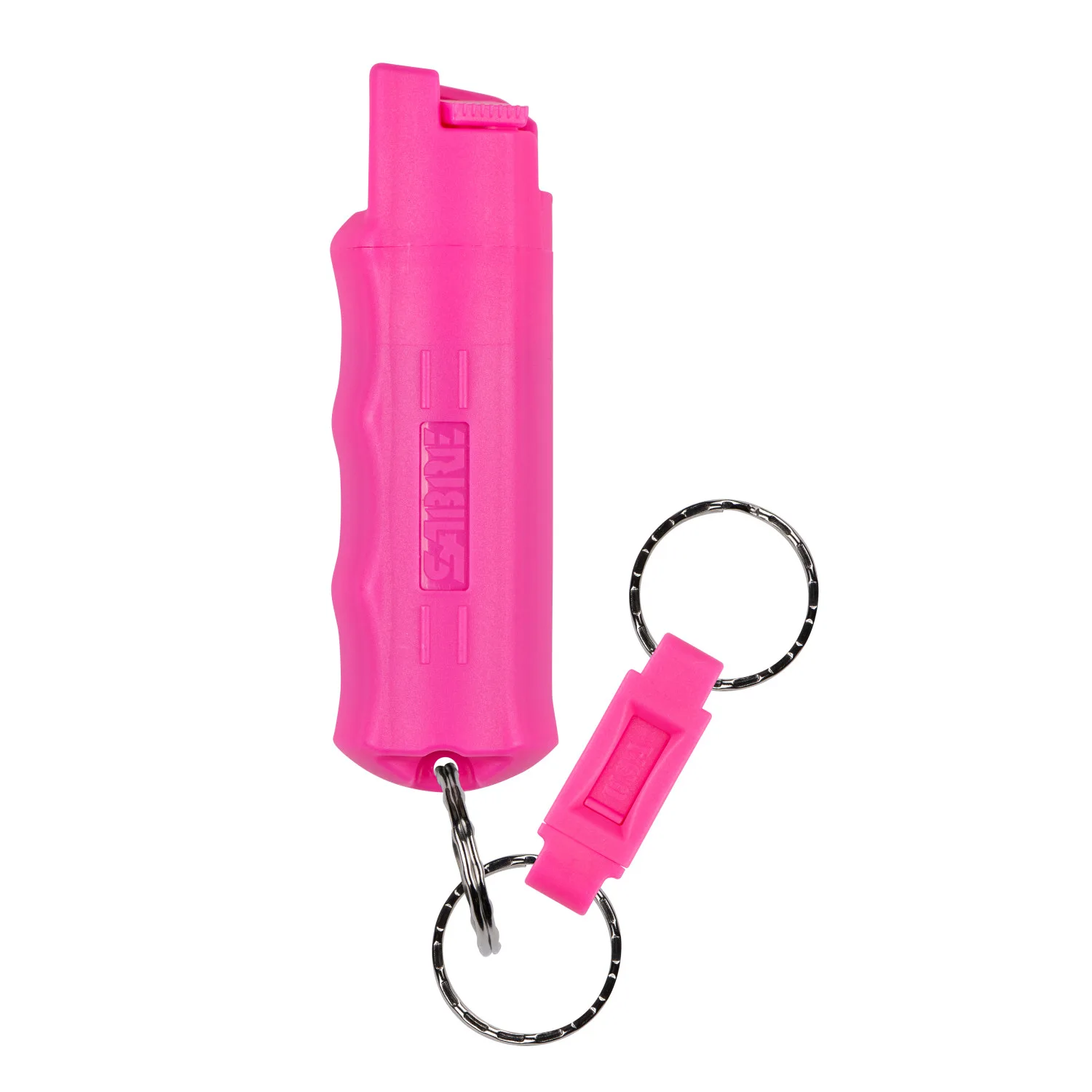
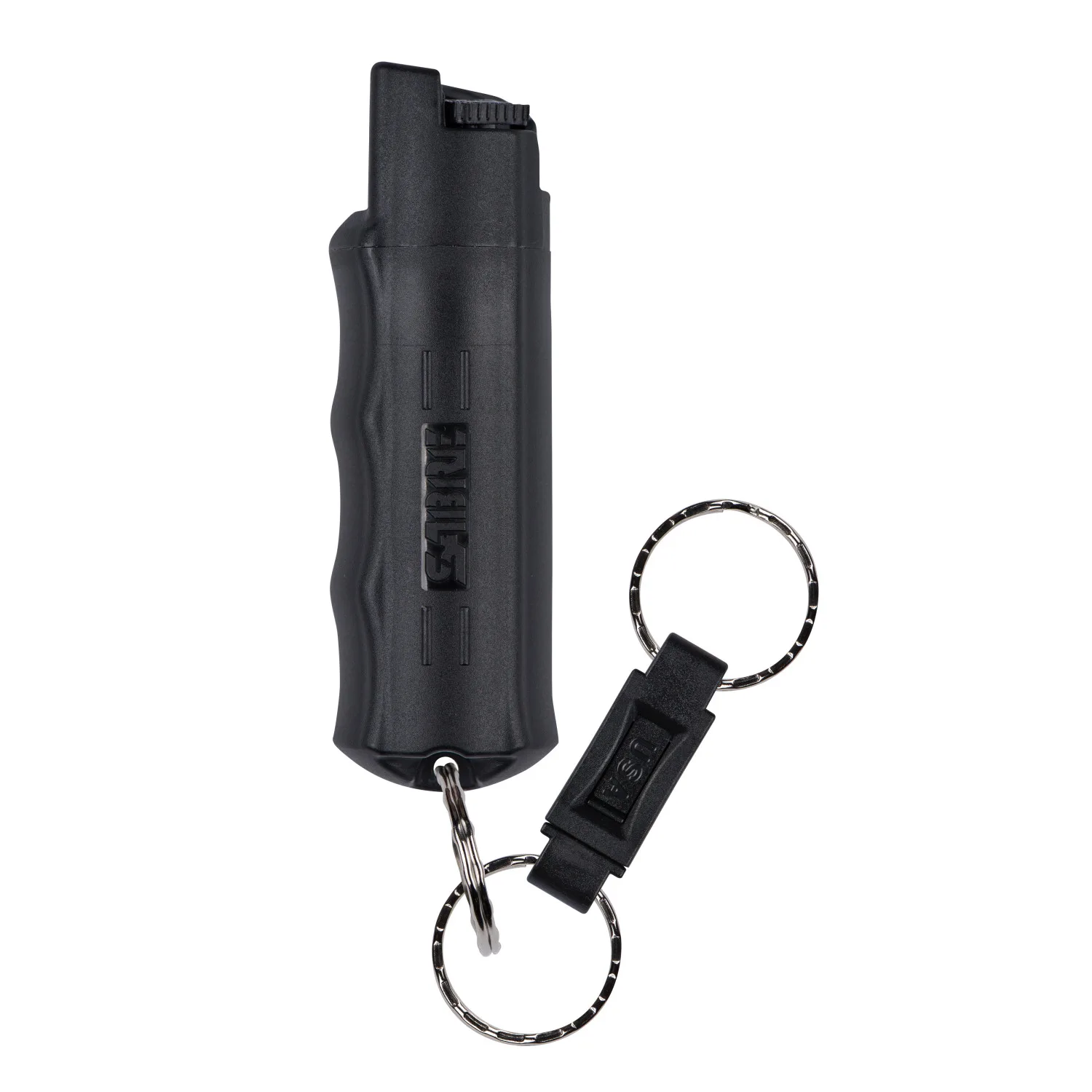
- https://sabreredes.com/products/pepper-spray-with-quick-release-keychain-supports-the-nbcf-2-pack-371393https://sabreredes.com/products/pepper-spray-with-quick-release-keychain-supports-the-nbcf-371392Pepper Spray with Quick Release Keychain, Supports the NBCF, 2-Pack: Stay protected with SABRE key ring pepper spray—2-pack with quick release and support for NBCF. Compact, reliable self-defense you can carry anywhere. A quick release keychain allows you to draw the spray quickly and with a secure grip, reducing the chance of fumbling and accidental discharge.
- Practice Spray with Fast Flip Top: Ensure your aim is true for your dependable protection with the Practice Spray Canister with Flip Top available at a low price with fast shipping from SABRE. Practicing with an inert spray helps you build muscle memory for proper handling, making accidental self-sprays much less likely.
Accidental pepper spray exposure is unpleasant but manageable if you act quickly and correctly. Remember the key steps: fresh air, cool water, and no oils. By understanding the proper first aid and cleanup, you can turn a scary moment into a minor setback. And with a little practice using a training spray, you can reduce the risk of it happening again.