Why a Touchstone Still Matters for Gold and Silver Testing
Before a valuation or a purchase, the touchstone still gives the quickest honest answer. Unlike electronic testers that can struggle with plated or filled items, a natural dark stone lets you see the metal's true colour streak under acid — a method trusted by jewellers, assayers, pawnbrokers, and precious metal dealers for centuries.
This guide explains how to use a natural dark stone touchstone for scratch testing gold carat and silver fineness. It's a non-destructive read that sits well alongside your knowledge of UK hallmarks.
The Acid Testing Touchstone at a Glance
-
Acid Testing Touchstone, Natural Dark Stone — Round, for Gold & Silver Scratch Testing: Natural dark stone provides excellent colour contrast for gold and silver streaks. The dark, fine-grained matte surface makes it easy to see subtle colour differences in the metal streak, helping you distinguish between 9ct, 14ct, 18ct gold and different silver fineness.
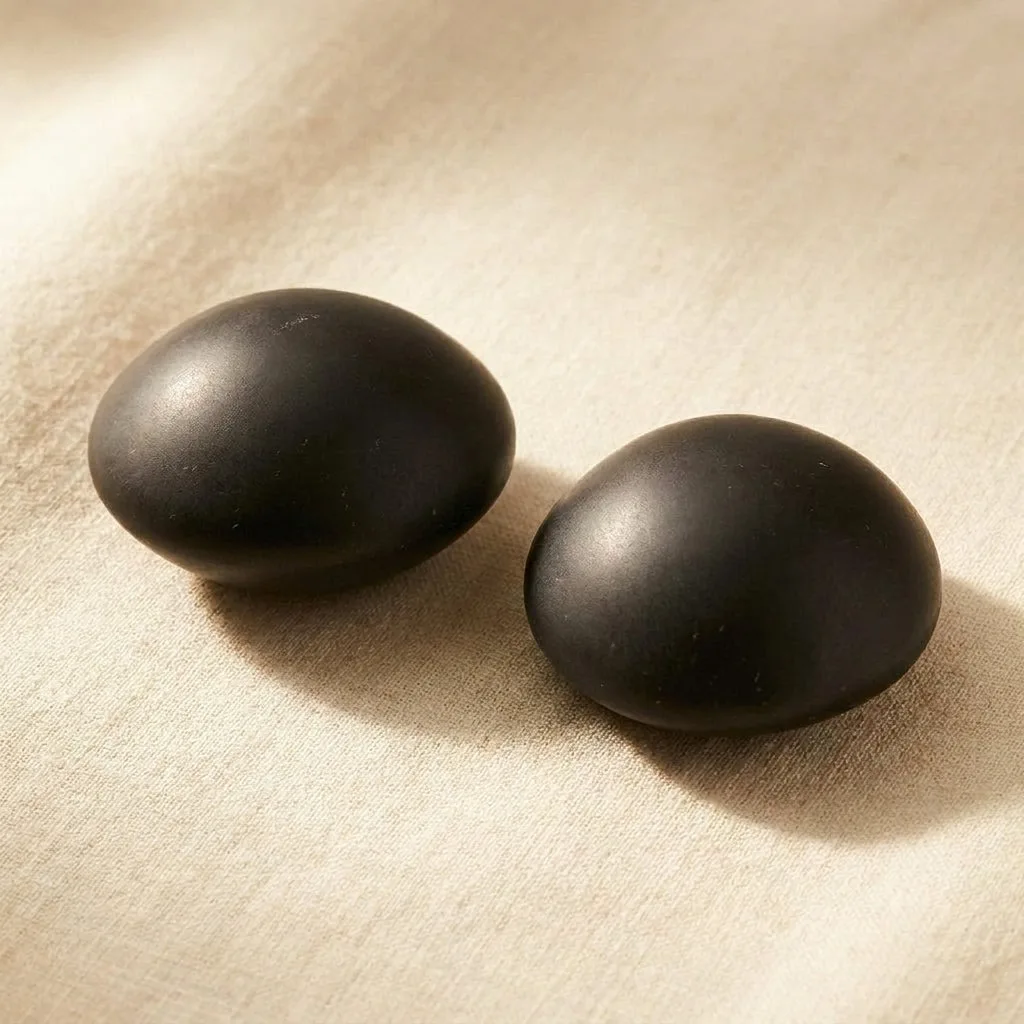
Acid Testing Touchstone, Natural Dark Stone — Round, for Gold & Silver Scratch Testing
-
Acid Testing Touchstone, Natural Dark Stone — Round, for Gold & Silver Scratch Testing: The stone is a smooth, rounded natural pebble form, comfortable to hold and turn whilst testing, and durable enough for daily use at a workshop bench or trade counter. Its ergonomic shape lets you rotate the stone to find a fresh testing surface, and its durability means it won't wear out quickly even with frequent use.
How to Perform a Scratch Test with a Touchstone
The touchstone method relies on the metal leaving a visible streak on the stone's matte surface. You then apply a drop of acid formulated for a specific carat or fineness and observe how the streak reacts.
- Prepare the stone and item: Ensure the touchstone is clean and dry. Hold the item you want to test — typically an inconspicuous area — and draw it firmly across the stone's surface to leave a clear metal streak. The fine-grained matte surface takes a clear streak without coming to harm, test after test.
- Apply the appropriate acid: Use acid testing solutions designed for gold (e.g., 9ct, 14ct, 18ct, 22ct) or silver. Apply a small drop of the acid corresponding to the suspected carat or fineness onto the streak. Observe the reaction: the acid will dissolve or alter the streak's colour if the metal is below that carat, or leave it largely unchanged if it matches or exceeds it.
- Interpret the result: Compare the streak's reaction against known standards. For example, if you apply 14ct acid and the streak dissolves quickly, the item is likely below 14ct. If the streak remains clear and unchanged, the metal is at least 14ct. Repeat with higher or lower carat acids to narrow down the exact fineness.
- Clean the stone between tests: Wipe the stone clean with a soft cloth or rinse with water and dry thoroughly before testing another item. This prevents cross-contamination of acids and metal residues.
What the Supplied Information Does Not Cover
The supplied information confirms that the touchstone is suitable for non-destructive testing of gold and silver items, but it does not include specific acid formulas, safety data sheets, or reaction times. Always follow the instructions provided with your acid testing kit, and wear appropriate protective equipment (gloves, eye protection) when handling acids. The stone itself is a durable bench tool, but safe acid handling is your responsibility.
Who Benefits from This Tool
An essential bench tool for UK jewellers, assayers, pawnbrokers, and precious metal dealers who need to quickly verify the carat of gold and fineness of silver whilst assessing items. It's also useful for hobbyists and collectors who want a reliable, low-cost method to check metal content before buying or selling.