When you have acne-prone skin, every product you apply feels like a strategic decision. Two staples often cause confusion: the gel moisturizer and the acne serum. Both promise clearer skin, but they work in very different ways. Understanding the difference can make or break your skincare routine.
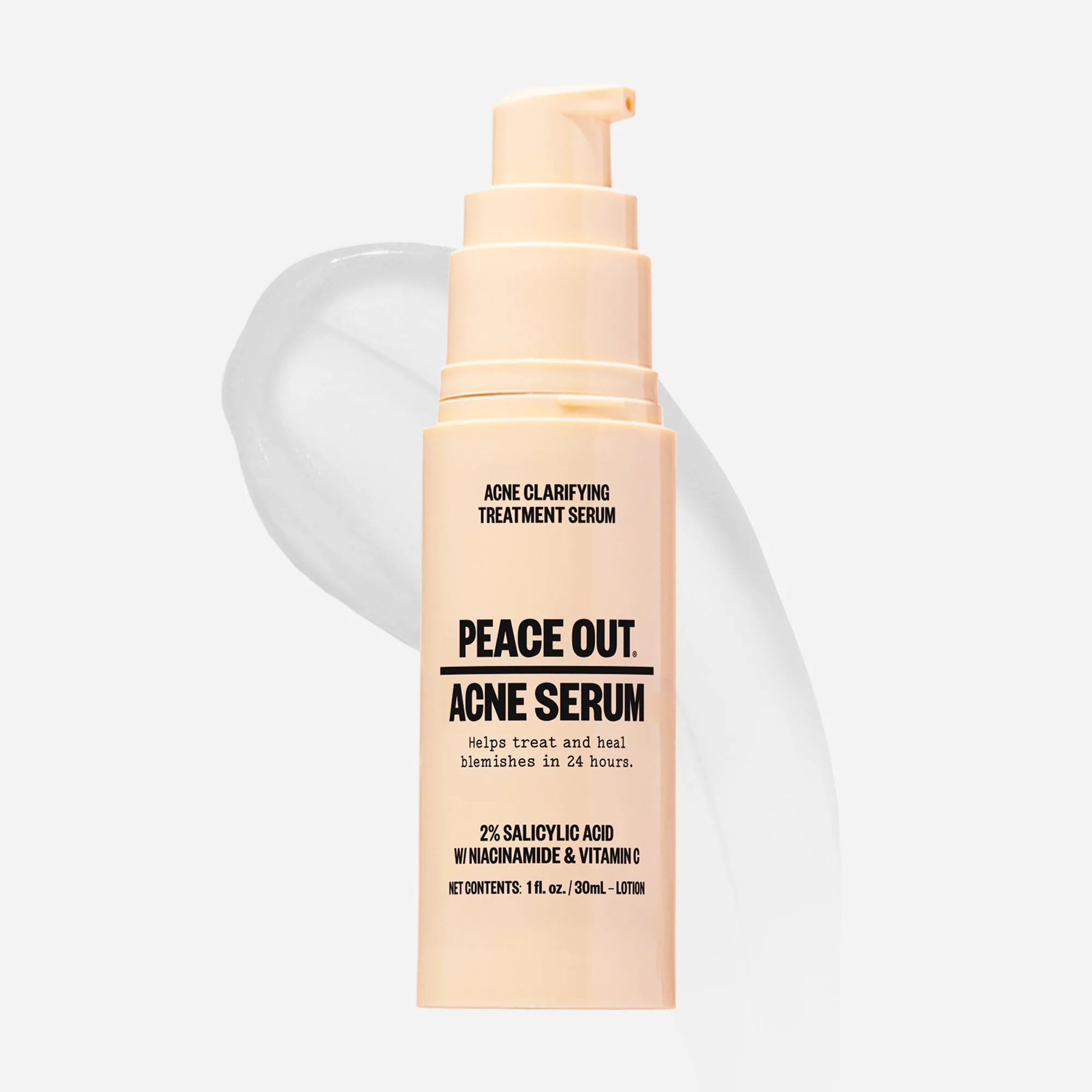
acne serum
In this article, we’ll compare acne gel moisturizers and serums across texture, ingredients, purpose, and how to use them together. By the end, you’ll know exactly which one belongs in your routine—and why you might need both.
What Is an https://subtlelivingai.shop/products/acne-gel-moisturizer-293468Acne Gel Moisturizer?
An acne gel moisturizer is a lightweight, water-based hydrator formulated with acne-fighting ingredients. Unlike heavy creams, gel moisturizers have a thin, non-greasy texture that absorbs quickly, making them ideal for oily and combination skin. They provide essential hydration without clogging pores, which is crucial when your skin is already prone to breakouts.
The key benefits of a gel moisturizer for breakouts include maintaining the skin barrier, preventing excess oil production, and delivering active ingredients like salicylic acid or niacinamide in a soothing base. A good acne treatment moisturizer can calm irritation and reduce redness while keeping your skin comfortable throughout the day.
- Lightweight, non-comedogenic texture
- Hydrates without greasiness
- Often contains acne-fighting actives
- Suitable for oily and combination skin
What Is an Acne Serum?
An acne serum is a concentrated treatment designed to deliver high levels of active ingredients deep into the skin. Serums have a thinner consistency than moisturizers and are formulated with smaller molecules that penetrate quickly. They target specific concerns like acne, dark spots, or excess oil.
Serums for acne-prone skin typically contain ingredients like salicylic acid, benzoyl peroxide, or niacinamide. They work to unclog pores, reduce inflammation, and prevent future breakouts. Because they are potent, serums are usually applied in small amounts and are meant to be followed by a moisturizer to lock in hydration.
- High concentration of active ingredients
- Targeted treatment for acne and blemishes
- Thin, fast-absorbing texture
- Should be layered under a moisturizer
Key Differences: Gel Moisturizer vs. Serum
The main difference lies in their primary function. A moisturizer’s job is to hydrate and protect the skin barrier, while a serum’s job is to treat specific issues. In an acne skincare routine, the serum acts as the treatment step, and the moisturizer acts as the maintenance step.
Texture also sets them apart: gel moisturizers have a slightly thicker, jelly-like feel, while serums are watery or silky. In terms of layering, serums are applied first because their smaller molecules can penetrate deeper, followed by a moisturizer to seal in the benefits and prevent moisture loss.
- Serums are treatment-focused; moisturizers are hydration-focused.
- Serums have a thinner texture than gel moisturizers.
- Serums are applied before moisturizers in a routine.
- Both can contain acne-fighting ingredients, but at different concentrations.
How to Choose: Which One Do You Need?
If you have oily, acne-prone skin and are looking for a simple routine, a gel moisturizer with acne-fighting ingredients might be enough. It provides hydration while gently treating breakouts. Products like the Acne Gel Moisturizer are designed to be lightweight yet effective, making them a great all-in-one option.
However, if you have stubborn acne, dark spots, or need stronger treatment, adding a serum can boost your results. A serum for acne-prone skin, such as the Acne Serum, delivers concentrated actives that target blemishes more aggressively. For best results, use both: apply a few drops of serum after cleansing, then follow with a gel moisturizer to lock everything in.
- Start with a gel moisturizer if your acne is mild.
- Add a serum if you need stronger treatment for breakouts or scars.
- Always patch-test new products to avoid irritation.
- Consistency is key—give products at least 4 weeks to show results.
The Perfect Order: How to Layer Them
The correct order in your acne skincare routine is crucial for maximum effectiveness. After cleansing, apply your acne serum to clean, dry skin. Wait a minute for it to absorb, then follow with your gel moisturizer. This order ensures the serum’s active ingredients penetrate deeply while the moisturizer seals in hydration and soothes the skin.
If you’re using other treatments like acne patches, apply them after your serum and before your moisturizer, or as the final step depending on the product instructions. For example, the Acne Dots - 10 Pack can be used on individual blemishes after serum, while a moisturizer is applied to the rest of the face.
- Cleanser → Serum → Gel Moisturizer → (Optional) Acne Patch
- Wait 1-2 minutes between steps for better absorption.
- Avoid over-layering—too many products can irritate skin.
Choosing between an acne gel moisturizer and a serum doesn’t have to be complicated. Both play unique roles in managing breakouts: the moisturizer keeps your skin hydrated and balanced, while the serum delivers potent treatment. For most people, using both in the right order yields the best results. Start with a gentle gel moisturizer like the Acne Gel Moisturizer to build a solid base, then consider adding a targeted serum if your skin needs extra help. Remember, consistent use is more important than any single product.