The mistakes that actually matter
Most advice about the Acne Light Shot focuses on how you hold it or when you switch it on. The bigger risk is judging it by the wrong standard. Because the device is a medical LED tool built around blue light therapy at 415nm, the useful questions are about what that light is shown to do, what the supplied evidence does not confirm, and how to tell whether your own results are on track.
That framing matters if you have searched for why your Acne Light Shot is not working. Before you change anything, separate a real limitation from a myth that was never part of the product's claims.
Four myths worth retiring
- Myth: blue light works like a spot cream: The supplied information describes blue light penetrating blocked pores and reaching the epidermis to target acne-causing bacteria at the source. That is a different mechanism from a topical treatment, so comparing the two by speed or by how they feel misses the point.
- Myth: bacteria will become resistant to the light: The catalog states there is zero possibility of the bacteria becoming resistant to this process. That is a claim about the light-based mechanism itself, not a promise that every blemish disappears.
- Myth: more sessions always means faster clearing: The supplied record describes speedy 20-minute sessions but does not include a recommended frequency or a schedule for increasing use. Treat any specific 'how often' number you see elsewhere as unconfirmed by this evidence.
- Myth: the device replaces everything else in your routine: Nothing in the supplied record says the Acne Light Shot should replace your cleanser, moisturizer, or other products. It is described as a targeted treatment for acne, blemishes, and spots, not a complete routine.
What the Acne Light Shot record actually supports
-
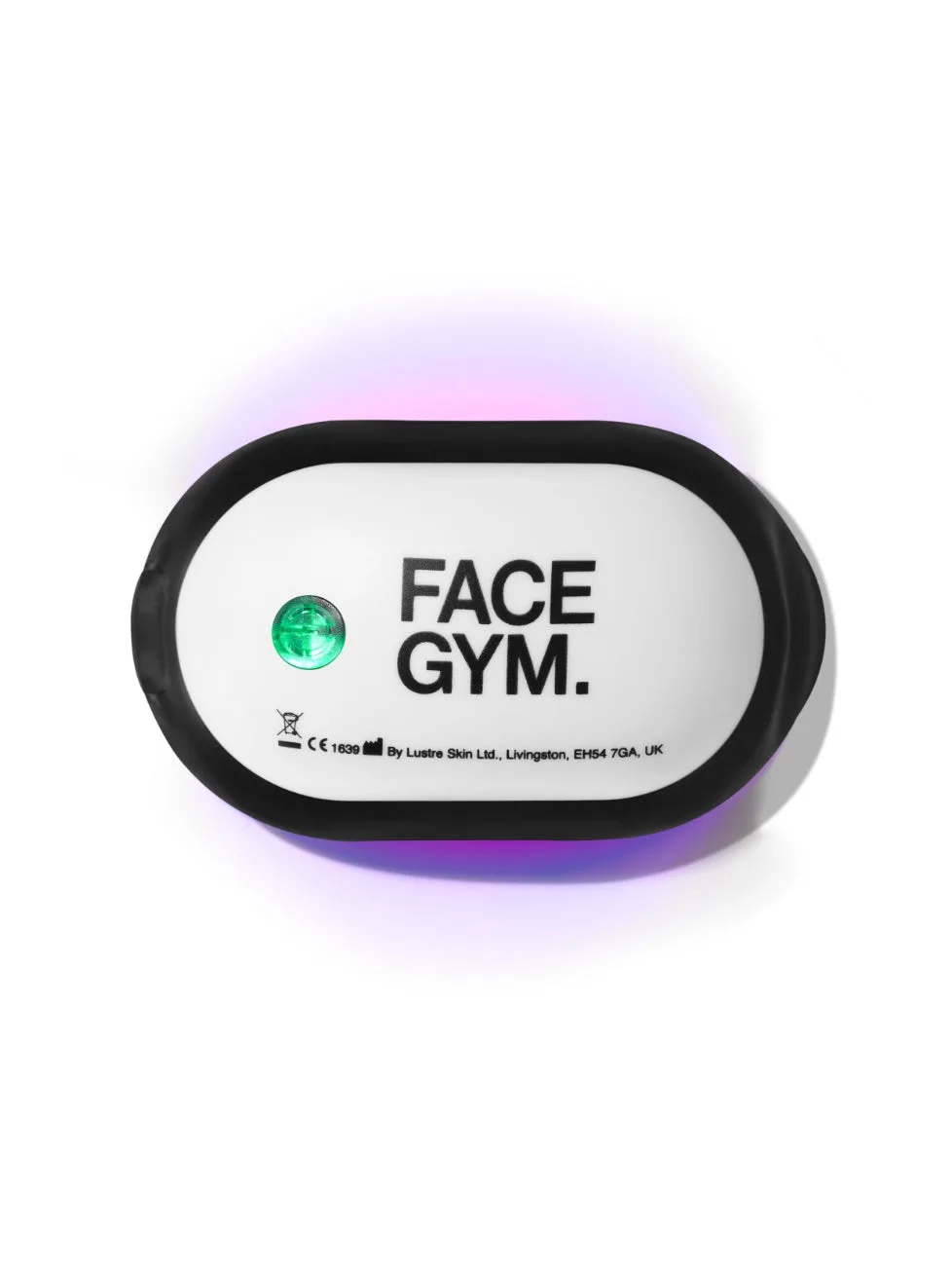
Acne Light Shot: Medical LED device using blue light therapy at an optimized wavelength of 415nm for targeted treatment of acne, blemishes, and spots. This is the technical basis for every other claim. If a tip or myth does not fit a 415nm blue-light mechanism, question it.
Acne Light Shot
-
Acne Light Shot: Clinically proven to kill acne naturally and reduce the risk of future breakouts, with results described as starting from day one. This supports early use, but 'starts working from day one' is not the same as 'clears everything by day one.' Give the treatment a fair window before deciding it failed.
-
Acne Light Shot: Hands-free, pocket-sized design with speedy 20-minute sessions. The session length is supplied; the frequency is not. Use the 20-minute figure as your known quantity and do not invent a schedule around it.
-
Acne Light Shot: 90% agree Acne Light Shot is an effective treatment for acne skin problems; 80% reduction in skin oiliness; 80% reduction in pore size; 75% reduction in inflammatory lesions. These are the strongest numbers in the record, but they are group results, not a personal guarantee. They describe what was observed, not what you should expect on a fixed timeline.
Why 'not working' is usually a timing question
If you are a week in and see no change, you have not yet disproved the device. The supplied record says it starts working from day one and describes a significant reduction in spots, blemishes, and inflammatory acne with no downtime, but it does not give a timeline for when you should see a given percentage of clearing. That gap is a limit of the evidence, not a sign the product is failing.
The honest test is whether your skin is moving in the direction the record describes: fewer inflammatory spots, less oiliness, and a tighter appearance of pores. If you are tracking those, you are measuring the right things. If you are waiting for a single blemish to vanish overnight, you are measuring against a claim the record never makes.
Acne light therapy tips that follow the evidence
These are practical habits, not manufacturer instructions. The supplied record does not include a step-by-step operating protocol, so treat the following as ways to use the device consistently rather than as a prescribed routine.
- Use the supplied session length: The record describes 20-minute sessions. Build your habit around that known quantity rather than adding time to try to speed things up.
- Keep the treatment targeted: The device is described as a targeted treatment for acne, blemishes, and spots. Focus on the areas you are treating rather than treating your whole face as a default.
- Let the hands-free design do its job: The hands-free format is part of what makes consistent use easier. Use that to your advantage instead of turning each session into a manual technique exercise.
- Judge oiliness and pores alongside spots: The record includes reductions in oiliness and pore size, so those are fair things to watch. They may move at a different pace than inflammatory lesions.
- Do not add unconfirmed steps: Because the record does not supply a frequency, a cleaning protocol, or a refill schedule, adding those from other sources introduces variables you cannot evaluate.
What the supplied information leaves open
The record does not confirm how often to use the Acne Light Shot, how long a full course should last, or whether it is suitable for every skin type. It also does not include patch-test results or a list of warnings beyond describing the device as safe and dermatologist-approved. Those absences are decision limits, not evidence that the device lacks those features.
If your acne is severe, painful, or leaving marks, the responsible move is to involve a clinician rather than to keep adjusting a home device. The Acne Light Shot record supports it as a targeted blue-light treatment for acne, blemishes, and spots; it does not position the device as a substitute for medical care.