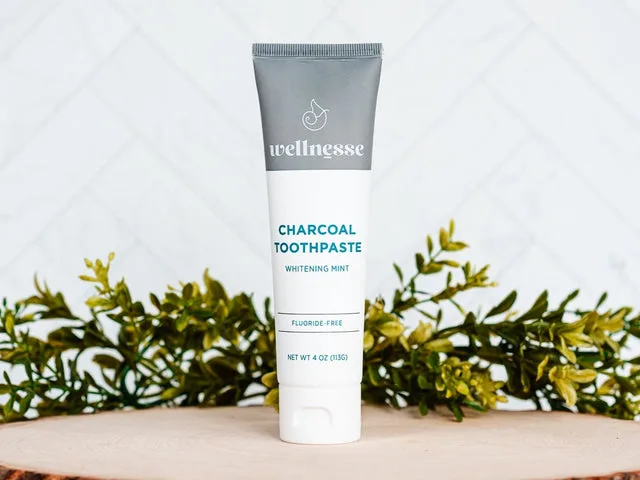
Activated charcoal toothpaste has become a popular choice for those seeking a natural way to whiten teeth. From celebrity endorsements to social media trends, this black paste promises a brighter smile without harsh chemicals. But what exactly is activated charcoal, and does it really work? In this guide, we'll explore the benefits, potential risks, and the correct way to use charcoal toothpaste for optimal results.
Before you swap your regular toothpaste for a charcoal version, it's essential to understand both the science and the practical application. We'll break down everything you need to know, including how to incorporate it into your oral care routine safely, and we'll highlight some excellent options like the Activated Charcoal Carrageenan Free Toothpaste from Desert Essence.
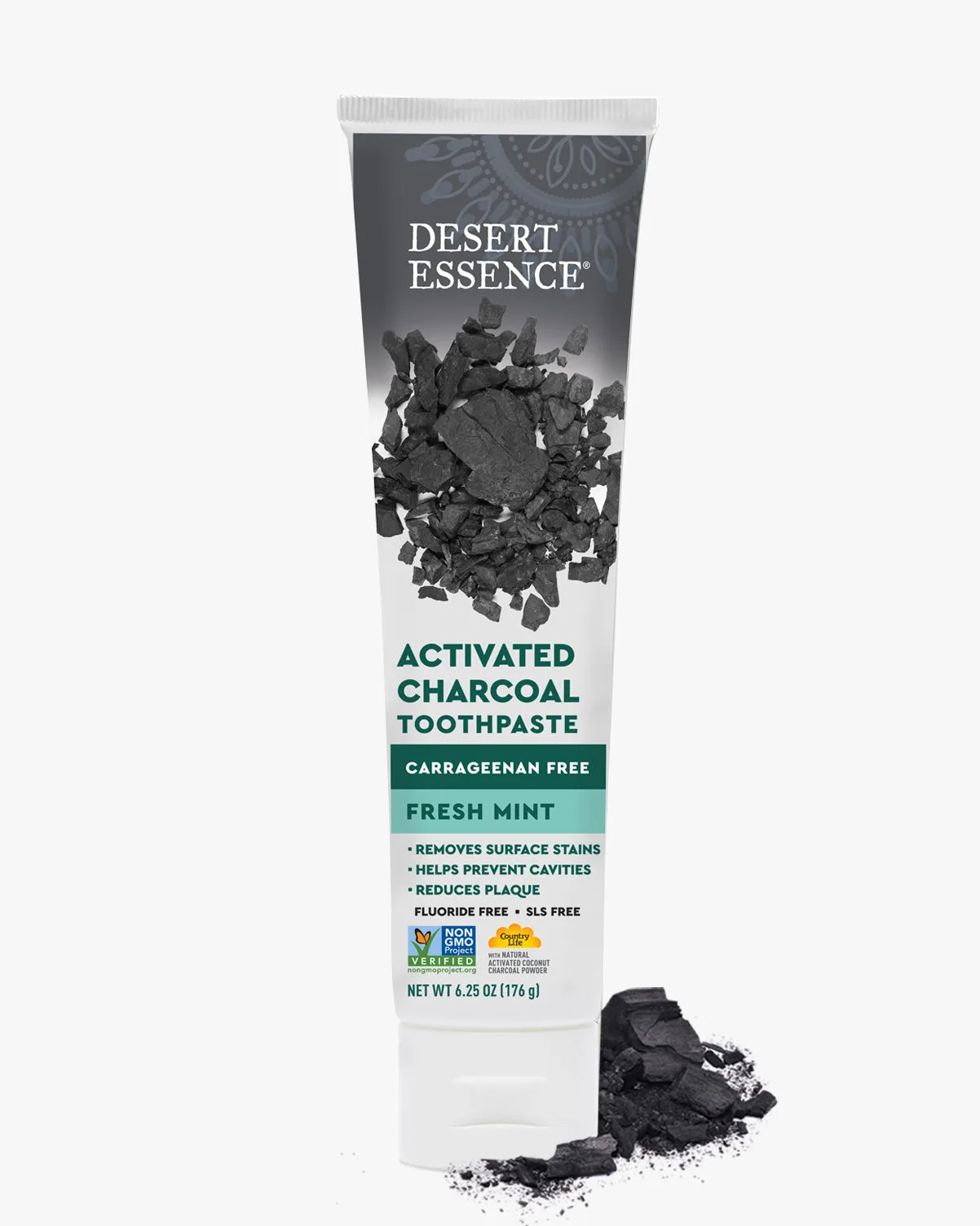
Activated Charcoal Carrageenan Free Toothpaste
What Is Activated Charcoal Toothpaste?
Activated charcoal is a fine black powder made from coconut shells, olive pits, or other natural materials that have been heated to high temperatures and then exposed to gases, creating a porous surface. This process, called activation, increases its surface area, allowing it to absorb toxins and impurities. In toothpaste, activated charcoal is used for its purported ability to bind to surface stains on teeth, helping to remove them and brighten your smile.
Unlike regular toothpaste, which relies on mild abrasives and fluoride to clean and protect teeth, charcoal toothpaste focuses on adsorption. When you brush with activated charcoal, the powder particles stick to plaque, bacteria, and surface stains, which are then rinsed away. This makes it an attractive option for those looking for a more natural approach to oral care.
- Activated charcoal is made from natural sources like coconut shells.
- It works by adsorbing stains and impurities rather than chemically bleaching teeth.
Benefits of Using Activated Charcoal Toothpaste
The primary benefit of activated charcoal toothpaste is its ability to whiten teeth by removing surface stains. Coffee, tea, red wine, and smoking can leave unsightly discoloration, and charcoal's gentle abrasiveness helps polish away these stains over time. Many users report a visibly brighter smile after just a few weeks of consistent use.
Additionally, activated charcoal has natural antibacterial properties. By binding to bacteria in the mouth, it can help reduce plaque buildup and improve overall oral hygiene. Some studies suggest that charcoal can also help balance the pH level in your mouth, creating an environment that is less conducive to cavity-causing bacteria. For those who prefer cruelty-free and natural products, charcoal toothpaste often contains fewer synthetic ingredients, making it a cleaner choice for daily use.
- Helps remove surface stains from coffee, tea, and wine.
- May reduce bacteria and plaque for better oral health.
- Often free from harsh chemicals and artificial additives.
Potential Risks and Side Effects
While activated charcoal toothpaste offers several benefits, it's not without risks. The abrasive nature of charcoal can be too harsh for some people, especially if you brush too vigorously or use it too frequently. Over time, this can wear down tooth enamel, leading to increased sensitivity and a higher risk of cavities. It's crucial to use a soft-bristled brush and gentle pressure when brushing with charcoal toothpaste.
Another concern is that charcoal toothpaste may not contain fluoride, which is essential for preventing tooth decay. If you choose a charcoal toothpaste, ensure you're still getting enough fluoride from other sources, such as a fluoride mouthwash or your drinking water. Additionally, some people may experience gum irritation or a gritty texture that feels uncomfortable. If you have sensitive teeth or gums, consult your dentist before incorporating charcoal toothpaste into your routine.
- Abrasive nature can erode enamel if used too aggressively.
- May lack fluoride, increasing cavity risk.
- Potential for gum irritation in sensitive individuals.
How to Use Charcoal Toothpaste Safely
To get the most out of your charcoal toothpaste while minimizing risks, follow these steps. First, wet your toothbrush and apply a small amount of toothpaste—about the size of a pea. Brush gently in circular motions for two minutes, making sure to cover all tooth surfaces. Avoid scrubbing hard, as this can damage enamel. Spit out the toothpaste and rinse your mouth thoroughly with water.
For best results, use charcoal toothpaste no more than once or twice a day. Many people prefer to use it in the morning to remove overnight bacteria, but you can also use it at night. If you're concerned about enamel wear, consider alternating with a regular fluoride toothpaste. Remember to store your charcoal toothpaste in a dry place, as moisture can reduce its effectiveness.
When choosing a charcoal toothpaste, look for one that is free from carrageenan and other unnecessary additives. The Activated Charcoal Carrageenan Free Toothpaste from Desert Essence is an excellent choice, as it combines the whitening power of charcoal with natural ingredients like tea tree oil and baking soda, without harsh chemicals.
- Use a pea-sized amount and brush gently for two minutes.
- Limit use to 1-2 times daily to protect enamel.
- Alternate with fluoride toothpaste if needed.
Recommended Charcoal Toothpaste Products
If you're ready to try activated charcoal toothpaste, Desert Essence offers a standout option. The Activated Charcoal Carrageenan Free Toothpaste is formulated with activated charcoal, tea tree oil, and baking soda to gently polish and whiten teeth while promoting fresh breath. It's free from carrageenan, artificial sweeteners, and dyes, making it a clean and conscious choice for your oral care routine.
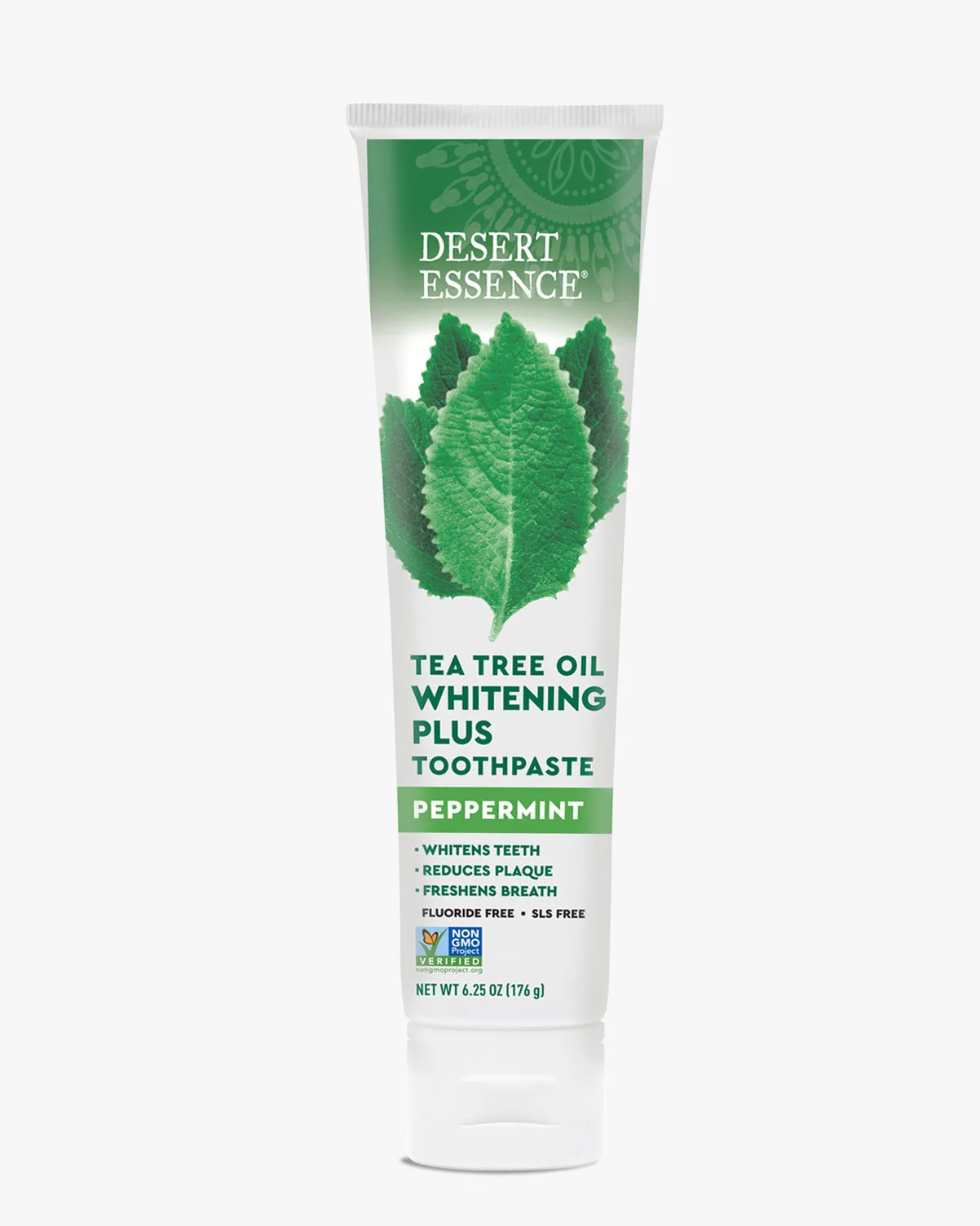
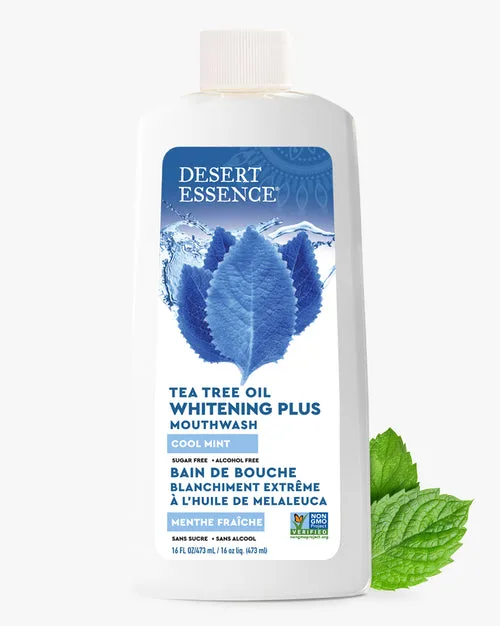
For those who prefer a minty twist, the Tea Tree Oil Whitening Plus Toothpaste - Peppermint is another great alternative. While not charcoal-based, it uses tea tree oil and baking soda to whiten and protect teeth naturally. Pair it with the Tea Tree Oil Whitening Plus Mouthwash for a complete whitening regimen that fights plaque and freshens breath.
- Activated Charcoal Carrageenan Free Toothpaste: gentle whitening with natural ingredients.
- Tea Tree Oil Whitening Plus Toothpaste - Peppermint: a minty, non-charcoal option.
Activated charcoal toothpaste can be a beneficial addition to your oral care routine, offering natural whitening and antibacterial properties. However, it's essential to use it correctly to avoid enamel erosion and ensure you're still getting adequate fluoride. By following the tips in this guide, you can safely enjoy a brighter smile. Explore the Activated Charcoal Carrageenan Free Toothpaste from Desert Essence to start your journey toward a naturally whiter smile today.