Quick answer
For babies from birth to about 6 months, a playmat or Gymini is the better fit because it supports lying, tummy time, and early sensory exploration. For babies who can sit steadily and pull to stand, usually 6 to 12 months, an activity center gives them a safe, upright play space that encourages leg strength and hand-eye coordination. If you can only buy one, choose based on your baby's current mobility: a playmat for pre-crawlers, an activity center for sitters and standers.
How the two formats differ in practice
A playmat or Gymini is a floor-based setup. Your baby lies on their back, rolls, or spends supervised tummy time on it. The developmental work happens through reaching, kicking, tracking, and lifting the head. An activity center is a stationary seat or standing frame that holds your baby upright, so their feet touch a base and their hands can explore a tray or attached toys. The physical demand shifts from core and neck control to leg support and seated balance. Because the positions are so different, the two formats are not interchangeable at the same age. Most families use a playmat first and add an activity center once the baby can sit with little or no support.
What to look for in a playmat for baby development
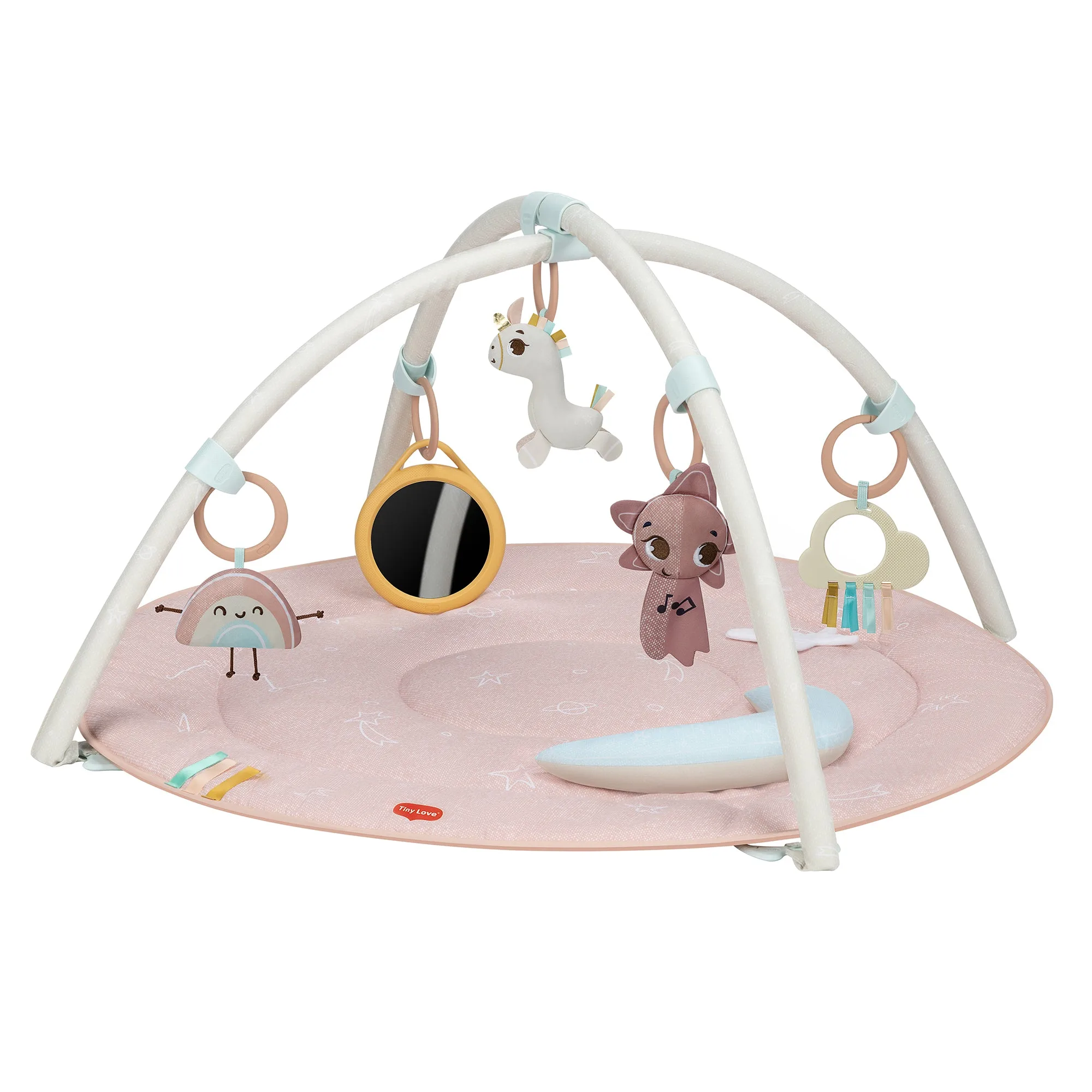
The most useful playmats grow with your baby instead of locking them into one position. Adjustable arches let you lower the toys for a newborn who is just tracking with their eyes, then raise them for a baby who is swatting and grabbing. A tummy time mirror gives a clear incentive to lift the head, and a take-along book or crinkly toy adds a new texture without you having to buy a separate accessory. Contrasting black-and-white patterns are especially helpful in the first months, when high-contrast shapes are easier for young eyes to process than pastel colors. Check that the mat surface is soft but firm enough to support pushing up, and that the arches can be removed or folded if you want to use the mat alone for rolling practice.
What to look for in a baby activity center
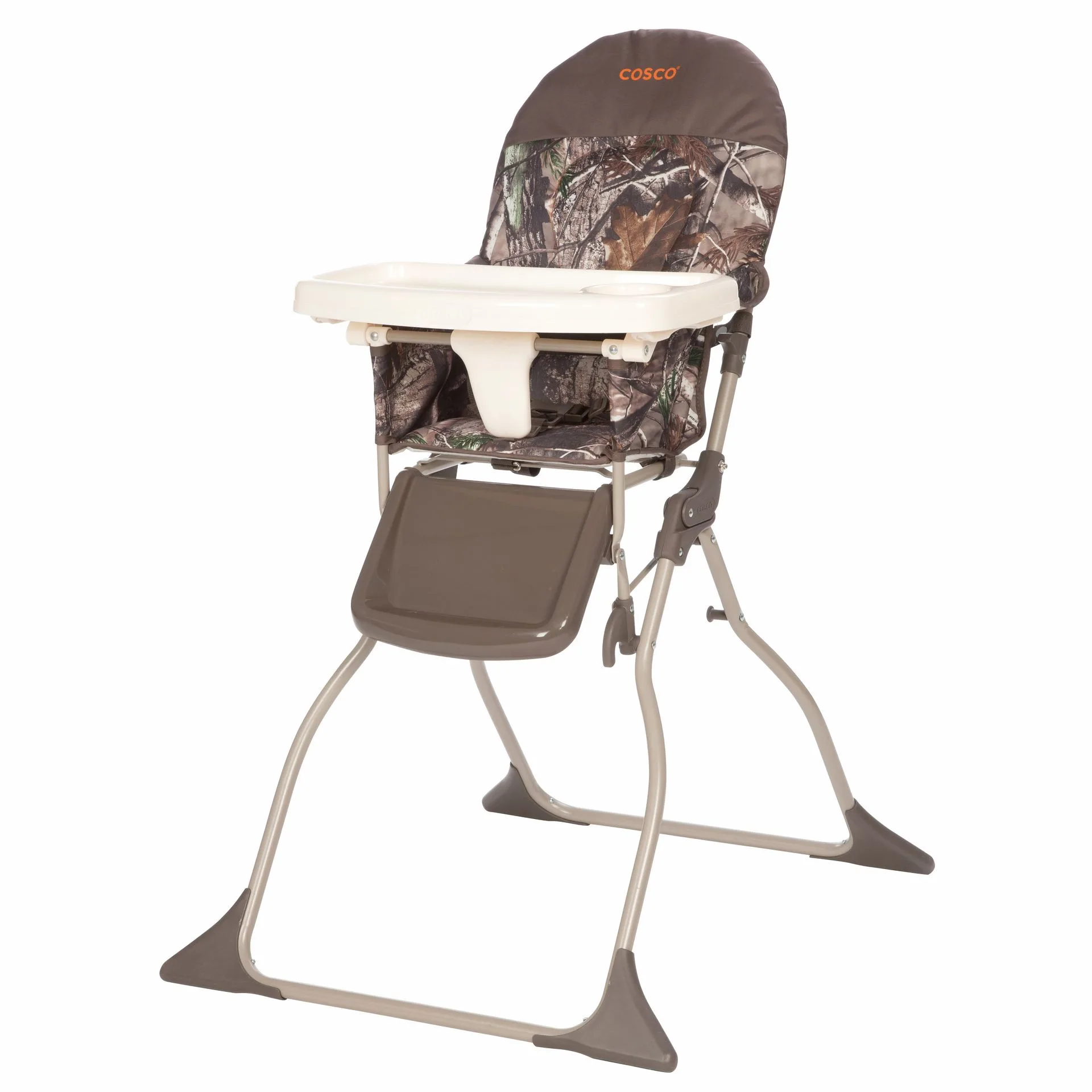
An activity center should match your baby's height and strength, not just their age. Look for a seat that rotates or a standing frame with a stable base, so your baby can pivot and reach without tipping. Toys mounted on the tray should be easy to bat, spin, or press, because cause-and-effect play is the main cognitive benefit at this stage. Avoid any center that forces your baby's legs into a position they cannot comfortably hold, and keep sessions short, typically 15 to 20 minutes at a time, so they still get floor time for crawling and rolling. If your baby is not yet sitting steadily, an activity center is not the right next step; keep using the playmat and revisit the center in a few weeks.
Why some families use both
A playmat and an activity center solve different problems in the same day. The playmat is where your baby does the hard work of tummy time, rolling, and eventually crawling. The activity center is where they practice standing, weight-shifting, and two-handed play while you keep them contained and safe. If you have the floor space, using both lets you rotate positions and avoid overusing any one setup. If space is tight, start with a playmat that has adjustable arches, because it covers the longest developmental window. Add an activity center only when your baby's pediatrician or your own observation confirms they are ready for upright play.
Trade-offs at a glance
- Playmat or Gymini: Supports lying, tummy time, rolling, and early crawling. Adjustable arches and sliding rings let you adapt the setup as motor skills change. Takes floor space and requires you to get down on the floor with your baby. Best from birth to about 6 months, and still useful for floor play after that.
- Activity center: Holds your baby upright for seated or standing play, building leg strength and hand-eye coordination. Limited to short sessions and only appropriate once your baby can sit steadily with minimal support. Best for sitters and standers, roughly 6 to 12 months, as a supplement to floor time.
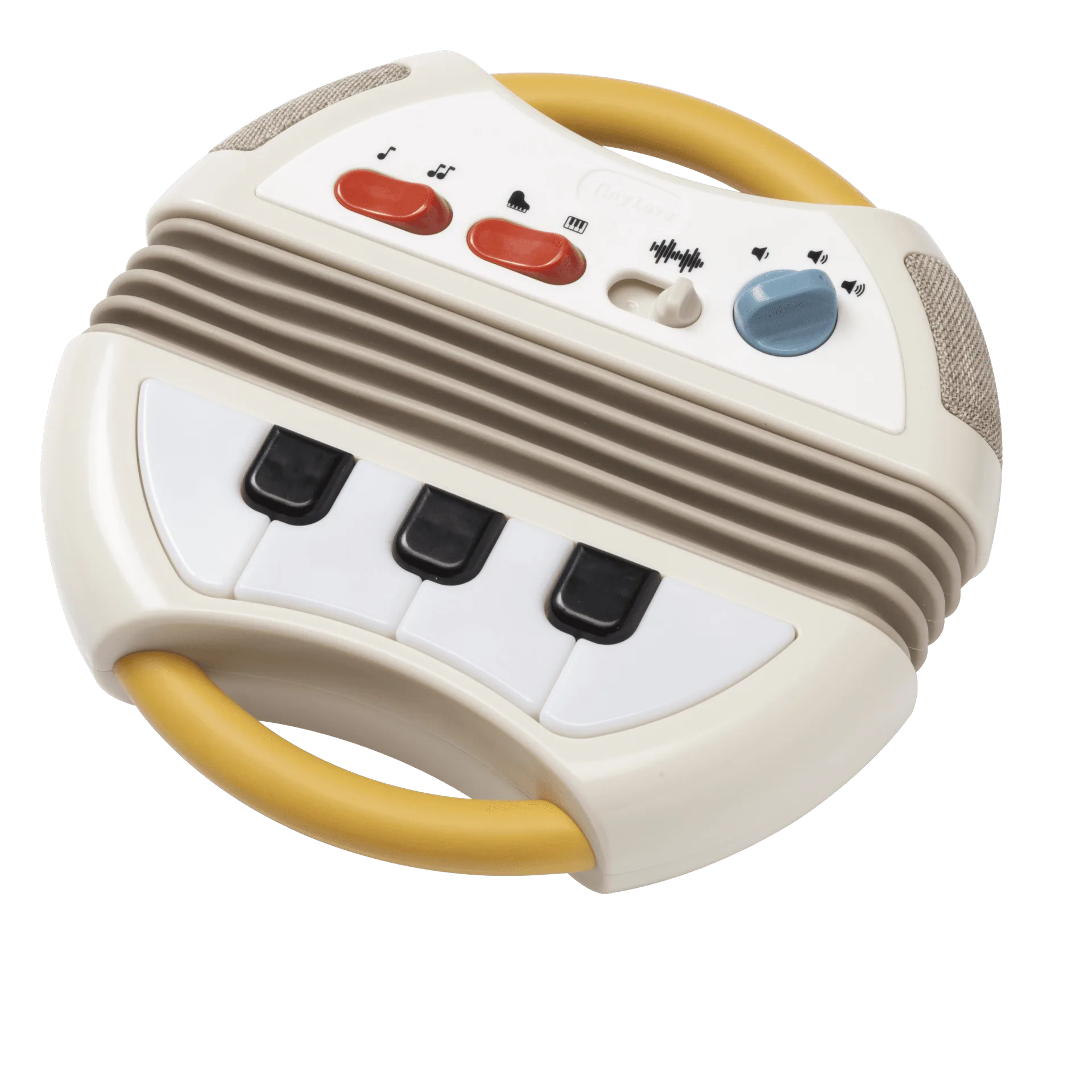
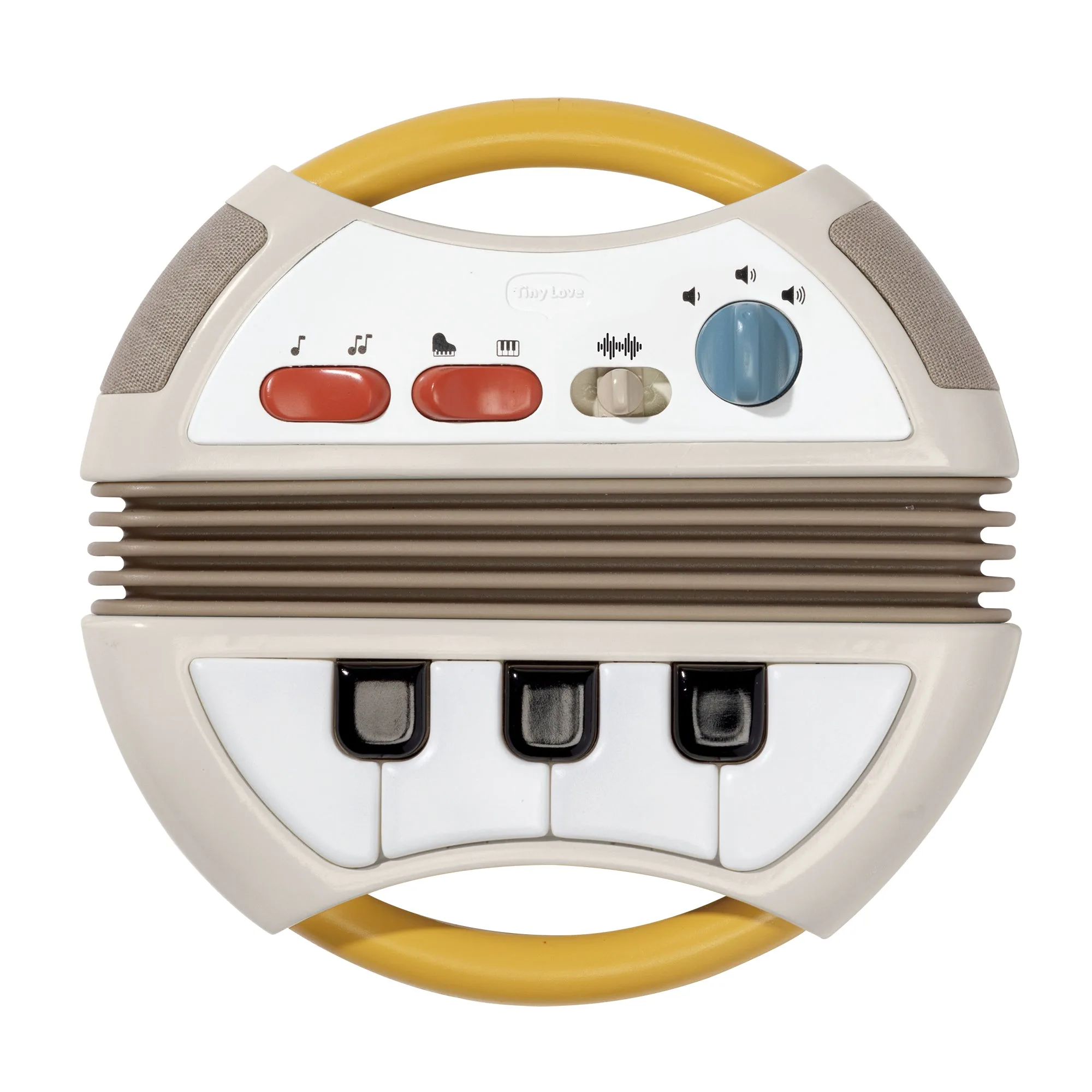
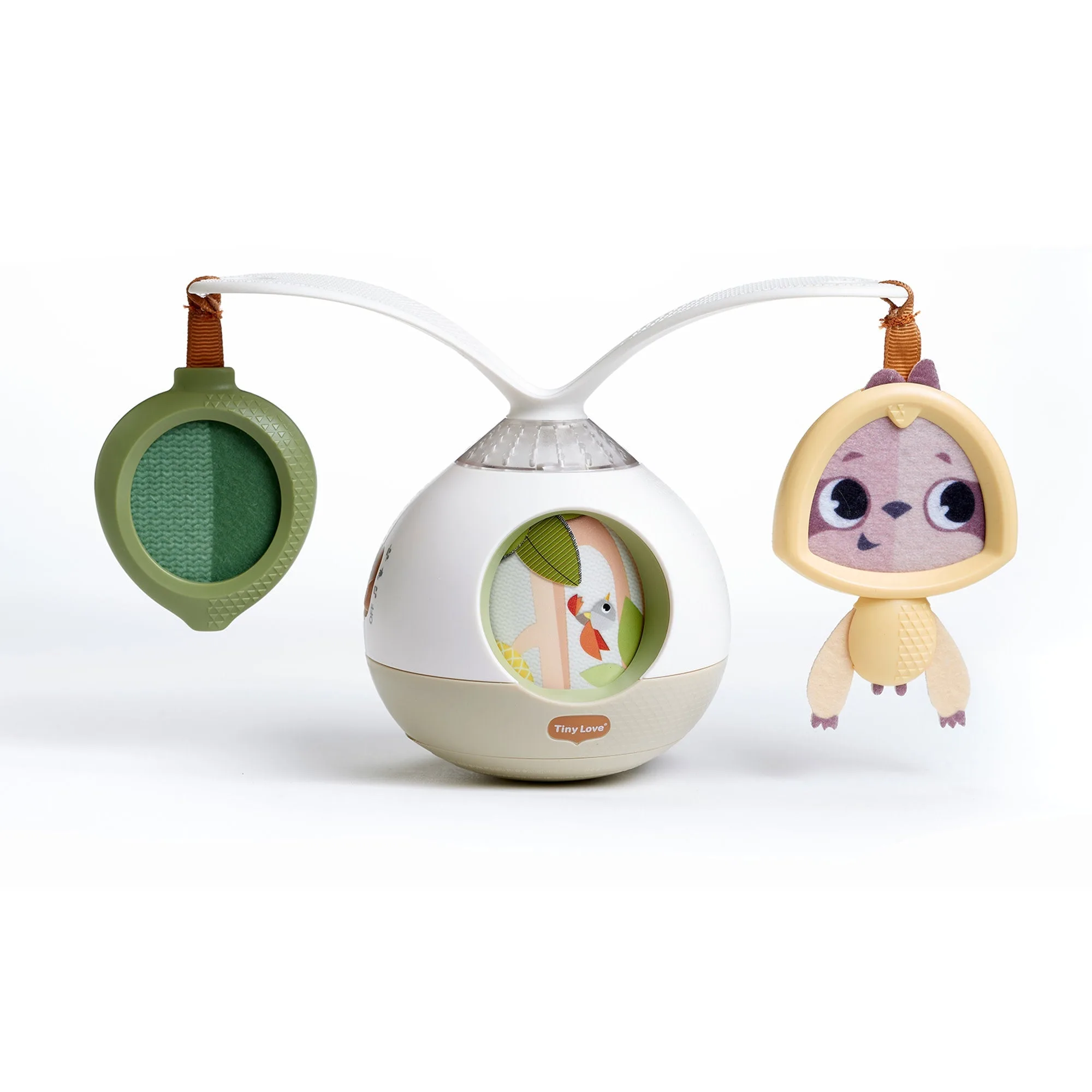
- Portable musical toys: Toys like the Tiny Rockers Accordion add music and cause-and-effect play without a fixed frame. They travel easily and can be used on a playmat or in an activity center tray. A flexible add-on, not a replacement for either main setup.
Product facts
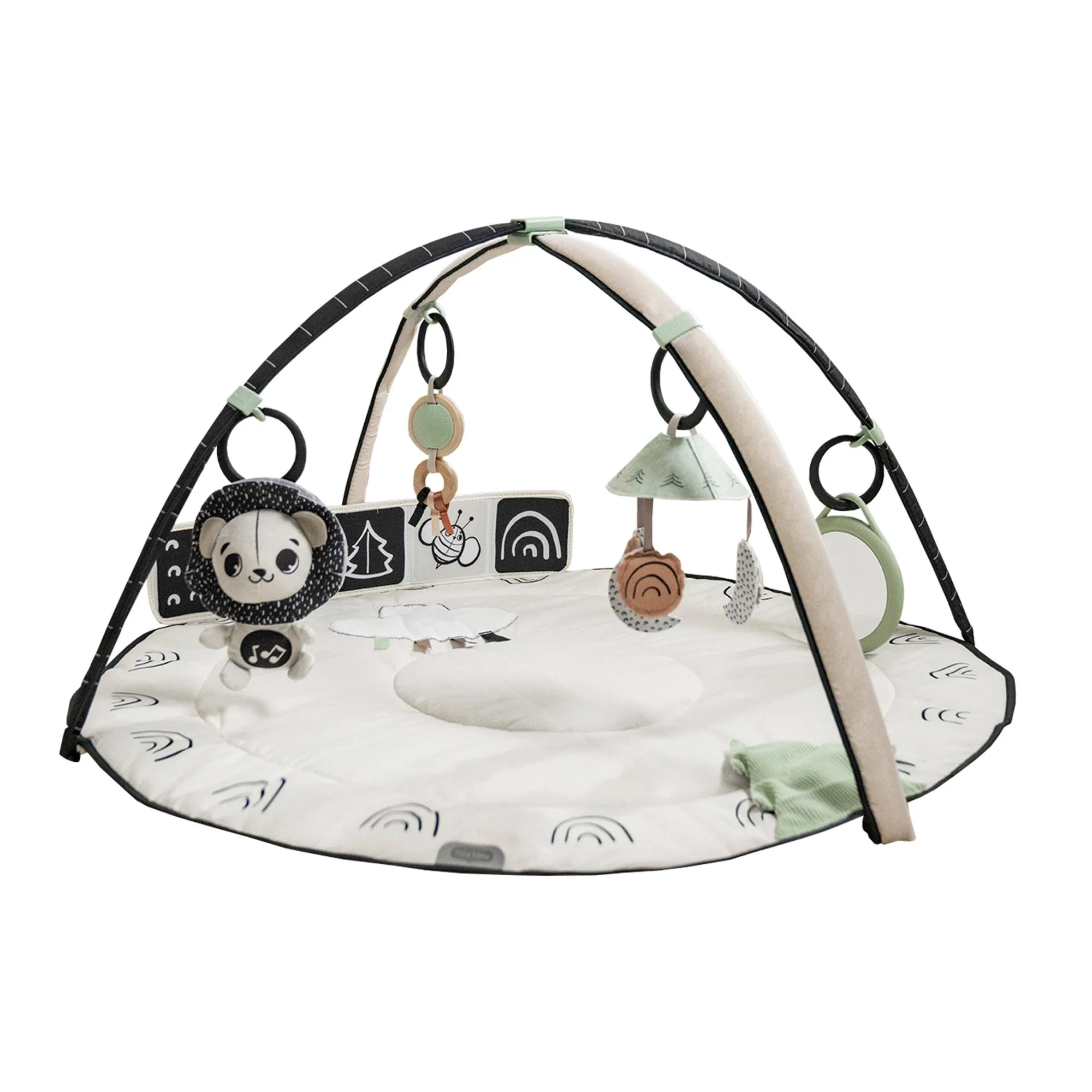
- Black & White Décor Developmental Gymini: Black & White Décor Developmental Gymini engages babies with visual, audio and tactile stimulation, encouraging the senses, motor development and cognitive skills. It features a responsive musical lion doll, geometric contrasting mobile, soft black and white take along book and tummy time mirror, with adjustable arches and sliding rings. The adjustable arches and sliding rings let you reposition toys as your baby's reach grows, so the same mat works from newborn tracking to sitting and grabbing. The tummy time mirror and take-along book add variety without extra purchases.
- Developmental Gymini - Unicorn Wonderlands Collection: Developmental Gymini - Unicorn Wonderlands Collection is a play mat and activity gym that engages with visual, audio, and tactile stimulation to support sensory, motor, and cognitive growth. It includes a crinkly musical comet, half-moon tummy time trainer, and easy-grip textured cloud, plus adjustable arches with sliding rings. The half-moon tummy time trainer gives a specific prop for supervised tummy time, which can make that position easier for babies who resist it. The easy-grip textured cloud targets grasping, a skill that comes before pulling to stand.
- Tiny Rocker Accordian Toy: Tiny Rocker Accordian Toy is packed with engaging features that open up a world of fun and music, while encouraging the development of your child's motor skills, senses, creativity and cognition, and inviting you to bond, communicate and enjoy some energetic beats together. This is a portable musical toy rather than a full activity center, so it fits the playmat stage or floor play. It supports cause-and-effect learning through music, which is the same cognitive skill an activity center tray targets, but without the upright containment.
Which should you choose?
Choose a playmat or Gymini if
- Your baby is not yet sitting steadily on their own
- You want one setup that adapts from newborn tracking to tummy time and grabbing
- You have floor space and can supervise floor play
Choose an activity center instead if
- Your baby is already pulling to stand and needs upright practice
- You need a contained play space for short, supervised sessions
- Your baby has outgrown the lie-down and tummy time stage