As a new parent, you're constantly looking for ways to support your baby's growth and keep them entertained. One popular option is the baby activity center—a stationary play station filled with toys, lights, and sounds designed to engage your little one. But with so many products on the market, you might wonder: are activity centers truly worth the investment for your baby's development?
In this article, we'll explore the key benefits of activity centers, how they support motor skills and cognitive growth, and what to look for when choosing the best play activity center. We'll also share practical tips for safe use and highlight some complementary products from Cosco Kids that can enhance your child's playtime routine.
What Is a Baby Activity Center and How Does It Work?
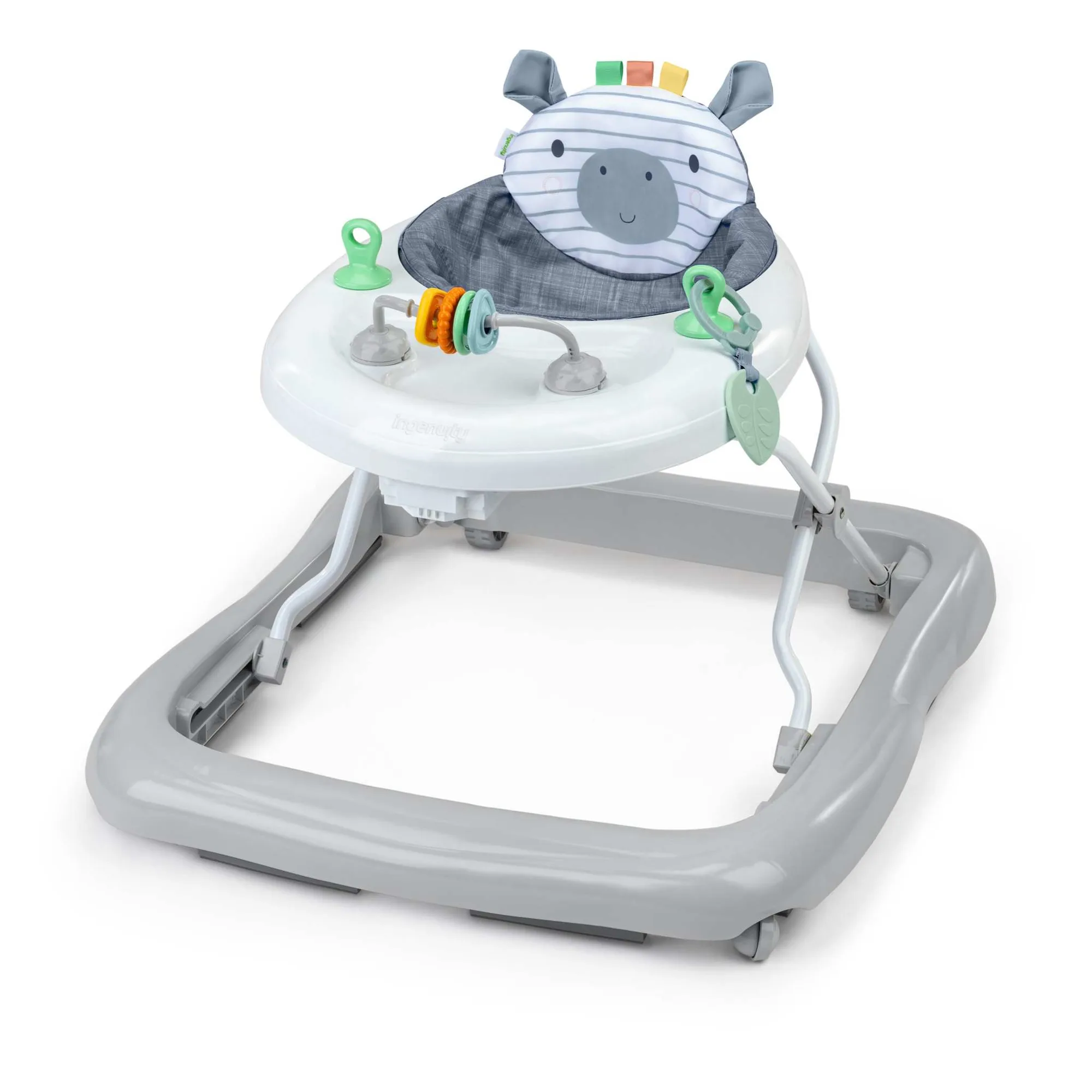
A baby activity center is a stationary play station that typically includes a seat with a tray or platform filled with interactive toys, mirrors, and sensory elements. Unlike walkers, activity centers are designed to keep your baby safely in one spot while they explore buttons, levers, and textures. Most models allow for height adjustment as your child grows, and many feature a 360-degree rotating seat so your baby can reach all the toys.
Activity centers are often recommended for babies who can sit up with support, usually around 4 to 6 months old. They provide a contained environment where your baby can practice reaching, grabbing, and batting at objects—all essential for developing hand-eye coordination and fine motor skills. The best play activity centers also incorporate music, lights, and sounds to stimulate auditory and visual senses.
- Look for an activity center with adjustable height settings to accommodate your growing baby.
- Choose a model with a removable toy tray for easy cleaning and versatility.
Key Developmental Benefits of Activity Centers
One of the primary benefits of a baby activity center is its ability to promote independent play. By giving your baby a safe space to explore, you encourage self-directed learning and problem-solving. The variety of toys and activities helps develop fine motor skills as your baby learns to grasp, push, pull, and spin objects. Many activity centers also include cause-and-effect toys—like buttons that light up or play music—which teach your baby that their actions have consequences.
Additionally, activity centers can support gross motor skills. While your baby is seated, they can practice bearing weight on their legs and bouncing, which strengthens leg muscles and prepares them for standing and walking. The rotating seat also encourages trunk rotation and balance. Some studies suggest that supervised play in activity centers can improve spatial awareness and visual tracking as babies follow moving toys.
- Rotate toys periodically to maintain your baby's interest and challenge their skills.
- Always supervise your baby during activity center use to ensure safety.
Choosing the Right Activity Center: What to Look For
When shopping for a baby activity center, safety should be your top priority. Look for a sturdy base that won't tip over, and ensure the seat is well-padded and easy to clean. Check that the toy tray is securely attached and free of small parts that could become choking hazards. Many parents also appreciate activity centers with a removable, machine-washable seat pad for easy maintenance.
Beyond safety, consider your baby's age and size. Some activity centers are designed for younger infants and have a lower weight limit, while others can accommodate toddlers up to 25 pounds or more. Adjustable height settings are a must so you can customize the seat as your baby grows. The best play activity centers also offer a variety of toys that engage different senses—think bright colors, different textures, and sounds. For a more versatile play experience, you might also consider pairing an activity center with a high chair that offers similar interactive features.
- Check the weight and age recommendations on the product label before purchasing.
- Look for activity centers with a wide base for added stability.
Activity Centers vs. Other Play Options: What's Best for Your Baby?
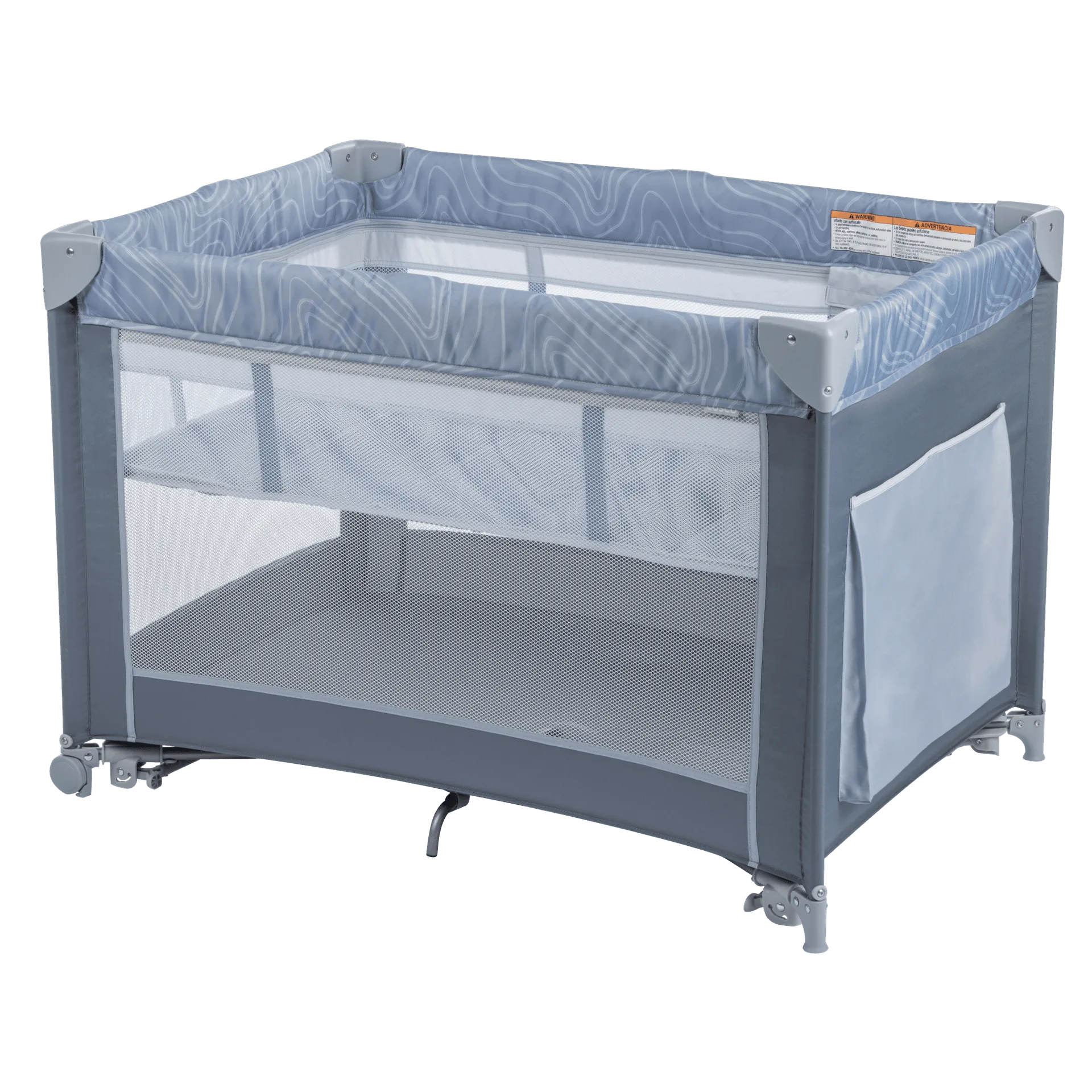
You might be wondering how activity centers compare to other play equipment like play yards, bouncers, or high chairs. While each has its own purpose, activity centers excel at providing a focused, interactive play experience that encourages fine motor development. Play yards are better for general containment and sleep, while bouncers are more for soothing and gentle motion. High chairs, on the other hand, are primarily for feeding, but some models like the Simple Fold High Chair offer a removable toy tray that can double as a play surface.
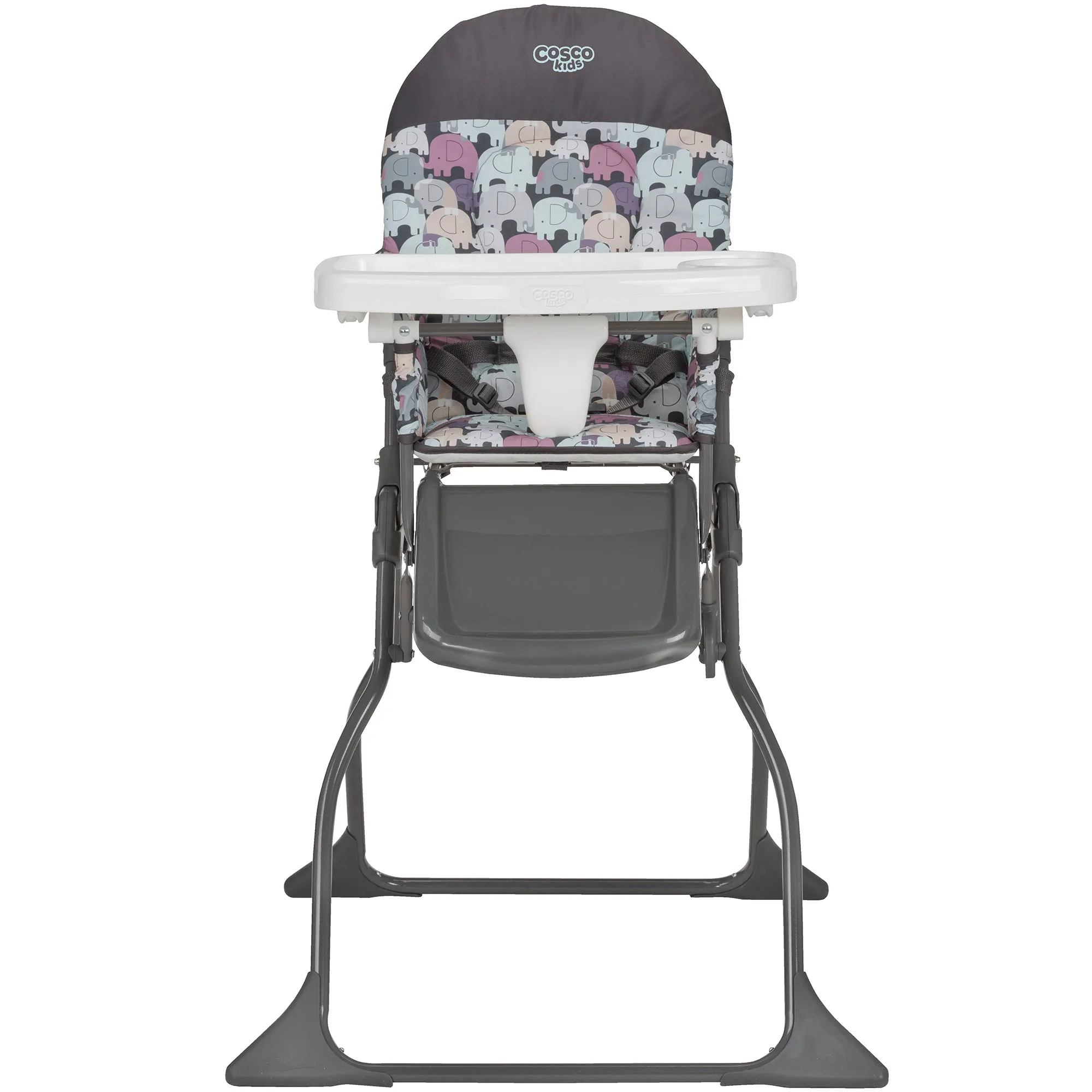
Simple Fold High Chair
If you're looking for a product that grows with your child, consider a convertible option. For example, some booster car seats can be used as a feeding seat and later as a travel seat, offering a different kind of versatility. However, for dedicated playtime, an activity center remains a top choice because it's designed specifically to engage your baby's senses and motor skills.
- Use an activity center for short, supervised play sessions (15-20 minutes at a time).
- Combine activity center time with floor play to ensure a variety of movement experiences.
Safety Tips for Using a Baby Activity Center
While activity centers are generally safe when used correctly, it's important to follow a few key guidelines. Always place the activity center on a flat, stable surface away from stairs, furniture edges, or cords. Never leave your baby unattended, even for a moment. Limit each session to no more than 20 minutes to prevent overstimulation and fatigue. As your baby grows, adjust the seat height to ensure their feet are flat on the floor when seated—this supports proper leg development.
Regularly inspect the activity center for loose parts, cracks, or wear. Clean the toy tray and seat pad frequently with mild soap and water, especially after meals or messy play. If your baby shows signs of discomfort or frustration, it's time for a break. Remember, activity centers are a supplement to—not a replacement for—tummy time, crawling, and other forms of active play.
- Check that all toys are securely attached and cannot be pulled off.
- Remove any hanging toys that could pose a strangulation risk.
Top Features to Look for in the Best Play Activity Center
When you're ready to purchase, keep an eye out for these standout features. A 360-degree rotating seat allows your baby to access all toys without straining. Interactive lights, music, and sounds keep your baby engaged and can be adjusted for volume or turned off. A removable toy tray is a huge plus for cleaning and can be used as a separate play surface. Some activity centers also come with a built-in mirror, which is great for self-discovery and social-emotional development.
Consider the overall footprint—if you have limited space, a compact foldable model might be best. Also, think about long-term use: some activity centers convert into a table and chair set for toddlers, extending their lifespan. While Cosco Kids offers a range of products like the Topside Booster and the Scenera Extend Convertible Car Seat, they also provide high chairs that can complement your baby's play area. For example, the Simple Fold High Chair is a versatile option that can be used for feeding and play.
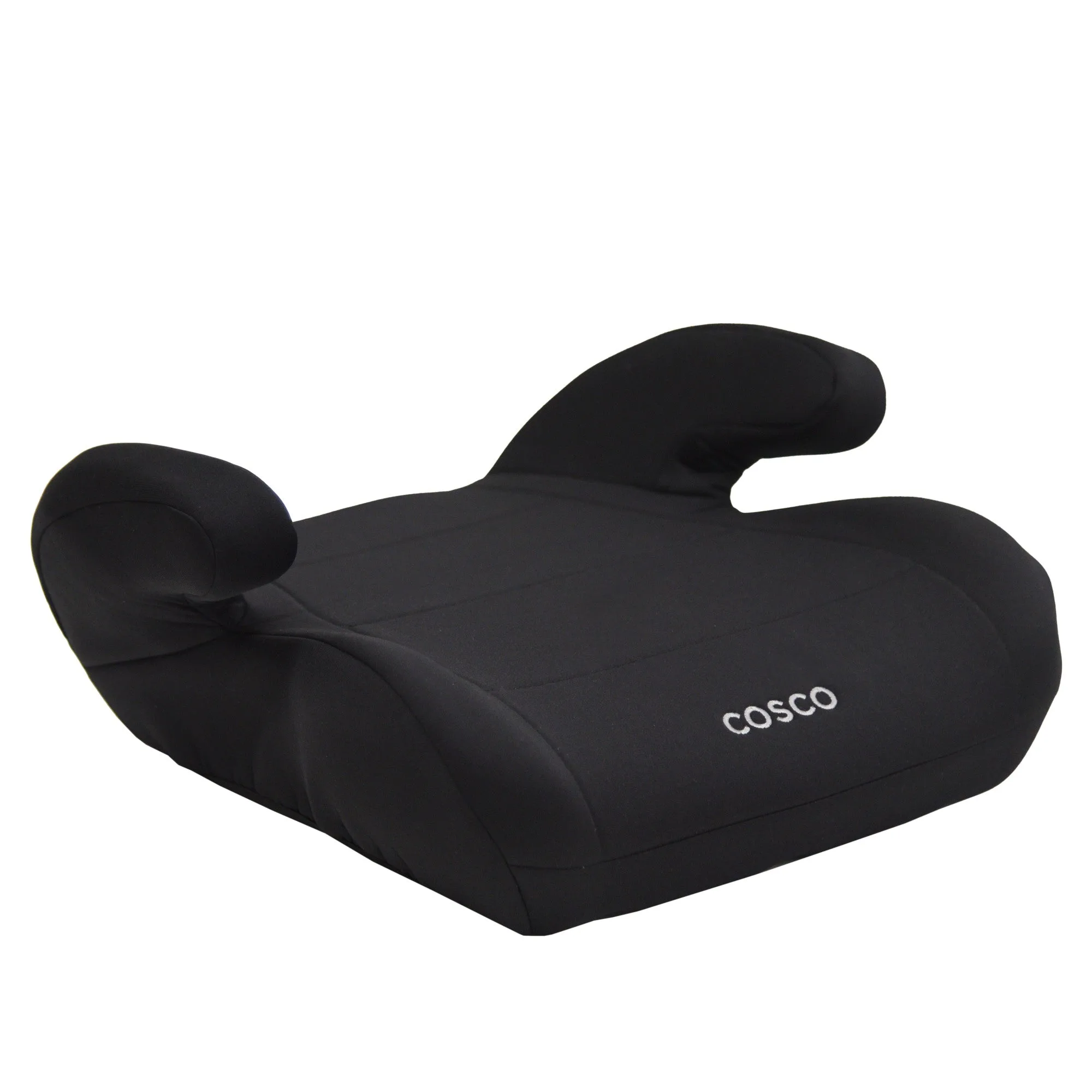
Topside Booster
- Look for a toy tray that can be removed and used as a separate play mat.
- Choose an activity center with a machine-washable seat pad for easy cleanup.
Ultimately, a baby activity center can be a valuable tool for supporting your child's development, offering a safe and stimulating environment for independent play. By choosing a model with adjustable features, engaging toys, and easy maintenance, you'll get the most out of your investment. For more baby gear that grows with your little one, explore the Simple Fold High Chair—a versatile option that combines feeding and play in one convenient design.