Quick answer
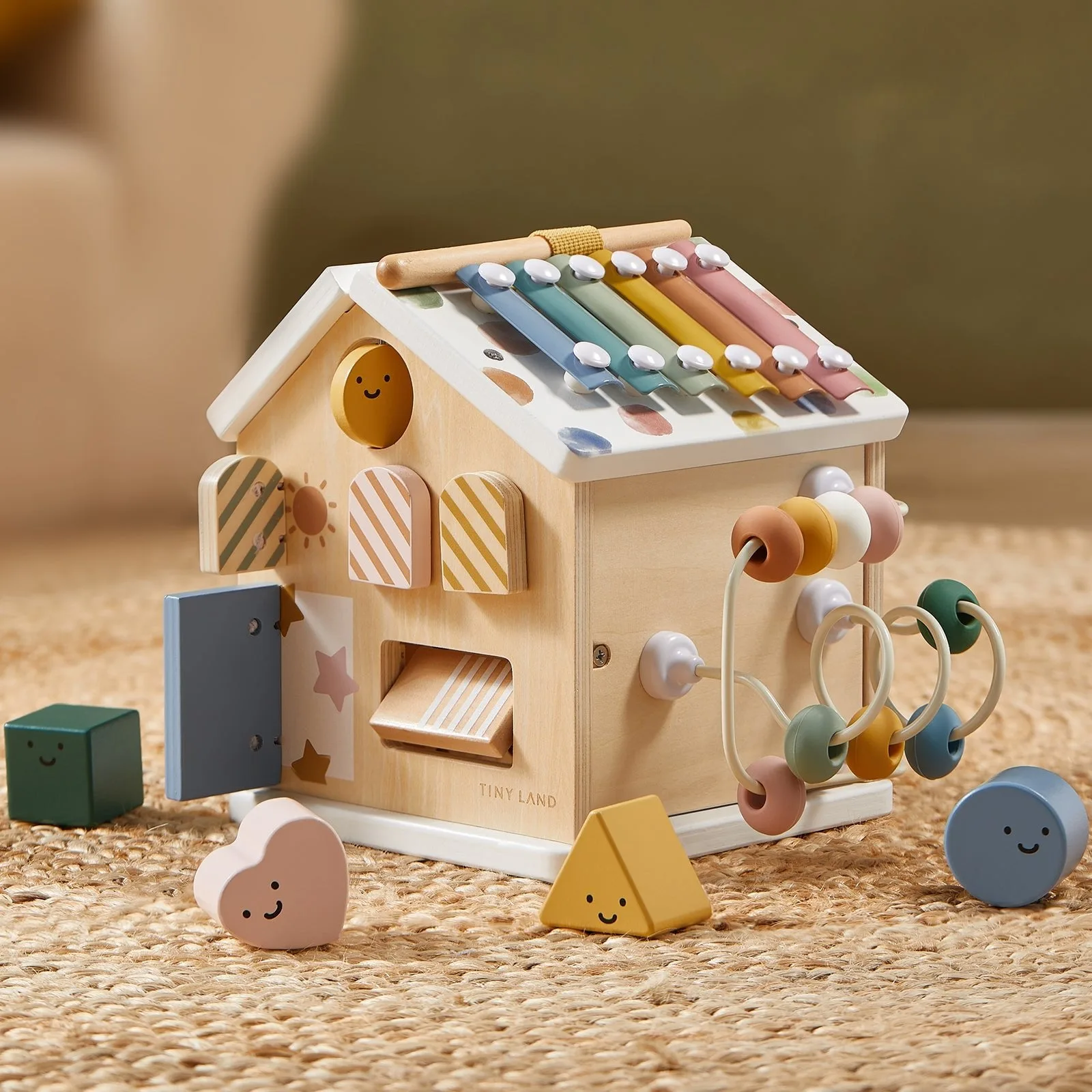
Buy the simplest cube your child can use safely right now, not the one with the most panels. For most families, a wooden activity cube with a bead maze on top and two to four side activities fits a 1-year-old better than a tall multi-panel tower. If your child is already standing and cruising, choose a cube that is stable enough to pull up on, or skip the cube and pick a different developmental toy.
Match the cube to the stage, not the age on the box
Age labels on activity cubes are rough guides. What matters is what your child can physically do this month: sit steadily, reach across the body, transfer an object between hands, or pull to standing. A sitting baby needs a low cube with activities they can reach without tipping forward. A crawler needs a cube that will not slide away on a wood floor. A cruiser needs weight at the base so the cube does not tip when they lean on it.
If your child is between stages, choose the smaller, lighter cube. It is easier to move out of the way, and it lets them use the toy without help. A cube that is too tall becomes a climbing hazard rather than a play object.
- Sitting baby: low cube, bead maze on top, one or two side activities within arm's reach.
- Crawler: check base weight and add a non-slip mat under the cube if it slides.
- Cruiser or early walker: prioritize a wide base and rounded edges over extra features.
Wooden or plastic: what actually changes day to day
A wooden activity cube is heavier, which helps it stay put during pull-up attempts and gives a more solid feel when a toddler bangs pieces together. The trade-off is weight and price: you will not toss it in a diaper bag, and a dropped cube can dent a floor or pinch a finger. Plastic cubes are lighter and often cheaper, but many slide easily and can feel flimsy once a toddler leans on them.
Neither material is automatically better. The practical question is where the cube will live. A cube that stays in one room can be wooden and heavy. A cube that travels between grandparents' houses is better light and plastic, or better yet, not a cube at all.
Count the activities, then cut the count in half
More panels do not mean more play. A developmental activity cube with six busy sides often overwhelms a 1-year-old, who will fixate on one or two mechanisms and ignore the rest. Cubes with fewer, chunkier activities tend to get used longer because each one is easy to succeed at.
Look for mechanisms a small hand can operate without wrist strength: a bead that slides on a thick wire, a door that opens with a chunky knob, a spinner that turns with a swipe. Avoid tiny knobs, tight latches, and anything that requires pinching until at least age two.
Check the safety details before you check the price
Run your hand over every edge and inside every opening. A cube for a 1-year-old should have no sharp corners, no gaps that can trap a finger, and no parts that can be pulled off with a firm tug. Bead maze wires should be firmly anchored at both ends; if a wire flexes at the base, the beads can eventually come loose.
Paint and finish matter too, especially because mouthing is normal at this age. If the listing does not state the finish or safety standard, treat that as missing information and ask the seller before buying. Do not assume a wooden cube is automatically mouth-safe just because it is wooden.
Where the cube fits in your toy rotation
An activity cube is a tabletop or floor toy, not a whole playroom. It works best as one station in a rotation: cube for fine motor practice, a push or pull toy for movement, and open-ended pretend play for language. If you already have a busy board or stacking toy, a cube may duplicate the same skills.
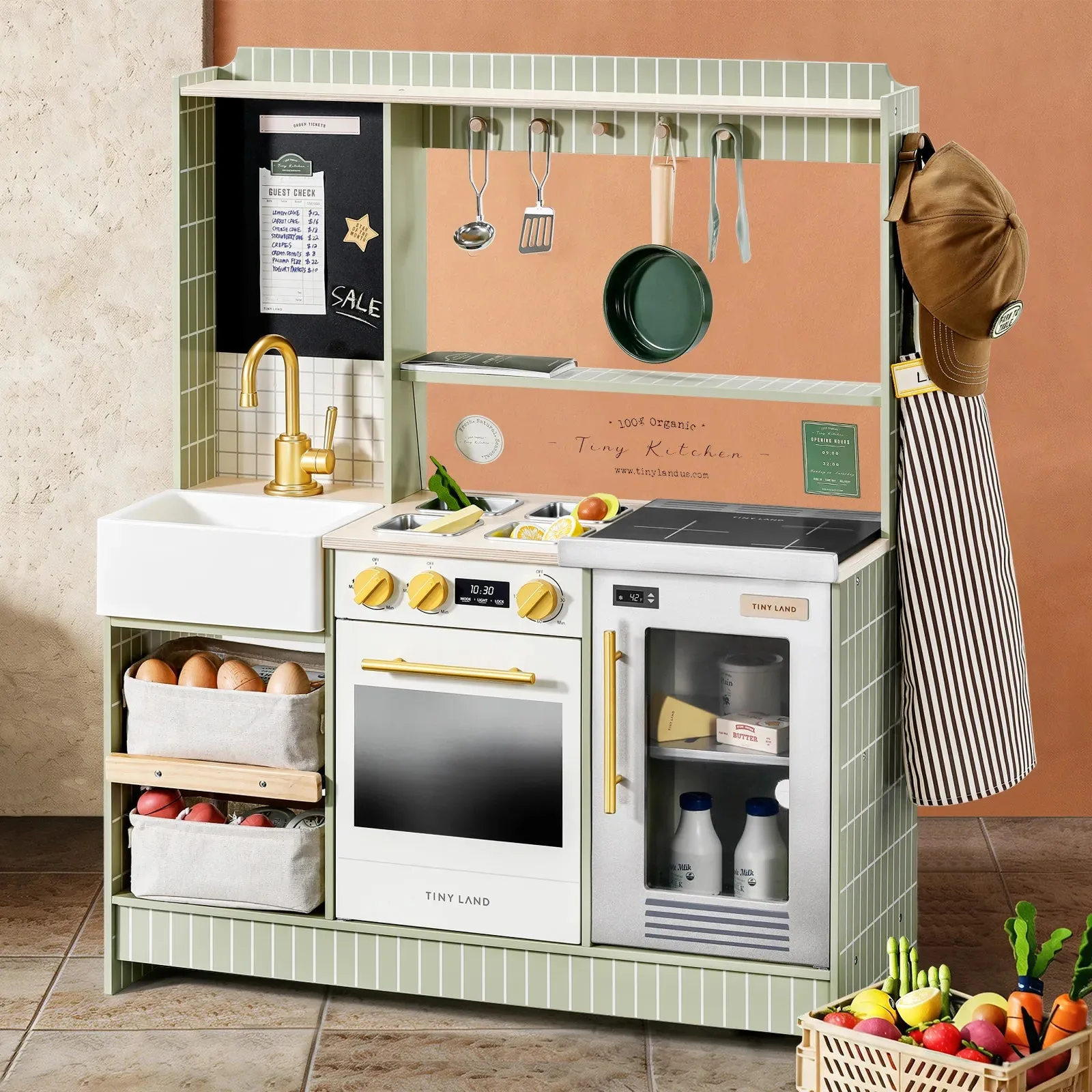
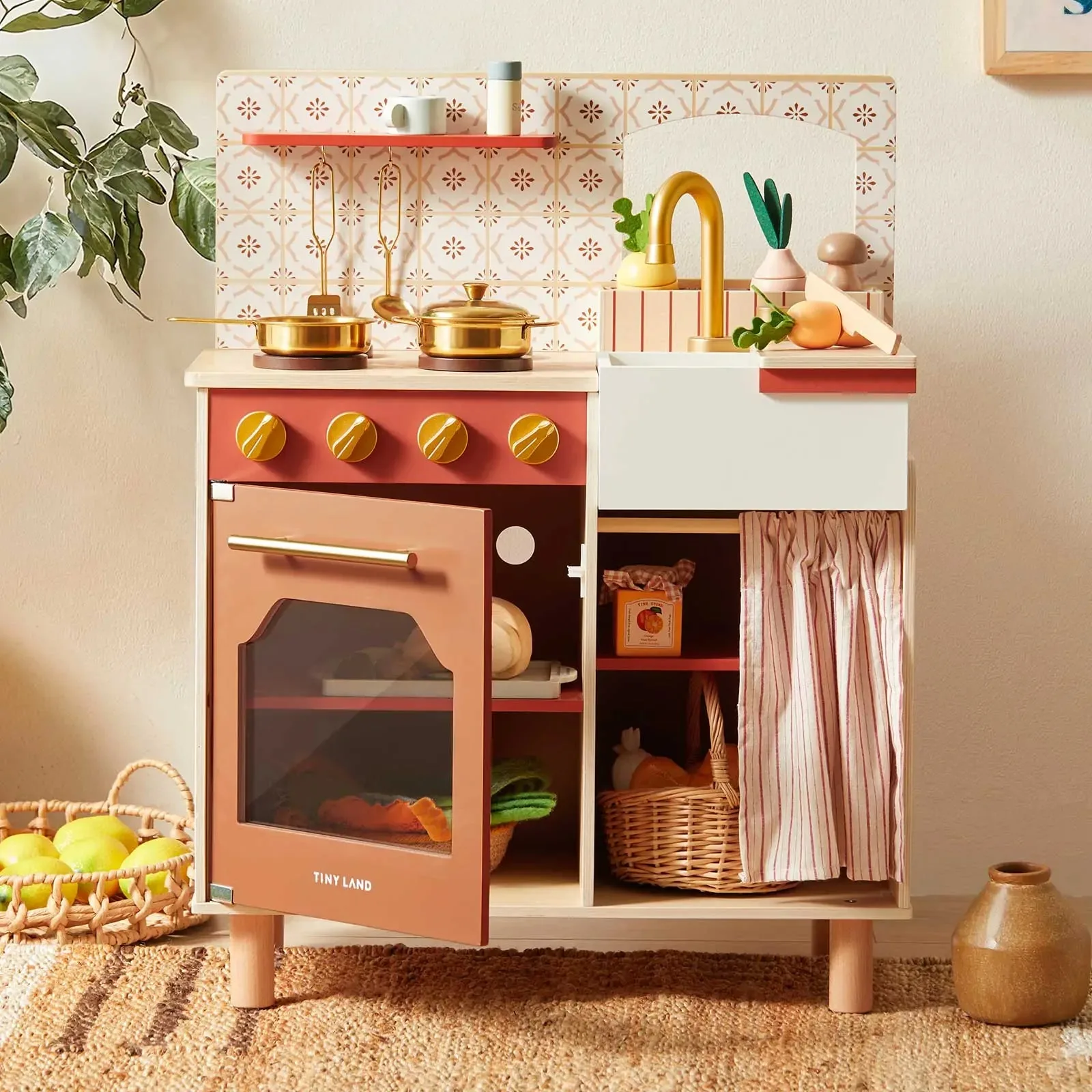
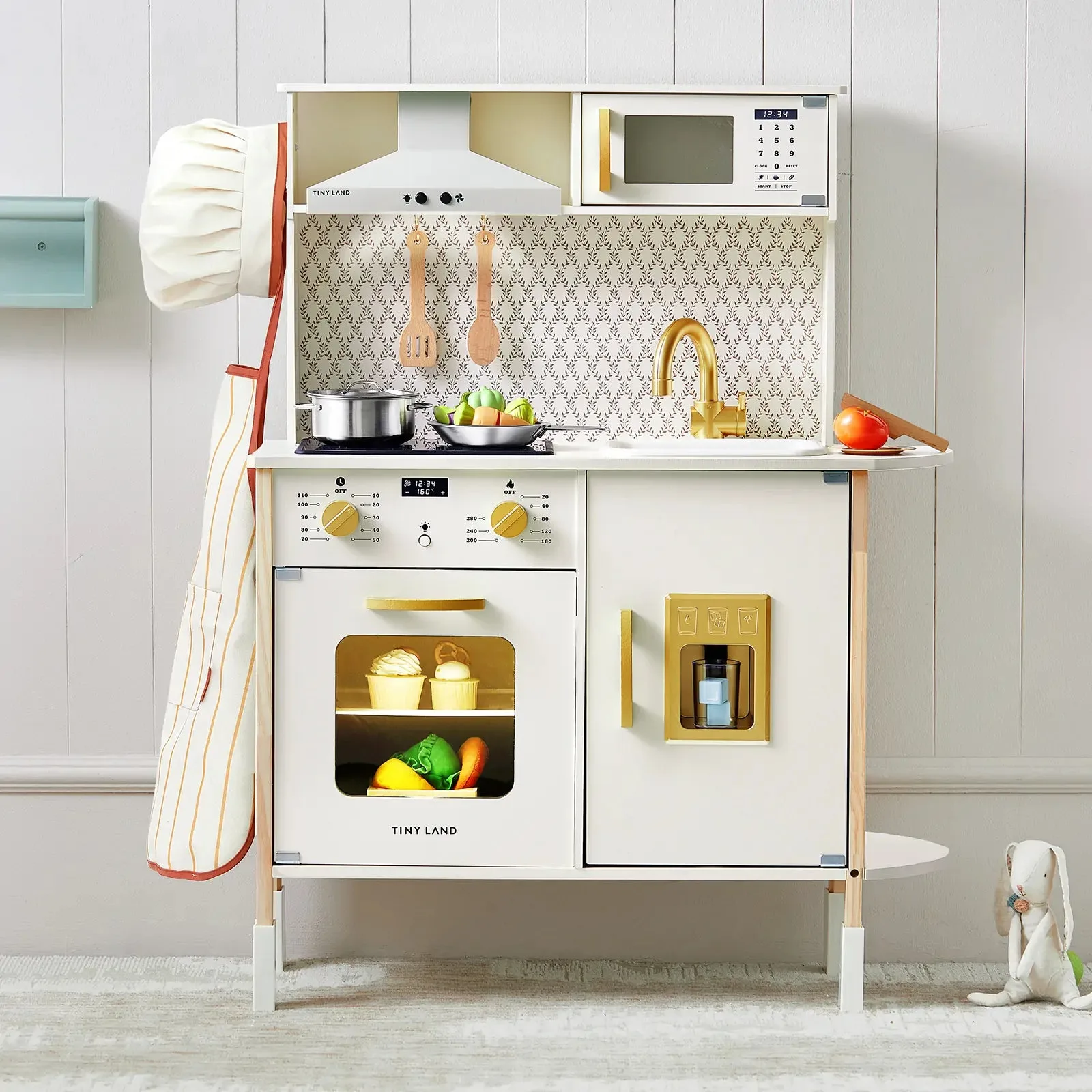
If your child is drawn to pretend cooking instead of mechanisms, a play kitchen setup will hold attention longer than a cube. If they are drawn to scooping and pouring, a sand toy set outdoors may be the better developmental match. The cube is the right buy only when your child enjoys seated, hands-on fiddling.
Decision rules for choosing an activity cube
- If your child cannot sit unassisted: Skip the cube for now. A cube requires trunk control to use without falling into it, and a propped baby will mostly chew the edges. Wait until sitting is steady, then buy the smallest cube you can find.
- If your child pulls to standing on furniture: Choose a cube with a wide, heavy base and no wheels, or place it against a wall. Test it by pressing down on one corner before your child does. Stability beats activity count at this stage.
- If your child ignores seated toys: Do not buy a cube hoping it will change their play style. Match the toy to the movement they already seek, such as a push toy or an outdoor sensory setup. A cube is a poor fit for a child who never sits still.
- If you are buying for a shared playroom: Pick a cube with a bead maze on top and simple side activities, and avoid models with small removable pieces that get lost between siblings of different ages. Fewer loose parts means fewer conflicts and less cleanup.
- If the listing omits finish or safety details: Ask the seller directly about paint, finish, and age rating. If you cannot get a clear answer, choose a different cube. Missing information is a reason to walk away, not to guess.
Products that show the same decision in practice
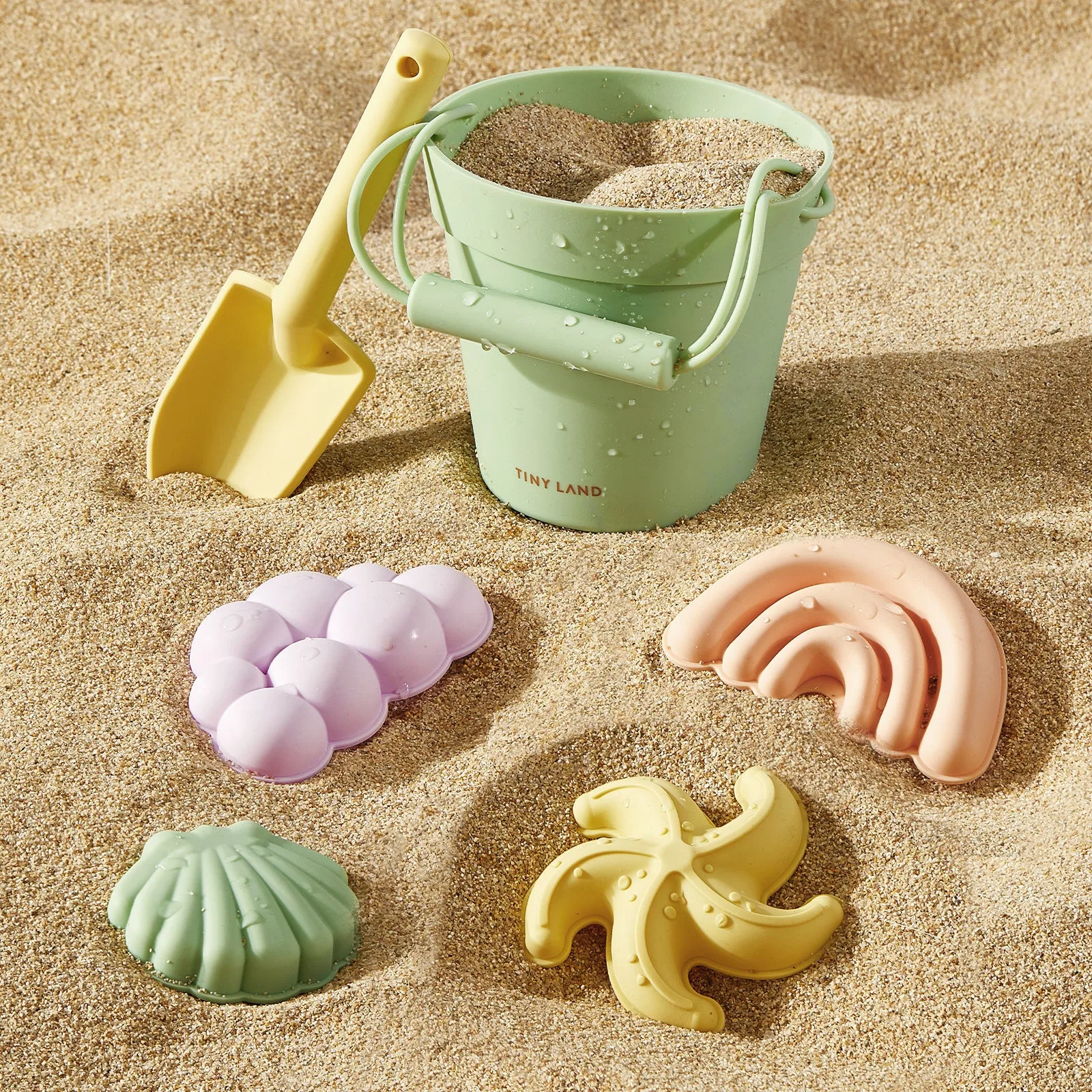
- Tiny Land® Sand-Buddies Sand Toy Set: Tiny Land® Sand-Buddies Sand Toy Set is built from durable silicone that bends without cracking for digging, pouring, molding, packing, and carrying. If your child's real interest is scooping and pouring rather than seated mechanisms, a flexible outdoor set supports that sensory play without the tipping risk of a cube.
- Tiny Land® Play Kitchen Accessories – Play Food for Play Kitchen: Wooden Cut and Play Food Toys: Tiny Land® Play Kitchen Accessories – Play Food for Play Kitchen includes a kid-safe toy knife, a sturdy cutting board, and a variety of fruits and vegetables for pretend kitchen prep. A child who prefers role-play over bead mazes will get more daily use from cut-and-play food than from a cube with activities they ignore.
- Tiny Land® Mud Kitchen - DuoPlay Outdoor Play Kitchen for Kids: Tiny Land® Mud Kitchen - DuoPlay Outdoor Play Kitchen for Kids combines cooking, water play, and sensory fun in an all-in-one outdoor setup with a 4L water tank. For a toddler who needs whole-body outdoor play rather than a tabletop toy, an outdoor kitchen covers sensory and motor development without the indoor tipping concern.
Who should buy an activity cube
Best for
- Babies who sit steadily and enjoy reaching, sliding, and turning small mechanisms
- Toddlers who like seated, hands-on fiddling for short stretches
- Families who want one compact fine-motor station rather than a large play structure
Not for
- Babies who cannot sit unassisted yet
- Children who mainly want to run, climb, and push rather than sit and manipulate
- Homes where the cube would sit on a hard floor without a non-slip mat and become a tipping risk