How Each Tool Approaches Back Pain
Both acupressure mats and foam rollers are popular tools for easing back pain, but they work in different ways. A foam roller is used for self-myofascial release—you roll your muscles over it to release tension and improve mobility. An acupressure mat, on the other hand, uses hundreds of plastic points to stimulate circulation and trigger endorphin release while you lie still. Understanding these differences helps you choose the right tool for your specific back pain needs.
What the ProsourceFit Acupressure Mats Offer
-
Acupressure Mat and Pillow Set: The ProsourceFit Acupressure Mat and Pillow set is a simple bed of 6,210 acupressure points that helps promote relaxation through natural recovery processes. For back pain, the mat covers your entire back as you lie down, and the included neck pillow adds targeted pressure for the upper spine and shoulders. This makes it a passive recovery tool—you simply lie still for 20 minutes.
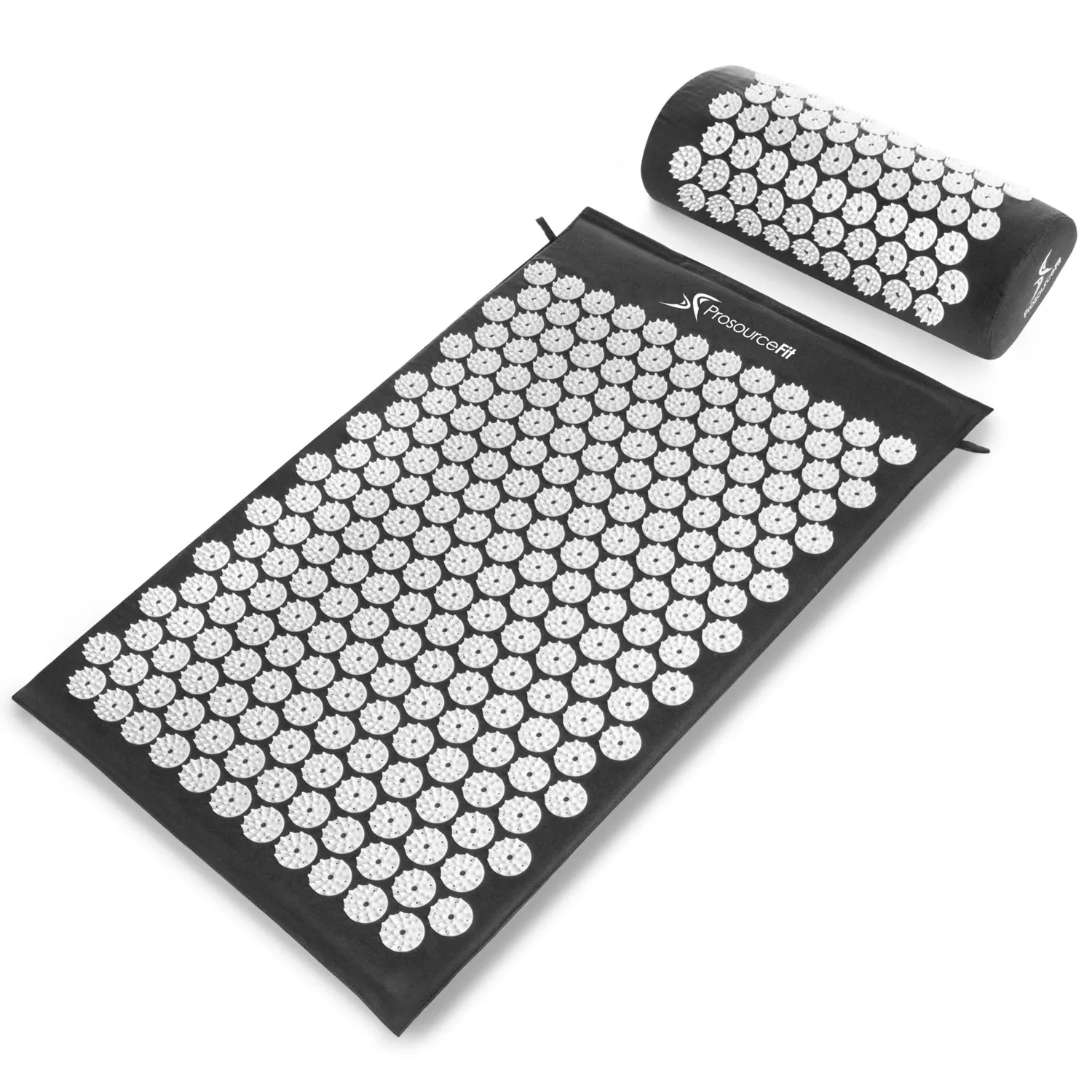
Acupressure Mat and Pillow Set
-
Full Body Acupressure Mat and Pillow Set: The ProsourceFit Full Body Acupressure Mat and Pillow Set is a simple bed of 11,178 acupressure points that helps promote relaxation through natural recovery processes. With nearly twice the points, the full-body mat provides more coverage and stimulation, which may be beneficial for those with broader back tension or who want a more intense acupressure experience without active movement.
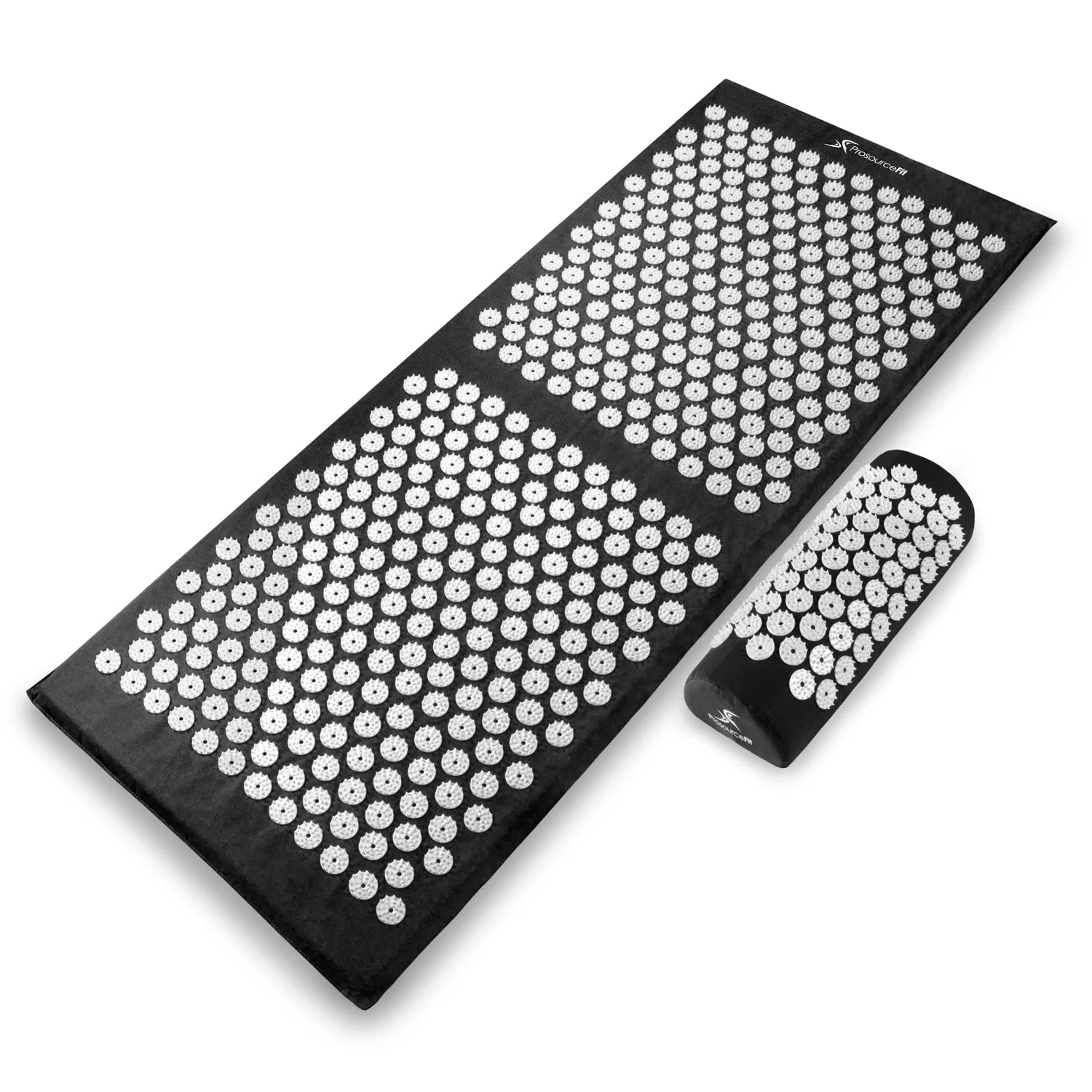
Full Body Acupressure Mat and Pillow Set
Acupressure Mat vs Foam Roller: Key Differences
Choosing between an acupressure mat and a foam roller depends on your approach to back pain relief. Below are the main differences based on how each tool is used and what evidence is available.
- Active vs Passive Use: A foam roller requires you to actively roll your back muscles over it, which can be effective for releasing tight spots but may be difficult if you have severe pain. An acupressure mat is passive—you lie down and let the points work. The supplied information confirms that you simply lie down for 20 minutes a day for a soothing experience.
- Target Areas: Foam rollers let you focus on specific muscles like the upper or lower back. Acupressure mats, based on the ProsourceFit models, cover your entire back at once, with the included pillow adding neck and upper spine support. The full-body mat offers more coverage than the standard mat.
- Intensity Control: With a foam roller, you control pressure by how much weight you put on it. With an acupressure mat, the sensation may feel intense at first—the full-body mat notes that most users quickly adjust and find it deeply soothing. You cannot vary pressure as easily, but the points are designed to be tolerable after a short adaptation period.
When an Acupressure Mat Makes Sense for Back Pain
If you prefer a hands-off, relaxing approach to back pain relief, an acupressure mat may be a good fit. The ProsourceFit mats are made from 100% high-quality thick cotton and plant-based eco foam, and they come with a neck pillow for added upper body support. The standard mat (6,210 points) is suitable for most back lengths, while the full-body mat (11,178 points) offers more coverage for taller individuals or those wanting a more immersive experience. Both are designed for daily use—just 20 minutes lying down.
When a Foam Roller May Be a Better Choice
A foam roller is better if you want to actively work on specific muscle groups, such as the lower back or glutes, or if you prefer to control the pressure and movement. While the supplied information does not include foam roller products, the comparison is useful: foam rollers require more effort and may be less comfortable for acute pain, but they offer targeted release that acupressure mats cannot provide. If your back pain is localized to a specific area, a foam roller might be more effective.
What the Evidence Does Not Settle
The supplied information does not include clinical studies or expert opinions on the effectiveness of either tool for back pain. Both rely on user-reported benefits. For acupressure mats, the evidence states that plastic points stimulate circulation to relieve aches and pains, release endorphins, increase energy, and help rejuvenate your body. Foam rollers are widely used for self-myofascial release, but no direct comparison data is available. Your choice should be based on your preferred method of use—active vs passive—and the specific areas of discomfort.