The short answer: same serum, two bottle sizes
PURA D'OR Advanced Peptide Face Serum comes in a 1 oz bottle and a 3.3 oz bottle. Both are listed as the same product type, a face serum in the skin care category, and both are offered in a Standard option. The real decision is not which formula to choose but which size matches how often you reach for serum.
At catalog prices, the 1 oz bottle is USD 22.49 and the 3.3 oz bottle is USD 49.60. The larger bottle costs more upfront but less per ounce, so the right pick depends on whether you want the lowest entry price or the lower cost per ounce over time.
What each size actually is
-
Advanced Peptide Face Serum 1 oz: Advanced Peptide Face Serum, 1 oz, Standard option, SKU 84490, catalog price USD 22.49. This is the smallest and least expensive way to try the serum or keep a single bottle in rotation.
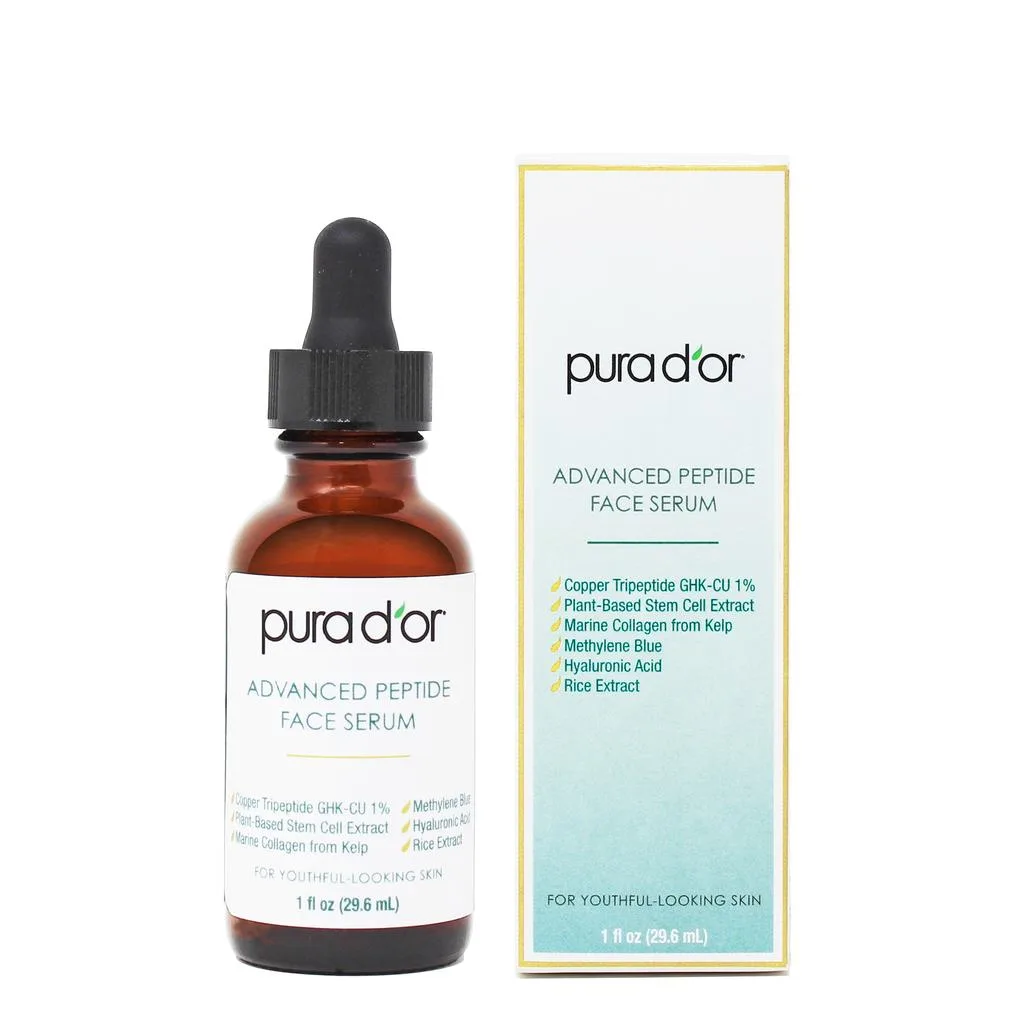
Advanced Peptide Face Serum 1 oz
-
Advanced Peptide Face Serum 3.3 oz: Advanced Peptide Face Serum, 3.3 oz, Standard option, SKU 84383, catalog price USD 49.60. This is the larger bottle, priced higher upfront but positioned for longer or more frequent use.
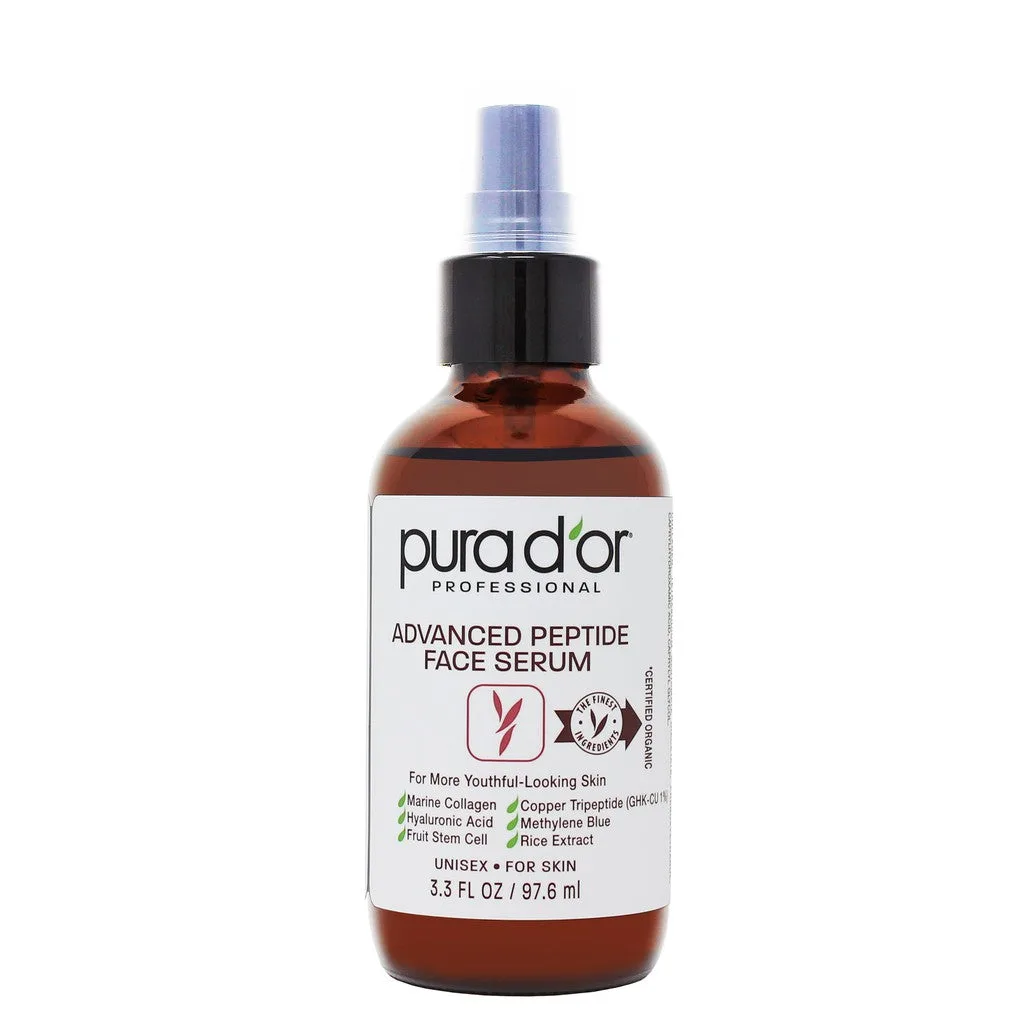
Advanced Peptide Face Serum 3.3 oz
Price and per-ounce value side by side
The table below uses only the supplied catalog prices and sizes. It does not assume discounts, shipping, or taxes.
- 1 oz bottle: USD 22.49 for 1 oz. Lowest upfront cost and the easiest size to store or travel with.
- 3.3 oz bottle: USD 49.60 for 3.3 oz. Higher upfront cost, but the larger volume spreads the price across more serum.
- Per-ounce comparison: At the listed prices, the 3.3 oz bottle costs less per ounce than the 1 oz bottle. The exact per-ounce figures are simple division of the catalog prices by the listed sizes.
How long a bottle lasts depends on your routine
The supplied product records do not include a recommended amount per use or a usage frequency, so there is no verified way to calculate exactly how many days a 1 oz or 3.3 oz bottle will last. Anyone who gives you a precise number of weeks without knowing your routine is guessing.
What you can do is estimate from your own habit. If you use one pump or a few drops once a day, a 1 oz bottle will obviously run out sooner than a 3.3 oz bottle used the same way. If you apply serum morning and night, or use it on your neck and chest as well as your face, the larger bottle becomes more practical. The 3.3 oz size is roughly three times the volume of the 1 oz size, so it is the better match for consistent, frequent use.
Choose the 1 oz bottle if...
- You are trying the serum for the first time: The 1 oz bottle at USD 22.49 is the lower-risk way to see whether the formula fits your routine before committing to the larger size.
- You want a bottle for travel or a small shelf: The 1 oz size takes up less space and is easier to pack than the 3.3 oz bottle.
- You rotate several serums: If you switch between products, a smaller bottle is less likely to sit unused for a long time.
Choose the 3.3 oz bottle if...
- You already know you will use it daily: The larger 3.3 oz bottle at USD 49.60 is the lower cost per ounce at catalog prices, so it makes sense when you are confident the serum will be part of your regular routine.
- You apply serum to more than your face: Using serum on the neck or chest uses more product per application, which favors the larger bottle.
- You prefer to restock less often: A larger bottle means fewer reorders, even though the upfront price is higher.
What the supplied information does not tell you
The product records confirm the brand, product type, sizes, SKUs, and Standard option, but they do not list the full ingredient list, a recommended application amount, a usage frequency, or any patch-test guidance. That means this comparison can help you choose a size, but it cannot tell you how the serum will behave on your skin or exactly how many weeks a bottle will last.
If you need those details before buying, check the product label or the brand's own directions rather than relying on a size comparison. For the size decision itself, the catalog facts are enough: the 1 oz bottle is the lower-cost entry point, and the 3.3 oz bottle is the better value per ounce for regular use.