Choosing the right manual coffee brewer can transform your morning routine. Two of the most popular methods—AeroPress and pour-over—each offer unique advantages, from speed and simplicity to flavor clarity and ritual. Whether you’re a busy professional or a weekend coffee enthusiast, understanding the differences helps you brew your perfect cup every day.
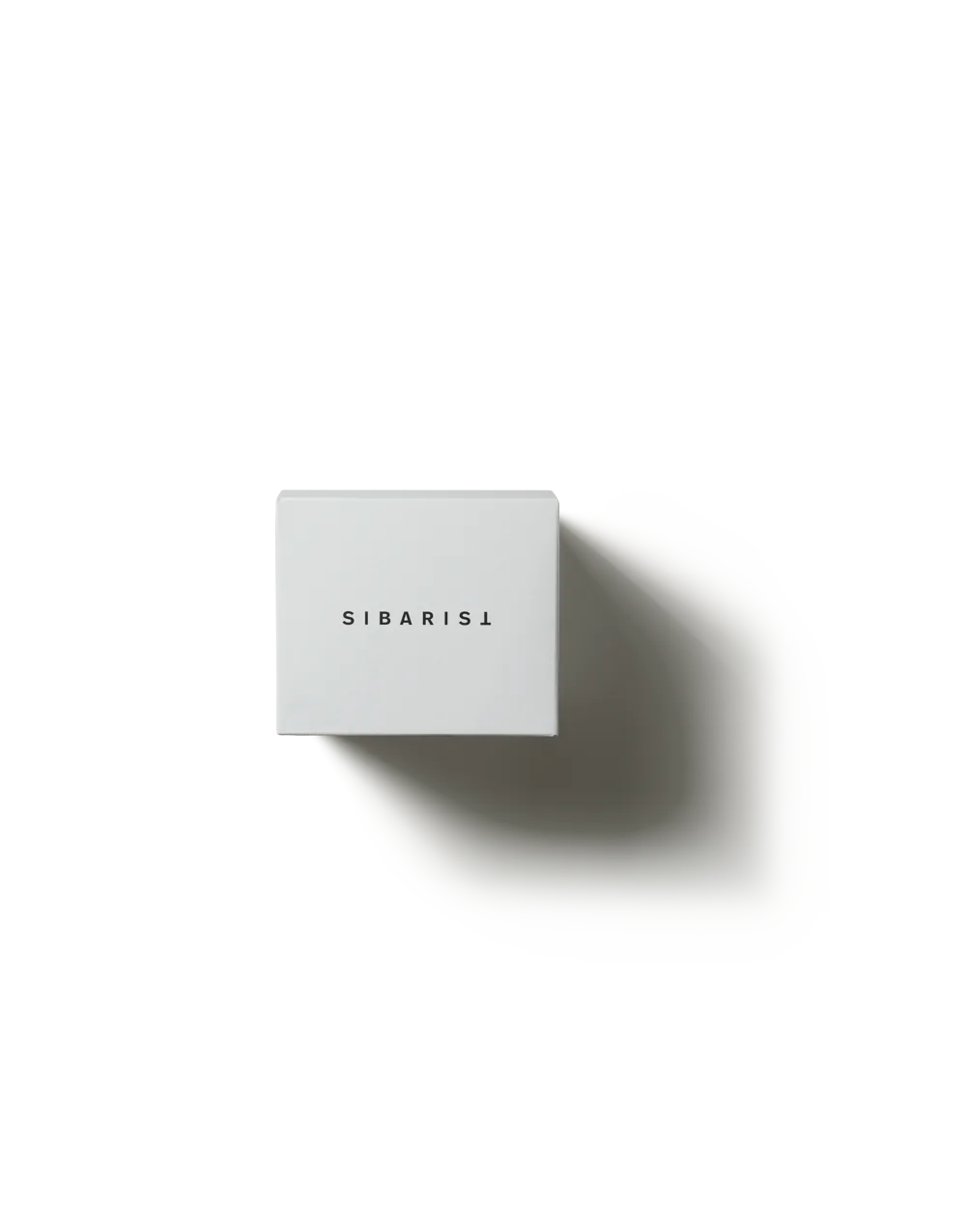
In this guide, we compare AeroPress vs pour-over across key factors: brew time, flavor profile, ease of use, cleanup, and versatility. We’ll also highlight essential accessories that can elevate your experience, such as the Sibarist Disc 63 FAST for AeroPress or a reliable pour-over dripper. By the end, you’ll know which method aligns with your lifestyle and taste preferences.
Brew Time and Convenience: Speed vs Ritual
The AeroPress is renowned for its speed. With a total brew time of under two minutes, it’s perfect for busy mornings when you need a quick, high-quality coffee. Simply add coffee and hot water, stir, press, and enjoy. The clean-up is equally fast—just eject the puck into the compost. For those who value efficiency without sacrificing flavor, the AeroPress is a standout choice.
Pour-over, on the other hand, is a more deliberate process. Methods like the Hario V60 or Chemex require a steady hand and patience—typically 3-5 minutes for a single cup. The ritual of slowly pouring water over fresh grounds can be meditative, making it ideal for weekends or slow mornings. If you enjoy the sensory experience of brewing, pour-over offers a rewarding, hands-on approach.
- AeroPress: Total brew time under 2 minutes, minimal cleanup.
- Pour-over: 3-5 minutes, requires attention and technique.
- Consider your morning schedule: speed or ritual?
Flavor Profile: Body, Clarity, and Acidity
AeroPress coffee is known for its full-bodied, smooth cup with low acidity. The immersion brewing method extracts oils and fine particles, resulting in a rich, almost espresso-like concentrate that can be diluted to taste. This makes it forgiving for different roast levels and grind sizes—ideal for experimenting with beans like the Turihamwe, which offers a complex, fruity profile that shines in a concentrated brew.
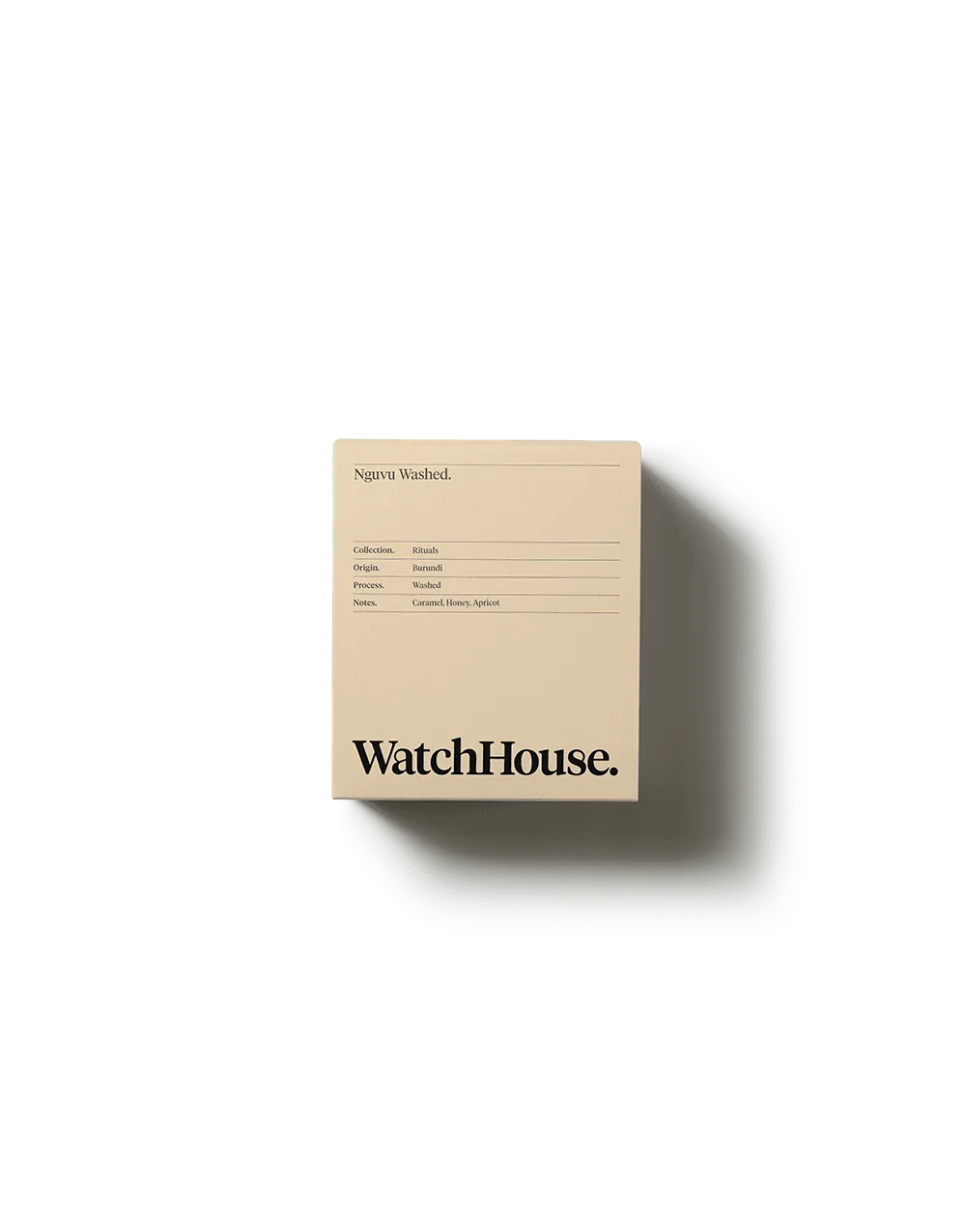
Pour-over excels at producing a clean, bright cup with pronounced clarity and acidity. The paper filter removes most oils and sediment, highlighting subtle tasting notes. This method is perfect for single-origin coffees where you want to taste every nuance. A light roast like Nguvu Washed, with its floral and citrus notes, truly comes alive when brewed with a precise pour-over technique.
- AeroPress: Full body, low acidity, smooth and rich.
- Pour-over: Clean, bright, high clarity and acidity.
- Match the method to your preferred flavor profile.
Versatility and Accessories: Expanding Your Brewing Options
The AeroPress is incredibly versatile—you can brew standard coffee, American-style, or even a concentrated shot for lattes. With the Sibarist Disc 63 FAST, you can achieve faster flow rates and more consistent extractions, turning your AeroPress into a precision brewing tool. This accessory is a game-changer for those who want to fine-tune their recipe without switching to a different brewer.
Pour-over systems also offer plenty of room for customization. From gooseneck kettles to scale-timed pours, the gear can quickly multiply. A quality coffee server, like the Kinto Coffee Server, not only catches your brew but also keeps it warm and looks elegant on your counter. Whether you prefer ceramic, glass, or metal drippers, pour-over enthusiasts love building a curated setup.
- AeroPress + Sibarist Disc 63 FAST: Faster flow, more control.
- Pour-over + Kinto Coffee Server: Elegant serving and heat retention.
- Both methods allow for significant customization with the right accessories.
Cleanup and Maintenance: Which Is Easier?
AeroPress wins hands down for cleanup. After brewing, you simply pop out the coffee puck and rinse the chamber—no scrubbing, no paper filters to dispose of (if using a reusable filter). The entire process takes seconds. This low-maintenance aspect makes it a favorite for travelers and office workers who want great coffee without the mess.
Pour-over requires a bit more care. Paper filters need to be rinsed before brewing to remove paper taste, and the dripper must be washed after each use. Glass or ceramic drippers are easy to clean, but the process adds a couple of minutes. However, many coffee lovers find the ritual of cleaning their gear part of the overall experience.
- AeroPress: Quick ejection, rinse, and done.
- Pour-over: Rinse filter, wash dripper, wipe down.
- Consider your tolerance for post-brew chores.
Cost and Long-Term Value
Both methods are affordable compared to espresso machines. A basic AeroPress costs around $30-40, while a quality pour-over dripper (like a Hario V60) is similarly priced. The real investment comes in the accessories: a good grinder, scale, and kettle. Over time, the cost per cup is very low, especially if you buy whole beans in bulk.
For those who love variety, a subscription service like the Roaster's Spotlight Subscription delivers fresh, rotating single-origin coffees to your door, making both brewers even more enjoyable. Whether you choose AeroPress or pour-over, investing in fresh beans and quality gear pays off in every cup.
- AeroPress: $30-40, minimal accessories needed.
- Pour-over: $20-50 for dripper, plus kettle and scale.
- Long-term value depends on how often you upgrade gear.
Ultimately, the choice between AeroPress and pour-over comes down to your morning priorities. If speed, simplicity, and a full-bodied cup matter most, the AeroPress is your perfect partner. If you crave a meditative ritual and the cleanest, most nuanced flavors, pour-over will reward your patience. Whichever you choose, start with fresh, high-quality beans—like those in our Roaster's Spotlight Subscription—to unlock the full potential of your brewing method.