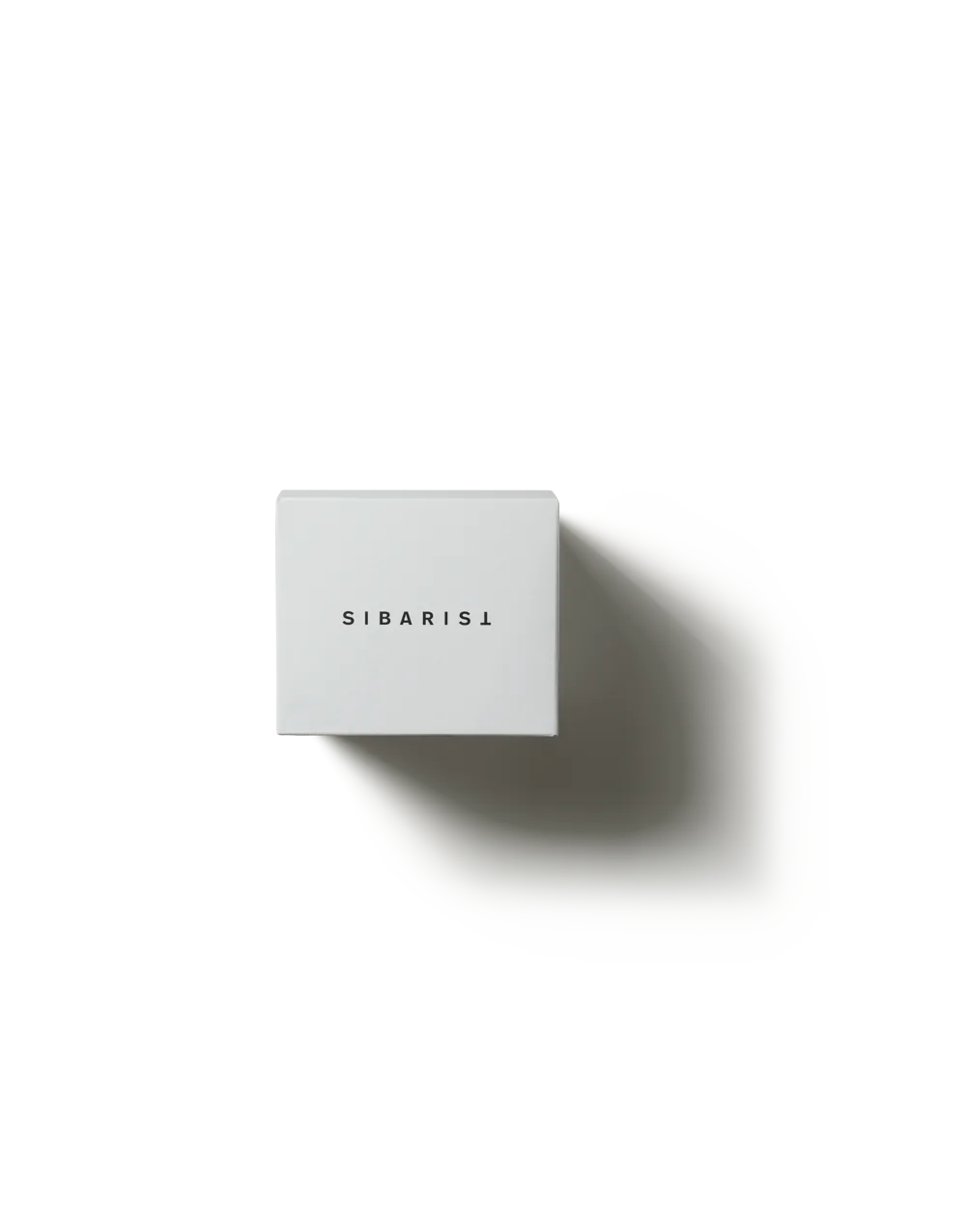
The AeroPress is already a versatile brewer, but the accessories market has exploded with upgrades promising even better results. One of the most talked-about is the Sibarist Disc 63 filter papers, designed specifically for the AeroPress. They're thinner, faster, and come at a premium price. But do they actually improve your cup? We put them through a side-by-side test to find out.
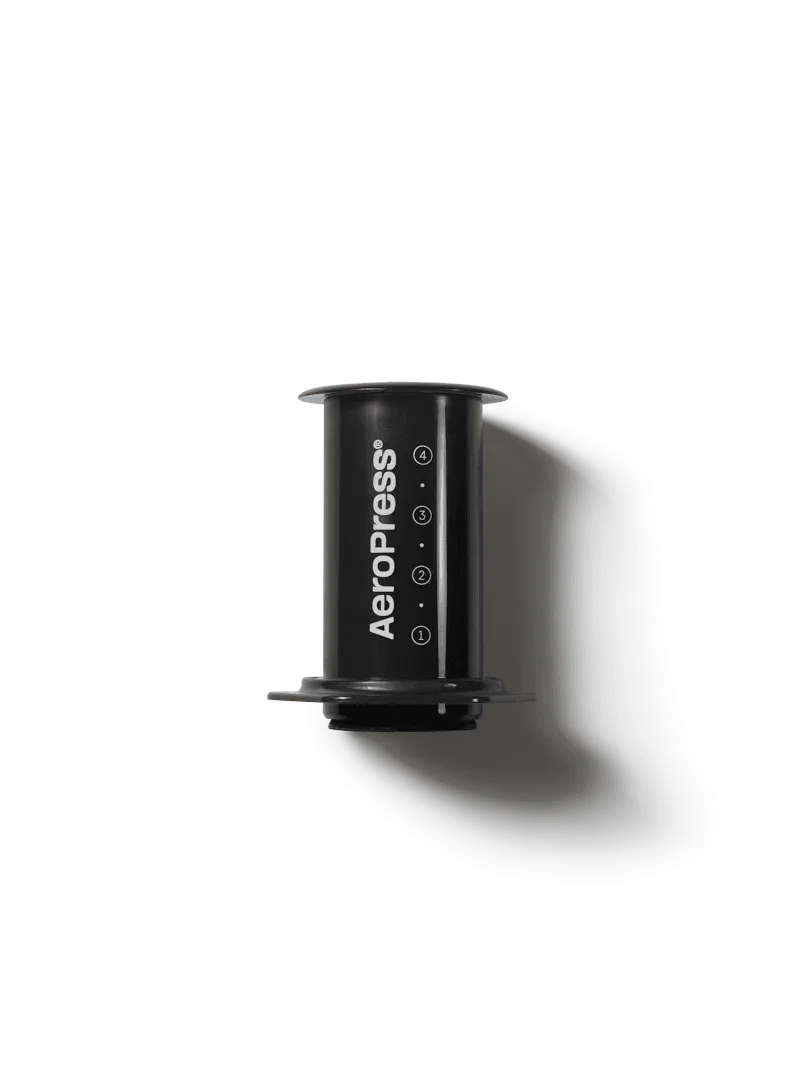
AeroPress.
If you're an AeroPress enthusiast looking to refine your brew, you've likely seen the Sibarist Disc 63 Aeropress papers. These are not your standard paper filters. They're made with a finer, more consistent pore structure that claims to reduce clogging and deliver a cleaner cup. But with a higher cost per filter, it's worth asking: is this an essential upgrade or just a nice-to-have? Let's break it down.
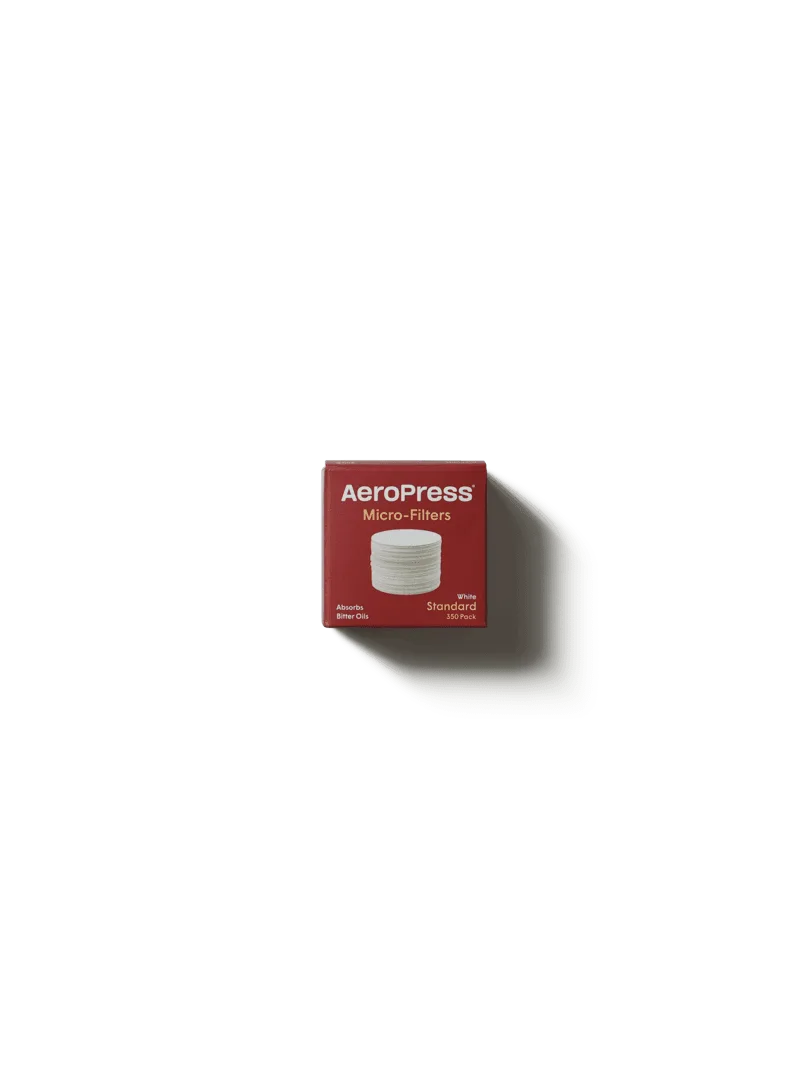
Aeropress papers.
What Makes Sibarist Disc 63 Different?
Standard AeroPress filters are thick paper discs that do a decent job, but they can sometimes slow down the plunge and trap some of the finer coffee oils. The Sibarist Disc 63 papers are much thinner—about 0.3 mm—and have a tighter, more uniform pore structure. This means water passes through faster, reducing the chance of over-extraction and bitterness. The result is a cleaner, brighter cup with more clarity, especially noticeable with light-roast coffees.
The Sibarist filters also come in a 63 mm diameter, which is slightly larger than the standard AeroPress filter. This ensures a perfect seal in the cap, preventing any bypass. They're made in Germany and are bleached using an oxygen-based process, so there's no papery taste. For those who want to get the most out of their AeroPress, especially when brewing single-origin beans like Rwamatamu, these filters can highlight subtle fruity and floral notes that might get muted with standard paper.
- Thinner material speeds up plunge time, reducing the risk of bitterness.
- Consistent pore structure improves clarity and highlights delicate flavors.
- Oxygen-bleached to avoid paper taste interference.
The Brew Test: Standard vs. Sibarist
To test the difference, we brewed two identical recipes using the same coffee—a light-roast Rwamatamu from WatchHouse—and the same grind size on the WatchHouse Comandante C40 MK4 Grinder. One used a standard AeroPress paper filter, the other used the Sibarist Disc 63. We used the inverted method with a 1:15 ratio, 30-second bloom, and a 90-second steep before plunging.
The first noticeable difference was the plunge. The Sibarist filter offered significantly less resistance, finishing the plunge in about 15 seconds compared to 25 seconds with the standard filter. In the cup, the Sibarist brew was visibly clearer, with less sediment. Taste-wise, the Sibarist cup was brighter and more acidic, with pronounced citrus and floral notes. The standard filter produced a slightly heavier body but also a faint papery aftertaste. For those chasing clarity, the Sibarist is a clear winner.
- Faster plunge time with Sibarist reduces extraction variability.
- Clearer cup with less sediment and brighter acidity.
- Standard filter yields more body but can have a papery note.
Is It Worth the Upgrade?
The Sibarist Disc 63 papers cost about three to four times more per filter than standard AeroPress filters. For daily brewing, that adds up. However, if you're a coffee enthusiast who values clarity and wants to experience the full flavor spectrum of high-quality beans, the investment can be worthwhile. They're especially good for light roasts and delicate single origins, where every nuance matters.
That said, not everyone will notice a dramatic difference. If you typically brew darker roasts or use a metal filter, the upgrade might be less impactful. The Sibarist filters also require a bit more care when handling because they're thin and can tear if you're not gentle. For most AeroPress users, they're a nice specialty item rather than an everyday essential. But for those who want to push their AeroPress to its limits, they're a fantastic tool.
- Best for light roasts and single-origin coffees where clarity matters.
- Higher cost per filter may not justify the difference for darker roasts.
- Handle with care—thin filters can tear if not placed gently.
How to Use Sibarist Disc 63 Papers with Your AeroPress
Using the Sibarist filters is straightforward, but a few tips can help you get the best results. First, always rinse the filter with hot water before brewing to remove any static and preheat the brewer. Because the filter is thin, it can stick to your fingers, so wetting it makes it easier to center in the cap. Make sure the filter sits flat and the cap is screwed on firmly to avoid any bypass.
For best results, pair the Sibarist papers with a quality grinder like the WatchHouse Comandante C40 MK4 Grinder to ensure uniform particle size. A slightly coarser grind than usual can also help prevent clogging, though the Sibarist filters are already less prone to that. Experiment with your recipe—many users find they can reduce steep time by 10-20 seconds because of the faster flow. The Aeropress x Sibarist combination is a match made for clarity.
- Always rinse the filter with hot water before use.
- Use a consistent, quality grind—the Comandante C40 is ideal.
- Consider reducing steep time to balance extraction with faster flow.
The Sibarist Disc 63 papers are a genuine upgrade for AeroPress users who prioritize clarity and brightness in their coffee. They're not essential for everyone, but for light-roast lovers and those who enjoy the nuanced flavors of single-origin beans like Rwamatamu, they're a worthwhile investment. If you're already using quality gear like the WatchHouse Comandante C40 MK4 Grinder, these filters can help you get even more out of your brew. Just be prepared for the higher cost and handle them with care.