It's 3 PM, your eyelids feel heavy, and your brain seems to be moving through molasses. The afternoon slump is a near-universal experience, and most people reach for a second cup of coffee or an energy drink to push through. But is caffeine really the best solution for that midday energy dip? Or could the real culprit be something simpler—like dehydration?
In this science-backed guide, we'll break down the difference between hydration and caffeine for fighting the afternoon slump, and help you choose the right strategy for sustained energy, focus, and productivity.
Understanding the Afternoon Slump: Why Your Energy Crashes
The afternoon slump typically hits between 1 PM and 4 PM, driven by your body's natural circadian rhythm. After lunch, blood flow shifts to your digestive system, and your internal clock triggers a dip in alertness. But dehydration amplifies this effect. Even mild fluid loss—as little as 1-2% of body weight—can lead to fatigue, brain fog, and reduced concentration. Before you blame your lunch or your workload, consider whether you've been drinking enough water throughout the morning.
Many people mistake thirst for hunger or tiredness. When you're dehydrated, your blood volume drops, making your heart work harder to deliver oxygen and nutrients to your brain and muscles. This metabolic strain directly contributes to that sluggish feeling. So, the first step in tackling the afternoon slump is to rule out dehydration—and that's where electrolytes come into play.
- Tip: Keep a water bottle on your desk and set a reminder to sip every hour. Add a packet of electrolytes to your afternoon water for faster rehydration.
Hydration First: Why Electrolytes Are Your Brain's Best Friend
When you're dehydrated, your brain actually shrinks slightly, and cognitive performance takes a hit. Studies show that even mild dehydration impairs short-term memory, attention, and mood. Rehydrating with plain water helps, but adding electrolytes—like sodium, potassium, and magnesium—speeds up fluid absorption and helps maintain electrical signaling in your nerves and muscles.
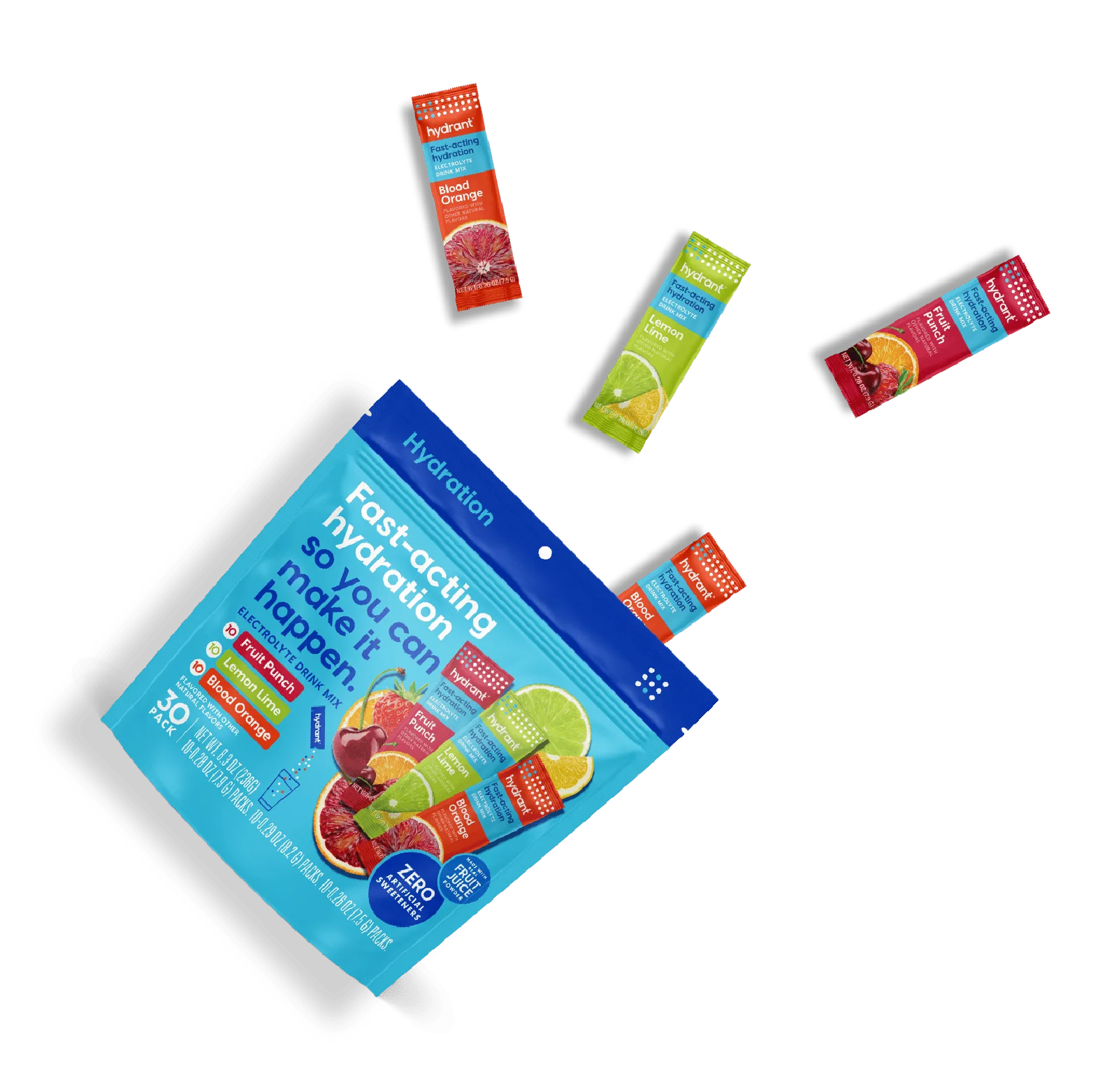
Electrolytes also support energy production at the cellular level. Magnesium, for instance, is a cofactor in over 300 enzymatic reactions, including those that generate ATP (your body's energy currency). If you're prone to afternoon slumps, a hydration boost with a balanced electrolyte blend—like the one found in Hydrate—can restore your energy without the crash that often follows caffeine. It's a clean, sustainable way to lift your focus and fight fatigue.
When Caffeine Helps (and When It Backfires)
Caffeine is a powerful stimulant that blocks adenosine, the neurotransmitter that makes you feel sleepy. That's why a cup of coffee can feel like a lifesaver at 3 PM. But timing matters: caffeine has a half-life of about 5 hours, meaning a late-afternoon coffee can interfere with your sleep quality that night. Poor sleep then sets you up for an even worse slump the next day—a vicious cycle.
Additionally, caffeine is a mild diuretic, which can contribute to dehydration if you're not already well-hydrated. If you reach for caffeine while dehydrated, you may get a temporary energy spike followed by a deeper crash. The key is to combine caffeine with proper hydration—or choose a product that delivers both, like Hydrant ENERGY | Lemon Squeeze. This jitter-free energy blend pairs caffeine with L-theanine, an amino acid that promotes calm focus, and includes electrolytes to keep you hydrated. It's a smarter way to get your afternoon boost without the downsides.
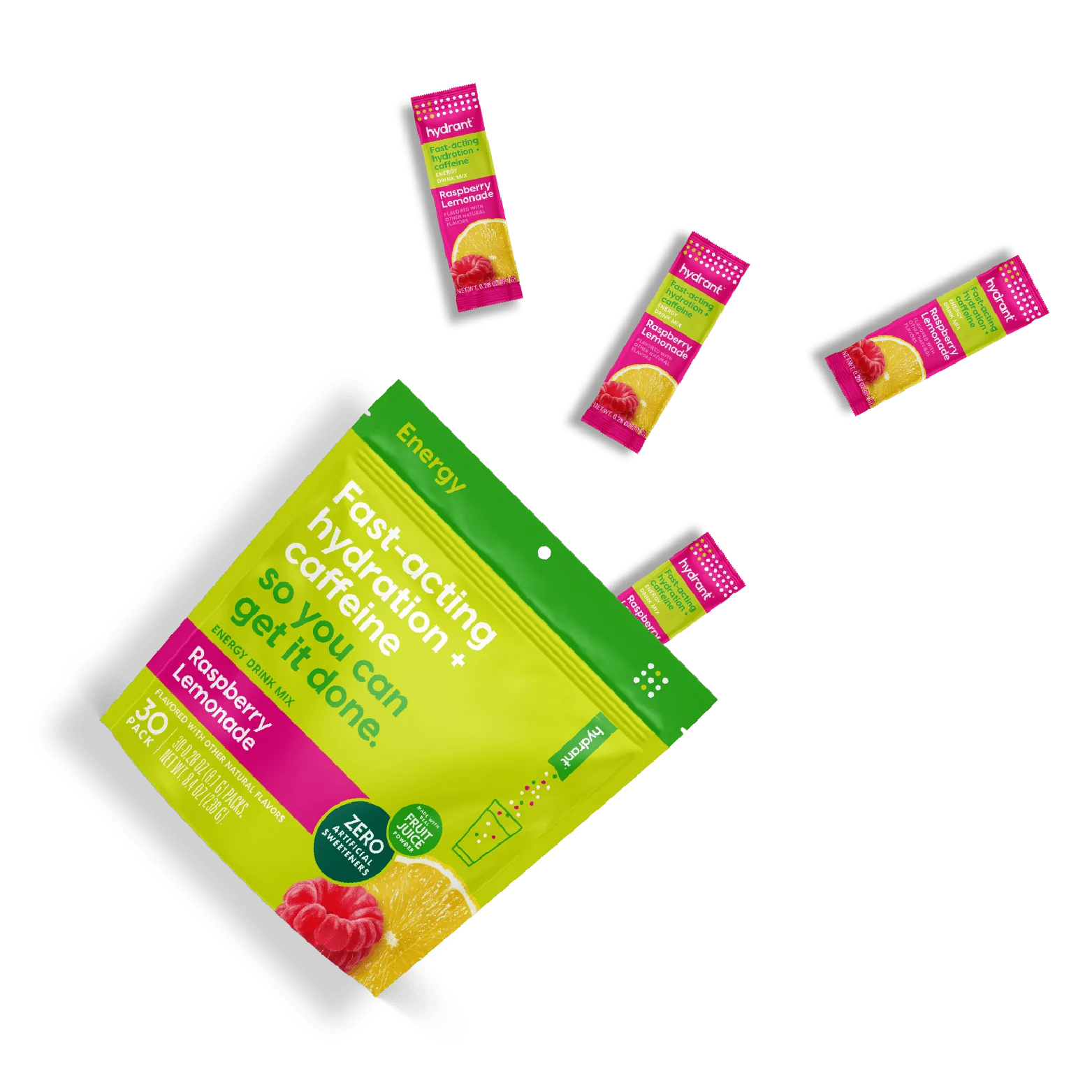
Hydrant ENERGY | Lemon Squeeze
- Tip: If you do drink coffee in the afternoon, pair it with a glass of water or an electrolyte packet to offset any fluid loss.
How to Choose: A Simple Decision Framework for Your Afternoon Slump
Not every afternoon slump is the same. Here's a quick framework to help you decide whether to reach for hydration, caffeine, or both. First, ask yourself: When did I last drink water? If it's been more than two hours, start with hydration. Second, consider your sleep: Did you sleep well last night? If not, caffeine might mask fatigue but won't solve the root cause—try a short walk or a nap instead. Third, think about your afternoon plans: Do you need focused work or creative thinking? Caffeine with L-theanine (like in ENERGY) supports concentration, while pure hydration is better for steady, low-intensity tasks.
For many people, the optimal strategy is to layer hydration first, then add a small amount of caffeine if needed. Keep caffeine intake moderate (under 200 mg in the afternoon) and avoid it after 4 PM to protect your sleep. Experiment with these approaches for a week and note how your energy and focus shift.
- Quick checklist: 1) Hydrate with electrolytes. 2) Assess sleep quality. 3) If needed, add a low-dose caffeine + L-theanine combo. 4) Avoid caffeine after 4 PM.
Practical Tips to Beat the Afternoon Slump Without the Crash
Beyond hydration and caffeine, a few lifestyle tweaks can prevent the slump altogether. Eat a balanced lunch with protein, healthy fats, and fiber to avoid a blood sugar spike and crash. Move your body: a 5-minute walk or a few stretches boosts circulation and alertness. Get natural light exposure—even 10 minutes outside can reset your circadian rhythm and improve mood.
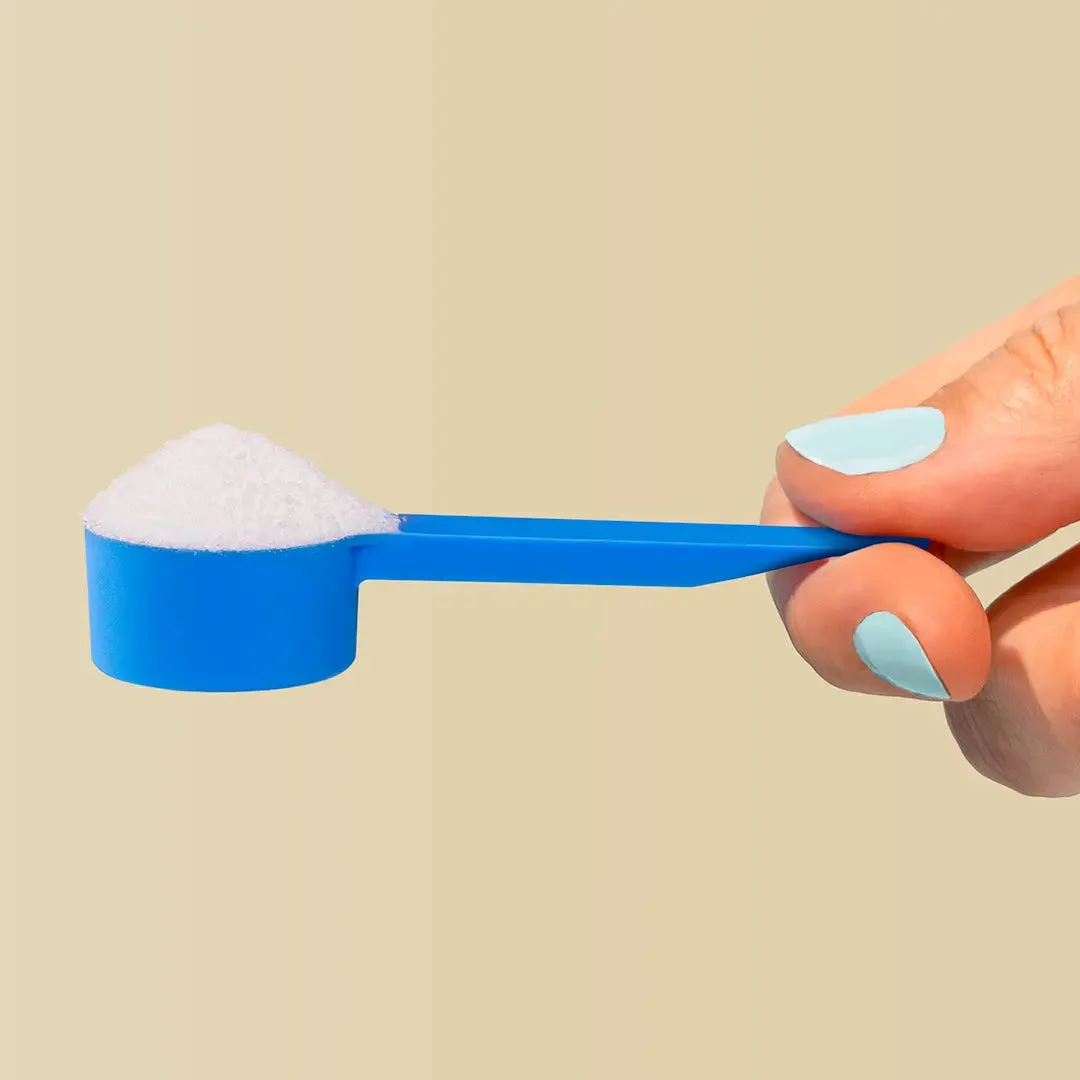
Keep a stash of single-serve hydration packets at your desk or in your bag so you're always prepared. Products like Unflavored Electrolyte Powder are perfect for adding to any drink without altering taste, making it easy to stay hydrated throughout the day. For a dual-action boost, try the Hydrant ENERGY | Lemon Squeeze, which combines hydration with a clean caffeine lift. These tools help you replace the afternoon crash with sustained energy.
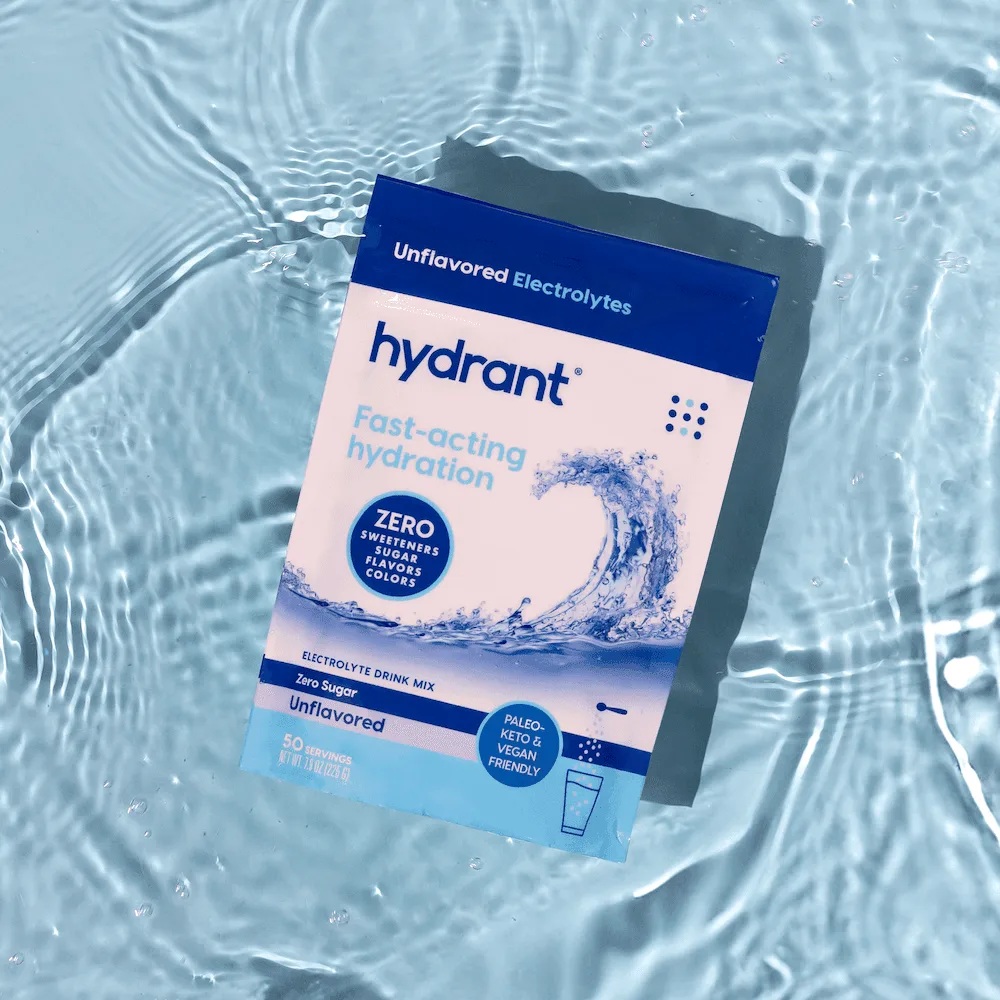
Unflavored Electrolyte Powder
Next time the 3 PM slump hits, don't automatically reach for another coffee. Start with hydration—your brain and body will thank you. If you need an extra edge, choose a product that pairs electrolytes with a smart dose of caffeine. Check out Hydrant ENERGY | Lemon Squeeze for a jitter-free, hydrating energy boost that supports your afternoon productivity without the crash.