Chemical exfoliation has become a cornerstone of modern skincare, offering a gentler and often more effective alternative to harsh physical scrubs. But with so many acids on the market, it's easy to feel overwhelmed when deciding between AHA and BHA. Understanding the difference is crucial because choosing the wrong exfoliant can lead to irritation, dryness, or simply disappointing results.
In this guide, we'll break down everything you need to know about AHA vs BHA: how each acid works, which skin types benefit most, and how to incorporate them into your routine. Whether you're battling breakouts, dullness, or uneven texture, the right chemical exfoliant can transform your skin.
What Are AHA and BHA? The Basics of Chemical Exfoliants
AHA stands for alpha hydroxy acid, a group of water-soluble acids derived from natural sources like fruit and milk. Common AHAs include glycolic acid (from sugar cane) and lactic acid (from milk). Because they are water-soluble, AHAs work on the surface of the skin, dissolving the bonds that hold dead skin cells together. This makes them excellent for improving skin texture, fading hyperpigmentation, and boosting radiance.
BHA stands for beta hydroxy acid, most commonly salicylic acid. Unlike AHAs, BHA is oil-soluble, meaning it can penetrate deep into the pores to dissolve excess sebum and debris. This unique property makes BHA a powerhouse for oily, acne-prone skin. It also has anti-inflammatory and antibacterial properties, which help calm existing breakouts and prevent new ones.
- AHAs are best for surface-level concerns: dullness, fine lines, uneven tone, and sun damage.
- BHA is ideal for pore-related issues: blackheads, whiteheads, clogged pores, and inflamed acne.
- Both acids exfoliate chemically, but they target different layers and conditions.
AHA vs BHA: Key Differences at a Glance
To help you decide quickly, here's a side-by-side comparison of AHA and BHA based on their most important characteristics. Remember that your skin type and concerns should guide your choice, but many people benefit from using both in a balanced routine.
AHAs tend to be more hydrating and are generally well-tolerated by normal to dry skin types. BHAs, on the other hand, can be slightly drying because they remove oil, so they are better suited for oily and combination skin. If you have sensitive skin, start with a lower concentration and patch test first.
- AHA: Water-soluble, works on skin surface, best for dry/normal skin, targets texture and pigmentation.
- BHA: Oil-soluble, penetrates pores, best for oily/acne-prone skin, targets blackheads and breakouts.
- Both can be used at different times of day or on alternating days, but never together in the same routine.
How to Choose the Right Exfoliant for Your Skin Type
If your primary concerns are uneven texture, dullness, or fine lines, an AHA like glycolic or lactic acid is your best bet. These acids gently dissolve dead skin cells on the surface, revealing a brighter, smoother complexion. For a potent yet controlled exfoliation, consider a product like the 30% AHA + 2% BHA Chemical Peeling Gel, which combines both acids for a deeper treatment. However, if you are new to acids, start with a lower concentration and work your way up.
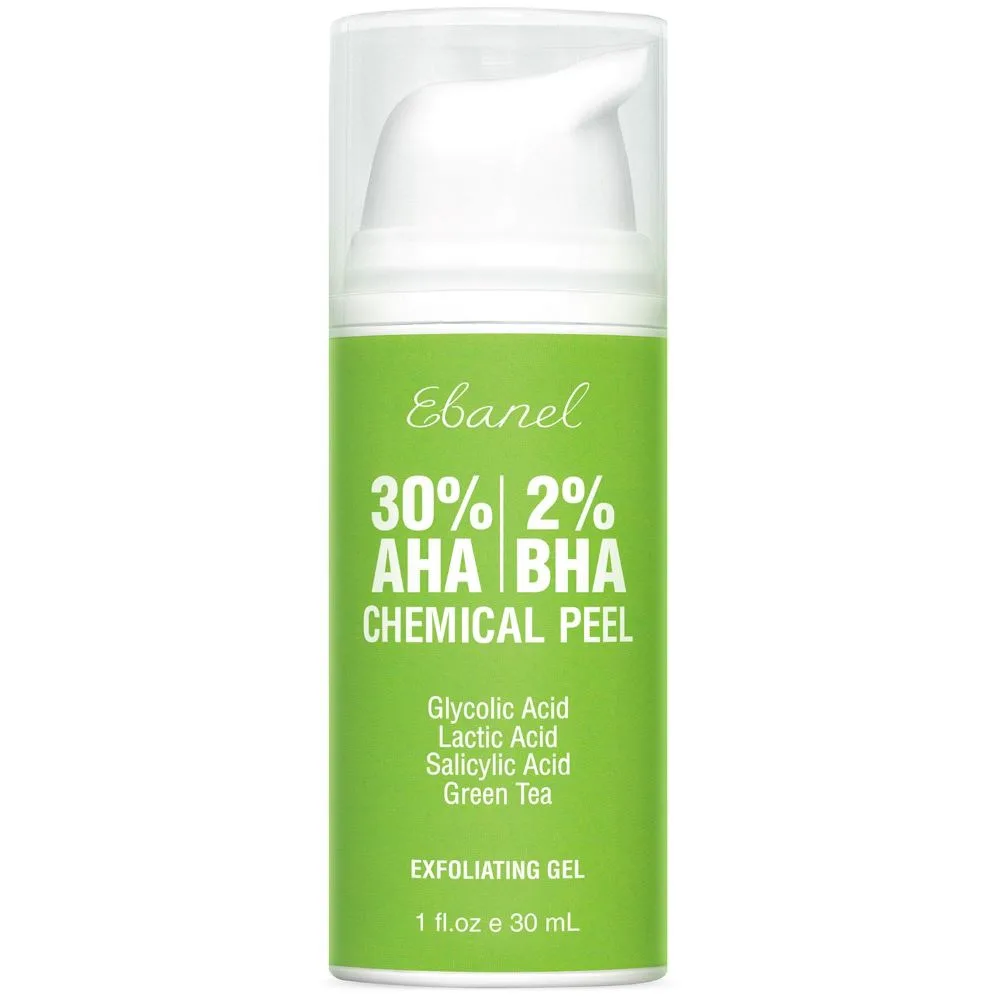
30% AHA + 2% BHA Chemical Peeling Gel
If you struggle with oily skin, clogged pores, or frequent breakouts, BHA (salicylic acid) should be your go-to. It keeps pores clear and reduces inflammation. For targeted acne treatment, look for a leave-on BHA serum or toner. Remember that consistency is key: using a BHA two to three times per week can dramatically reduce blackheads and prevent future blemishes without over-drying the skin.
- Dry or mature skin: Choose AHA for gentle surface exfoliation and hydration.
- Oily or acne-prone skin: Choose BHA to unclog pores and control oil.
- Combination skin: Use AHA on dry areas and BHA on the T-zone, or alternate days.
Can You Use AHA and BHA Together? Tips for a Safe Routine
Many skincare enthusiasts wonder if they can combine AHA and BHA for maximum benefits. The short answer is yes, but with caution. Using both acids in the same routine can lead to over-exfoliation, irritation, and a damaged skin barrier. Instead, consider using them on different days: for example, AHA on Monday and Thursday, BHA on Tuesday and Friday, with rest days in between.
Another option is to use a product that contains both acids in a balanced formulation, such as a peeling gel or a treatment mask. These products are designed to deliver controlled exfoliation without overwhelming the skin. Always follow with a moisturizer and a broad-spectrum sunscreen during the day, as chemical exfoliants increase sun sensitivity.
- Never layer AHA and BHA in the same routine without a buffer.
- Alternate days: AHA one night, BHA another, rest on the third.
- Always wear SPF 30+ daily when using chemical exfoliants.
Our Top Product Picks for AHA and BHA Exfoliation
For those looking to add a high-quality AHA to their routine, the Dr Brightening Ultra-Potent Facial Serum is an excellent choice. This serum combines brightening ingredients with gentle exfoliation to improve skin tone and texture over time. It's formulated to be effective yet non-irritating, making it suitable for most skin types seeking a radiant glow.
If you prefer a BHA-focused approach, consider a salicylic acid cleanser or toner. For a comprehensive solution that addresses both surface texture and pore congestion, the 30% AHA + 2% BHA Chemical Peeling Gel offers a professional-grade treatment at home. Use it once a week for a deep exfoliation that leaves skin smooth, clear, and luminous.
- For brightening and texture: Dr Brightening Ultra-Potent Facial Serum.
- For deep pore cleansing: BHA toner or serum with salicylic acid.
- For combined benefits: 30% AHA + 2% BHA Chemical Peeling Gel (use weekly).
Choosing between AHA and BHA doesn't have to be complicated. Think about your skin type and your primary concerns: if dullness and uneven texture are your issues, reach for an AHA. If clogged pores and breakouts are the main problem, BHA is your ally. And if you want the best of both worlds, a balanced product like the 30% AHA + 2% BHA Chemical Peeling Gel can provide comprehensive exfoliation. Start slowly, listen to your skin, and always protect it with sunscreen. Ready to transform your complexion? Explore our selection of chemical exfoliants and find the perfect match for your skincare journey.