The core difference: controlled puffs vs pressurized chemicals
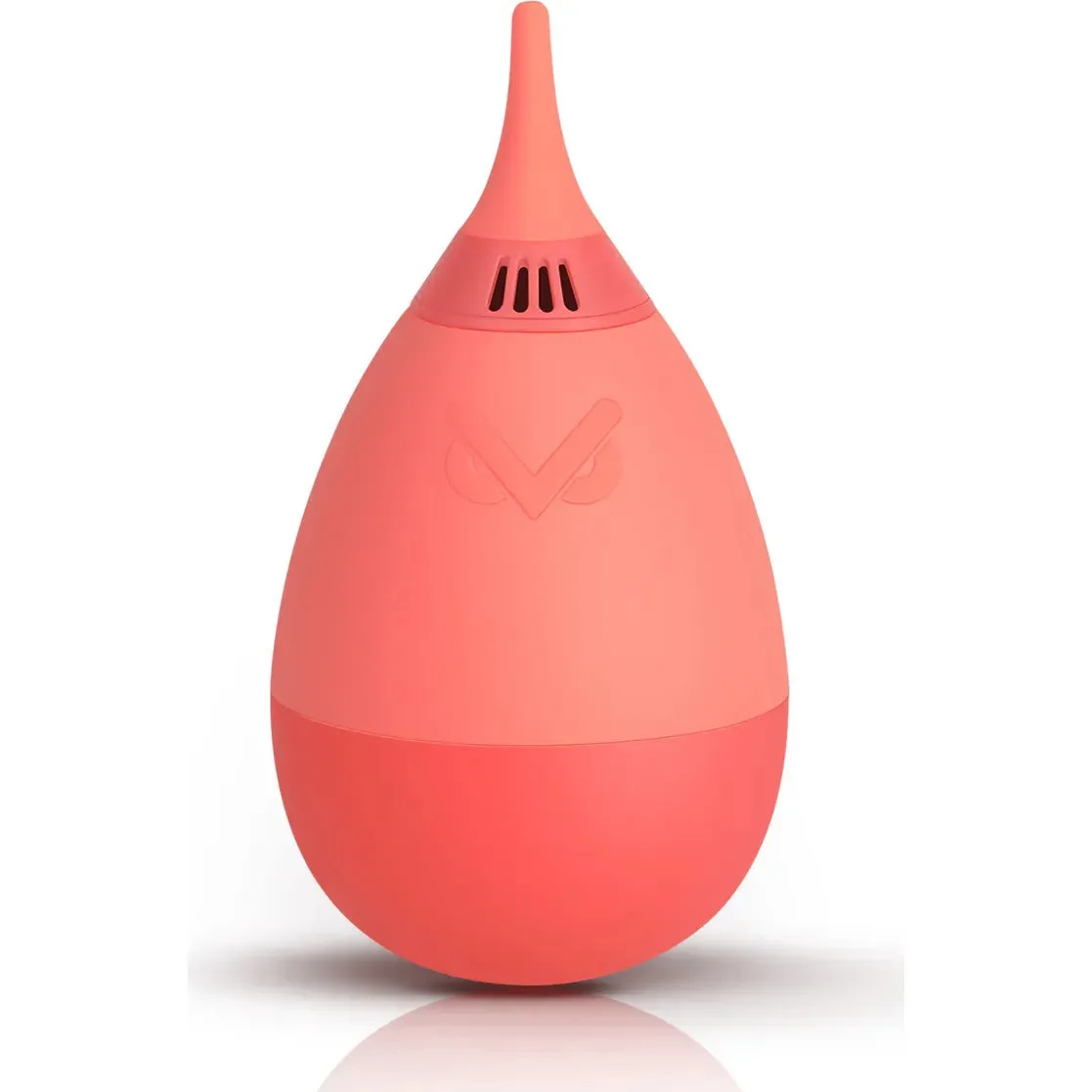
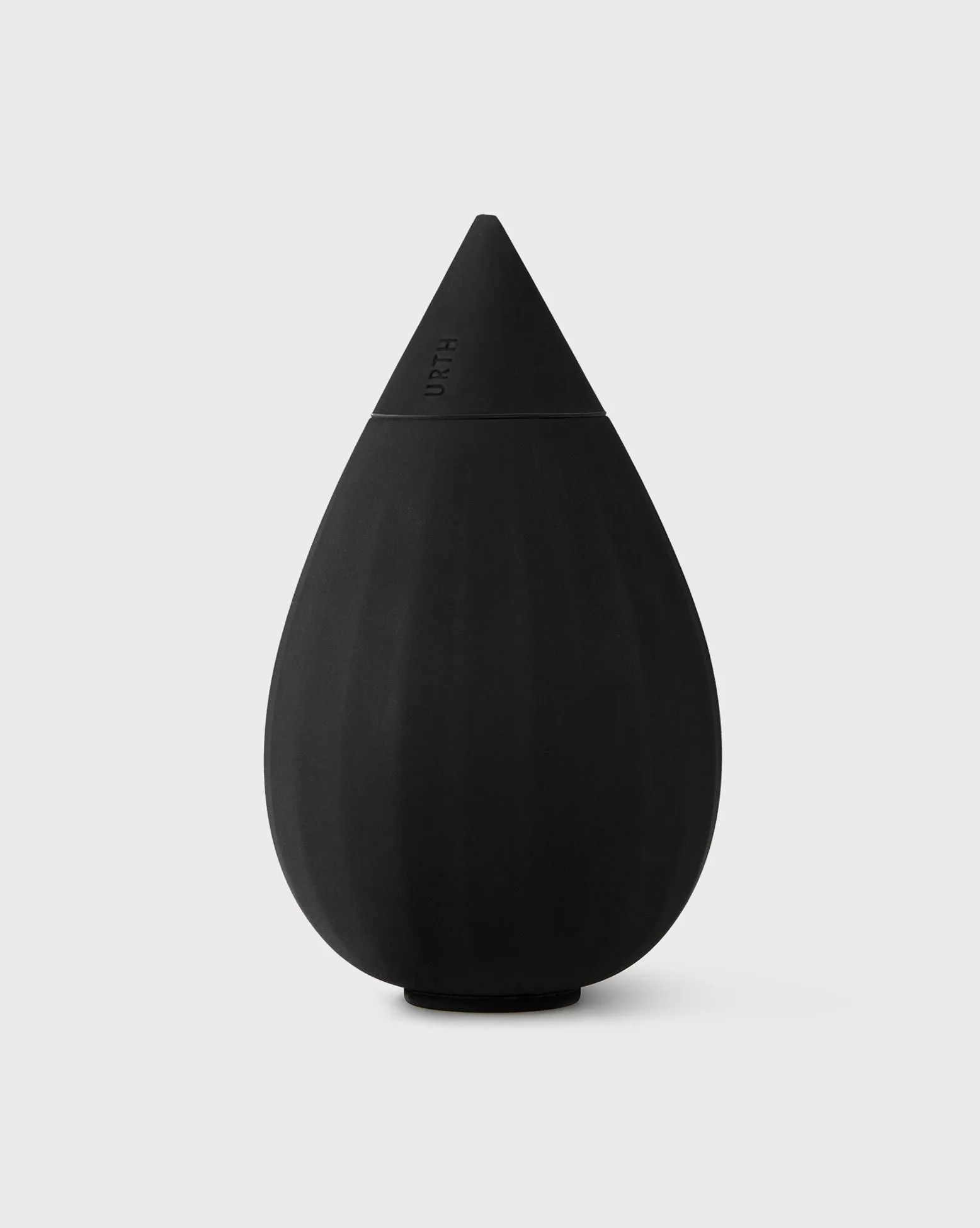
When dust lands on a lens or sensor, the instinct is to blast it away. But the tool you choose matters. A reusable air blower, like the Urth Air Blower, delivers controlled bursts of air through a compact, ergonomic body made from recycled silicone. Canned air, by contrast, is a pressurized can of gas and propellant. That propellant can spit onto delicate surfaces, and the force of canned air is harder to control. For camera gear, especially sensors and coated glass, a blower is the safer first step.
This comparison focuses on what the supplied product information supports. The Urth Air Blower is engineered for safe, contact-free cleaning of lenses, sensors and optical gear. It directs powerful air to remove dust and debris and is described as safe for delicate lenses, sensors and coated glass. Canned air carries risks that are well known in camera care, but this article does not rely on unverified test data. Instead, it explains why a blower is the more conservative choice and how to use one without overstepping the limits of the available instructions.
Air blower vs canned air: side-by-side on camera gear
- Control of airflow: A manual blower gives you bursts you can aim and modulate by squeezing. Canned air releases continuously under pressure, which can be harder to direct precisely around a sensor.
- Risk of propellant residue: Canned air contains propellants that can escape as liquid or mist, especially if the can is tilted. A silicone air blower uses only ambient air, so there is no propellant to deposit on glass or a sensor.
- Safe for delicate coatings: The Urth Air Blower is described as safe for delicate lenses, sensors and coated glass. Canned air is not formulated for contact with optical coatings and can introduce residue or thermal shock if misused.
- Reusability and waste: A reusable air blower can be squeezed again and again. Canned air is a single-use product that runs out and must be replaced, creating ongoing waste.
- Portability and power: The Urth Air Blower is compact and ergonomic, with a recycled silicone body for durability and grip. It needs no batteries or power source. Canned air is also portable but depends on remaining propellant and can lose pressure over time.
- Warranty and long-term value: The Urth Air Blower carries a 3-year warranty. Canned air typically has no such coverage and is consumed with use.
Why canned air is risky for camera sensors
A camera sensor sits behind a delicate filter stack and is surrounded by sensitive electronics. Canned air is designed for cleaning keyboards and other rugged surfaces, not optical assemblies. The propellant in canned air can spray out as a cold liquid, and that sudden temperature change can stress coatings or nearby materials. Even when the can is held upright, the stream is forceful and difficult to feather. For camera sensor dust removal, the goal is to lift loose particles gently, not to blast the surface.
There is also the problem of what canned air leaves behind. Propellant residue can attract more dust or smear across a sensor, turning a simple dust removal into a wet cleaning. A reusable air blower for cameras avoids that risk because it moves only air. The Urth Air Blower is explicitly described as safe for delicate lenses, sensors and coated glass, which makes it a more appropriate first tool for dust on optical gear.
What the Urth Air Blower is designed to do
-
Air Blower: Engineered for safe, contact-free cleaning of lenses, sensors and optical gear. Contact-free cleaning means you can address loose dust without touching the surface, reducing the chance of scratching delicate coatings.
Air Blower
-
Air Blower: Directs powerful air to remove dust and debris. A focused burst of air is useful for dislodging dust from lens elements, sensor covers and other optical surfaces before any contact cleaning.
-
Air Blower: Safe for delicate lenses, sensors and coated glass. This is the key difference from canned air, which is not formulated for optical surfaces and can leave residue or cause thermal stress.
-
Air Blower: Recycled silicone body for durability and grip. A grippy, durable body helps you aim precisely and squeeze consistently, which matters when working near an exposed sensor.
-
Air Blower: 3-year warranty. A multi-year warranty adds confidence for a tool you will reuse across many cleaning sessions, unlike single-use canned air.
A safe way to clean camera sensor dust with a blower
The supplied product information confirms the Urth Air Blower directs powerful air to remove dust and debris and is safe for sensors. It does not provide a step-by-step sensor cleaning procedure, so the following is general guidance based on the product's intended use, not a manufacturer instruction. Always consult your camera manual for sensor-specific precautions.
- Start with the lens and camera body: Use the blower to remove loose dust from the lens surface and around the lens mount before addressing the sensor. This reduces the chance of dislodging more particles toward the sensor.
- Lock the mirror or shutter as your camera requires: Follow your camera manufacturer's procedure for exposing the sensor. The supplied information does not cover camera-specific settings, so rely on your manual.
- Hold the camera with the sensor facing down: Gravity helps loose dust fall away rather than settle back onto the sensor. Keep the blower below the sensor opening and squeeze gently.
- Use short, controlled bursts: The Urth Air Blower is designed for controlled bursts. Squeeze firmly but briefly, aiming across the sensor rather than directly at it, and check with a test shot between bursts.
- Stop if dust remains: If a few puffs do not remove the dust, do not keep blasting. Persistent particles may need a different method, such as a sensor swab, which is outside the scope of this comparison.
When canned air might seem tempting—and why to skip it
Canned air is cheap, widely available and undeniably forceful. For cleaning a keyboard or the outside of a camera bag, it can be convenient. But camera gear is different. Lenses, sensors and coated glass are precision optical surfaces, and the risks of propellant spray, thermal shock and uncontrolled force outweigh the convenience. The Urth Air Blower costs more than a single can of air, but it is reusable, comes with a 3-year warranty and is designed specifically for delicate optical gear. Over time, it also replaces repeated purchases of canned air.
If you already own canned air, keep it away from your camera's sensor and lens elements. Use it for non-optical cleaning only. For anything that touches glass or a sensor, a manual blower is the more conservative choice.
The practical case for a reusable blower
- Air Blower: Compact, ergonomic body made from recycled silicone. It fits easily in a camera bag and is comfortable to use for repeated bursts, making it a practical everyday tool.
- Air Blower: Safe for delicate lenses, sensors and coated glass. This explicit suitability for optical surfaces is what separates it from canned air, which is not intended for sensor cleaning.