Quick answer
Choose alcohol-free bitters when you want the same concentrated herbal flavor without any alcohol, especially for mocktails, pregnancy, or sober routines. Regular bitters are stronger per drop and dissolve differently in stirred cocktails, so they suit traditional bartending.
The base liquid changes everything
Regular bitters are typically a high-proof alcohol extract of herbs, roots, and spices. The alcohol acts as a solvent and preservative, pulling out fat-soluble compounds that water cannot. Alcohol-free bitters replace that base with glycerin, water, or vinegar, which extracts a slightly different spectrum of flavors.
The practical result: alcohol-free versions often taste rounder and softer, with less sharp ethanol bite. Regular bitters hit harder and faster on the palate, which is why a single dash can perfume an entire drink.
Flavor concentration and dosing
Because glycerin and water are less efficient solvents, alcohol-free bitters usually need a slightly larger pour to match the intensity of regular bitters. Start with two dashes instead of one when you swap them into a recipe.
That said, many non-alcoholic bitters are built as standalone flavorings rather than cocktail accents. Norfolk Punch Regular 700ml, for example, is a ready-to-drink herbal blend rather than a dropper bottle, so you measure it in milliliters, not dashes.
Shelf life and storage
Regular bitters last for years thanks to their alcohol content, and they rarely need refrigeration. Alcohol-free bitters are more perishable once opened. Check the label: some are shelf-stable, others want cool, dark storage after opening.
If you go through bitters slowly, a high-proof bottle is the lower-maintenance choice. If you use them daily in mocktails, a smaller alcohol-free bottle will stay fresh long enough to finish.
Where each type fits in the glass
Regular bitters shine in stirred drinks like old fashioneds and manhattans, where a dash or two adds depth without diluting the spirit. Alcohol-free bitters are better suited to soda, tonic, ginger ale, and tea-based mocktails, where their softer profile blends rather than dominates.
You can also use alcohol-free bitters as a flavoring in cooking, dressings, and desserts without worrying about adding alcohol to the dish.
Trade-offs at a glance
- Alcohol content: Regular bitters contain alcohol, often 35–45% ABV, while alcohol-free bitters contain none. Choose alcohol-free if you avoid alcohol for health, religious, or personal reasons. Check the label for ABV even on small bottles.
- Flavor intensity: Regular bitters are more concentrated and pungent; alcohol-free versions are softer and may need a larger dose. Adjust recipes by starting with two dashes of alcohol-free bitters per one dash of regular. Taste as you go; you can always add more.
- Shelf life: Regular bitters last for years unrefrigerated. Alcohol-free bitters may have a shorter shelf life after opening, so buy smaller bottles if you use them occasionally. Store opened alcohol-free bitters in a cool, dark place.
- Best use: Regular bitters are for classic cocktails where a dash adds complexity. Alcohol-free bitters are for mocktails, sodas, and cooking where you want flavor without alcohol. Keep both on hand if you make a range of drinks.
Product facts
-
Norfolk Punch Regular 700ml: Norfolk Punch Regular 700ml is a non-alcoholic herbal drink made to a monastic recipe of over 30 herbs, berries, and spices. It works as a ready-to-drink alcohol-free option, so you can enjoy bitters-style flavor without measuring dashes or worrying about alcohol.
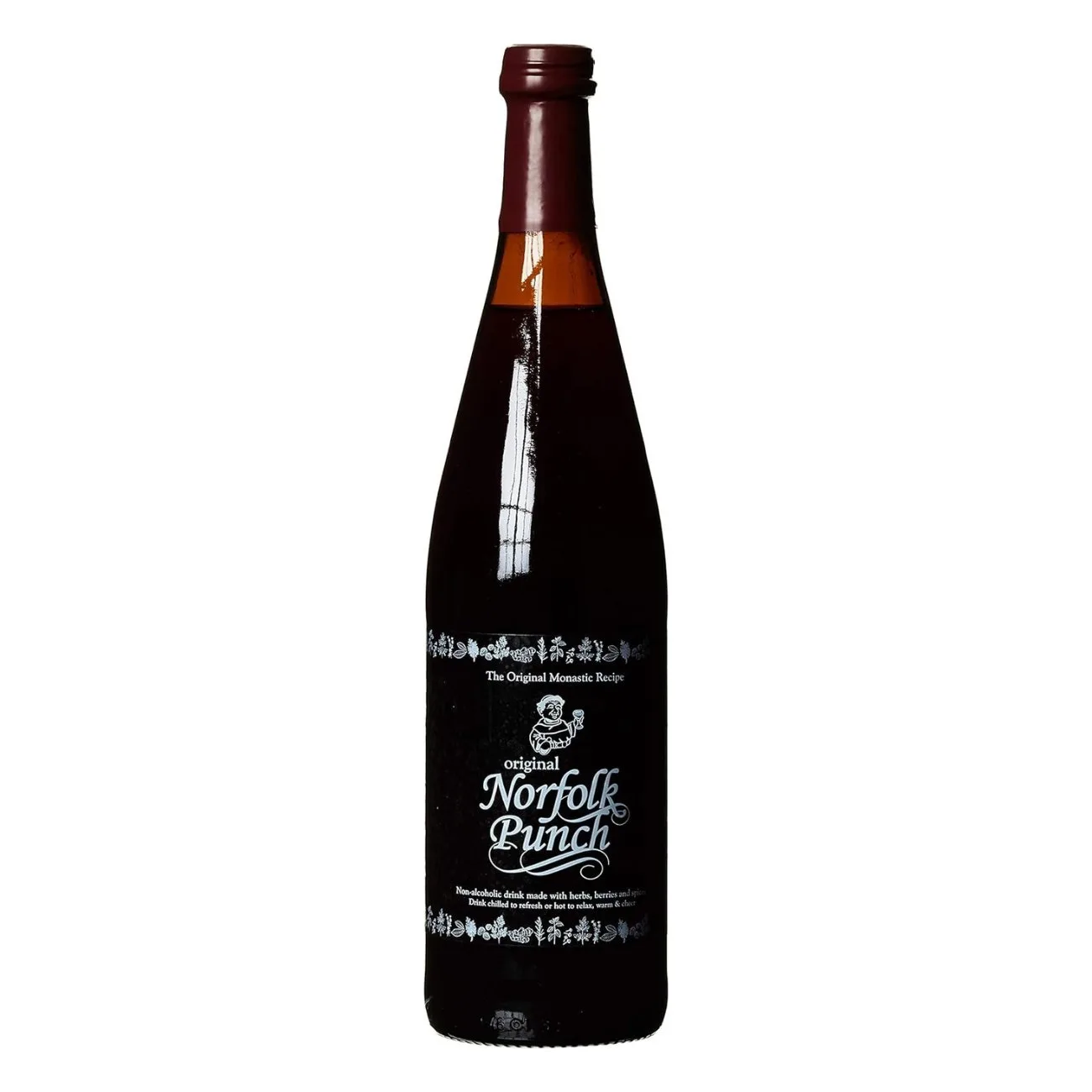
Norfolk Punch Regular 700ml
Which should you choose?
Choose alcohol-free bitters if you:
- Want cocktail-style flavor without any alcohol
- Are making mocktails, sodas, or tea-based drinks
- Need a flavoring safe for pregnancy, kids, or sober lifestyles
Choose regular bitters if you:
- Are making traditional stirred cocktails like old fashioneds
- Want the strongest flavor from the smallest dash
- Prefer a bottle that lasts for years without special storage