When browsing the beer aisle, you've likely seen labels like 'alcohol-free,' 'low-alcohol,' and 'non-alcoholic' used almost interchangeably. But for anyone serious about a sober or mindful drinking lifestyle, the difference between 0.0% and 0.5% ABV is significant. Understanding these distinctions helps you make informed choices that align with your health goals, taste preferences, and social needs.
In this guide, we break down the legal definitions, brewing processes, and real-world implications of alcohol-free versus low-alcohol beer. Whether you're a long-time alcohol-free enthusiast or just starting your Dry January journey, knowing what's in your bottle empowers you to choose the best option for every occasion.
What Exactly Is Alcohol-Free Beer?
Alcohol-free beer, often labeled as 0.0% ABV, contains no detectable alcohol. In most countries, including the UK and US, the legal threshold for 'alcohol-free' is 0.05% ABV or less. However, premium brands like DAYS Brewing Co go further by using advanced brewing techniques to achieve a true 0.0% ABV, ensuring zero alcohol content. This makes their beers suitable for anyone avoiding alcohol entirely, including designated drivers, pregnant women, and individuals in recovery.
The brewing process for alcohol-free beer typically involves full fermentation followed by gentle vacuum distillation or reverse osmosis to remove alcohol while preserving flavor. This method retains the hop character and malt backbone without the intoxicating effects. For example, DAYS Pale Ale delivers a crisp, hoppy profile with no compromise on taste, proving that 0.0% beer can be just as satisfying as its alcoholic counterpart.
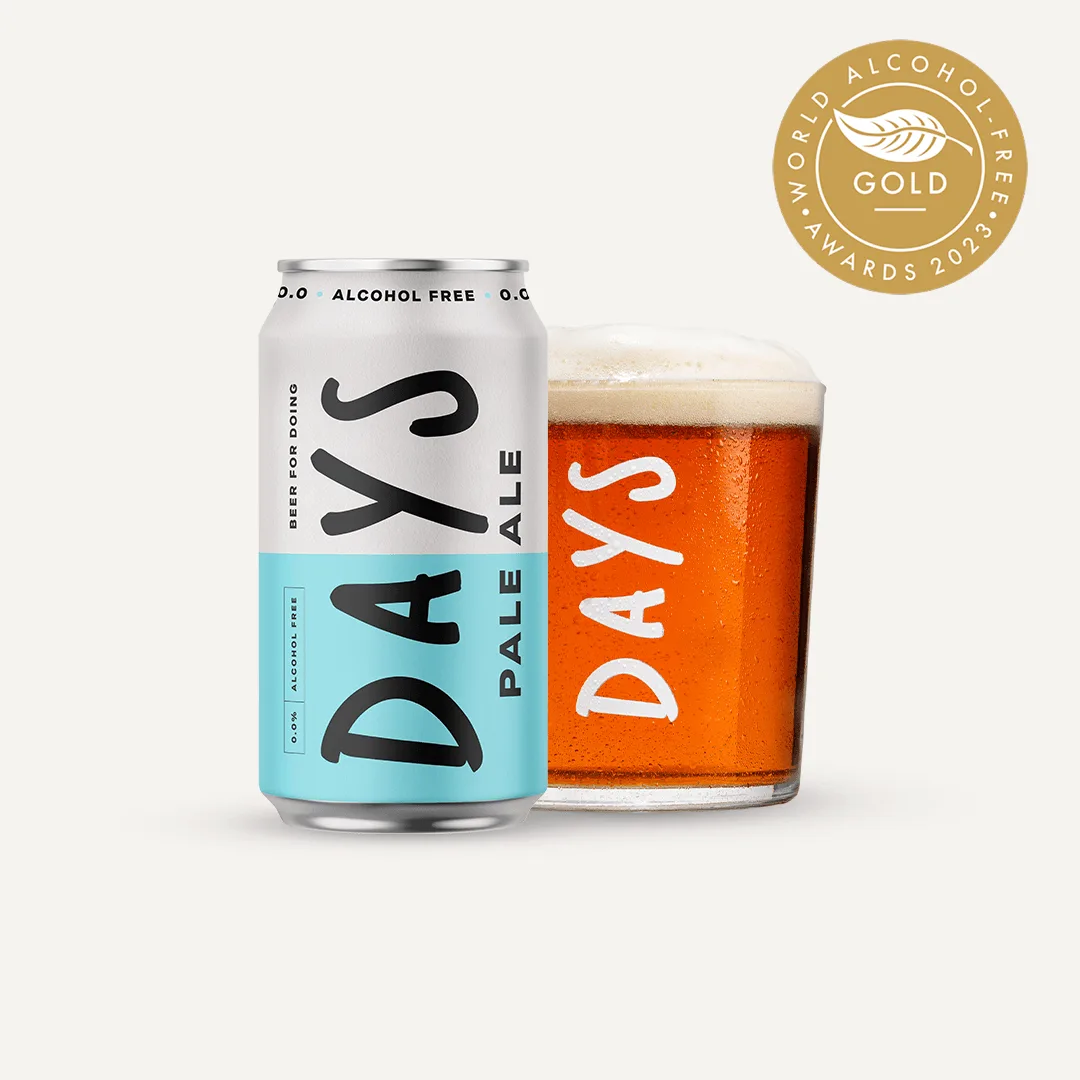
DAYS Pale Ale
- Tip: Always check the label for '0.0% ABV' to ensure true alcohol-free status, especially if you're avoiding alcohol for health or religious reasons.
Low-Alcohol Beer: What Does 0.5% ABV Mean?
Low-alcohol beer, typically containing 0.5% ABV, is not the same as alcohol-free. While the alcohol content is minimal, it is still present. For context, a 0.5% ABV beer contains about one-tenth the alcohol of a standard 5% ABV lager. However, for those with strict abstinence goals, even trace amounts can be a concern. In the UK, low-alcohol beers are often labeled 'low alcohol' or 'de-alcoholised,' and some people mistakenly assume they are completely free of alcohol.
The key difference lies in the brewing method. Low-alcohol beers are often produced by stopping fermentation early or using a special yeast that produces less alcohol. While this results in a slightly fuller body, it can also leave residual sugars and a sweeter taste. Brands like DAYS focus on 0.0% ABV to offer a cleaner, more authentic beer experience without any alcohol. Their DAYS Peach Lager is a perfect example of how fruit-infused 0.0% beer can be refreshing and complex without any compromise.
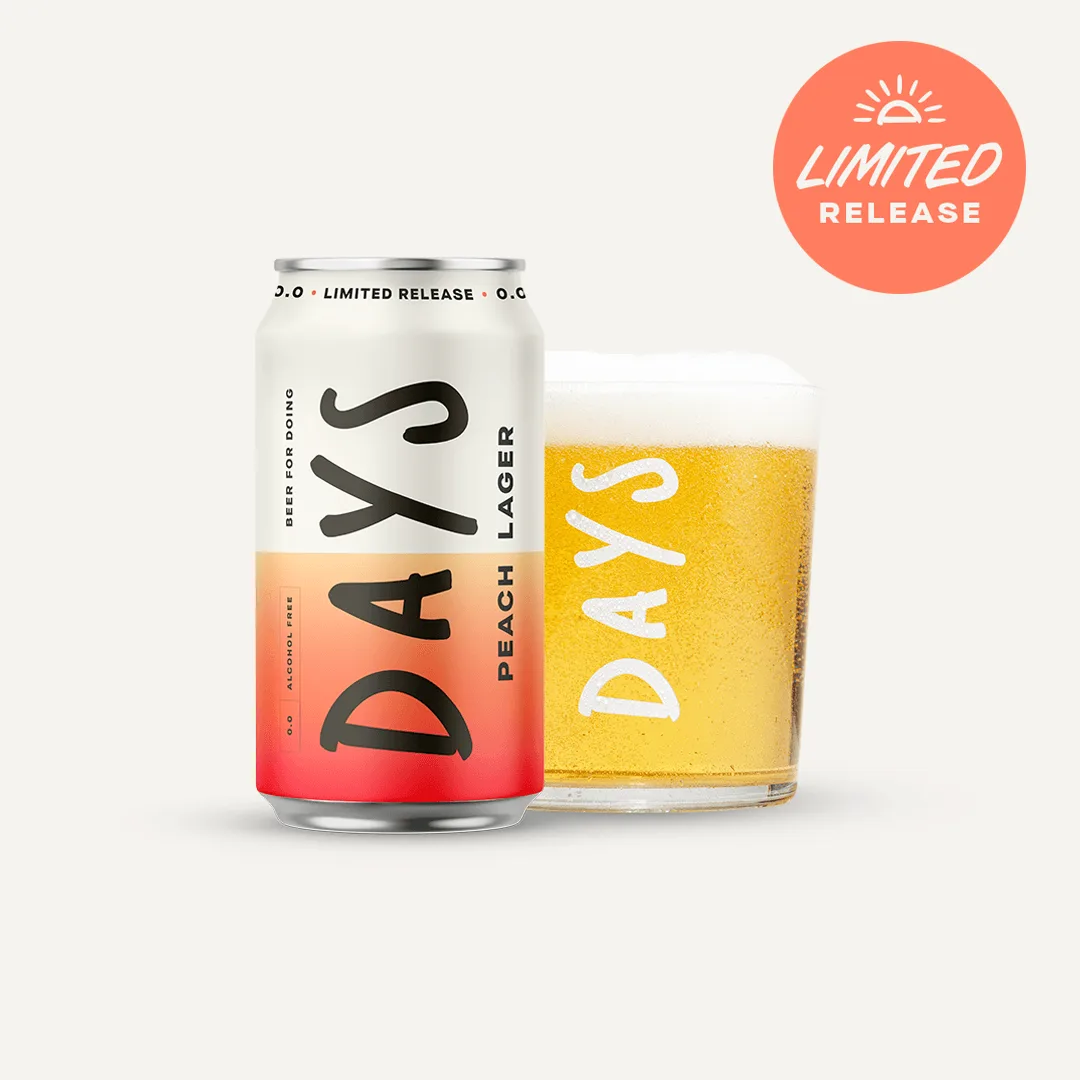
DAYS Peach Lager
Legal Definitions and Labeling Around the World
Understanding alcohol-free vs low-alcohol beer requires navigating a maze of international regulations. In the United States, 'non-alcoholic' beer can contain up to 0.5% ABV, while 'alcohol-free' must be 0.0% ABV. In the UK, the term 'alcohol-free' is reserved for drinks with 0.05% ABV or less, and 'low alcohol' applies to those between 0.5% and 1.2% ABV. These discrepancies can confuse consumers, especially when shopping online or traveling.
For the sober-curious community, these distinctions matter because even small amounts of alcohol can trigger cravings or affect those with certain medical conditions. Brands like DAYS ensure transparency by clearly labeling their products as 0.0% ABV, making it easy for consumers to choose with confidence. Whether you're stocking up for a party or a quiet night in, knowing the difference helps you select the right option for your needs.
- Check local labeling laws when purchasing imported beers. A 'non-alcoholic' beer in one country may not be alcohol-free in another.
Taste and Brewing Differences Between 0.0% and 0.5%
One common misconception is that alcohol-free beer tastes watery or bland compared to low-alcohol options. However, modern brewing innovations have closed this gap dramatically. Alcohol-free beers like DAYS LAGER use specialized techniques to retain hop aroma and malt flavor while removing alcohol. The result is a crisp, clean taste that rivals traditional lagers. In contrast, low-alcohol beers often have a slightly sweeter, less bitter profile due to the presence of residual sugars from arrested fermentation.
For hop lovers, 0.0% pale ales offer a more authentic bitterness and citrus notes. DAYS Pale Ale is a standout example, with a balanced hop character that appeals to craft beer enthusiasts. Meanwhile, low-alcohol versions may lack the same depth. The choice ultimately comes down to personal preference, but for those prioritizing a true beer experience without alcohol, 0.0% options are increasingly superior.
Health, Safety, and Lifestyle Considerations
For many, the decision between alcohol-free and low-alcohol beer is rooted in health and safety. Pregnant women, individuals with liver conditions, and those in recovery often need to avoid alcohol entirely. Even 0.5% ABV can pose risks in these situations. Additionally, designated drivers and people taking certain medications should opt for verified 0.0% ABV beers to stay fully sober. DAYS Brewing Co's commitment to 0.0% ABV across all their products, including their STARTER PACK, provides peace of mind for health-conscious consumers.
Beyond health, lifestyle factors play a role. Social drinkers may enjoy low-alcohol beers as a transitional option, but the growing popularity of alcohol-free alternatives reflects a shift toward mindful drinking. Events like Dry January and Sober October have normalized choosing 0.0% beer, and brands like DAYS are leading the charge with innovative flavors and accessible packaging. Whether you're hosting a party or enjoying a solo moment, the right beer supports your goals without sacrifice.
- If you're strictly avoiding alcohol, always choose products labeled '0.0% ABV' over 'non-alcoholic' or 'low alcohol' to avoid any trace amounts.
How to Choose the Right Option for You
Deciding between alcohol-free and low-alcohol beer comes down to your personal reasons for drinking. If you're looking for a healthier alternative to regular beer but don't mind trace alcohol, low-alcohol options might suit you. However, if you're committed to a completely alcohol-free lifestyle—whether for health, pregnancy, recovery, or simply to avoid hangovers—0.0% ABV beers are the clear winner. DAYS Brewing Co offers a range of 0.0% beers, from crisp lagers to fruity options, ensuring there's something for every palate.
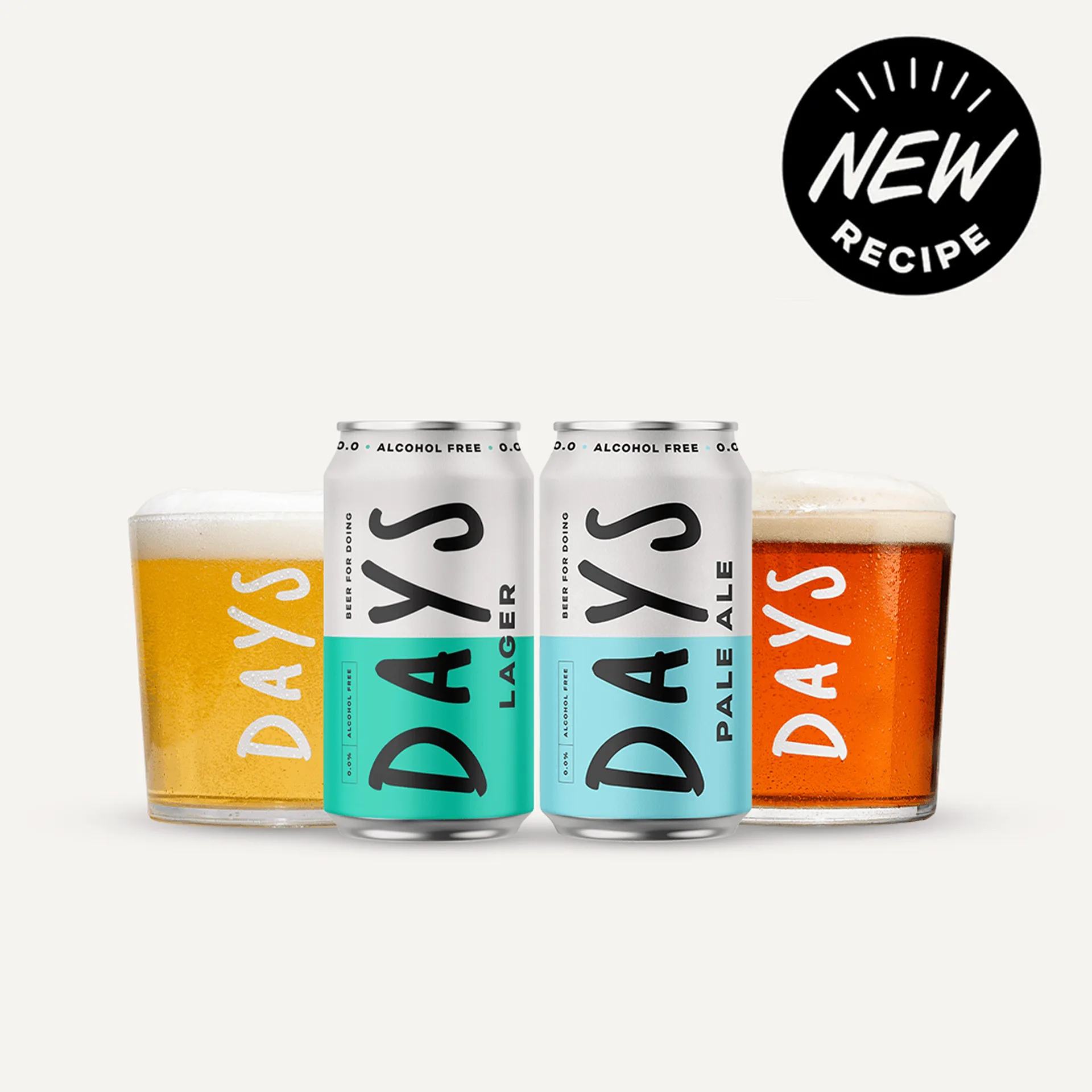
For those new to alcohol-free beer, starting with a variety pack can help you discover your favorites. The DAYS ULTIMATE MIXED PACK includes a selection of styles, allowing you to compare and contrast flavors without committing to a single type. This approach is also great for sharing with friends who may be curious about the alcohol-free lifestyle. Remember, the best beer is the one that aligns with your values and tastes.
Ultimately, the difference between alcohol-free and low-alcohol beer is more than just a number on a label—it's about making a conscious choice for your health, safety, and enjoyment. By understanding the definitions and brewing processes, you can confidently select a beer that fits your lifestyle. Whether you're a seasoned sober enthusiast or just exploring options, DAYS Brewing Co's 0.0% ABV beers offer a delicious, worry-free experience. Ready to taste the difference? Explore the DAYS ULTIMATE MIXED PACK to find your new favorite alcohol-free brew today.