Quick answer
Aleppo soap is a traditional olive oil and laurel oil bar that is cured for months, giving it a dense, low-lather, creamy feel. Regular bar soap is usually made with a broader mix of oils and fats and sold soon after saponification. For very sensitive or eczema-prone skin, Aleppo soap is often the gentler choice because it has a short, recognisable ingredient list and no added fragrance. For quick everyday cleansing at a lower cost, regular bar soap is simpler and easier to replace.
If you have stood in a store aisle comparing a dark green Aleppo bar with a familiar supermarket soap, the difference can feel like more than just packaging. Aleppo soap has a long history in the eastern Mediterranean, where olive oil and laurel oil are saponified and then left to cure for months. That slow cure changes the texture, the lather, and how the bar behaves on your skin.
Regular bar soap is made in many different ways. Some bars use tallow or palm oil, some use synthetic detergents, and many include fragrance or colour. None of that automatically makes them bad, but it does mean the ingredient list and the way the bar feels can vary enormously. This comparison looks at the real trade-offs so you can choose based on your skin, your routine, and what you actually want from a bar.
Ingredients and what they mean for your skin
Traditional Aleppo soap is built around two oils: olive oil and laurel oil. Olive oil provides a mild, conditioning cleanse, while laurel oil is included for its traditional skin-soothing reputation. The percentage of laurel oil can vary, and higher laurel content usually means a softer, more fragrant bar. Because the recipe is short, it is easier to spot whether a bar contains anything you want to avoid.
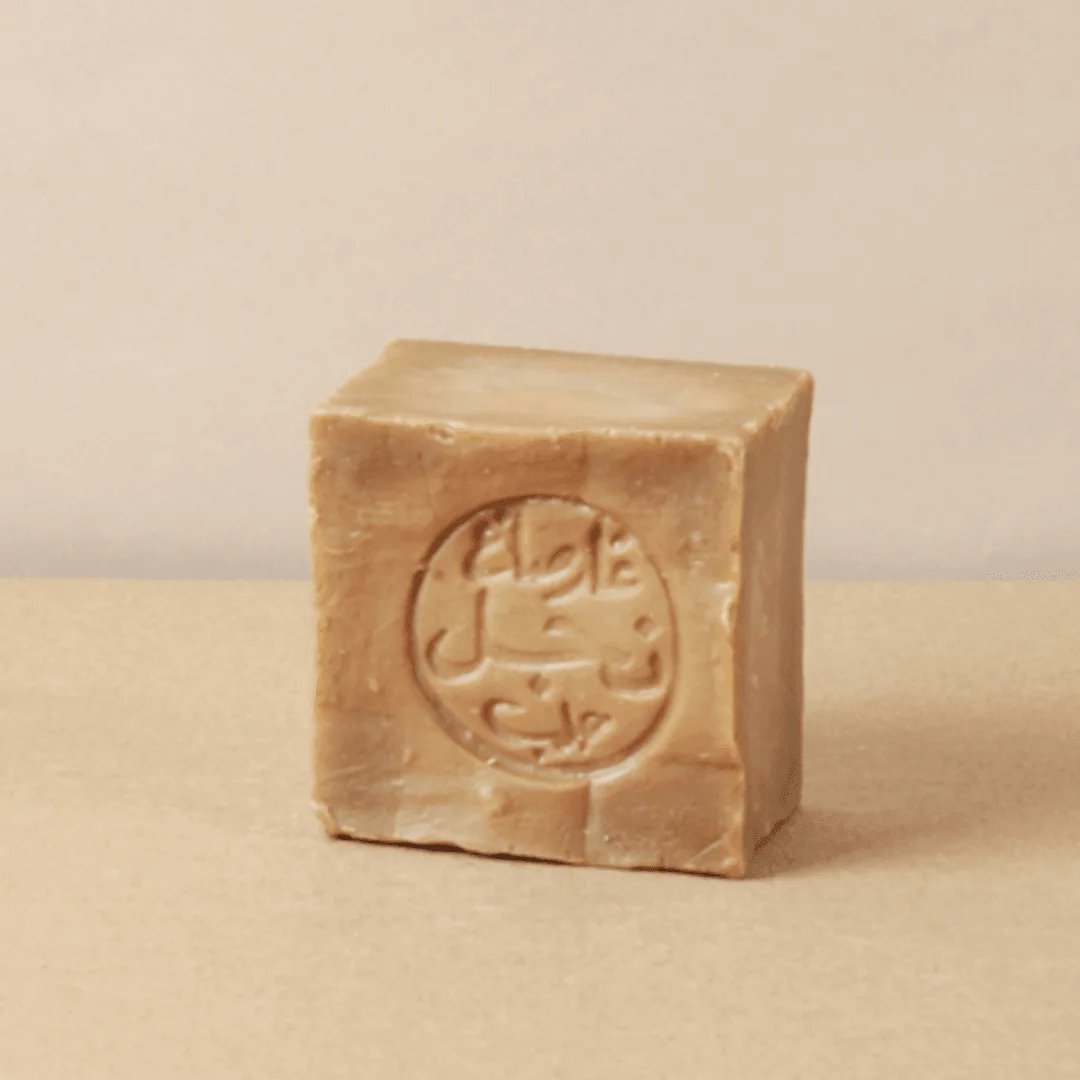
Traditional Aleppo soap
Regular bar soap often blends several oils and fats to keep costs down and create a stable, long-lasting bar. That is not a flaw, but it can include fragrance, dyes, or preservatives that sensitive skin may react to. If your skin is reactive, reading the label is more important than the word natural on the front. A short ingredient list is usually easier to troubleshoot.
- Check the laurel oil percentage on Aleppo soap if you want a softer, more conditioning bar.
- For regular soap, scan for fragrance and dyes if your skin is easily irritated.
Curing, texture, and how the bar feels
Aleppo soap is traditionally cured for nine months to a year or more. During that time, water evaporates and the bar hardens, which is why a good Aleppo bar feels dense and lasts a long time. It also produces a modest, creamy lather rather than big bubbles. That lower lather can take getting used to, but many people find it leaves skin feeling comfortable rather than tight.
Regular bar soap is often sold within weeks of being made. It can be milled or pressed to make it harder, and it usually lathers quickly and rinses off easily. The trade-off is that some bars can leave skin feeling dry, especially if you use them on your face or in hard water. If you prefer a quick, foamy wash, regular soap will feel more familiar.
- Store Aleppo soap on a draining dish so it dries between uses and lasts longer.
- If regular soap leaves your skin tight, try a milder formula or keep it for hands only.
Sensitive skin and eczema-prone skin
For sensitive or eczema-prone skin, the main advantage of Aleppo soap is what is not in it. A traditional bar typically has no added fragrance, no dyes, and no synthetic lathering agents. That simplicity reduces the number of potential irritants. Olive oil and laurel oil are also relatively gentle, and the low lather means less disruption to the skin barrier during washing.
That said, Aleppo soap is still soap. It has a naturally high pH, which can feel drying for some people with very dry or damaged skin. Regular bar soap can also be gentle if it is formulated for sensitive skin, but many mass-market bars are not. If you have a diagnosed skin condition, patch test any new bar on a small area first and keep your usual treatment plan.
- Patch test on your inner forearm for a few days before using a new bar on your face or body.
- If your skin stings or tightens after washing, the bar is probably too strong for daily use.
Cost, longevity, and environmental footprint
Aleppo soap usually costs more per bar than regular soap, but a well-cured bar can outlast a softer supermarket bar because it does not melt away as quickly. Over months, the cost per wash can be closer than the shelf price suggests. Regular soap is cheaper upfront and easier to find, which matters if you go through bars quickly or want a low-commitment option.
On the environmental side, traditional Aleppo soap is often made in small batches with olive oil and laurel oil, and it is biodegradable. Regular bar soap may use palm oil or tallow, and its supply chain can be harder to trace. Neither option is perfect, but if you care about a short ingredient list and a slower production method, Aleppo soap has a clear edge.
- Cut a large Aleppo bar in half to keep one piece dry while you use the other.
- If cost is the main concern, use regular soap for hands and keep Aleppo for face and body.
Trade-offs to weigh before you choose
- Ingredient simplicity vs. lather: Aleppo soap offers a short, recognisable ingredient list but produces a modest, creamy lather. Regular soap often lathers richly but may include fragrance or dyes. Choose Aleppo if you want fewer potential irritants; choose regular if you prefer a quick, foamy wash.
- Upfront cost vs. longevity: Aleppo soap usually costs more per bar, yet its dense, cured texture can last longer. Regular soap is cheaper to buy but may need replacing more often. Compare cost per month, not just the price tag on the shelf.
- Gentleness vs. availability: Aleppo soap is often gentler for sensitive or eczema-prone skin, but it is not stocked in every supermarket. Regular soap is everywhere and easy to restock. If convenience matters most, regular soap wins; if your skin reacts easily, plan to buy Aleppo online.
Products that support a gentle bar-soap routine
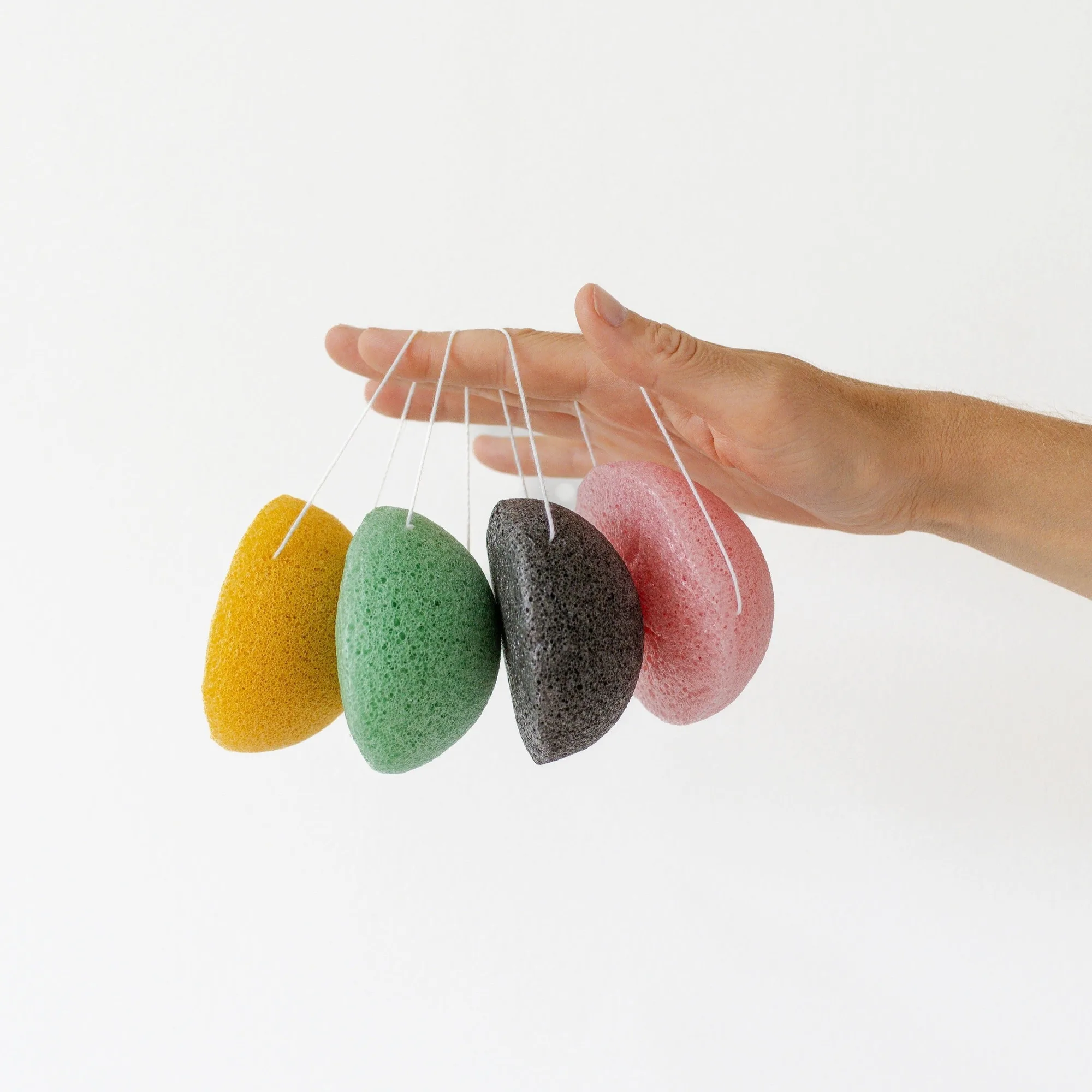
- Konjac Sponge: 100% natural Konjac Sponges deliver a luxuriously soft cleanse while gently buffing away dead skin cells. Pairs well with Aleppo soap for a low-irritation cleanse, especially if you want gentle physical exfoliation without a scrub.
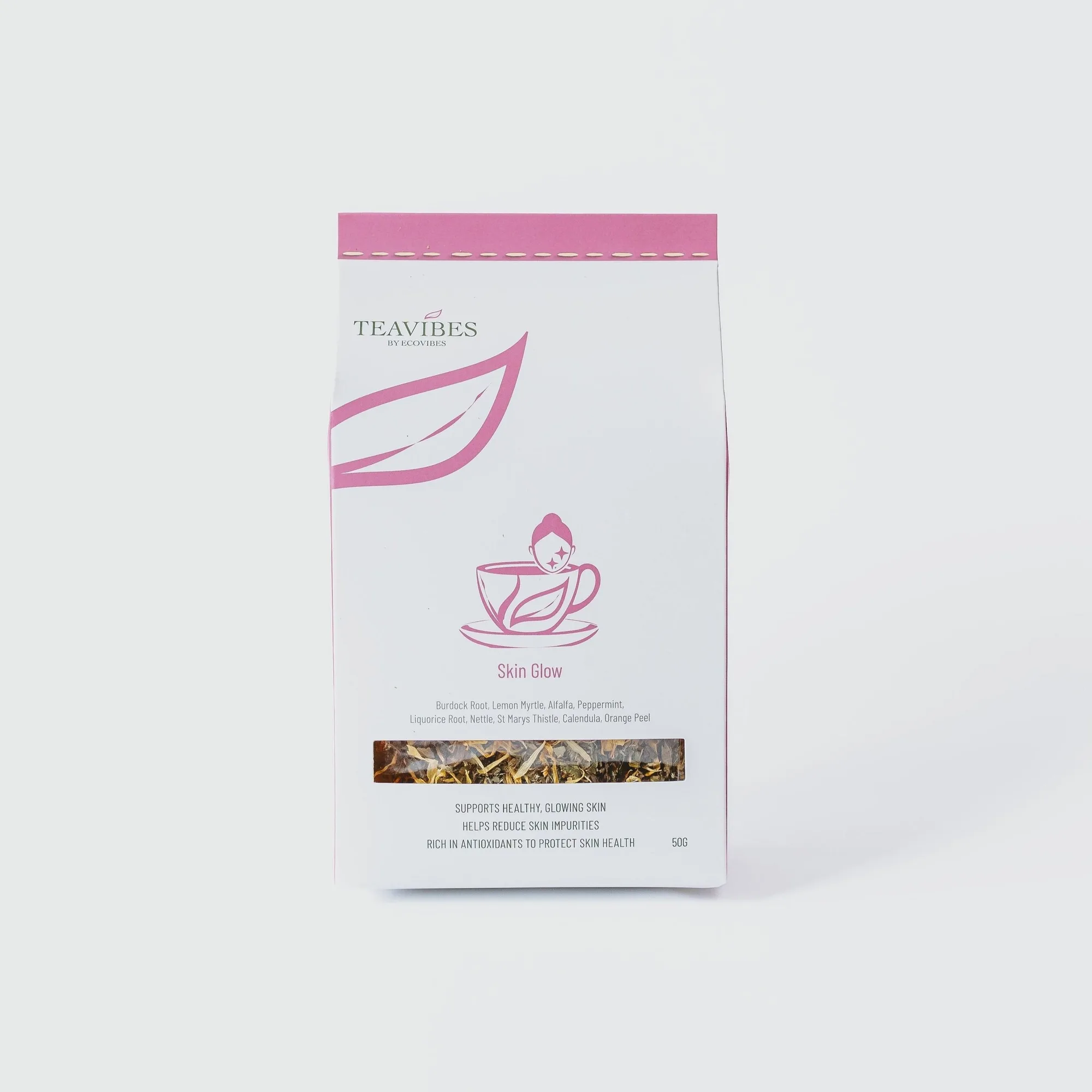
- Skin Glow Herbal Tea: A naturally caffeine-free blend designed to purify, nourish, and rejuvenate the skin from within. Supports a skin-friendly routine from the inside, which can complement a gentle cleansing habit without adding another topical product.
Who should choose which bar
Aleppo soap is best for
- People with sensitive or eczema-prone skin who want a short ingredient list and no added fragrance.
- Anyone willing to trade big lather for a dense, long-lasting bar and a slower, traditional production method.
Regular bar soap is better for
- Anyone who wants a quick, highly foaming wash at the lowest upfront cost.
- People who need to buy soap locally and restock without planning ahead.
There is no single winner here. Aleppo soap rewards you with simplicity and a gentle feel, while regular bar soap wins on price and convenience. Match the bar to your skin and your habits, and you will get the best of either option.