Quick answer
A convertible car seat is designed for two stages, rear-facing and forward-facing, while an all-in-one car seat adds booster mode so it can be the only seat you buy. If you want one seat from birth to booster and do not mind a larger footprint, an all-in-one like the All4Stages Slim 4-in-1 Convertible Car Seat is the simpler long-term pick. If your priority is a compact rotating seat for the early years, a convertible like the Revolve360 Slim 2-in-1 Rotating Car Seat is the better fit.
How the stages of use actually differ
The clearest difference between these two seat types is how many stages they cover. A convertible car seat handles rear-facing and forward-facing, so it replaces an infant seat once your baby outgrows it. An all-in-one car seat covers those same two stages and then converts to a belt-positioning booster, which is why it is often called a 4-in-1 car seat. That extra stage is the whole point: you buy one seat instead of three.
The trade-off is that covering more stages usually means a bulkier seat and more adjustment points to learn. A two-stage convertible keeps the design focused, which can make daily installs and harness adjustments simpler. Neither approach is safer by default. What matters is that the seat fits your child, fits your car, and is installed correctly at every stage.
Weight limits and why they change your timeline
Weight and height limits decide when you move to the next stage, so read them before you buy. The Revolve360 Slim 2-in-1 Rotating Car Seat is rear-facing from 4 lb to 50 lb for a child measuring 17 in. to 48 in., and forward-facing from 30 lb. The All4Stages Slim 4-in-1 Convertible Car Seat is built to carry a child from birth to booster, so its rear-facing, forward-facing, and booster limits each apply at a different point in your child's growth.
A lower rear-facing minimum matters for newborns, because it lets you use the seat right away rather than waiting for a weight milestone. If a seat's rear-facing minimum is higher than your baby's birth weight, you will need an infant car seat first. Check the manual for the exact limits on the seat you are considering, since they vary by model and by mode.
Newborn fit: what to check before you commit
Newborn fit is about more than weight. A seat that starts at 4 lb still needs harness slots at or below your baby's shoulders, a snug harness with no slack at the collarbone, and a recline angle that keeps the head from flopping forward. Many convertible and all-in-one seats include a newborn insert or a lower buckle position to help with this, but you should confirm it is included before you rely on it.
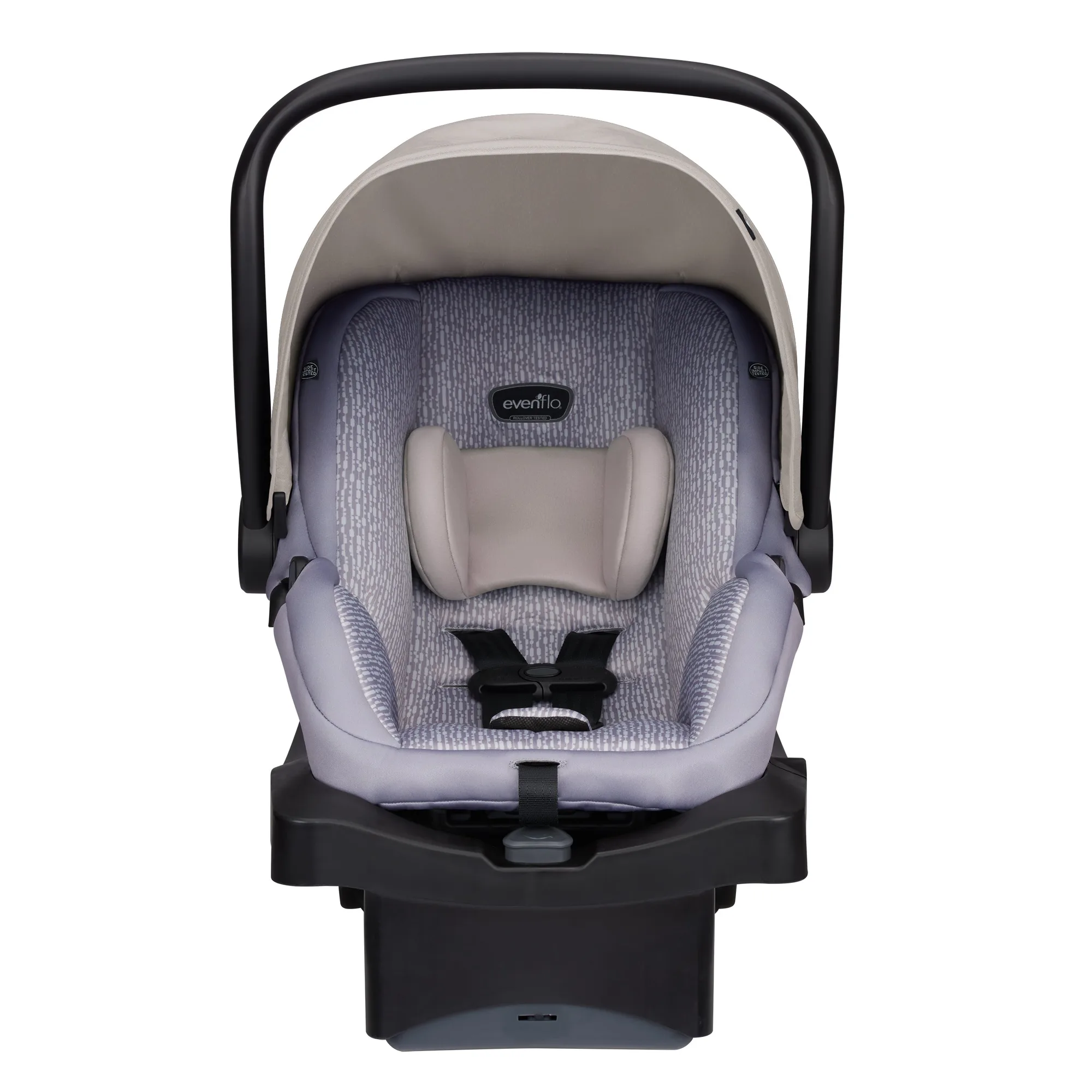
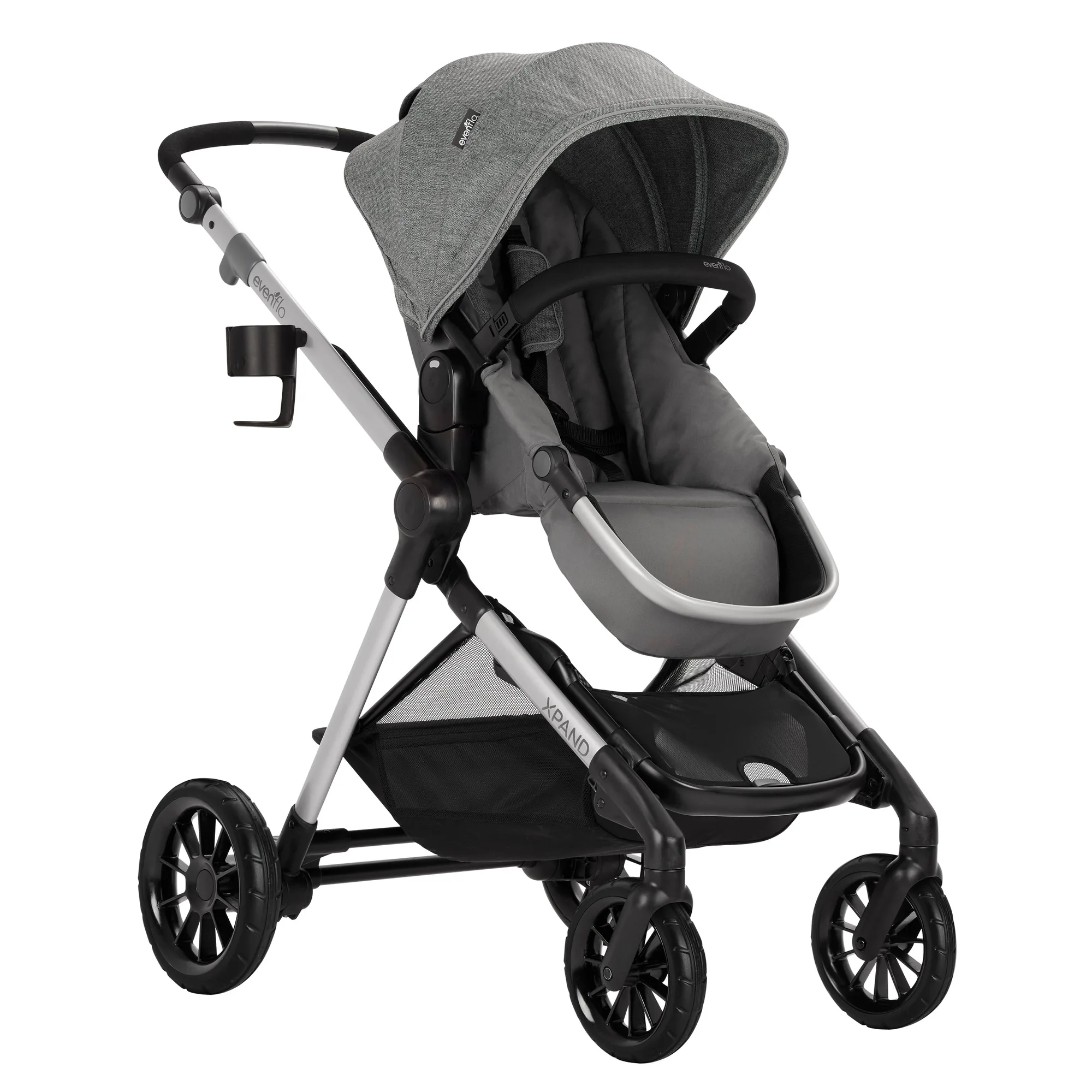
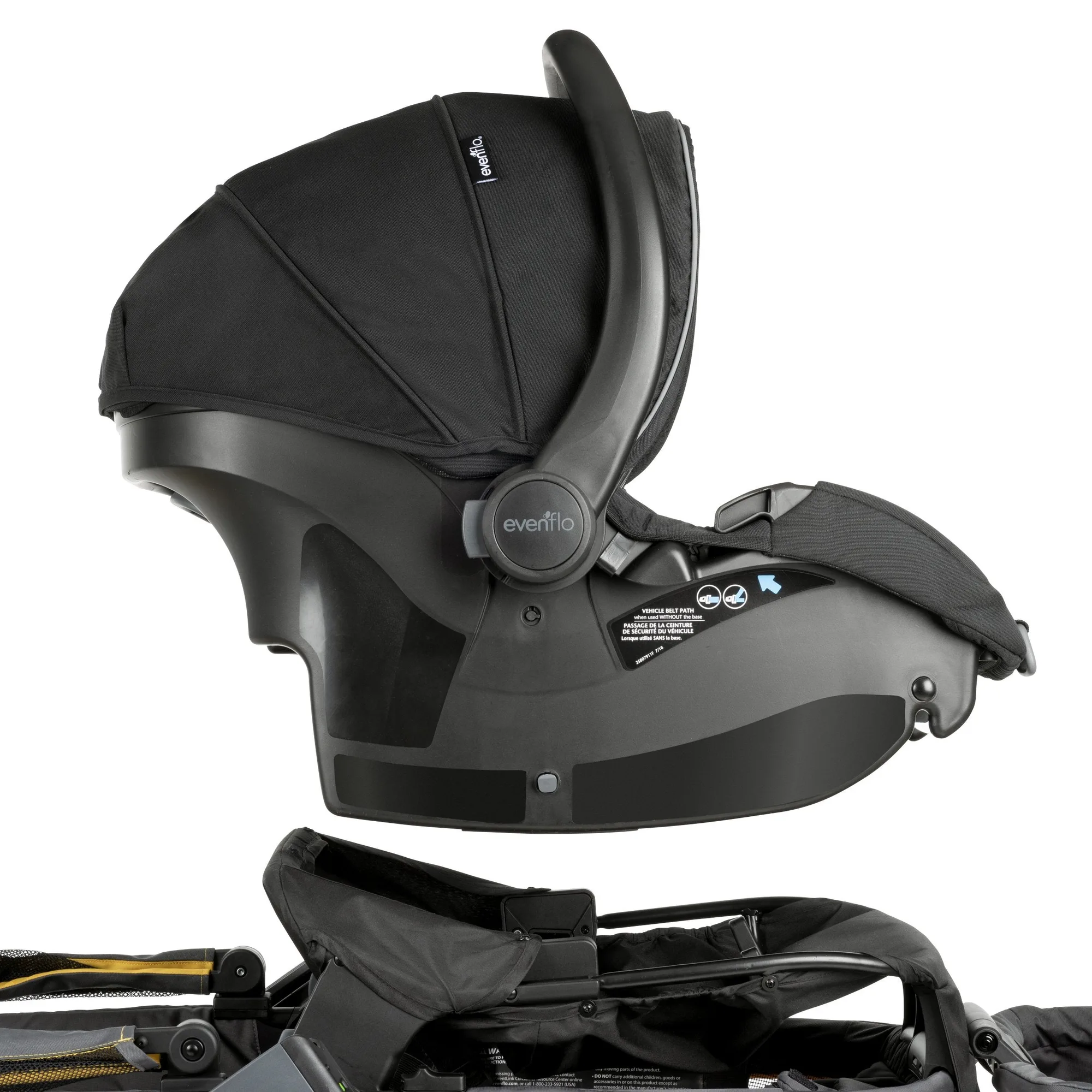
If you plan to carry your baby in and out frequently during the first months, a travel system with an infant car seat is often easier than lifting a newborn into a fixed seat. The Pivot NXT Travel System with LiteMax NXT Infant Car Seat pairs a stroller with an infant seat and offers 6 modes of use, from lay-flat pramette for newborns to upright seating. That setup can bridge the gap until your child is ready for a larger convertible or all-in-one seat.
Space, rotation, and everyday use
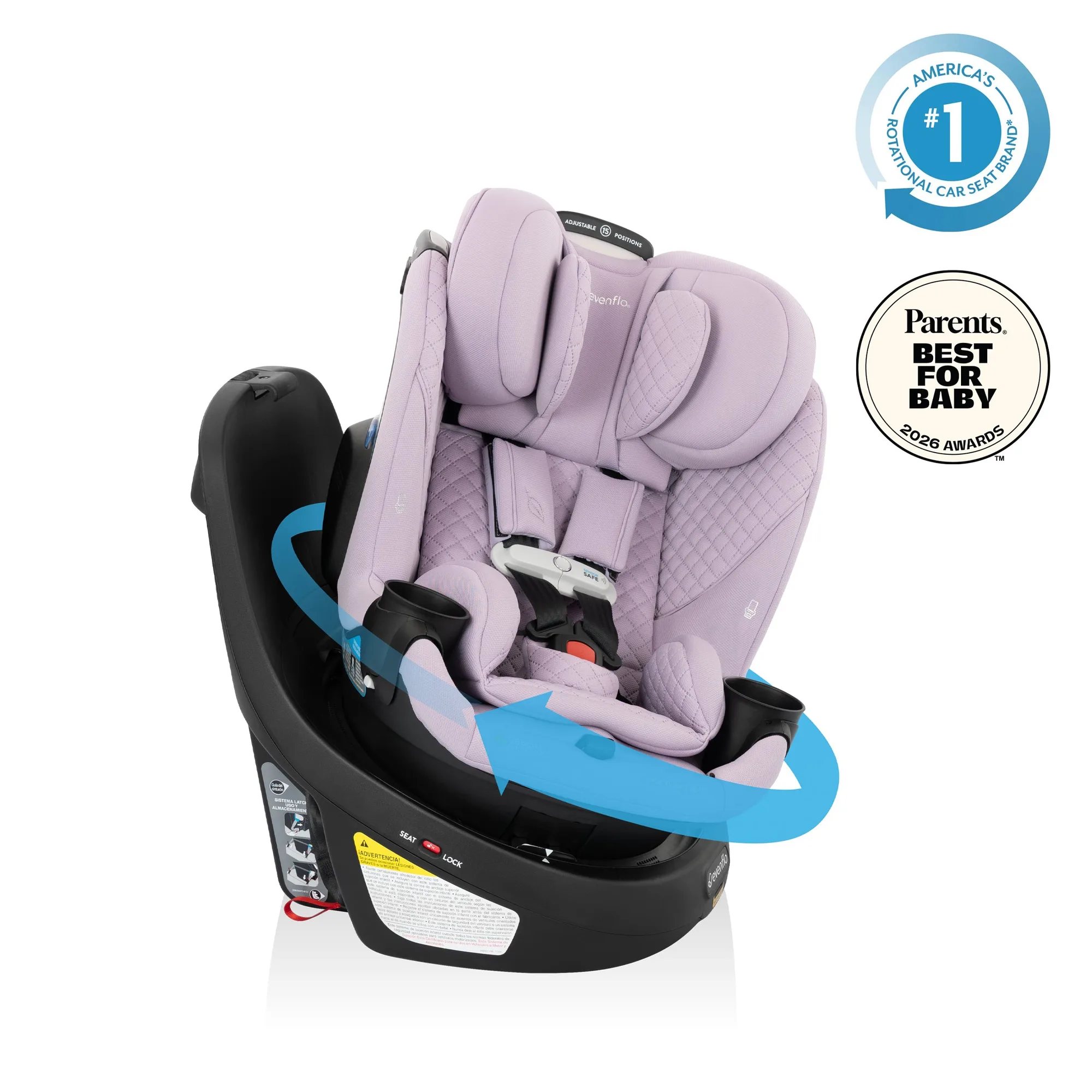
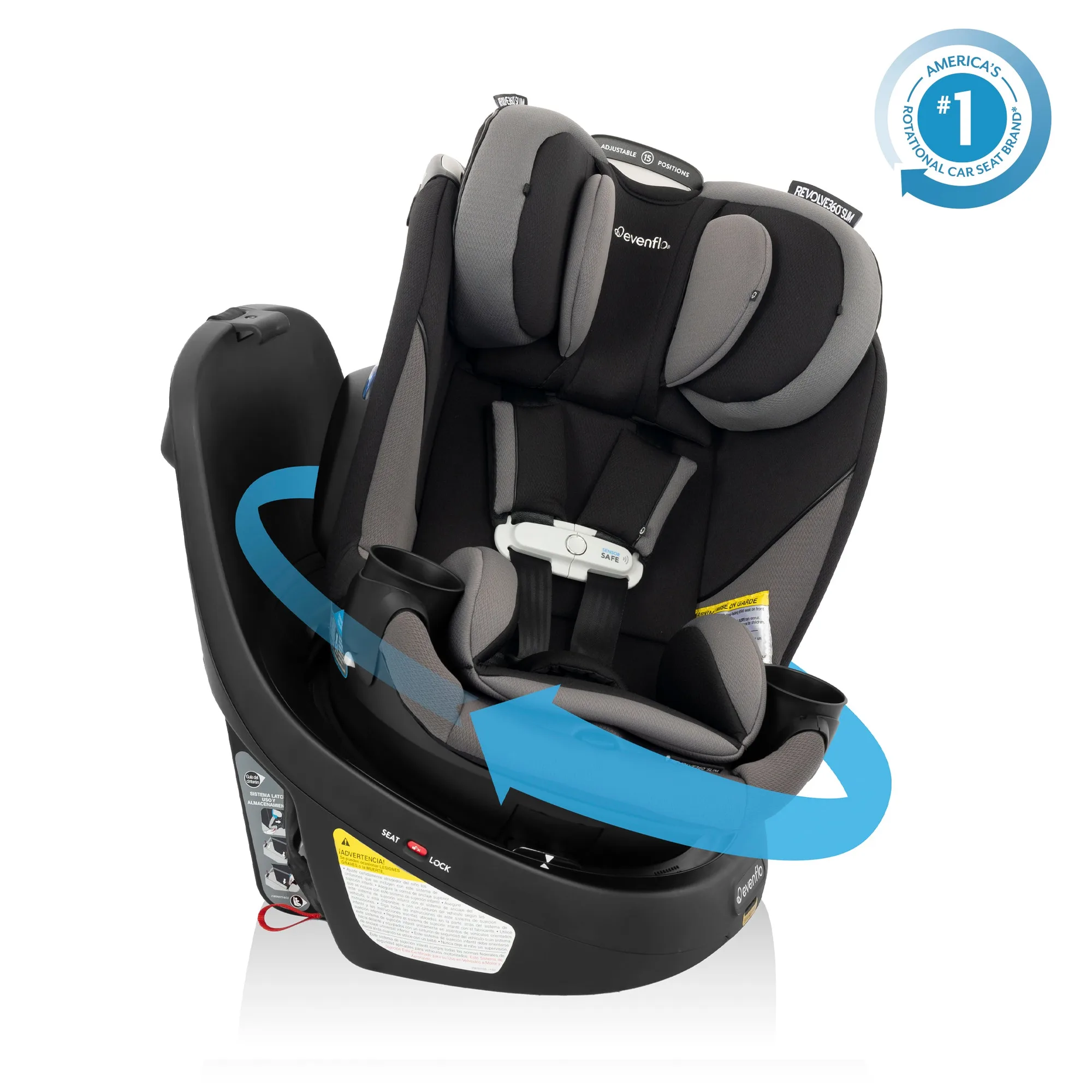
Once you are past the newborn stage, the practical question becomes how the seat works in your car. The Revolve360 Slim 2-in-1 Rotating Car Seat is 16.9 in. wide and offers one-hand, 360-degree rotation, which makes loading and unloading easier in a tight backseat. The All4Stages Slim 4-in-1 Convertible Car Seat is designed for seamless transfer between family cars or rentals, so it suits households that move a seat between vehicles.
Width and rotation are not the only factors. A rotating seat adds a mechanism you will use daily, while a 4-in-1 adds booster mode you will not use for years. Think about which feature you will actually appreciate in the next twelve months, not just at the end of your child's car seat years.
Trade-offs to weigh before you buy
- One seat vs. a focused design: An all-in-one covers rear-facing, forward-facing, and booster, so you buy once. A convertible covers two stages with a simpler design and fewer adjustments to manage. Choose the all-in-one if you want to avoid a second purchase; choose the convertible if you prefer a simpler seat.
- Newborn readiness: A 4 lb rear-facing minimum lets you use the seat from birth, but you still need proper harness height and recline. If you want to carry your baby in and out, a travel system with an infant seat is easier in the early months. Confirm the rear-facing minimum and included inserts before relying on a seat for a newborn.
- Space and daily loading: A 16.9 in. wide rotating seat saves backseat space and turns for easier access. A 4-in-1 seat adds booster capability but is generally larger and heavier to move between cars. Measure your backseat and decide whether rotation or booster mode matters more to you.
Evenflo options at a glance
- All4Stages Slim 4-in-1 Convertible Car Seat: The All4Stages Slim 4-in-1 Convertible Car Seat is designed to be the only car seat you need from birth to booster, and it allows seamless transfer between family cars or rentals. One purchase covers all stages, and the transfer-friendly design helps if your child rides in more than one vehicle.
- Revolve360 Slim 2-in-1 Rotating Car Seat: The Revolve360 Slim 2-in-1 Rotating Car Seat is 16.9 in. wide, offers one-hand 360-degree rotation, and supports rear-facing from 4 lb to 50 lb (17 in. to 48 in.) and forward-facing from 30 lb. The narrow width and rotation make daily loading easier in a tight backseat, and the 4 lb rear-facing minimum suits newborns.
- Pivot NXT Travel System with LiteMax NXT Infant Car Seat: The Pivot NXT Travel System with LiteMax NXT Infant Car Seat offers 6 modes of use, from lay-flat pramette for newborns to upright seating. A travel system can cover the newborn months if you prefer carrying an infant seat rather than lifting a baby into a fixed convertible.
Which seat fits your situation
Best for
- Parents who want one seat from birth to booster and move it between family cars or rentals
- Families who prefer a compact, rotating seat that is easier to load in a tight backseat
- Parents who want an infant seat and stroller combination for the newborn months before switching to a convertible
Not for
- Shoppers who want the simplest possible seat with the fewest adjustments and do not need booster mode
- Families who need a seat that fits three across in a narrow backseat without checking width first
- Parents who plan to carry a newborn in and out of the car frequently and would rather use an infant car seat