After a few rounds of searing, simmering, or sautéing, even the best pots and pans can develop stubborn stains, greasy residue, or baked-on food. Reaching for the strongest degreaser might seem like the quick fix, but many all-purpose kitchen cleaners contain harsh chemicals that can damage delicate surfaces or leave behind residues you don't want near your food. The trick is finding an all-purpose cleaner cookware that removes grime without harming your investment.
Your cookware collection—whether it includes a stainless saucier set, an https://kindaero.store/products/enameled-cast-iron-skillet-97271enameled cast iron skillet, or a non-stick frying pan—deserves a cleaning routine tailored to each material. A good all-purpose kitchen cleaner should be tough on grease, safe on multiple surfaces, and ideally non-toxic so it won't affect flavor or your health. Here's how to pick the right cleaner and use it effectively.
What Makes a Good All-Purpose Cleaner for Cookware?
Not all cleaners are created equal. A truly versatile all-purpose cleaner for cookware should be pH-neutral or mildly alkaline to handle grease without etching metal or enamel. It should also be free of bleach, ammonia, and harsh abrasives that can scratch stainless steel or strip the seasoning from enameled cast iron. Look for products labeled “non-toxic cookware cleaner” or check the ingredient list for plant-based surfactants, baking soda, or citric acid—these cut through fat and food residue without leaving chemical traces.
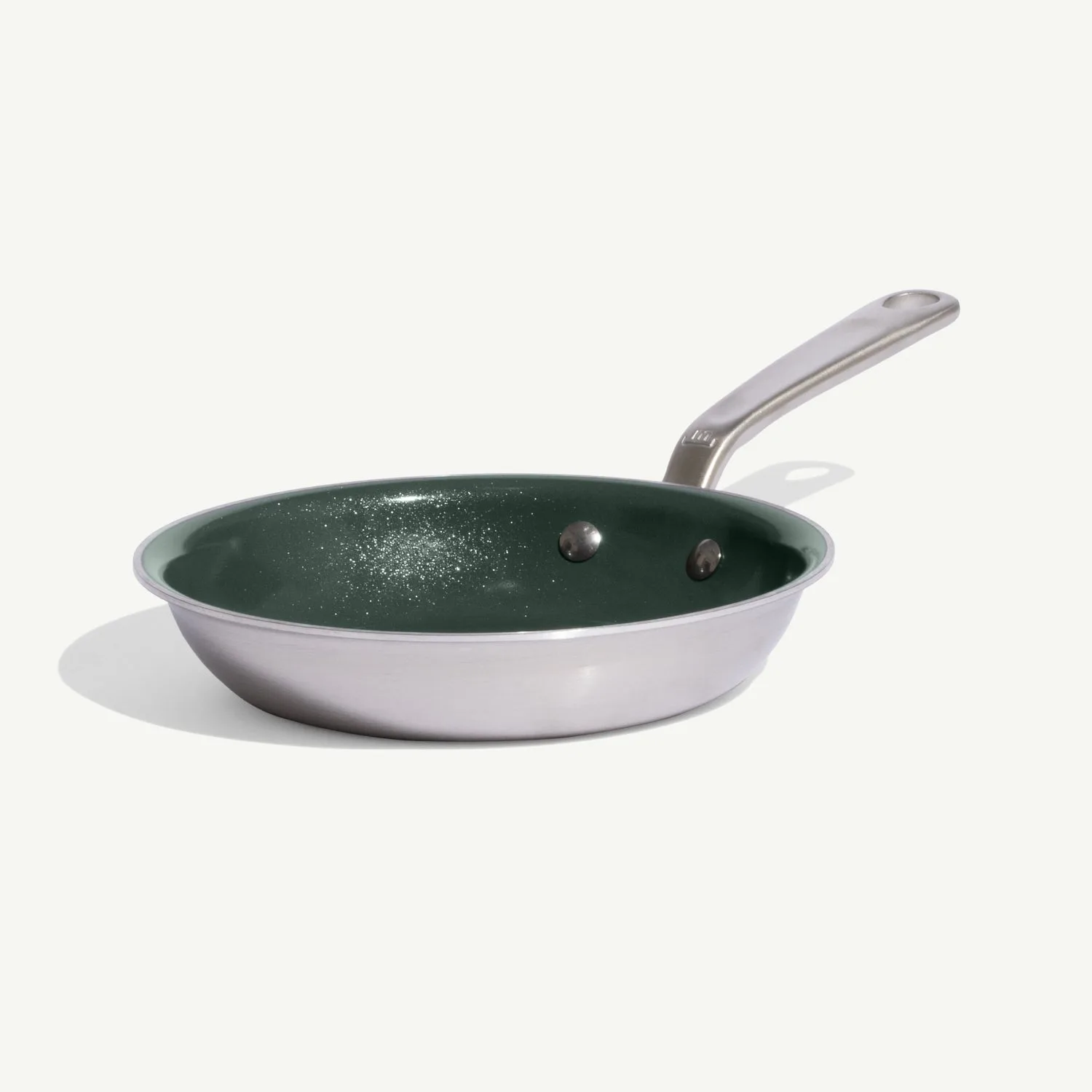
Another quality to consider is rinsability. A cleaner that foams excessively or requires heavy scrubbing to remove can leave film on your pans. The best all-purpose kitchen cleaner will rinse clean with warm water, especially important for porous materials like ceramic non-stick coatings. If you own a CeramiClad 2.0 Non Stick Frying Pan, you'll want a cleaner that won't degrade the coating over time.
- Avoid products with chlorine bleach or sulfuric acid—these can damage enamel and non-stick coatings.
Best Cleaner for Stainless Steel: Restore That Mirror Finish
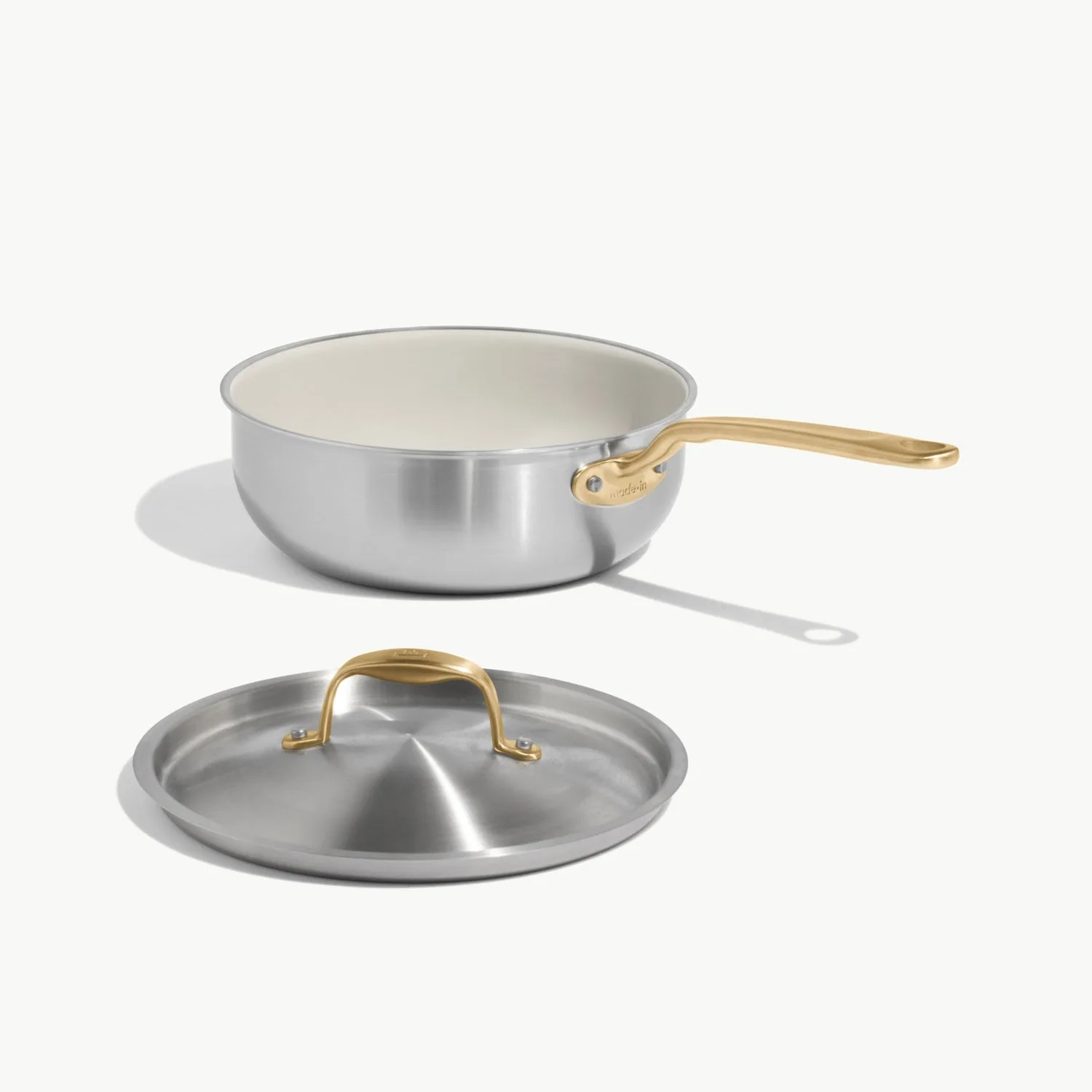
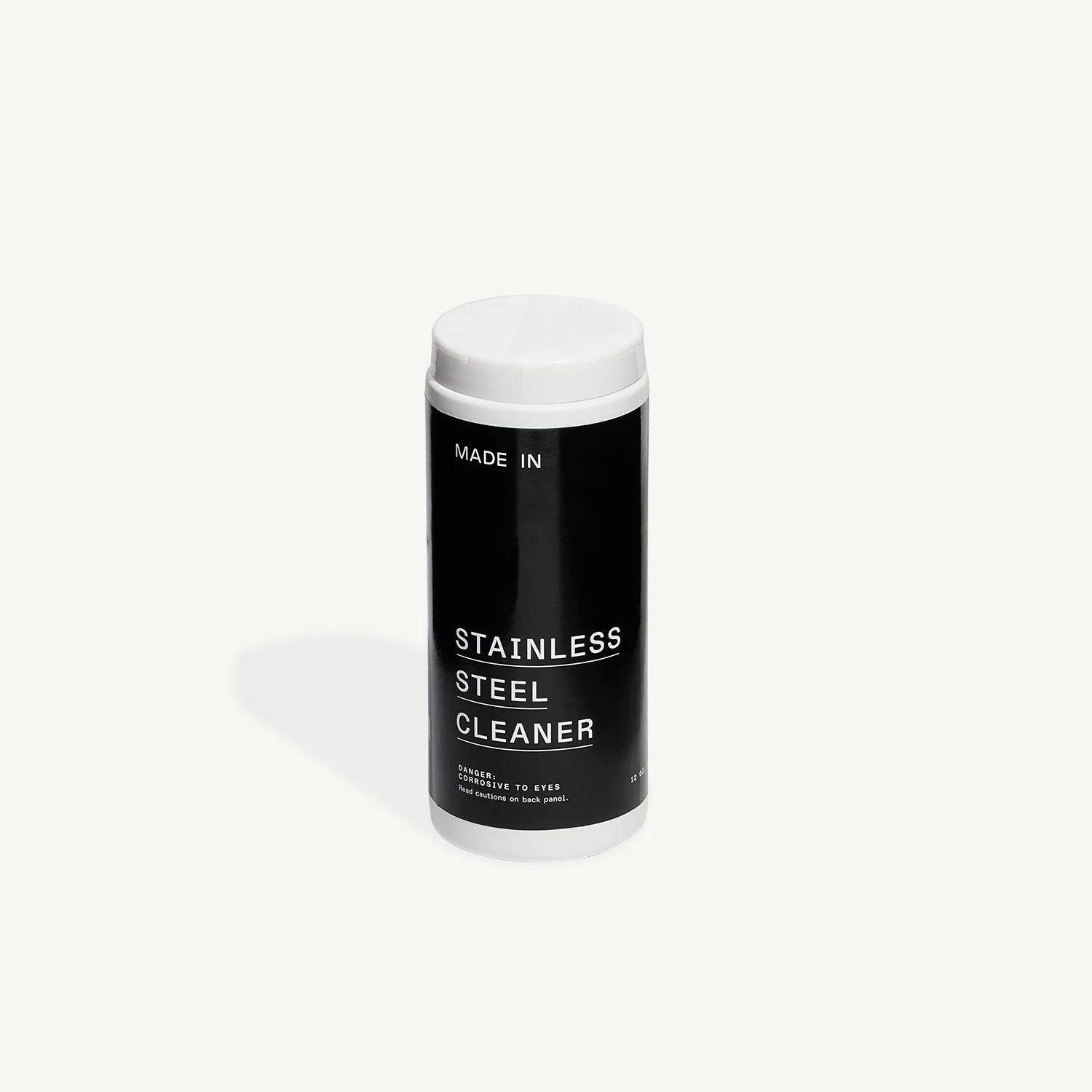
Stainless steel is beloved for its durability and heat conductivity, but it shows every fingerprint, water spot, and heat stain. The best cleaner for stainless steel cookware should remove grease while also polishing away the rainbow discoloration that comes from high heat. Look for a cleaner with oxalic acid or a mild abrasive like fine-grained baking soda—these restore shine without scratching. For everyday cleaning on your Stainless Saucier Set, a spray of diluted vinegar followed by a soft cloth can work wonders, but for tough stains a dedicated stainless steel cleaner is more reliable.
When using any cleaner on stainless steel, always rub in the direction of the grain (the subtle lines from manufacturing). This prevents micro-scratches and keeps the surface uniform. Avoid steel wool or abrasive pads; instead use a non-scratch sponge or a soft brush. After cleaning, rinse thoroughly and dry immediately to prevent water spots.
- For burnt-on food on stainless steel, boil a bit of water with baking soda for 5 minutes before cleaning.
Cleaning Non-Stick and Enameled Cast Iron: Gentle Yet Effective
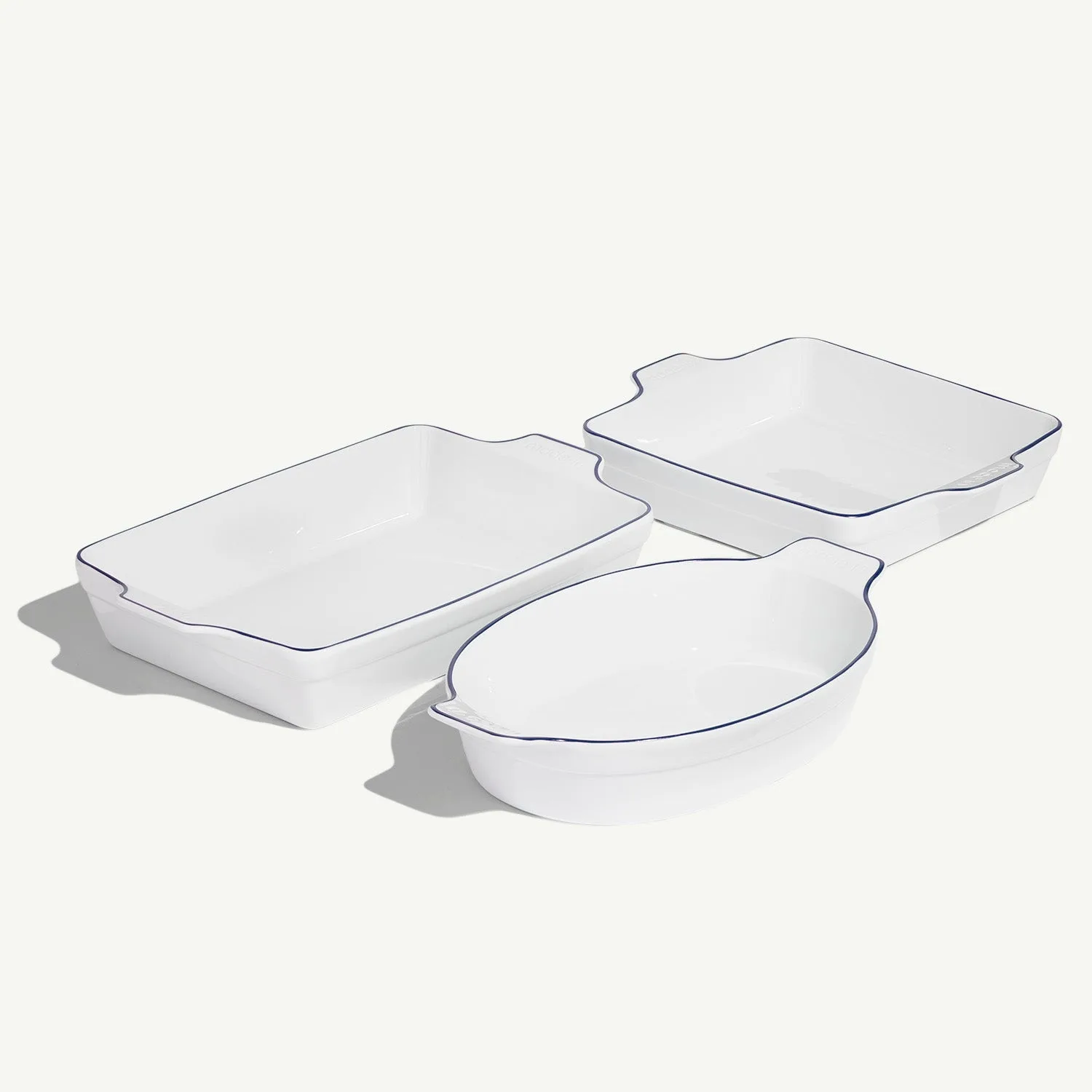
Non-stick pans and enameled cast iron require a completely different approach. Harsh chemicals or abrasive scrubbing can ruin the non-stick coating or dull the glossy enamel. A non-toxic cookware cleaner with mild surfactants is ideal. For your Enameled Cast Iron Skillet, a paste of baking soda and water can lift stains without scratching the enamel. For the CeramiClad 2.0 Non Stick Frying Pan, simply wiping with a soft sponge and a mild dish soap solution usually suffices, but if oil residue builds up, a dedicated all-purpose cleaner cookware with degreasing power will help without damaging the coating.
One common mistake is using cooking spray or too much oil, which can carbonize and form a sticky layer. If that happens, let the pan cool, then apply a small amount of non-toxic cleaner and let it sit for five minutes before wiping. Never use metal utensils or scouring pads on these surfaces. For enameled cast iron, also avoid thermal shock—let the pan cool before adding cold water or cleaner.
- To remove stubborn stains from enameled cast iron, simmer a mixture of water and baking soda for 10 minutes, then cool and wash.
DIY vs Store-Bought: Which All-Purpose Kitchen Cleaner Is Right for You?
Many home cooks turn to homemade cleaners using vinegar, baking soda, and lemon juice. These are inexpensive and non-toxic, but they have trade-offs. Vinegar can dull the finish on some stainless steel grades if used repeatedly, and it shouldn't be used on enameled surfaces because its acidity can erode the enamel over time. Baking soda is great for scrubbing but can be too abrasive if not dissolved fully. For quick daily cleaning, a DIY spray of water with a drop of castile soap works well, but for weekly deep cleaning you might prefer a purpose-made all-purpose kitchen cleaner that's formulated to be safe on all your cookware.
Store-bought options offer consistency and often include chelating agents that lift mineral deposits from hard water. If you choose a commercial product, look for one that explicitly states it's safe for non-stick, stainless steel, and enameled cast iron. Some brands offer concentrate that you dilute, which can be more economical. Whichever route you choose, always test a small hidden area first if you're unsure.
- If you make your own cleaner, use distilled water to avoid introducing minerals that can spot your pans.
Step-by-Step Cookware Cleaning Tips for Everyday Use
Develop a routine that fits your cooking style. After each use, rinse pans with hot water while they're still warm (not hot) to loosen food. For stuck-on bits, deglaze with a little water while the pan is still on the burner—the steam helps lift residue. Then apply your all-purpose cleaner cookware with a soft sponge, scrub gently, and rinse thoroughly. Dry immediately with a clean towel to prevent water marks.
Once a week, do a deeper clean. For stainless steel, use a specialized stainless cleaner to remove heat stains. For non-stick and enameled cast iron, a baking soda paste can revive the surface. Avoid stacking pans without a protective layer—place a paper towel or cloth between them to prevent scratches. With consistent care, your Made In Cookware pieces will perform beautifully for years.
- Never put hot cookware under cold water—thermal shock can warp metal or crack enamel.
Choosing the right all-purpose cleaner for cookware is as important as choosing the pans themselves. By matching the cleaner to the material—and opting for non-toxic formulas when possible—you protect your investment and ensure every meal starts with a clean surface. Whether you're caring for a Stainless Saucier Set, an Enameled Cast Iron Skillet, or a CeramiClad 2.0 Non Stick Frying Pan, a little knowledge goes a long way toward keeping them spotless and ready to use.