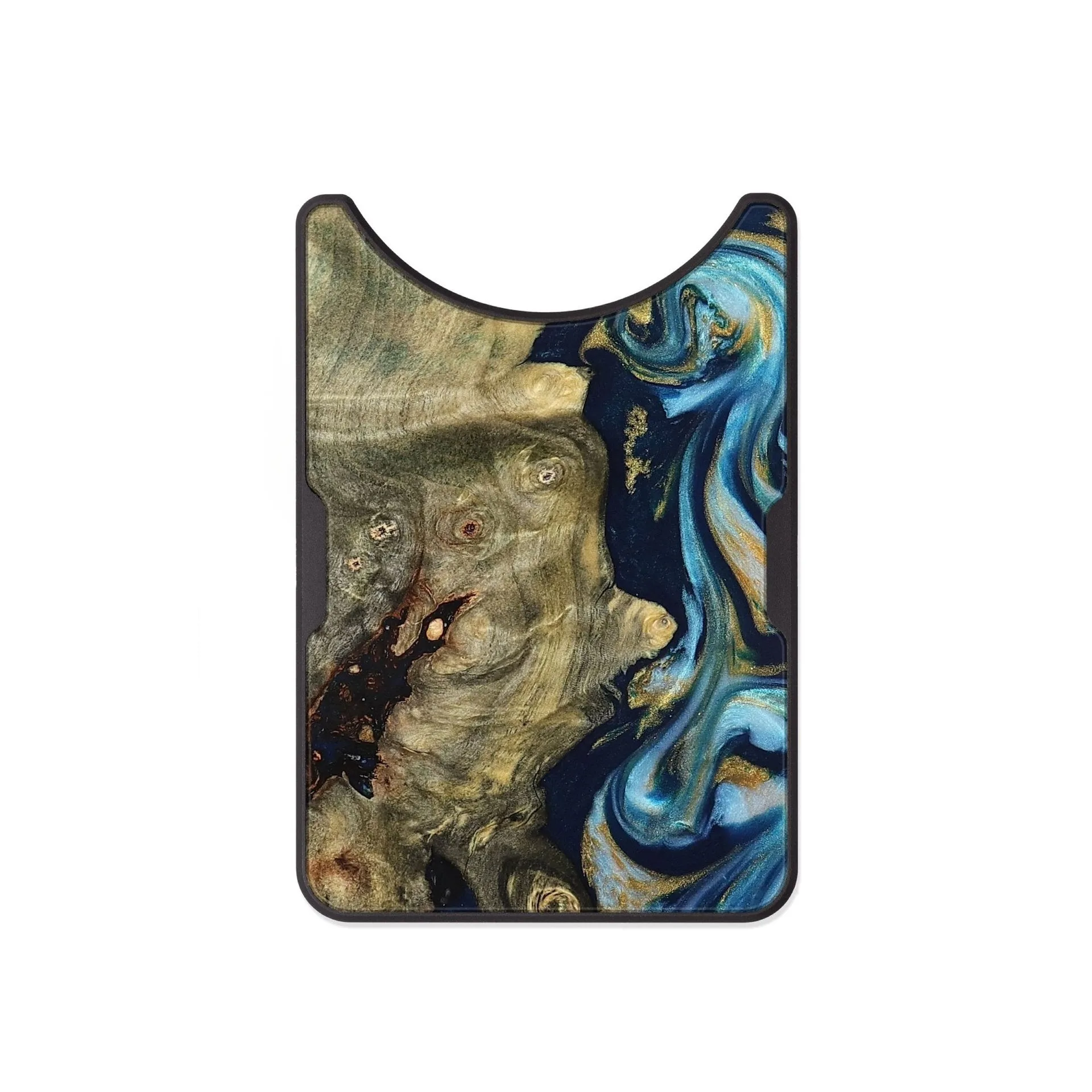
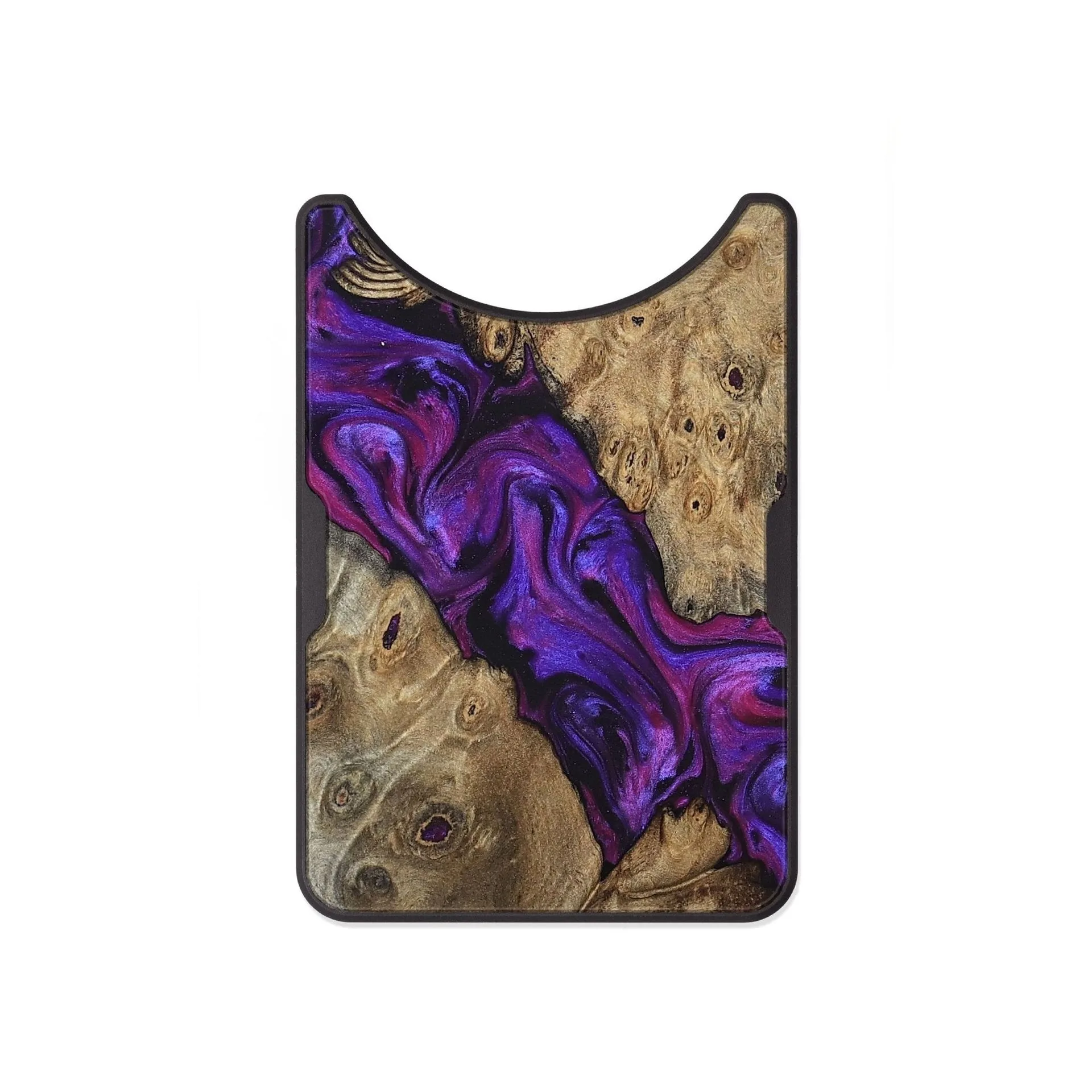
Two blue wallets, one shared foundation
The Ashanti Blue and Kami Blue are both front-pocket metal wallets from the Alloy Wood Wallet line. Each is machined from a single block of aluminum and designed to hold 1–5 cards plus cash. That shared foundation means your decision comes down to small differences—and to what the catalog does and doesn't tell you.
This comparison sticks to supplied product facts. Where the evidence is silent, we flag it as a limitation rather than guess.
What both wallets have in common
-
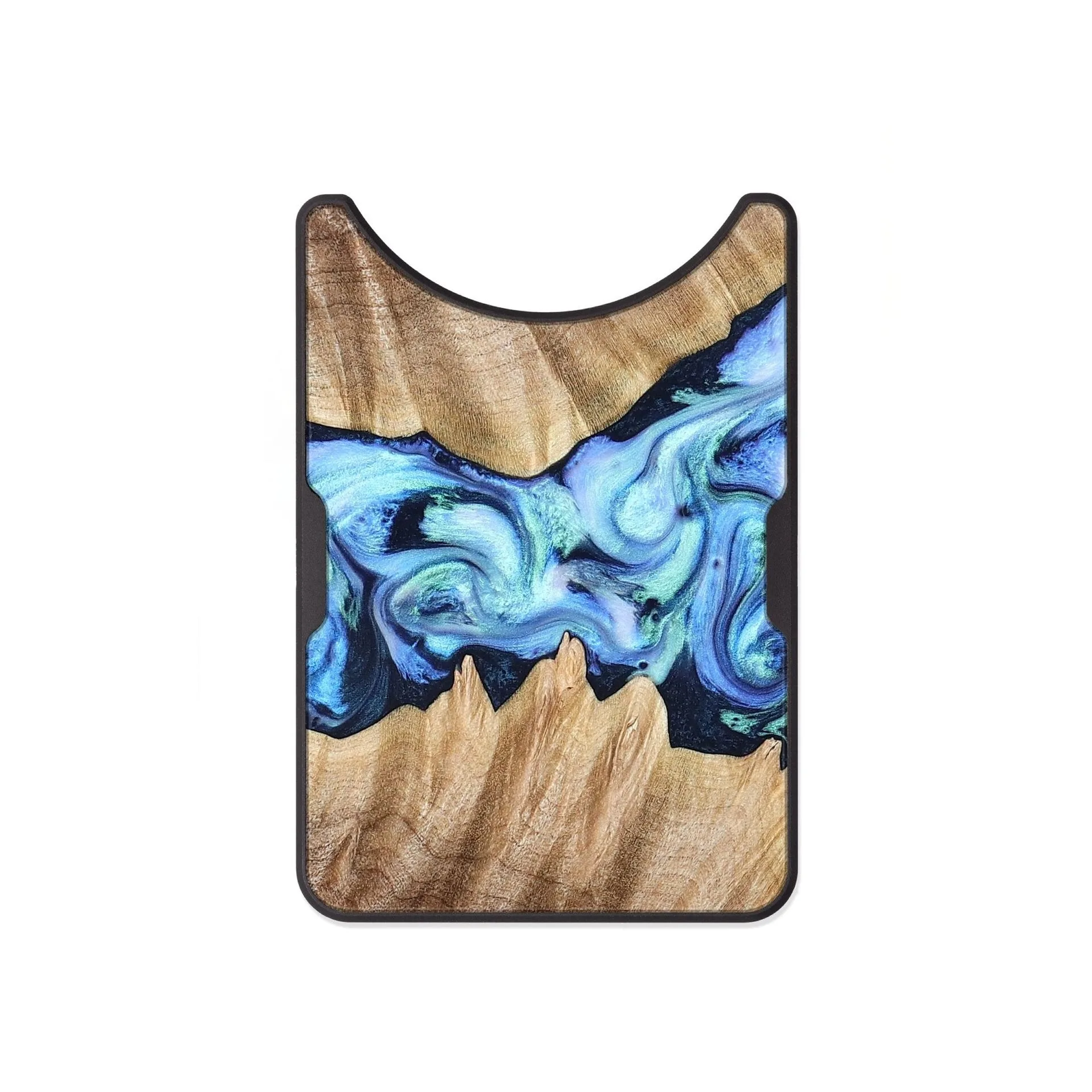
Alloy Wood Wallet - Ashanti (Blue, 823153): Machined from a single block of aluminum and designed to hold 1–5 cards plus cash. Confirms the core capacity and build for the Ashanti Blue.
Alloy Wood Wallet - Ashanti (Blue, 823153)
-
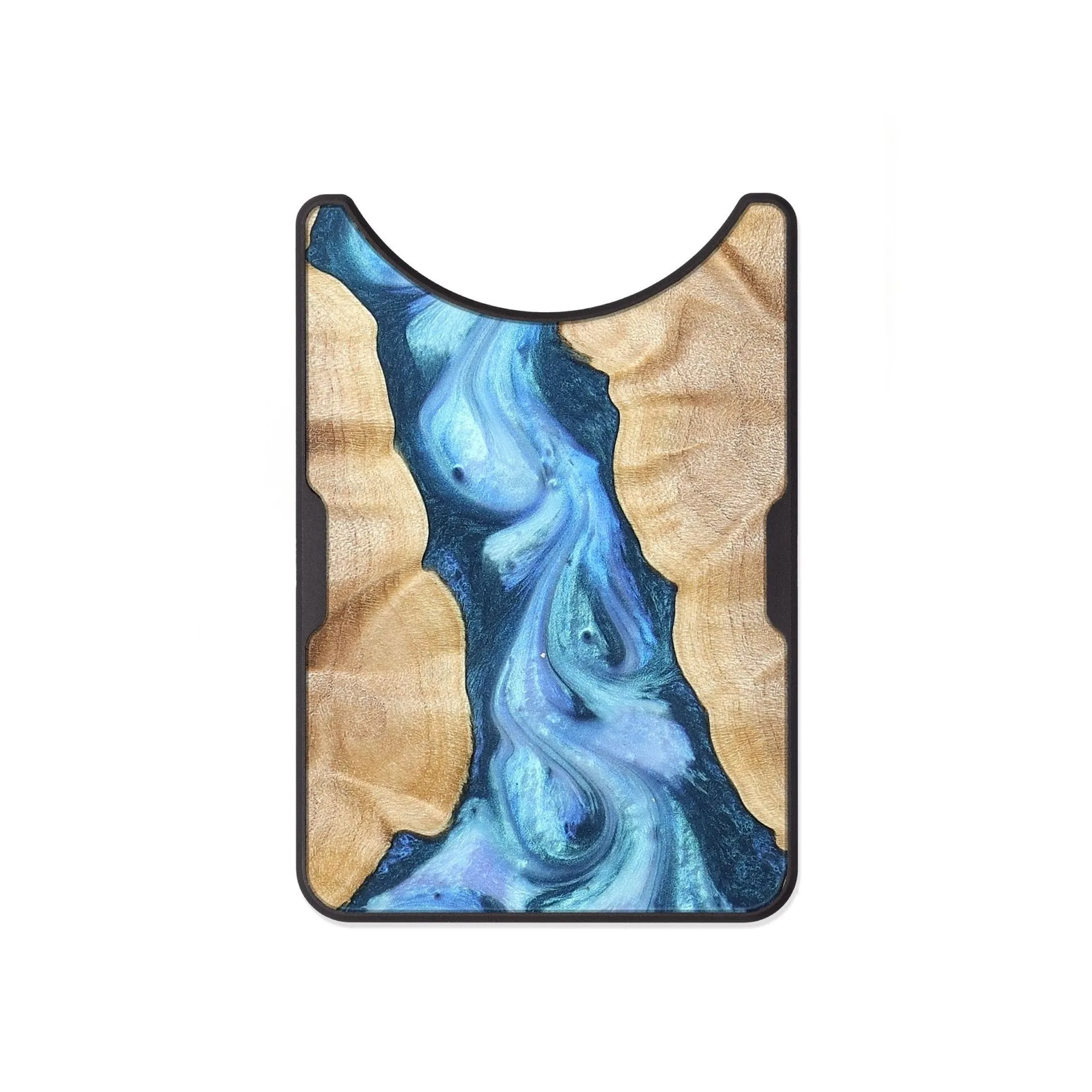
Alloy Wood Wallet - Kami (Blue, 823444): Machined from a single block of aluminum and designed to hold 1–5 cards plus cash. Shows the Kami Blue matches the Ashanti Blue on these fundamentals.
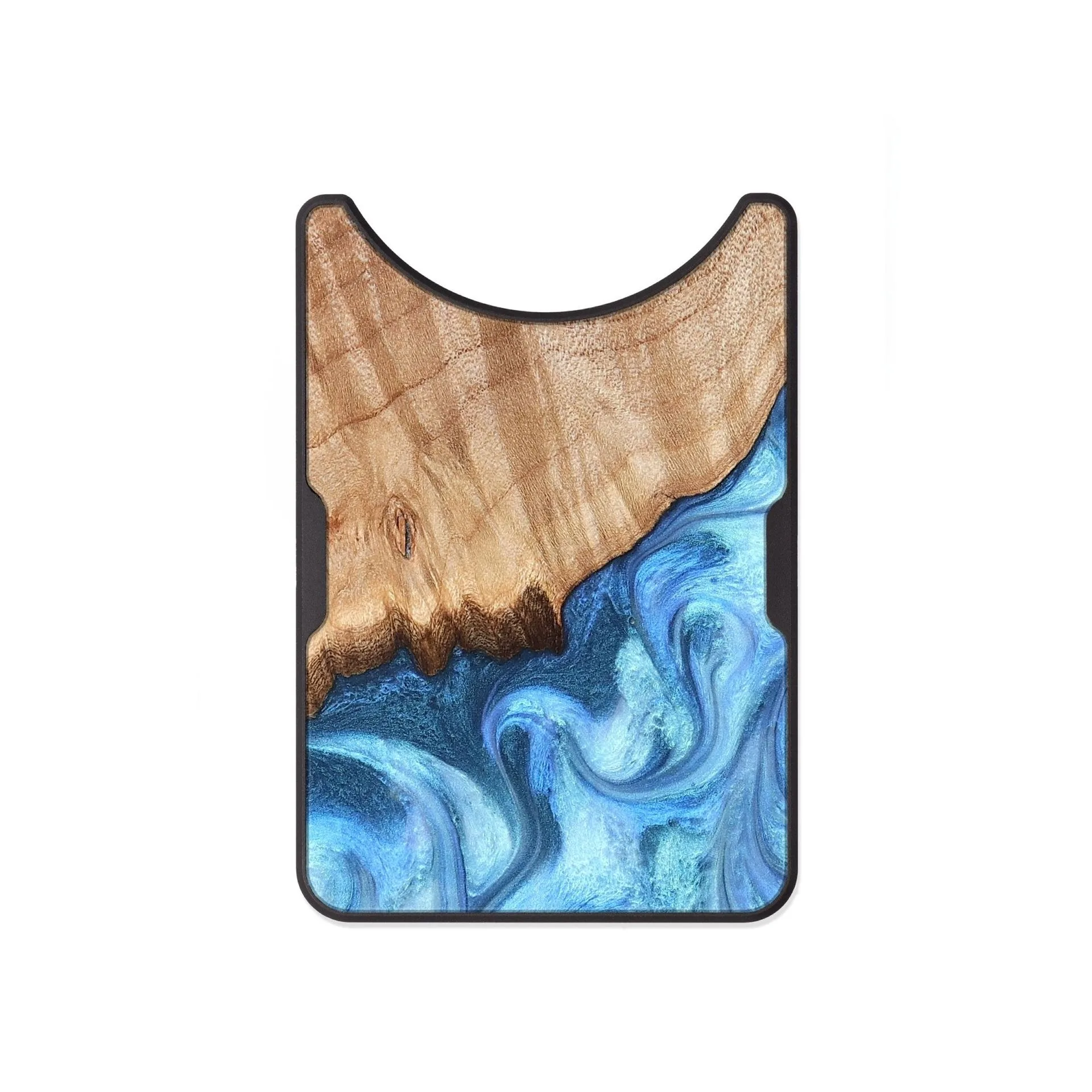
Alloy Wood Wallet - Kami (Blue, 823444)
Side-by-side on the supplied evidence
Both models share the same core description. The only clear differentiators in the catalog are the model name and the listed price.
- Model name: Ashanti Blue (product 297239) vs. Kami Blue (product 297227)—each is a distinct named design in the blue colorway.
- Build and capacity: Both are machined from a single block of aluminum and designed to hold 1–5 cards plus cash.
- Catalog price: Ashanti Blue is listed at USD 42.24 (comparison price USD 64.00); Kami Blue is listed at USD 39.04 (comparison price USD 64.00).
- Variants: Both list a single Standard variant; no other options are shown in the supplied evidence.
What the catalog does not confirm
The supplied records do not include dimensions, weight, card-holding mechanism details, care instructions, or assembly steps for either wallet. They also don't confirm RFID-blocking properties, warranty terms, or whether the aluminum is anodized. If any of these matter to you, treat them as open questions rather than assume either wallet has them.
Because both wallets share the same stated capacity (1–5 cards plus cash), the choice between them is largely about which design you prefer and the price difference—not about a documented performance gap.
How to choose between Ashanti Blue and Kami Blue
Use these steps to make a confident pick based on what the catalog actually supports.
- Start with capacity needs: If you carry between one and five cards plus cash, both wallets are designed for that range. If you routinely carry more than five cards, neither is confirmed for that use.
- Compare the listed prices: At the time of writing, Kami Blue is listed lower (USD 39.04) than Ashanti Blue (USD 42.24), both against a USD 64.00 comparison price.
- Pick the design you prefer: With no other documented differences, the model name and visual style are the main ways to choose. The catalog does not provide additional design details beyond the blue colorway.
- Confirm open questions before buying: If you need dimensions, care guidance, or RFID specifics, ask before purchase—the supplied records don't include them.
Price and variant details for each wallet
- Alloy Wood Wallet - Ashanti (Blue, 823153): Catalog price USD 42.24 (comparison price USD 64.00); single Standard variant. Gives the Ashanti Blue's current listed price and confirms no other variant options are shown.
- Alloy Wood Wallet - Kami (Blue, 823444): Catalog price USD 39.04 (comparison price USD 64.00); single Standard variant. Gives the Kami Blue's current listed price and confirms no other variant options are shown.
The honest takeaway
The Ashanti Blue and Kami Blue are near-identical on paper: same aluminum construction, same 1–5 card plus cash capacity, same single Standard variant. The Kami Blue is listed at a lower price, while the Ashanti Blue costs a bit more. Without further catalog detail, the safest approach is to choose based on the price you're comfortable with and the design you prefer—and to verify any unlisted specification that matters to you before ordering.