Start with what the fine powder actually does
Allulose Fine Powder is a sugar alternative sold in a 1-pound package with a fine, sugar-like texture. That texture is the main practical advantage: it blends easily into beverages, baked goods, and more, so you are not fighting clumps the way you might with a coarser crystal.
The supplied product information describes it as versatile and suited to a variety of uses. It does not provide a sweetness conversion chart, a baking ratio, or a heat-stability statement. That means the safest approach is to treat it as a drop-in sweetener for simple recipes first, then adjust based on taste rather than assuming a one-to-one swap with sugar.
What the package tells you
-
Allulose Fine Powder 1 Pound: Fine powder consistency for smooth mixing This is the reason to choose the fine powder over a granular allulose: it dissolves more readily in drinks and blends more evenly into batters.
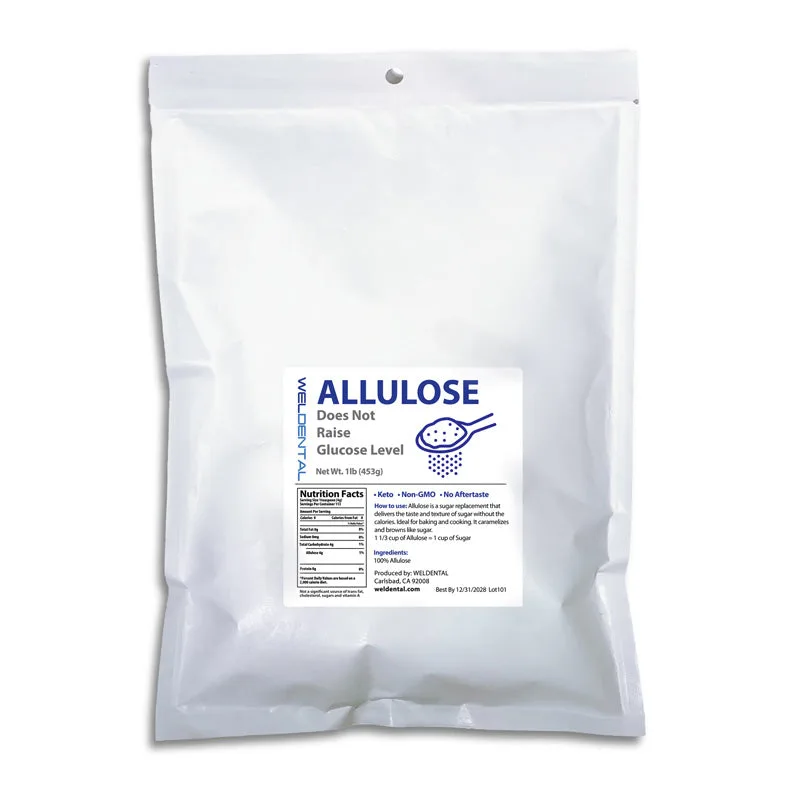
Allulose Fine Powder 1 Pound
-
Allulose Fine Powder 1 Pound: Convenient 1-pound package size A 1-pound bag is a reasonable amount for testing a few recipes before committing to a larger supply.
-
Allulose Fine Powder 1 Pound: Versatile sweetener for a variety of uses The label supports general use in beverages and baked goods, but it does not specify ratios, so you will need to taste and adjust.
A simple way to start cooking with allulose powder
Because the label does not supply a conversion chart, begin with a small batch and adjust. These steps keep the process practical and reversible.
- 1. Begin with drinks: Stir a small amount into coffee, tea, or a cold drink and taste. The fine powder blends easily, so you can add more gradually until the sweetness suits you.
- 2. Test a simple baked recipe: Choose a recipe where sweetness is flexible, such as a muffin or quick bread, and replace only part of the sugar on the first attempt. Note how the batter looks and tastes before baking.
- 3. Adjust the next batch: Use your tasting notes to increase or decrease the allulose. Keep a written record of the amount you used so you can repeat a result you like.
- 4. Scale up only after a successful test: Once you have a ratio that works for your taste, apply it to a full recipe. The 1-pound package gives you enough room for several trials.
Allulose sweetener conversion tips that stay honest
You will find many conversion charts online, but the supplied product information does not include one. Rather than invent a ratio, use taste as your guide and treat any conversion advice as a starting point to verify in your own kitchen.
A few practical habits help. Add allulose in small increments rather than all at once, especially in drinks where it dissolves quickly. In baking, taste the batter before it goes into the oven; this is safe for most recipes that do not contain raw eggs, and it gives you a clearer idea of final sweetness. If a recipe relies on sugar for structure rather than just sweetness, test a small batch first so you do not waste ingredients.
Keep in mind that allulose is described as a sugar alternative, not a sugar substitute with published baking performance. The label does not confirm how it behaves at high heat or in yeast doughs, so those are areas to explore cautiously rather than assume.
Where the fine texture helps most
- Cold drinks: The fine powder disperses more easily than coarse crystals, so it is a good fit for iced tea, lemonade, or smoothies where you want sweetness without grit.
- Baked goods: The label lists baked goods as a use, and the fine texture blends into batters and doughs more smoothly than a granular sweetener.
- Everyday recipes: The product is described as versatile, so it can be used wherever you want a sugar alternative, from sauces to desserts, as long as you taste and adjust.
What the label does not cover
The supplied information does not include a sweetness conversion ratio, a recommended daily intake, or specific baking temperatures and times. It also does not state whether the product is non-GMO, organic, or suitable for a particular diet beyond being a sugar alternative.
That absence is not a flaw in the product; it simply means you should not expect the package to answer every question. If you need a precise conversion for a delicate recipe, test a small batch first. If you have a medical condition or follow a specific diet, check with a qualified professional before making allulose a regular part of your routine.
For most home cooks, the fine powder is easiest to use as a flexible sweetener for drinks and simple bakes, with the understanding that you are tasting and adjusting rather than following a fixed formula.