Why Allulose Fine Powder Matters for Oral Health
When choosing a sweetener that won't harm your teeth, allulose fine powder stands out. It naturally occurs in figs, raisins, and maple syrup, and it offers a sugar-like taste without the unpleasant aftertaste many alternatives have. More importantly, allulose resists fermentation in the digestive system, which means it's unlikely to cause gas or bloating—and crucially, oral bacteria cannot ferment it to produce enamel-eroding acids.
Zero Glycemic, Zero Cavity Risk
Allulose has zero calories and a zero glycemic index. Unlike regular sugar, it doesn't raise blood glucose levels—and some studies indicate it may even help lower them. But for oral health, the key benefit is that it doesn't feed the bacteria that cause cavities. This makes allulose fine powder an excellent sugar substitute for anyone looking to reduce their sugar intake without sacrificing sweetness.
Key Product Facts
-
Allulose Fine Powder 1 Pound: Allulose Fine Powder 1 Pound is a fine powder that dissolves easily, is Non-GMO, Zero Glycemic, and packaged in eco-compostable packaging. The fine texture makes it simple to mix into beverages or recipes, while the zero-glycemic profile supports stable blood sugar and reduces cavity risk. The eco-compostable packaging aligns with zero-waste oral care routines.
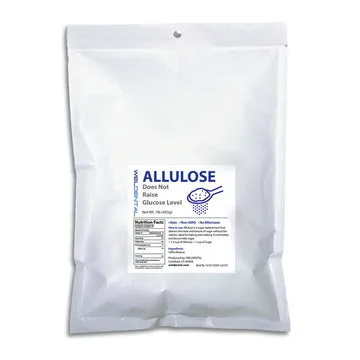
Allulose Fine Powder 1 Pound
How to Use Allulose Fine Powder in Your Diet
Because it's a fine powder that dissolves easily, allulose works well in coffee, tea, smoothies, yogurt, oatmeal, and baking. Substitute it 1:1 for sugar in most recipes, though you may need to adjust liquid slightly in baked goods since allulose retains moisture differently. Its clean taste means you won't get the cooling aftertaste typical of erythritol or the bitter notes of stevia.
What the Supplied Information Confirms and Doesn't Cover
The product record confirms that allulose fine powder is a zero-calorie, non-GMO sweetener that resists fermentation and may help lower glucose levels. It does not provide specific serving sizes or dosage recommendations for oral health. For personalized dietary advice, consult a healthcare professional. Always follow the manufacturer's instructions for use.