When you stand in the nut butter aisle, the choice between almond butter and peanut butter can feel surprisingly big. Both are beloved spreads, but their nutritional profiles differ in ways that matter for your health goals. Whether you're looking to boost protein intake, increase healthy fats, or simply find a tastier option, understanding these differences helps you make an informed decision.
In this almond butter vs peanut butter comparison, we'll break down the key nutrients, health benefits, and practical considerations for each. By the end, you'll know exactly which spread deserves a spot in your pantry.
Protein Content: Which Nut Butter Packs More Punch?
Peanut butter has long been celebrated as a protein powerhouse, and for good reason. A typical two-tablespoon serving of peanut butter provides around 7–8 grams of protein, making it a solid choice for post-workout recovery or a filling snack. Peanuts are legumes, which naturally contain more protein than tree nuts. If your primary goal is maximizing protein per spoonful, peanut butter is the clear winner.
Almond butter, while slightly lower in protein (about 6–7 grams per serving), still offers a respectable amount. What almond butter lacks in protein quantity, it compensates for with a superior amino acid profile and higher levels of vitamin E and magnesium. For those who want a balanced spread that supports muscle function and immune health, almond butter is an excellent alternative. Try the Smooth Almond Butter 1kg for a versatile, protein-rich option that works well in smoothies and on toast.
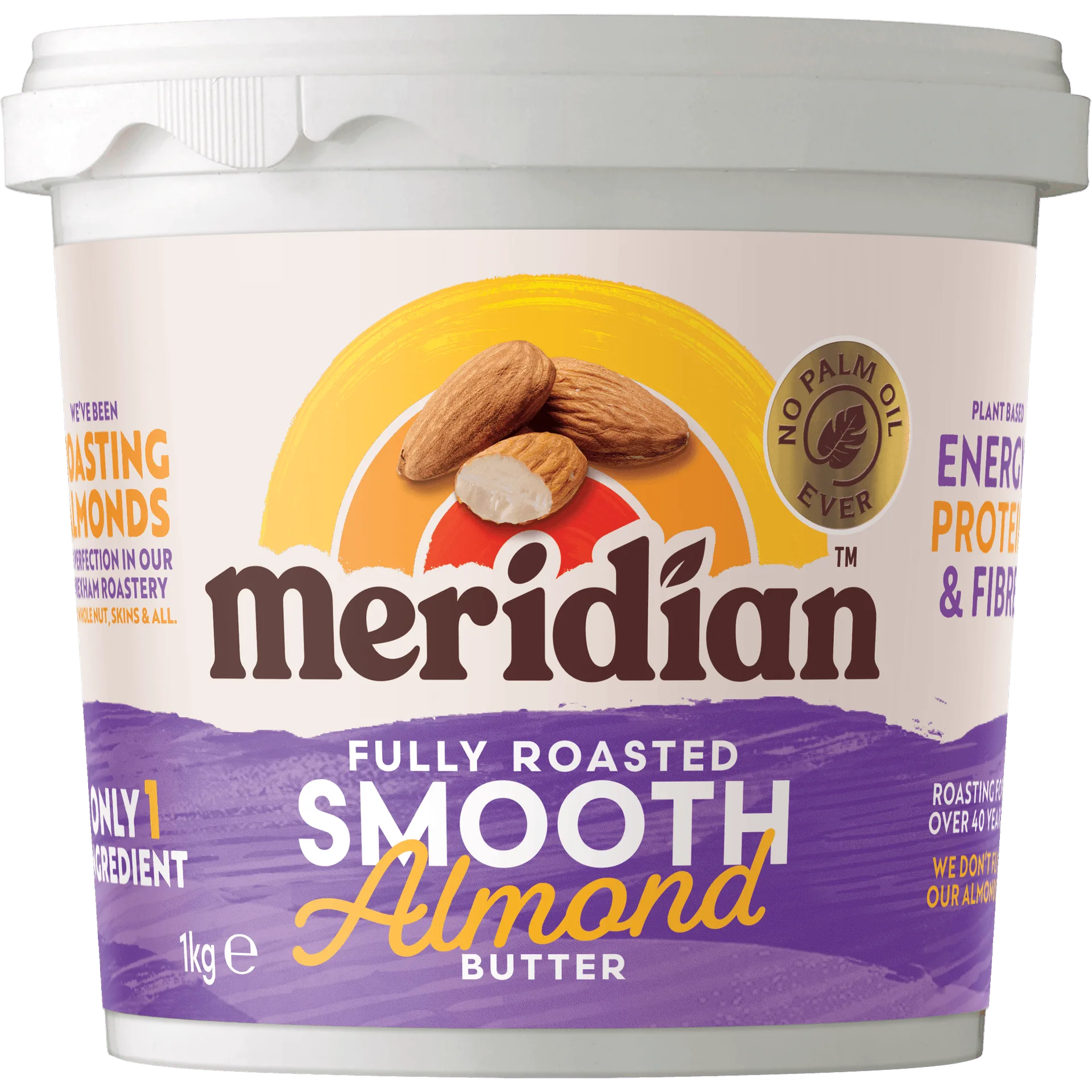
Smooth Almond Butter 1kg
- Tip: If you're an athlete or need extra protein, pair nut butter with whole-grain bread or a banana for a complete amino acid profile.
Healthy Fats: Monounsaturated vs Polyunsaturated
Both almond butter and peanut butter are rich in healthy fats, but the types differ. Almond butter is higher in monounsaturated fats—the same heart-healthy fats found in olive oil. These fats are linked to reduced inflammation, better cholesterol levels, and improved heart health. A single serving of almond butter contains about 9 grams of monounsaturated fat.
Peanut butter contains more polyunsaturated fats, including omega-6 fatty acids. While omega-6s are essential, most modern diets already contain plenty of them. Choosing almond butter can help you tip the balance toward more monounsaturated fats, which many nutritionists recommend. For a convenient single-serving option, the Organic Smooth Almond Butter 170g offers pure, unblended almond goodness with no added oils.
- For a twist on healthy fats, try the Coconut & Almond Butter 170g, which combines the monounsaturated benefits of almonds with the medium-chain triglycerides (MCTs) from coconut.
Micronutrients: Vitamins and Minerals Compared
Almond butter is a standout source of vitamin E, a powerful antioxidant that protects cells from oxidative damage. One serving provides about 4 mg of vitamin E—roughly 25% of your daily needs. It's also rich in magnesium (75–80 mg per serving), which supports muscle relaxation, nerve function, and bone health. Almond butter also contains calcium and iron, making it a nutrient-dense choice.
Peanut butter, on the other hand, is higher in B vitamins, especially niacin (vitamin B3) and folate. Niacin supports energy metabolism and skin health, while folate is crucial for cell growth and development. Peanut butter also provides copper and manganese. However, it contains less vitamin E and magnesium than almond butter. If you're looking to boost antioxidant intake, almond butter is the better pick.
- Practical tip: Rotate between almond and peanut butter to get a broader spectrum of vitamins and minerals throughout the week.
Calories and Satiety: Which Keeps You Fuller Longer?
Calorie-wise, almond butter and peanut butter are nearly identical—both hover around 180–200 calories per two-tablespoon serving. The difference lies in how they affect satiety. Almond butter's higher fiber content (about 3 grams per serving vs 2 grams for peanut butter) can help you feel fuller for longer. Fiber slows digestion and stabilizes blood sugar levels, reducing the urge to snack between meals.
Peanut butter's higher protein content also promotes fullness, but through a different mechanism. Protein increases levels of satiety hormones like peptide YY and GLP-1. For many people, the choice comes down to personal preference and how each spread fits into their daily routine. If you want a satisfying, crunchy texture, the Crunchy Peanut Butter 1kg delivers protein and a satisfying bite.
- For a lower-calorie option, stick to single-serving jars like the Smooth Cashew Butter 170g to help with portion control.
Taste, Texture, and Versatility in the Kitchen
Taste is subjective, but there are clear differences. Almond butter has a slightly sweet, nutty flavor with a creamy or crunchy texture depending on how it's processed. It pairs beautifully with fruits, oats, and dark chocolate. Peanut butter offers a bold, savory-sweet taste that many find addictive. It's a classic choice for sandwiches, sauces, and baked goods.
Both spreads work well in smoothies, on toast, or straight from the jar. However, almond butter tends to be more versatile in savory dishes like stir-fries and dressings, while peanut butter shines in Asian-inspired recipes like satay sauce. For a unique flavor experience, the Charity Edition - Smooth Chocolate Spread 240g combines the richness of chocolate with smooth nut butter for a treat that feels indulgent but still nutritious.
- Try almond butter in overnight oats or peanut butter in a Thai noodle bowl for two completely different culinary experiences.
Both almond butter and peanut butter have rightful places in a healthy diet. Almond butter edges ahead for heart-healthy fats, vitamin E, and magnesium, while peanut butter wins on protein and B vitamins. Your choice should reflect your personal health priorities and taste preferences. Explore our full range of nut butters to find your perfect match—start with the Smooth Almond Butter 1kg for a versatile, nutrient-packed staple that supports your wellness journey.