When you’re stocking a kitchen, the knife you reach for most often says a lot about your prep style. Some cooks swear by a nimble utility blade for quick jobs, while others won’t start a meal without a full-size chef’s knife. The Almost 4" knife and the 8" knife represent two ends of that spectrum, and choosing between them isn’t about picking a winner — it’s about understanding what each tool does best.
Both blades have their place on the counter, and the right choice depends on the tasks you tackle daily. Whether you’re slicing a single apple or chopping a pile of onions, blade length directly affects control, leverage, and efficiency. Let’s break down the differences so you can decide which knife deserves the prime spot in your hand.
Task Suitability: Small Knife vs. Chef Knife
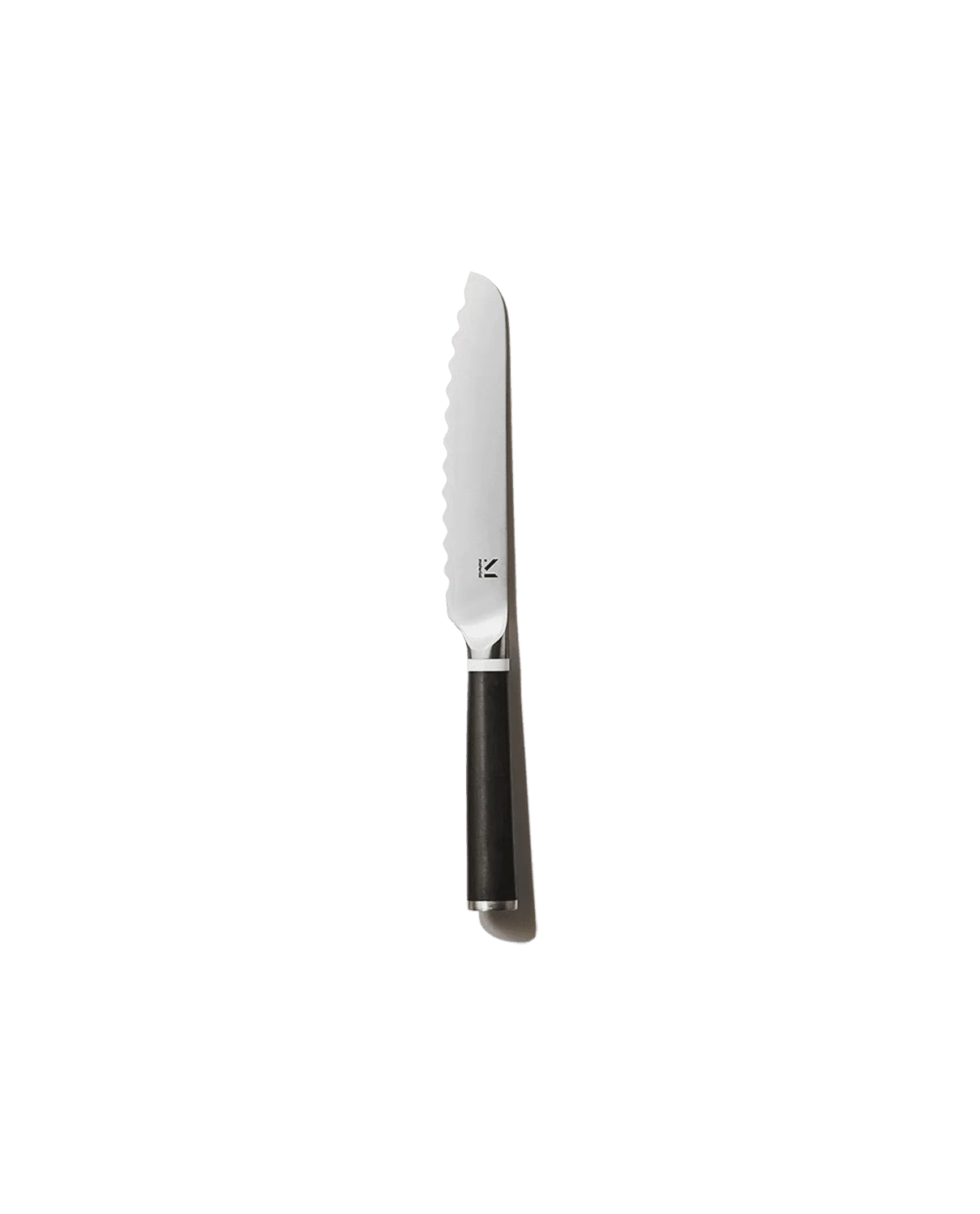
The Almost 4" knife is a utility blade built for precision work. Its compact size makes it ideal for peeling, trimming, and slicing smaller produce — think strawberries, shallots, or a single garlic clove. Because it’s short and lightweight, you have fine control for detail tasks like coring a tomato or removing the silver skin from a tenderloin. The 8" knife, by contrast, is a workhorse designed for larger cutting motions. Its longer blade lets you rock through herbs, slice across bell peppers, or break down a butternut squash with fewer passes.
If your cooking involves lots of small, intricate prep — scoring bread, deveining shrimp, or segmenting citrus — the Almost 4" knife feels like an extension of your hand. For heavy volume (chopping a dozen carrots or dicing multiple onions), the 8" knife’s extra length and weight do the heavy lifting. Many home cooks find they use both: the small knife for the fiddly bits, the chef knife for the main event.
- Try pairing either knife with The Good Prep Set to keep your cutting board organized and your blades within easy reach.
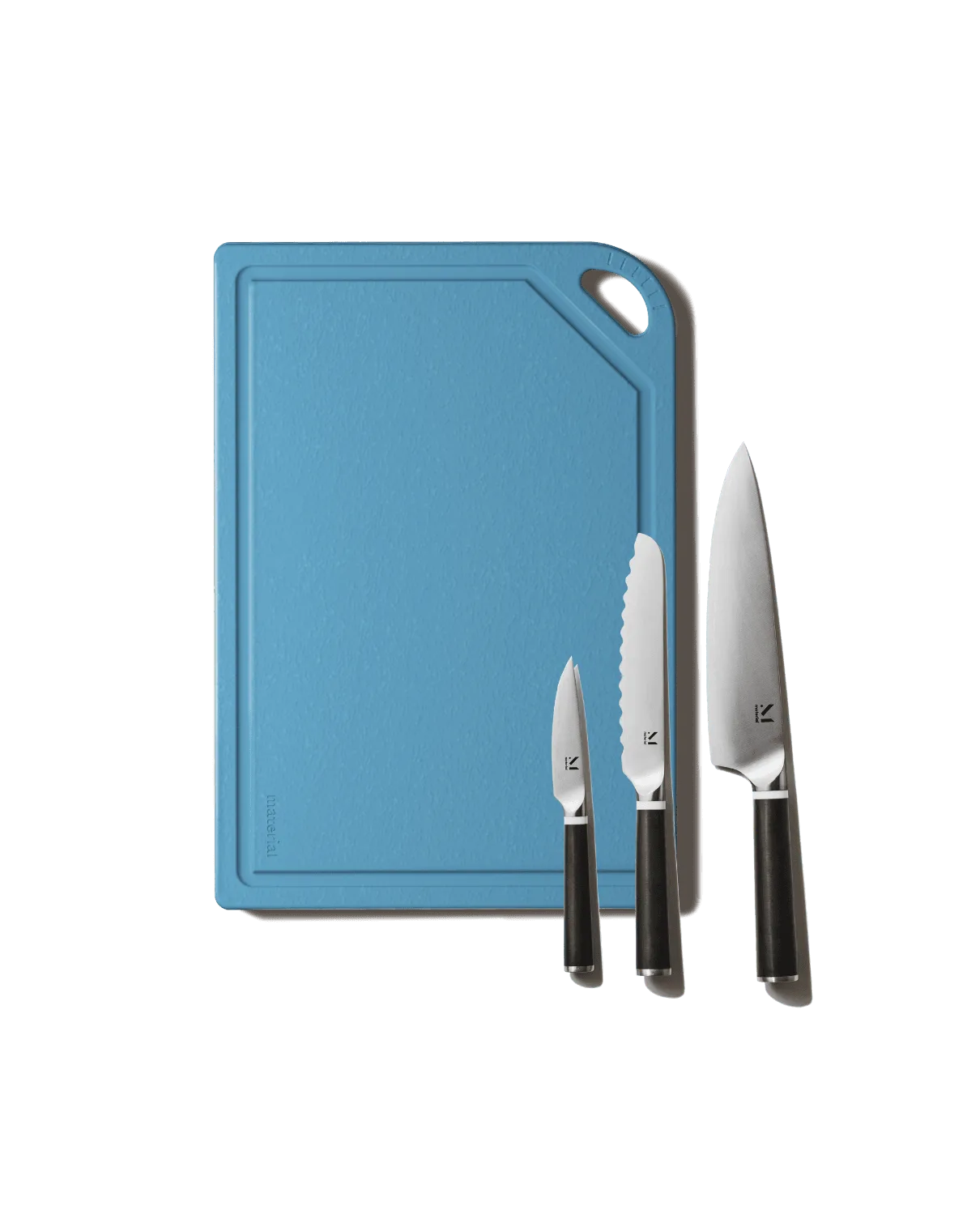
The Good Prep Set
- For delicate herbs, a short blade gives you more precise placement; for dense root vegetables, a longer blade uses momentum to reduce effort.
Grip and Balance: Utility Knife vs. Chef Knife
The Almost 4" knife typically has a thin, nimble blade that allows a pinch grip close to the edge. This makes it excellent for pull cuts and detail work, where you want maximum feedback from the food. The handle is proportionally smaller, suiting hands that need quick pivots rather than heavy downward force. Balance favors the tip, so you feel the blade’s exact position — great for trimming a strawberry hull or scoring a pattern on a pastry.
An 8" knife usually has a broader blade and a heavier bolster, shifting the balance point toward the handle. This design gives you leverage for rock-chopping and slicing through dense ingredients. The weight provides momentum, so you don’t have to muscle through a butternut squash or a wedge of cabbage. For most cooks, the 8" knife feels more substantial in the hand, which can reduce fatigue during long prep sessions.
If you ever feel the 8" knife is too big for a task (like slicing a single mushroom into thin medallions), that’s your cue to grab the Almost 4" knife. If you find yourself repeatedly needing more reach or power, the 8" is the better pick.
- Both knives benefit from a properly sized cutting board — a board that’s too small forces awkward angles regardless of blade length.
- The Angled Board’s sloped surface gives the Almost 4" knife extra control for precise cuts.
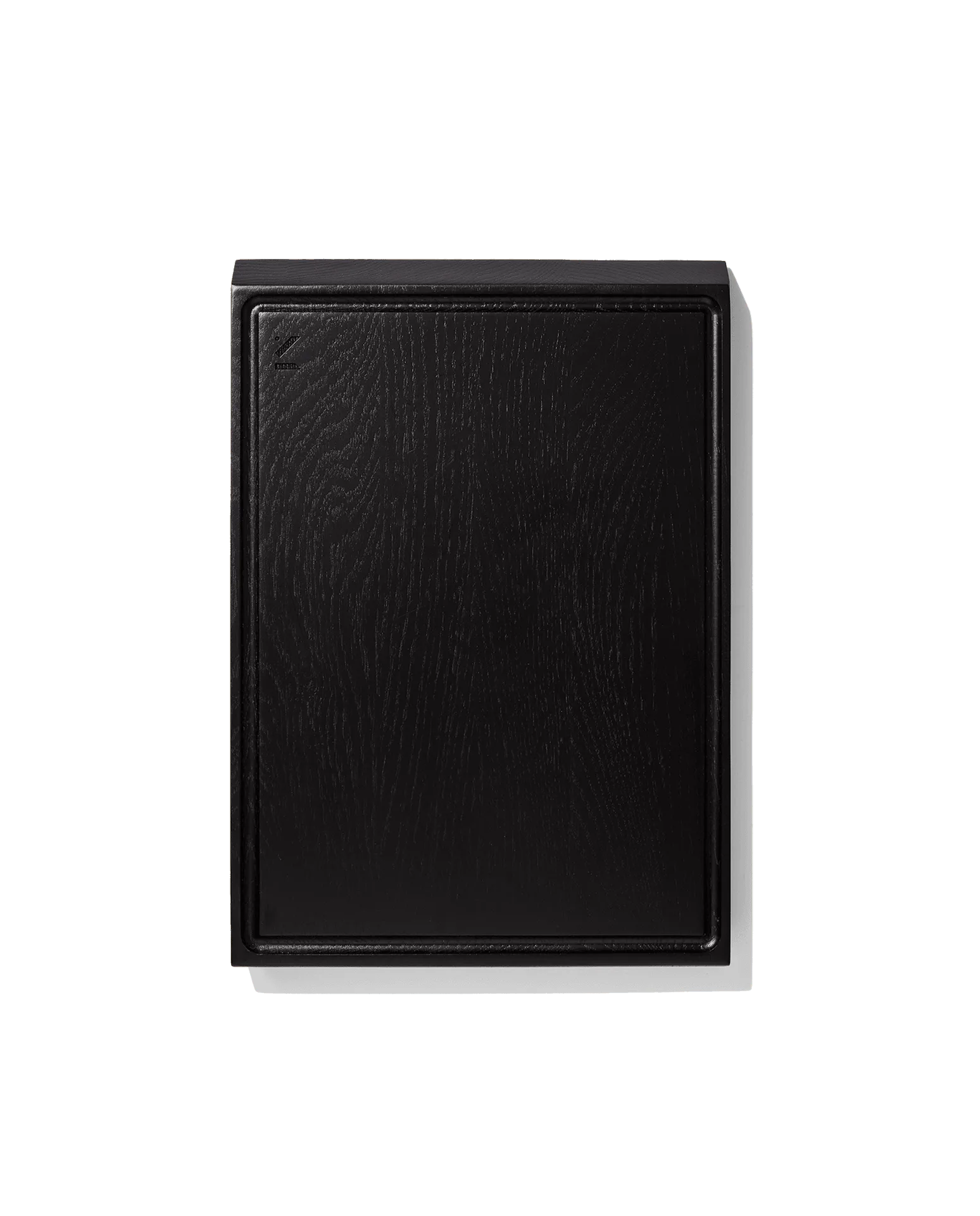
The Angled Board
Storage and Maintenance Considerations
Blade length also affects how you store and maintain your knives. The Almost 4" knife fits easily in almost any knife block or drawer insert, and it’s short enough to keep on a magnetic strip without crowding. Its smaller edge is quicker to sharpen — just a few strokes on a honing rod or whetstone can bring it back to razor sharpness. Because it sees lighter duty, it may need less frequent attention than a larger blade.
The 8" knife requires a slot long enough to accommodate its blade, so check your block or strip fit before committing. A longer edge takes more time to sharpen and stands up to heavier use — you may need to hone it weekly if you’re using it daily. If you only have space for one knife, the 8" is more versatile for general prep. If you can dedicate a small slot to a second blade, the Almost 4" knife fills gaps the big knife can’t reach.
For keeping both in top shape, a sharpening set like those sold separately from Material can keep each edge consistent. The Knives + Stand offers a compact magnetic strip that holds both blade sizes neatly, freeing counter space.
- Store knives point-up on a magnetic strip to avoid edge dulling from drawer jostling.
- Always dry blades immediately after washing — moisture encourages rust, especially on carbon steel.
Neither the Almost 4" knife nor the 8" knife is universally better — they complement each other. If you do a lot of fine, detail-oriented prep, the small knife is indispensable. If your cooking revolves around chopping large quantities, the chef knife earns its place. For most home cooks, owning both means you always have the right tool for the job, no matter what’s on the day’s menu.