Flexible Film or Tempered Glass: Choosing Your Screen Protection
When you're shopping for an OtterBox screen protector, you'll likely encounter two main families: Alpha Flex and Alpha Glass. Both aim to guard your iPhone's display from scratches and impacts, but they use different materials and offer different trade-offs. This comparison focuses on what the catalog confirms for each option, so you can decide which style suits your daily use.
The core difference is material: Alpha Flex is a flexible film protector, while Alpha Glass uses tempered glass. That distinction affects feel, durability, and compatibility with certain cases and phone models. Let's break down the evidence for each.
Alpha Flex vs Alpha Glass: Key Differences at a Glance
- Material and Feel: Alpha Flex screen protectors are made from a flexible film that conforms to curved edges, offering a smoother, more self-healing surface. Alpha Glass protectors use tempered glass, providing a rigid, glass-like touch that some users prefer for clarity and scratch resistance.
- Compatibility: The catalog shows Alpha Flex protectors are available for iPhone 13 mini, iPhone 12 mini, iPhone 13, and iPhone 13 Pro. The Alpha Glass protector is listed for iPhone XR and iPhone 11. This means your phone model may dictate which type you can use.
- Installation and Fit: Flexible film protectors like Alpha Flex are generally easier to install without bubbles on curved screens. Tempered glass protectors like Alpha Glass can be trickier to align perfectly but offer a more rigid, protective layer once applied.
- Durability and Protection: Alpha Glass provides a hard, scratch-resistant surface that can absorb impact better than film. Alpha Flex offers good scratch resistance and can self-heal minor scuffs, but it may not protect against sharp impacts as effectively as glass.
What the Catalog Confirms for Each Protector
-
Alpha Flex Screen Protector for iPhone 13 mini and iPhone 12 mini: The Alpha Flex Screen Protector for iPhone 13 mini and iPhone 12 mini is available in Clear and priced at USD 20.42 (catalog comparison price USD 27.97). This confirms that Alpha Flex is a budget-friendly option for smaller iPhone models, offering a clear, flexible film that fits curved screens.
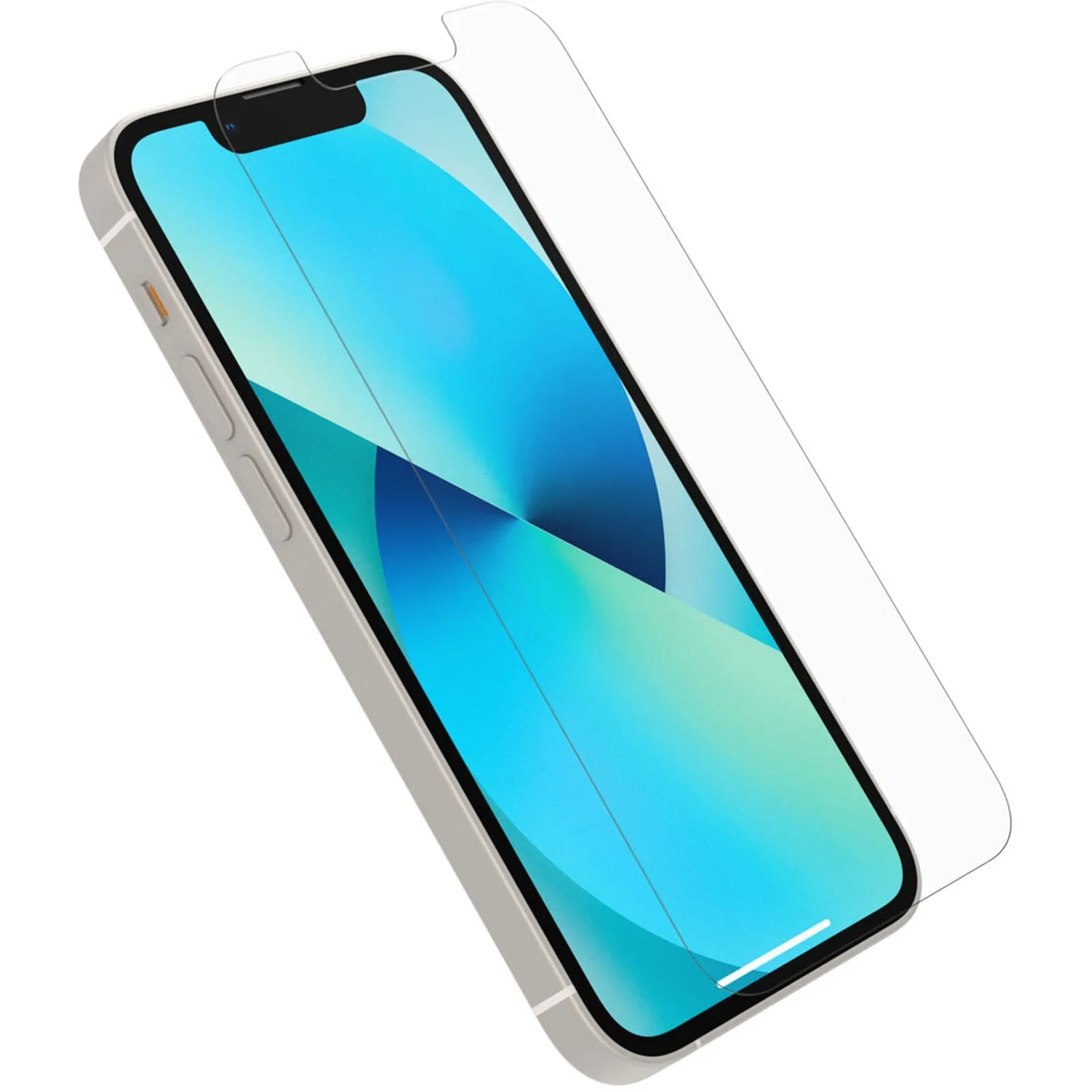
Alpha Flex Screen Protector for iPhone 13 mini and iPhone 12 mini
-
iPhone 13 and iPhone 13 Pro Alpha Flex Screen Protector: The iPhone 13 and iPhone 13 Pro Alpha Flex Screen Protector is priced at USD 23.09 (catalog comparison price USD 34.99). This shows Alpha Flex is also available for the standard and Pro models of iPhone 13, giving users a flexible alternative to glass for the same phone generation.
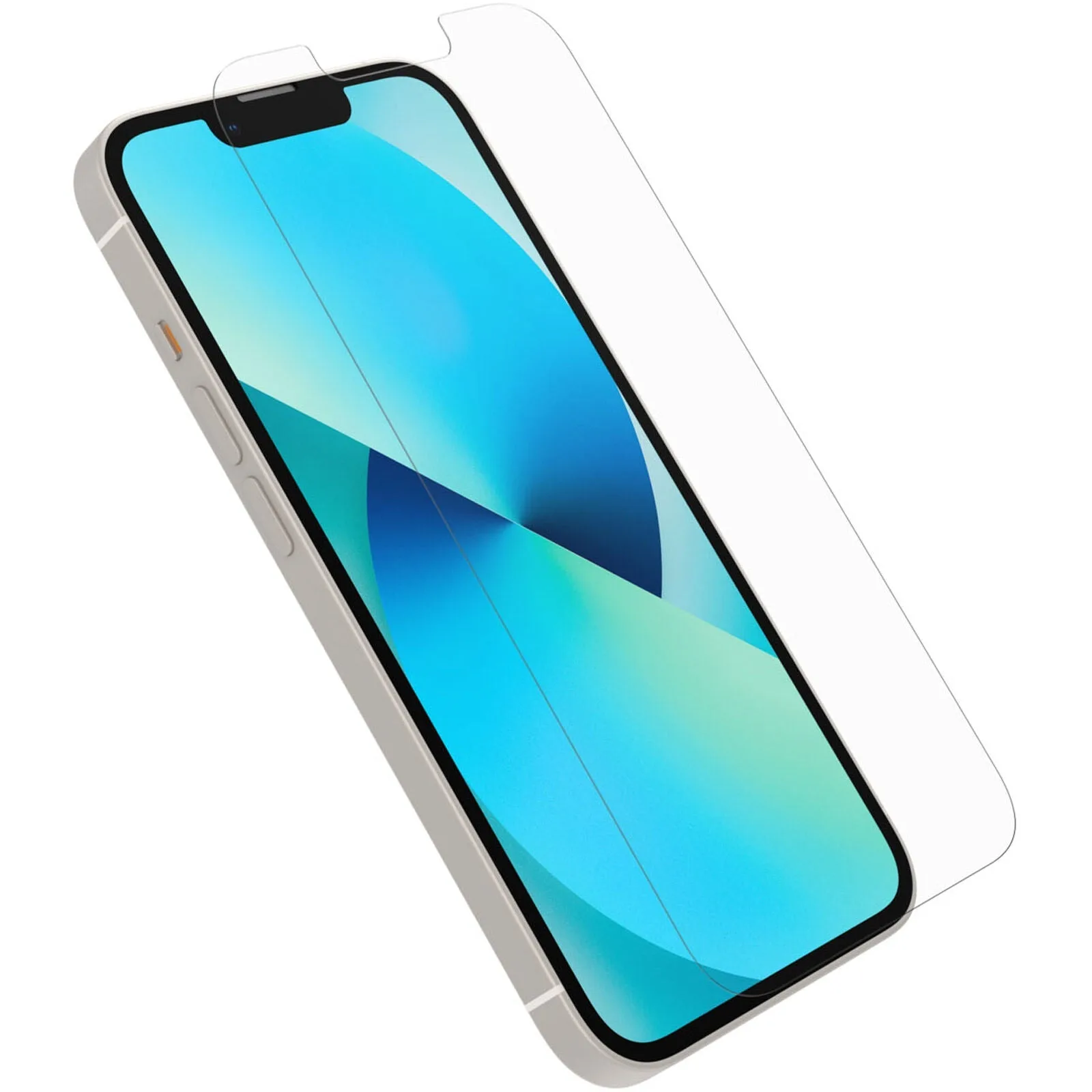
iPhone 13 and iPhone 13 Pro Alpha Flex Screen Protector
-
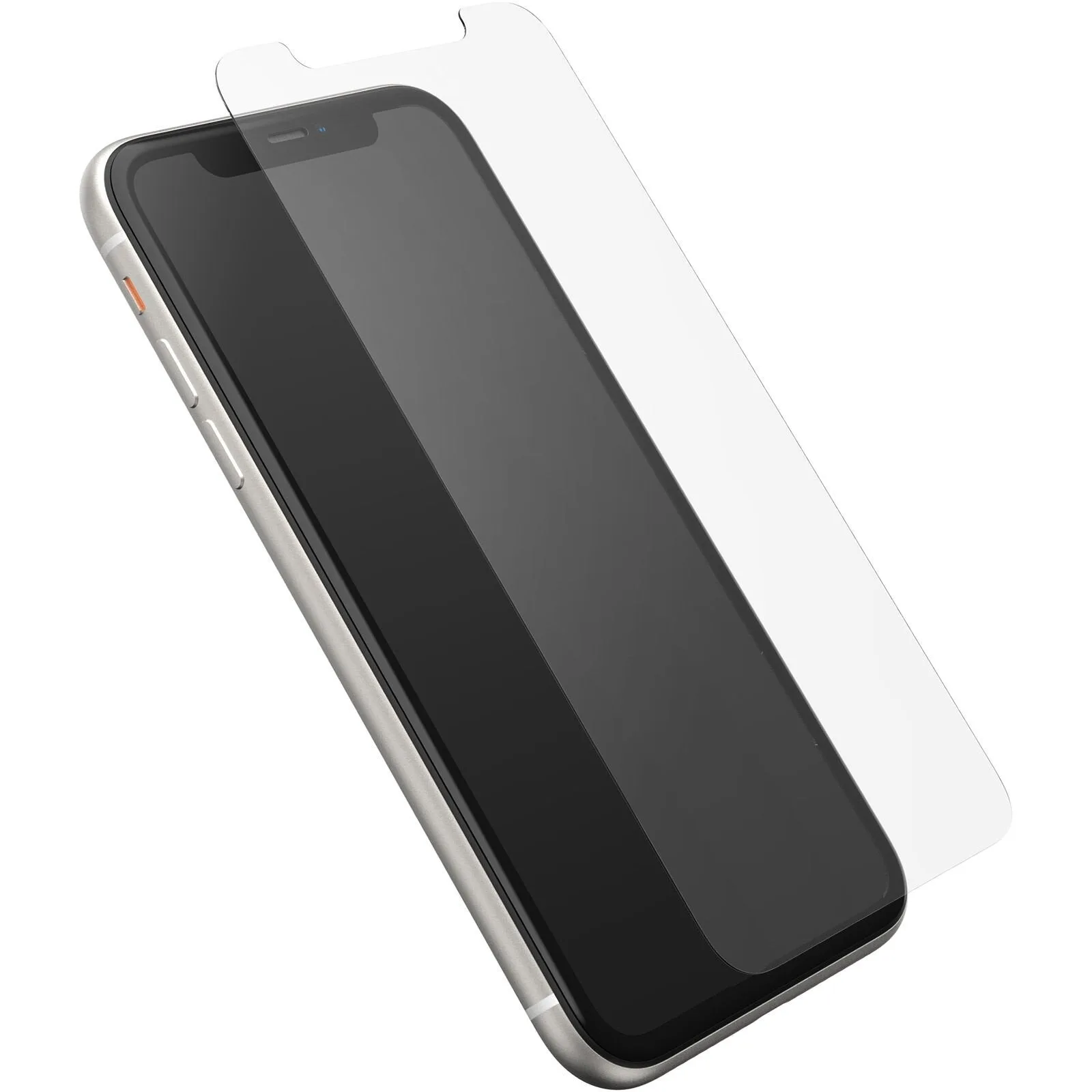
iPhone XR/iPhone 11 Alpha Glass Screen Protector: The iPhone XR/iPhone 11 Alpha Glass Screen Protector is priced at USD 18.46 (catalog comparison price USD 27.97). This confirms that Alpha Glass is a tempered glass option for older iPhone models (XR and 11) at a slightly lower price than the Alpha Flex for newer models.
Which One Should You Choose?
Your decision comes down to your phone model and your priorities. If you have an iPhone 13 mini, 12 mini, 13, or 13 Pro, Alpha Flex is your flexible film option. It's easier to install on curved edges and offers a self-healing surface that resists minor scratches. If you have an iPhone XR or iPhone 11, Alpha Glass provides a tempered glass shield that feels more rigid and may offer better impact protection for those models.
For users who prefer a glass-like feel and are comfortable with precise installation, Alpha Glass is a solid choice. If you want a protector that's more forgiving during installation and conforms to curved screens, Alpha Flex is the way to go. Both are available in clear variants, and the catalog does not specify additional features like antimicrobial coatings or oleophobic layers for these products.
Ultimately, the best protector is the one that matches your device and your daily handling habits. If you use a case, check that the protector's thickness is compatible with your case's lip height—the catalog doesn't specify this, so you may need to test fit or check case compatibility separately.