Two supplements, one skin-support goal
When you are building a skin supplement routine, the labels matter more than the promises. Alpha lipoic acid and hyaluronic acid each target different aspects of skin health, and knowing what each one actually does helps you decide whether one, both, or neither fits your goals. This guide walks through the supplied information for two Olympian Labs products so you can make an informed choice based on the evidence, not hype.
What the label says about alpha lipoic acid
-
Alpha Lipoic Acid: Olympian Labs Alpha Lipoic Acid is a powerful antioxidant designed to support cellular protection, skin resilience, and metabolic function. This directly links alpha lipoic acid to skin resilience, which is one of the main reasons people look for an antioxidant skin supplement.
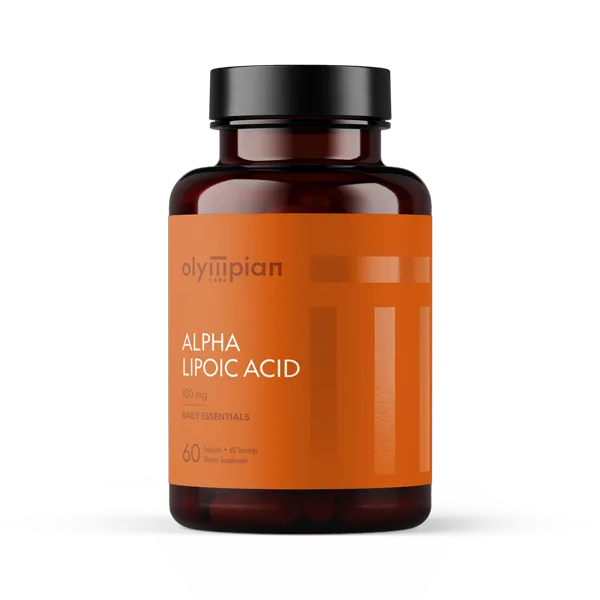
Alpha Lipoic Acid
-
Alpha Lipoic Acid: Alpha Lipoic Acid is unique because it is both water-soluble and fat-soluble, allowing it to work throughout the body to help neutralize free radicals and support healthy aging. This dual solubility means it can reach more cell types than many single-solubility antioxidants, potentially offering broader support for skin cells.
What the label says about hyaluronic acid
-
Hyaluronic Acid: Olympian Labs Hyaluronic Acid delivers concentrated support for the tissues that keep you moving and looking your best. This formulation aims at both joint and skin tissues, so it may appeal to someone looking for a supplement that supports both mobility and skin moisture.
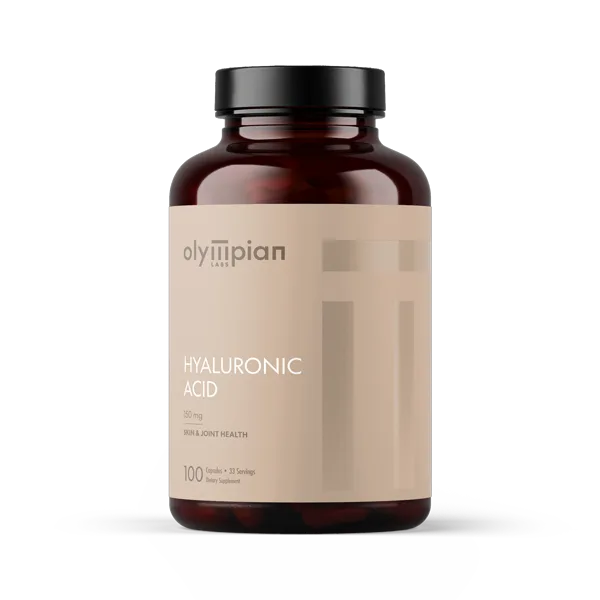
Hyaluronic Acid
-
Hyaluronic Acid: Hyaluronic acid is a naturally occurring carbohydrate found in joints, cartilage, and skin, where it helps maintain cushioning, elasticity, and moisture. For skin specifically, hyaluronic acid is known for its ability to hold moisture, which supports skin plumpness and elasticity.
How they work differently for skin
Alpha lipoic acid acts primarily as an antioxidant, meaning it helps neutralize free radicals that can damage skin cells. Its dual solubility lets it work both inside cells and in the spaces between them. Hyaluronic acid, on the other hand, is about moisture retention. It helps maintain the cushioning and elasticity of skin by holding water in the tissues. One does not replace the other; they address different skin-support needs.
If your main concern is protecting skin cells from oxidative stress and supporting healthy aging, alpha lipoic acid is the more direct match. If you are more focused on skin hydration and elasticity, hyaluronic acid aligns with that goal. The two can be taken together as part of a broader skin supplement routine, provided you check for any personal sensitivities or interactions with other supplements you take.
Building a skin supplement routine with these two
If you decide to include one or both in your routine, here is a practical way to approach it based on the supplied information.
- Check your personal skin goals: Identify whether your priority is antioxidant protection (alpha lipoic acid) or moisture and elasticity support (hyaluronic acid). This helps you choose which to start with.
- Review the dosage options: Alpha lipoic acid is available in 200 mg and 400 mg dosages. If you are new to it, starting with the lower dose may be a sensible approach. Hyaluronic acid is available in a single standard dose.
- Consider timing with meals: The supplied information does not specify timing instructions for these products, but general guidance for many supplements is to take them with a meal to support absorption and reduce potential stomach discomfort.
- Monitor your response: Pay attention to how your skin feels and looks over several weeks. Neither product is a quick fix, and individual results vary.
What the supplied information does not settle
The product records do not include specific clinical studies, dosage timing instructions, or interaction warnings. They also do not compare these two products directly against each other for skin outcomes. That means you should treat the label claims as a starting point, not a complete guide. If you have a medical condition or take prescription medications, it is wise to consult a healthcare professional before adding any new supplement to your routine.
Also, the hyaluronic acid formula includes BioCell Collagen, a low molecular weight collagen matrix. The supplied information says this is designed for quick absorption, but it does not specify how that affects skin outcomes compared to plain hyaluronic acid. That detail may matter if you prefer a collagen-free supplement.