The lancing device is one piece of a three-part system
Pet blood glucose testing at home only works when every piece of the setup is in place: a meter, a lancing device to get the sample, and lancets to actually pierce the skin. The AlphaTRAK Blood Glucose Monitoring Lancing Device is the middle piece. It is part of the AlphaTRAK monitoring system and is designed for use when obtaining a small blood sample for glucose testing.
That distinction matters for ordering. If you already have an AlphaTRAK meter and a supply of lancets, this device completes the kit. If you are starting from scratch, you need to plan for all three components, because the lancets are not included.
What the AlphaTRAK lancing device record confirms
-
AlphaTRAK Blood Glucose Monitoring Lancing Device: Compatible with the AlphaTRAK monitoring system This is the compatibility claim the catalog makes, so it is the one to match against the meter you already own.
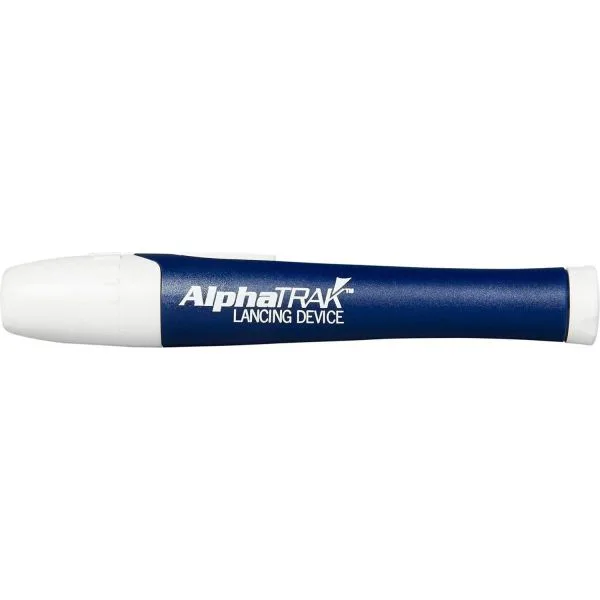
AlphaTRAK Blood Glucose Monitoring Lancing Device
-
AlphaTRAK Blood Glucose Monitoring Lancing Device: Lancets are sold separately Ordering the device alone leaves you without the consumable you need to take a sample, so check your lancet supply before testing day.
-
AlphaTRAK Blood Glucose Monitoring Lancing Device: Standard option available The catalog lists a single Standard option, which keeps the buying decision simple: there is no size or depth variant to choose between here.
Where the supplied information stops, and why that matters
The catalog record for this device does not include preparation steps, operating instructions, depth settings, or cleaning guidance. That is a gap in the supplied information, not a statement that the manufacturer provides none — the instructions that ship with the device are the place to look for those details.
This is also why you will not find a step-by-step lancing routine here. Depth settings, where to sample on a dog's ear or a cat's ear, how to warm the site, and how often to test are decisions that belong to your veterinarian and the device's own instructions. A generic walkthrough copied from a blog is a poor substitute for either.
What to confirm before your first at-home test
- Your meter model: The device is listed as compatible with the AlphaTRAK monitoring system. Confirm with your vet or the device instructions that your specific meter is part of that system before you rely on this device.
- Your lancet supply: Lancets are sold separately, so check that you have the lancets your vet recommended on hand before you plan a testing session or a glucose curve.
- The sampling site and technique: How to lance a dog's ear for glucose, or where to sample a cat, is veterinary guidance. Ask your vet to show you the technique in person rather than learning it from an article.
- Your testing schedule: For diabetic cat blood sugar monitoring or a home glucose curve, the timing and number of readings come from your vet. The device does not set a schedule for you.
- What to do with the numbers: Recording readings is useful; interpreting them is your vet's job. Confirm in advance when a result should prompt a call.
Building a home glucose curve supply list
A glucose curve at home means several readings in one day, so consumables run out faster than you expect. Before a scheduled curve, count your lancets against the number of readings planned, confirm the meter has what it needs, and make sure the lancing device is on hand and working. Ordering a spare lancing device is a reasonable hedge if a single failed device would derail a curve your vet has asked for.
Keep the practical limits in view, too. The catalog does not supply cleaning requirements for this device, so follow the manufacturer's instructions rather than a homemade routine. And no lancing device replaces veterinary care: if you are struggling to get a sample, or the readings do not match how your pet seems to feel, that is a conversation with your vet, not a reason to keep poking.
The device at a glance
- AlphaTRAK Blood Glucose Monitoring Lancing Device: Product type: lancing device for blood glucose monitoring It is a sampling tool, not a meter and not a treatment — knowing its role keeps your supply list accurate.
- AlphaTRAK Blood Glucose Monitoring Lancing Device: Designed for use when obtaining a small blood sample for glucose testing That is the full scope of what the catalog claims, which is the honest basis for deciding whether it belongs in your kit.