Inflating the Altos Sleeping Pad
How firm should I inflate the Altos Sleeping Pad?
That is your call. The pad is designed to inflate to your preferred firmness, so start softer and add air until your hips and shoulders feel supported. The contoured body mapping is meant to distribute weight, and firmness is the adjustment that lets that shaping work for you.
Is the Altos a self-inflating pad or an inflatable one?
The Altos Sleeping Pad sits in the Self Inflating, Inflatable Camp Pads category, so it is built to inflate without you doing all the work with your breath. The supplied details describe simple inflation to your chosen firmness but do not spell out a valve sequence. Follow the instructions that come with your pad rather than improvising a method.
Will the Altos pad keep me warm on cold nights?
That depends on which version you choose. The Altos comes in Regular and Insulated options, and the insulated version is the one to pick when warmth under you matters. The supplied information does not include temperature ratings, so treat the insulated choice as the warmer option without assuming a specific rating.
Deflating and rolling it for the trip home
Packing up is where a lot of pads get abused. The Altos is built with an easy rolling and stowing design, so the goal is a steady roll rather than a fight. Open the valve and let the air escape before you start rolling, then roll from the foot end toward the valve so remaining air has somewhere to go. Keep the roll even and snug; a lopsided roll is harder to stow and puts uneven pressure on the pad.
The supplied details do not list a stuff sack size, folded dimensions, or a specific deflation procedure. Check the packaging or the instructions that came with your pad for those specifics, and store it clean and dry rather than compressed in a hot car between trips.
Choosing, Sizing, and Care Questions
Regular or insulated: which Altos should I buy?
Pick Regular for warm-weather camping where weight and simplicity matter most. Pick Insulated when you sleep cold or camp in cooler conditions and want the extra warmth the insulated version is meant to provide. Both use the same rectangular shape and contoured body mapping, so the choice comes down to warmth rather than fit.
What does the rectangular shape mean for my sleep style?
A rectangular pad gives you squared-off corners and a consistent width from head to foot, which suits sleepers who move around or want room to stretch out. The contoured body mapping is designed for weight distribution, so the pad is shaped to support you rather than just cushion you.
How do I care for the Altos Sleeping Pad?
The supplied information does not include a care routine, washing instructions, or a repair procedure, so do not guess at them. The safest habits are the ones that apply to any inflatable camp pad: keep it away from sharp ground, store it clean and dry, and follow the manufacturer's instructions for cleaning and storage.
What sizes and dimensions does the Altos come in?
The supplied records list Regular and Insulated versions but do not give length, width, thickness, or packed size. Check the product page for those measurements before you buy, especially if you are matching the pad to a tent floor or a sleeping bag.
Altos Sleeping Pad at a glance
-
Altos Sleeping Pad: Lightweight rectangular sleeping pad with contoured body mapping for weight distribution. The shape and contouring are the core of how the pad feels under you, so they matter more than a spec sheet for comfort.
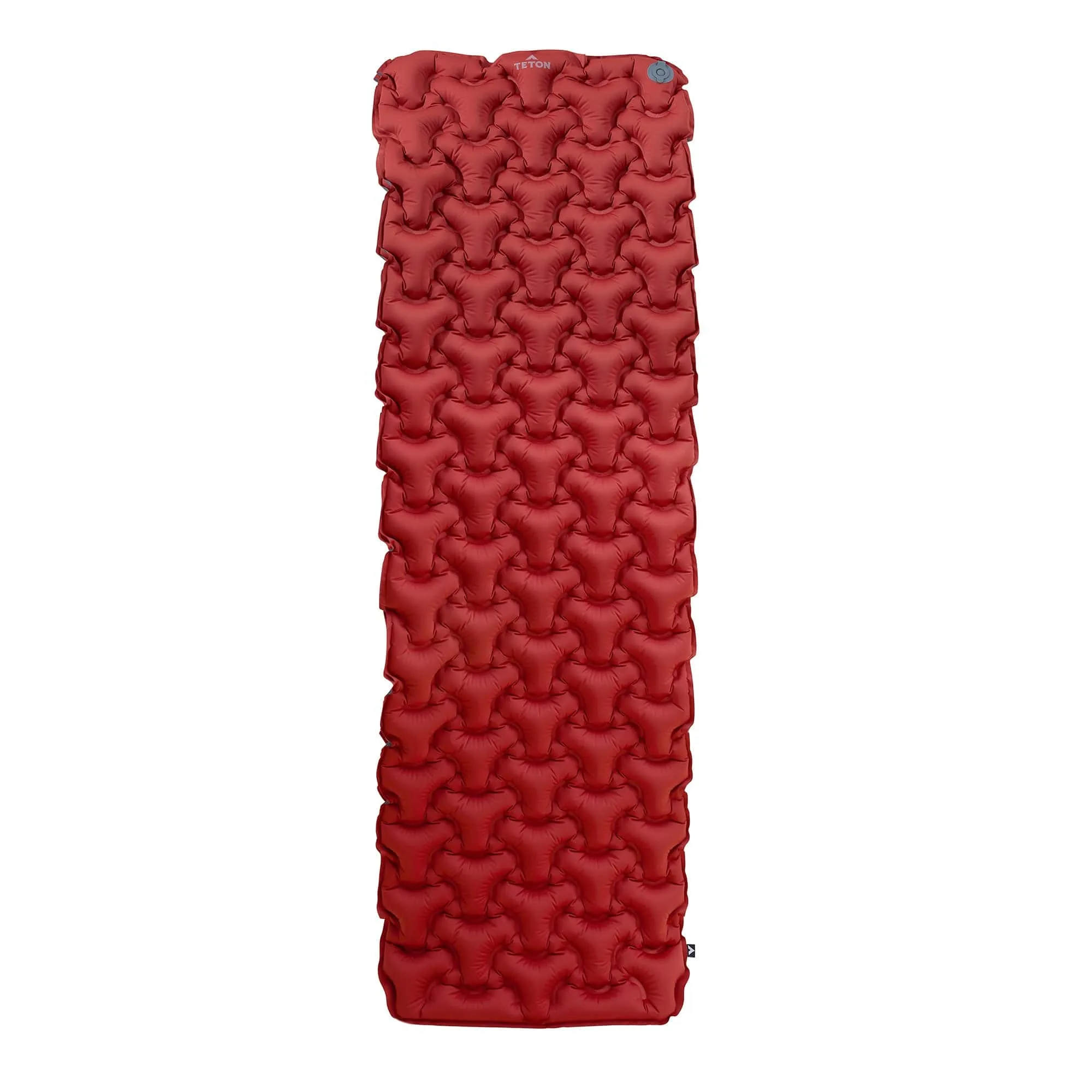
Altos Sleeping Pad
-
Altos Sleeping Pad: Inflates to your preferred firmness, with easy rolling and stowing for packing up. Firmness is adjustable and pack-up is designed to be simple, which covers the two moments campers care about most.
-
Altos Sleeping Pad: Available in Regular and Insulated versions. The version choice is the main decision for warmth; the rest of the pad's design is shared.