When it comes to choosing a belt for everyday wear, durability is often the top concern. Two popular options — aluminum belts and leather belts — offer very different strengths and weaknesses. Whether you're dressing for work, weekend adventures, or casual outings, understanding how each material holds up over time can help you make a smarter purchase.
In this article, we compare aluminum belts and leather belts across key durability factors: material strength, resistance to weather and wear, maintenance needs, and overall lifespan. We'll also highlight specific products like the Aluminum Explorer Elastic Belt and the Explorer Belt Strap to give you real-world examples of what to expect.
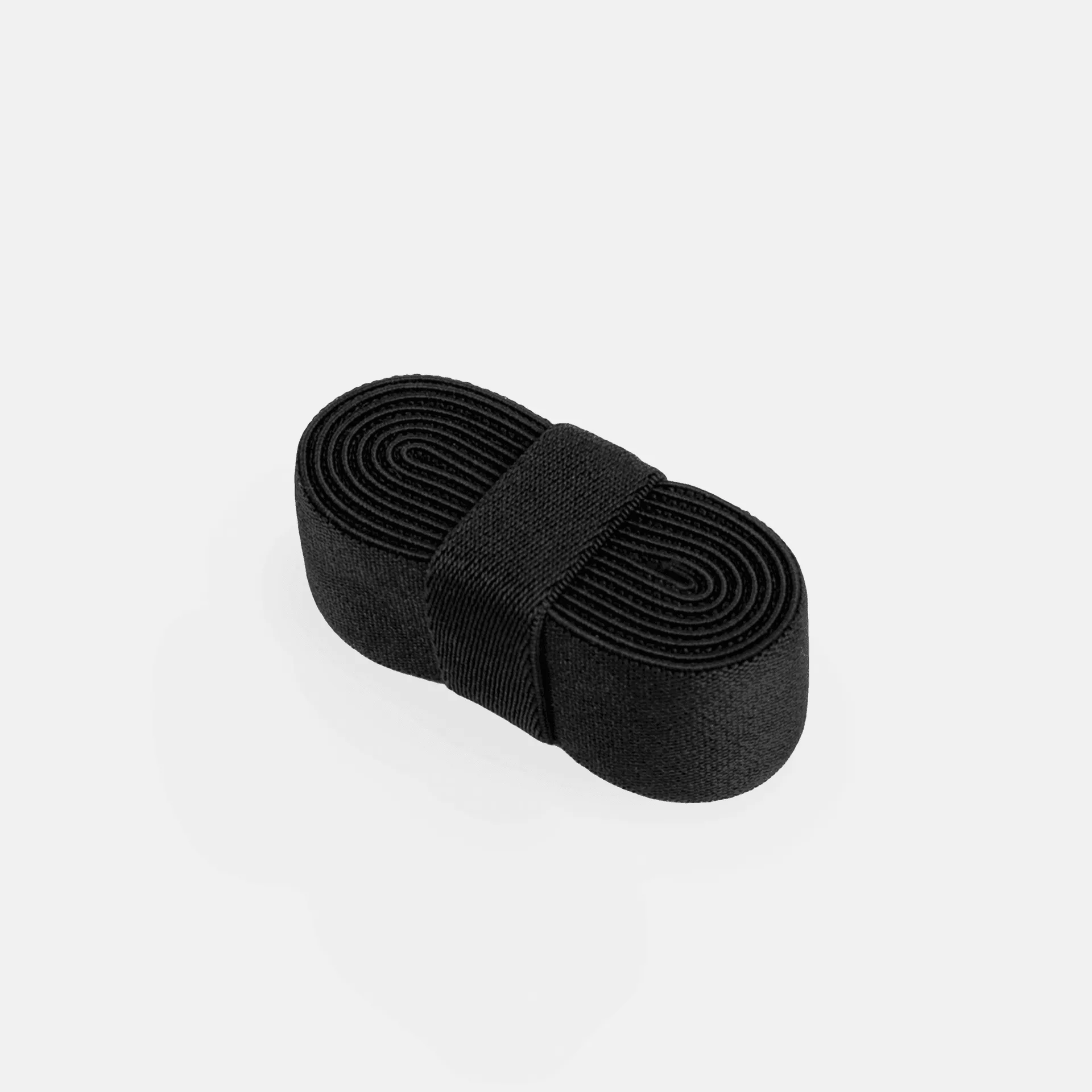
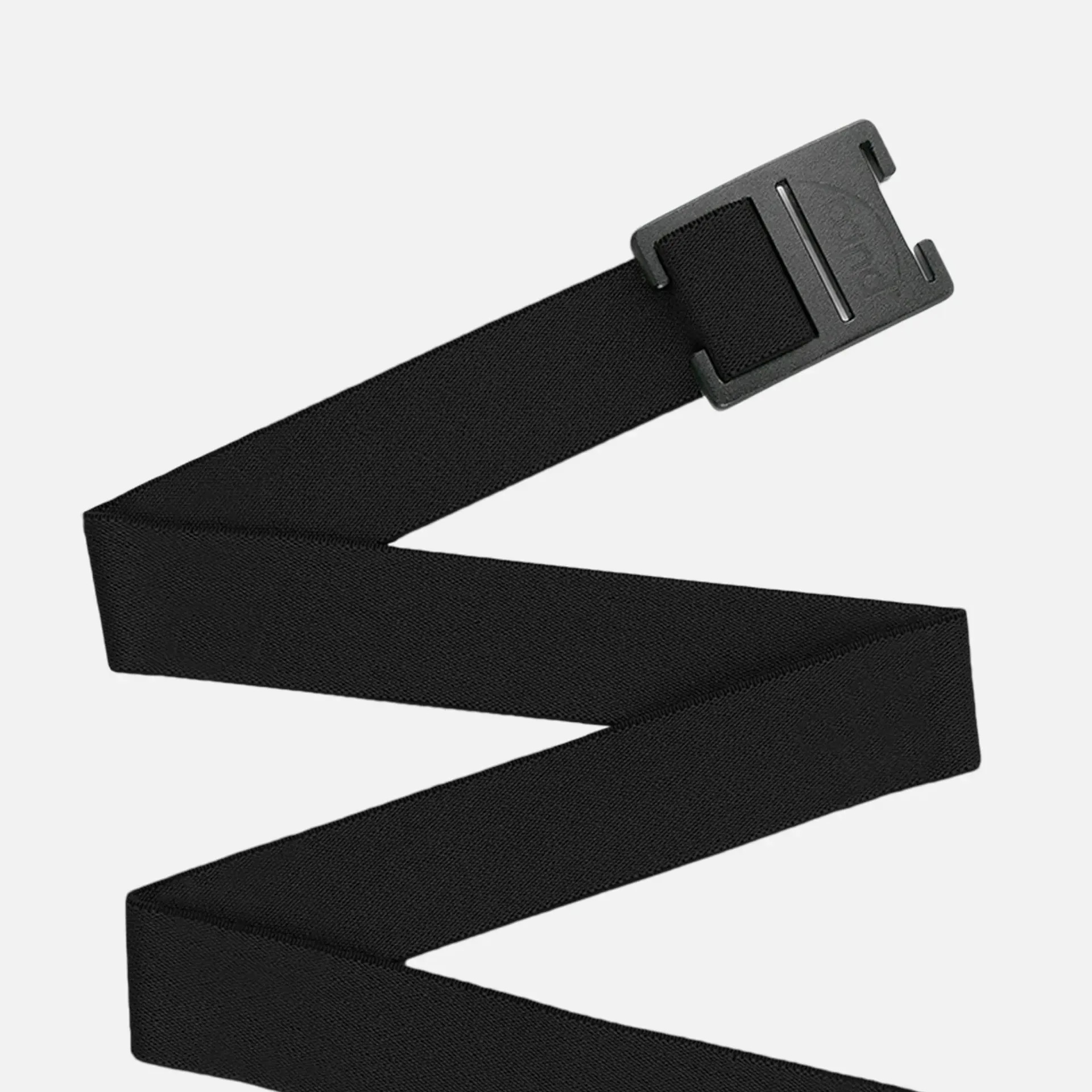
Explorer Belt Strap
Material Strength and Structure
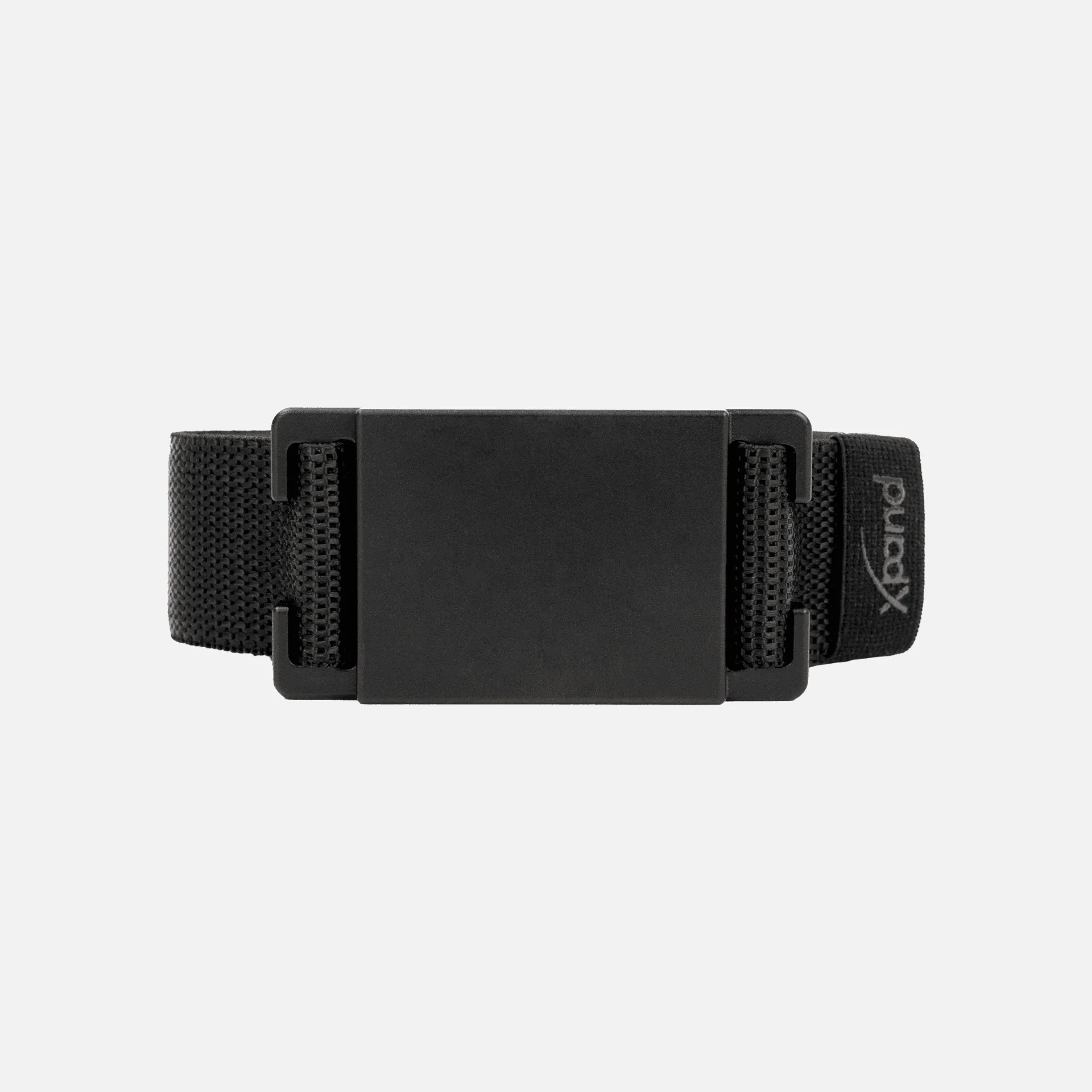
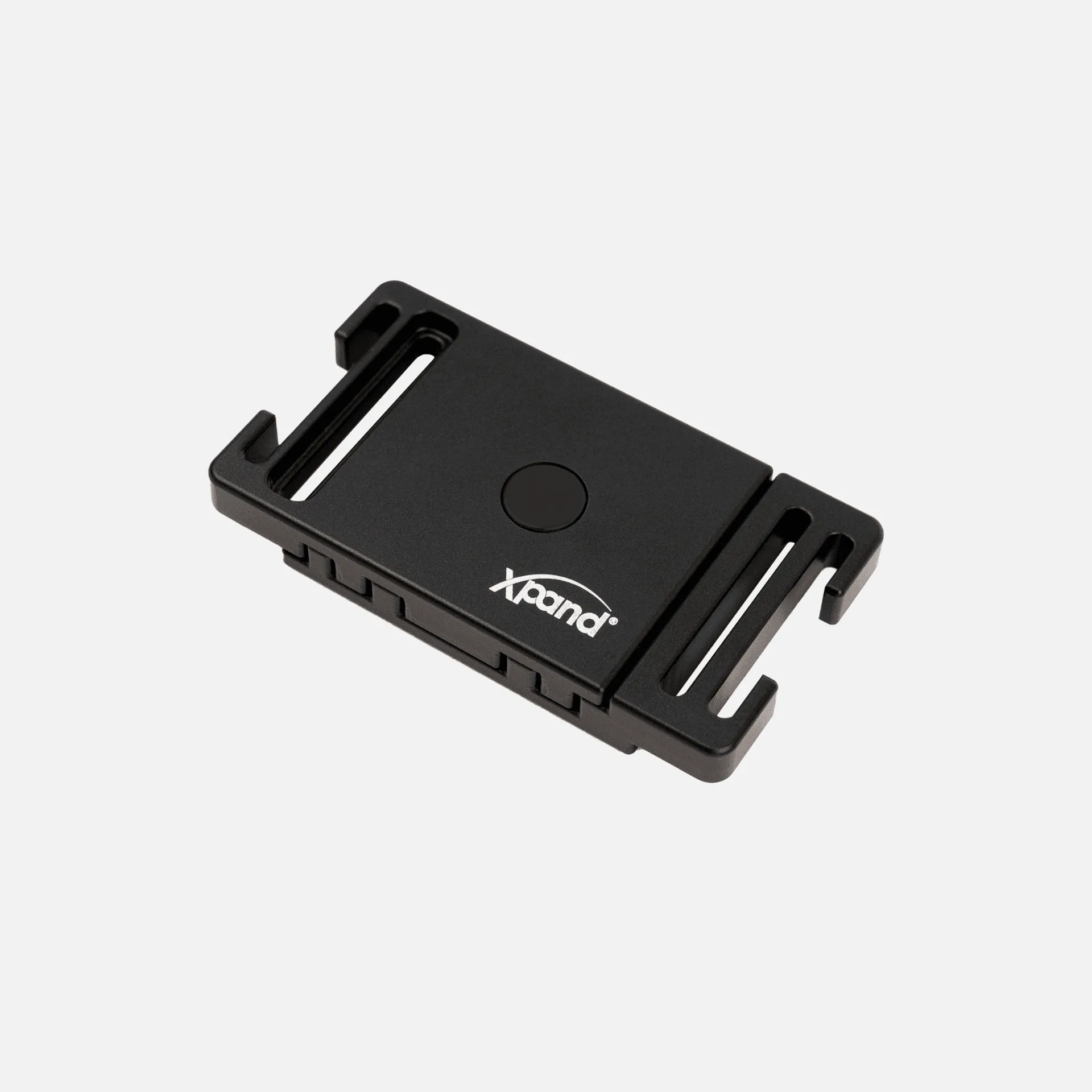
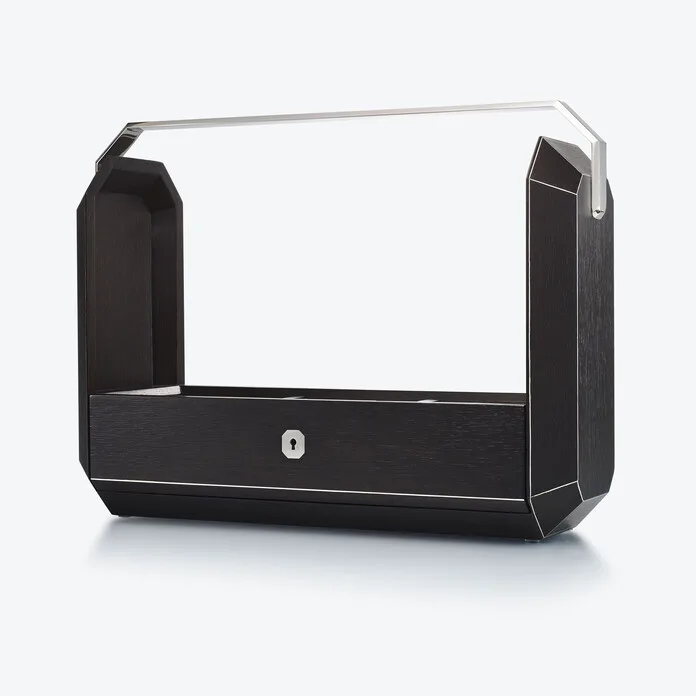
Aluminum belts, such as the Aluminum Explorer Elastic Belt, are typically made from lightweight yet strong aircraft-grade aluminum. This metal resists bending, cracking, and corrosion, making it ideal for daily use in varied environments. The buckle and strap are often integrated with elastic webbing, providing both flexibility and durability without adding bulk.
Leather belts, on the other hand, rely on the natural strength of animal hide. Full-grain leather is the most durable type, offering excellent tensile strength and the ability to mold to your body over time. However, leather can stretch, crack, or warp if exposed to moisture or extreme temperatures, which reduces its lifespan compared to metal.
- Aluminum belts are virtually unbreakable under normal use and maintain their shape indefinitely.
- Leather belts require careful conditioning to prevent drying and cracking, especially in dry climates.
Weather and Moisture Resistance
One of the biggest advantages of an aluminum belt is its resistance to water, humidity, and temperature changes. The Aluminum Explorer Elastic Belt, for example, can be worn in rain, snow, or hot sun without rusting, warping, or losing its structural integrity. The elastic strap also dries quickly, making it perfect for active lifestyles.
Leather belts are much more sensitive to moisture. Rain, sweat, or even high humidity can cause leather to stain, stiffen, or develop mold. While some treated leathers offer better water resistance, they still require regular conditioning and should never be soaked. This makes leather belts less suitable for outdoor or high-sweat activities.
- Aluminum belts can be rinsed with water and wiped clean without damage.
- Leather belts need to be kept dry and stored away from direct sunlight to avoid fading.
Maintenance and Care
Aluminum belts are incredibly low-maintenance. A simple wipe with a damp cloth removes dirt and grime, and the elastic strap can be machine-washed on a gentle cycle if needed. The metal buckle may develop a natural patina over time, but this does not affect performance. For those who want a belt that requires minimal upkeep, an aluminum belt is a clear winner.
Leather belts demand regular care to stay in good condition. You need to clean them with a leather cleaner, apply conditioner every few months, and store them flat to prevent curling. If the leather gets wet, it must be air-dried slowly away from heat. This routine can extend the life of a leather belt, but it adds time and expense.
- Aluminum belts: wipe clean, no conditioning needed.
- Leather belts: require cleaning, conditioning, and careful storage.
Everyday Wear and Tear
In terms of everyday durability, aluminum belts excel in resisting scratches, dents, and deformation. The buckle mechanism on the Aluminum Explorer Elastic Belt is designed for repeated use without loosening, and the elastic strap retains its tension over thousands of cycles. This makes it an excellent choice for people who wear a belt daily and want something that will last for years.
Leather belts, especially those made from full-grain leather, can also last for many years if properly maintained. However, they are prone to developing creases, scuffs, and edge wear over time. The buckle hole area may stretch or tear, especially if the belt is frequently tightened. While leather develops a unique character with age, some users prefer the consistent look of an aluminum belt.
- Aluminum belts maintain their appearance and function with minimal effort.
- Leather belts develop a patina but require more frequent replacement if not cared for.
Style and Versatility
Aluminum belts offer a modern, sleek aesthetic that pairs well with casual and streetwear outfits. The Aluminum Explorer Elastic Belt comes in various colors and features a quick-release buckle, making it easy to swap straps. For those who want to change their look without buying a new belt, the Explorer Belt Strap is a compatible accessory that allows for quick customization.
Leather belts remain a classic choice for formal and business attire. They convey tradition and sophistication, and they can be dressed up or down depending on the finish. However, leather belts are less adaptable to different outfits — you typically need multiple belts for different occasions, whereas an aluminum belt with interchangeable straps covers more ground.
- Aluminum belts offer modular style with interchangeable straps.
- Leather belts are timeless but less versatile for varied looks.
When comparing aluminum belts and leather belts for everyday durability, aluminum belts clearly win in terms of weather resistance, low maintenance, and long-term structural integrity. Leather belts can last a long time with proper care, but they require more attention and are less forgiving in harsh conditions. If you want a belt that works hard without extra effort, consider the Aluminum Explorer Elastic Belt — it's built to withstand daily wear while keeping you stylish and comfortable.