Quick answer
Protect anime figures by displaying them in a closed case or cabinet away from direct sunlight, dusting gently with a soft brush or microfiber cloth, and controlling room humidity. For figures that already show fading or yellowing, further damage can be slowed but not reversed, so prevention is the priority.
Why dust and sunlight are the two biggest threats
Dust particles are abrasive; wiping a dusty figure with a dry cloth can grind grit into the paint and leave fine scratches. Sunlight, specifically UV radiation, breaks down the chemical bonds in plastic and paint, causing colors to fade and white or light-colored parts to yellow. Both problems worsen over time and are often noticed only after the damage is visible.
How to prevent dust buildup without touching the figure
The most effective dust prevention is a physical barrier. A glass or acrylic display case, or a cabinet with doors, keeps airborne particles off the figure entirely. If you prefer open shelving, dust weekly with a soft makeup brush or a camera lens blower to lift particles without contact. Avoid feather dusters, which just move dust around, and never use household paper towels, which can scratch.
Sun damage and yellowing: what actually works
Keep figures out of direct sun and away from strong indirect UV sources like unshaded south-facing windows. UV-filtering film on windows or glass cabinet doors reduces but does not eliminate exposure. For white plastics that have already yellowed, retro-brightening with hydrogen peroxide and UV light is a last resort that can weaken plastic and is not recommended for painted or clear parts. The safest approach is to rotate figures so no single piece stays in a bright spot for months.
Cleaning products and habits to avoid
Skip alcohol, ammonia-based glass cleaners, and abrasive pads; they can strip paint and dull clear plastic. For stubborn grime, use a slightly damp microfiber cloth with plain water, then dry immediately. Never submerge a figure unless the manufacturer explicitly says it is waterproof. Articulated kits like Gundam models can be dusted with a soft brush while assembled, but take care around stickers and decals.
When to stop and choose a different display method
If a figure is already severely faded or yellowed, no cleaning routine will restore it. At that point, move it to a low-light area or store it in an acid-free box with padding. For high-value pieces, consider a UV-filtering acrylic case and keep the room between 60–75°F with humidity under 50%. If you cannot control light or dust in your space, a closed cabinet is the only reliable solution.
Diagnose your figure's condition
- Fine dust on surface: Loose particles sitting on the figure, no visible change to paint or plastic. Dust gently with a soft brush or blower; no need for wet cleaning.
- Dull or slightly faded colors: Paint looks less vibrant than when new, but no yellowing or stickiness. Move the figure out of direct light immediately; further fading can be slowed but not reversed.
- Yellowing on white or clear parts: Plastic has turned yellow or amber, often on older figures or clear beam effects. Do not attempt harsh chemicals; consider retro-brightening only as a last resort, and accept that some damage is permanent.
Products that benefit from these care habits
- Gundam Seed Freedom Zaku Warrior MG 1:100 Model Kit: Master Grade kit with advanced insert molding for energy pipes and a fully articulated inner frame. Articulated joints and small pipes collect dust in crevices; a soft brush and closed display case keep them clean without stressing the frame.
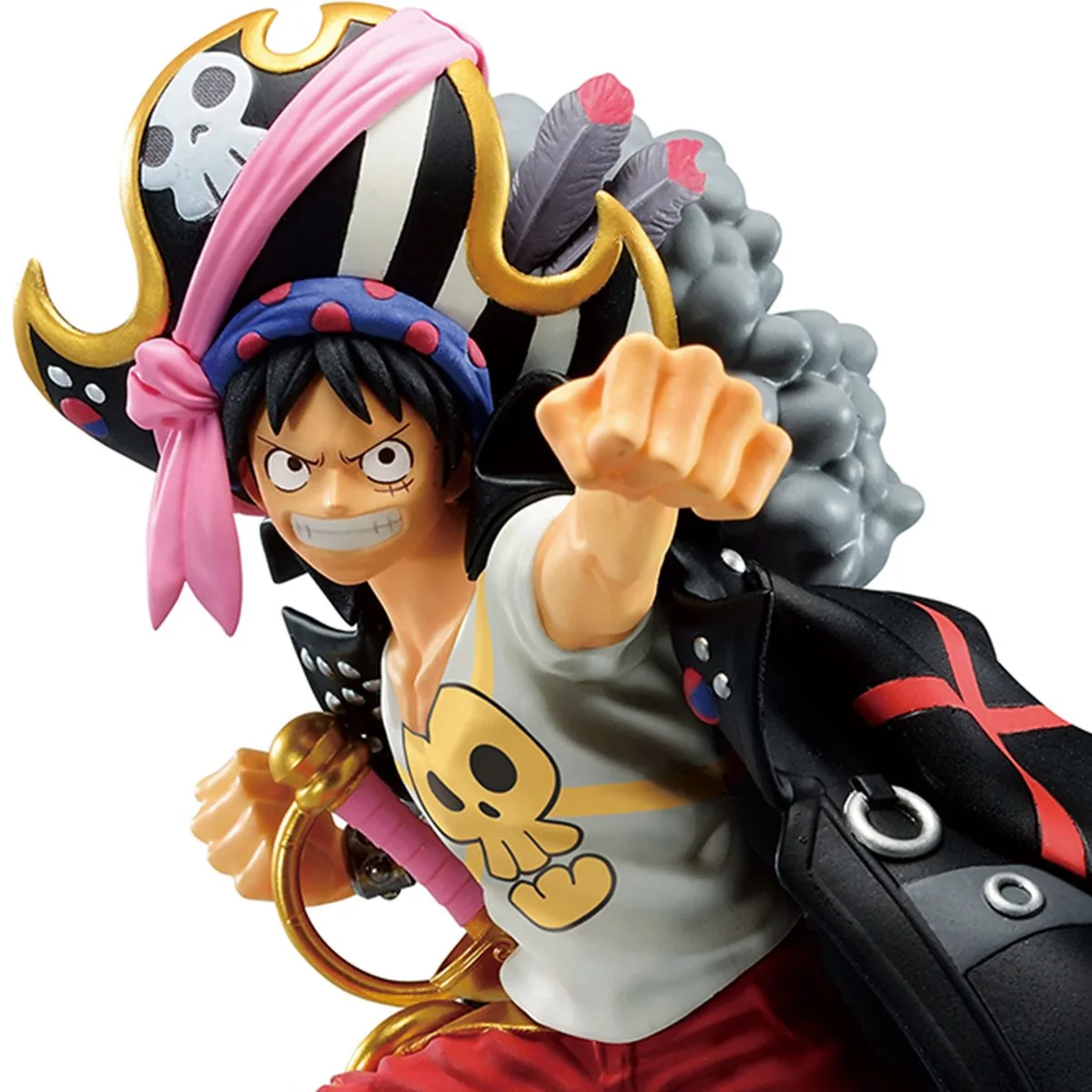
- My Hero Academia Himiko Toga Evil Villains Plus II Figure: Banpresto figure with a detailed sculpt and painted finish. Painted details like Toga's smile and knife are prone to fading; keep her out of direct sun to preserve contrast.
- Gundam ZGMF-X42S Destiny Gundam RG 1:144 Model Kit: Real Grade kit with a full weapons loadout and multiple beam effects. Clear beam parts can yellow with UV exposure; store or display away from windows to keep them transparent.