When you're new to collecting anime figures, one of the first things you'll notice is that every product listing includes a scale notation like 1/8 or 1/4. These numbers aren't just random – they tell you exactly how tall the figure will be compared to the character's official height. Understanding anime figure sizes is essential for planning your display, budgeting for shelf space, and avoiding the disappointment of a figure that's too small or too large for your setup.
In this guide, we'll break down the most common figure scales, explain how to convert scale to actual height, and help you decide which size is right for different types of collections. Whether you're eyeing a towering 1/4 scale or a compact 1/8, you'll leave with the knowledge to make confident purchases.
What Do Figure Scales Mean?
A figure's scale is a ratio that compares the figure's height to the character's real-world height. For example, a 1/8 scale figure means the figure is one-eighth the height of the character if they existed in real life. If a character is 160 cm tall (about 5'3"), a 1/8 scale figure would be 20 cm (about 7.9 inches) tall. This ratio is consistent across all manufacturers, so you can always estimate a figure's size if you know the character's height.
The most common scales in the anime figure world are 1/8, 1/7, and 1/6, with 1/4 reserved for premium, high-end pieces. Smaller scales like 1/10 or 1/12 also exist, often for chibi-style figures or trading figures. Understanding this ratio is the first step in mastering the figure scale guide.
- 1/8 scale: typically 20-25 cm tall (about 8-10 inches), depending on character height.
- 1/7 scale: usually 23-28 cm (9-11 inches), a popular sweet spot for detail and presence.
- 1/4 scale: often 35-45 cm (14-18 inches) or more, making a bold statement.
1/8 Scale Figures: Compact and Collectible
1/8 scale figures are among the most common in the market. They offer a good balance between detail and size, making them ideal for collectors with limited shelf space. A typical 1/8 scale figure stands around 20-25 cm tall, which fits neatly into most display cases without overwhelming the space. This scale is especially popular for characters with shorter official heights, such as many female anime characters.
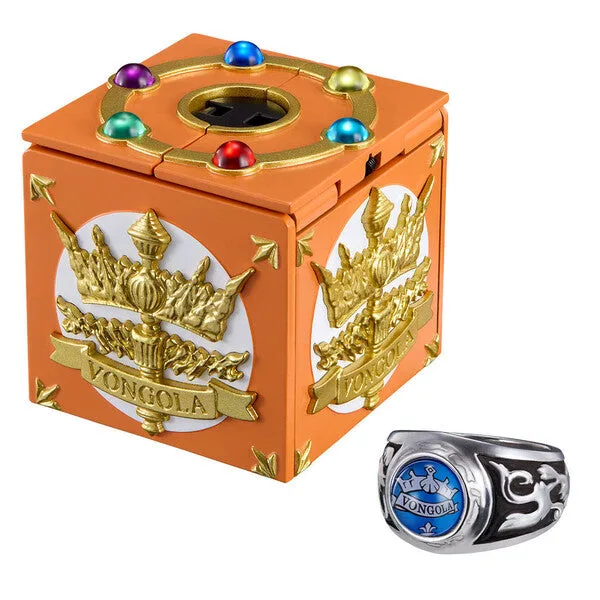
For example, the Ichiban Kuji Katekyo Hitman Reborn! Ring Battle Prize B Hayato Gokudera Figure is a prize figure that, while not strictly 1/8, falls into a similar compact size range. Prize figures often use non-standard scales, but they're perfect for filling out a collection without breaking the bank. If you're just starting out, 1/8 scale figures are a fantastic entry point.

Ichiban Kuji Katekyo Hitman Reborn! Ring Battle Prize B Hayato Gokudera Figure
1/7 Scale Figures: The Collector's Sweet Spot
1/7 scale figures have become the gold standard for many collectors. They're large enough to showcase intricate details and dynamic poses, yet not so big that they dominate a room. Most 1/7 scale figures range from 23 to 28 cm in height, making them versatile for both detolf shelves and open displays. This scale is particularly favored by manufacturers like Good Smile Company and Alter for their high-quality PVC figures.
When you're comparing 1/8 vs 1/7, the difference is about 3-5 cm in height, which can be significant when you have a row of figures. The larger size also allows for more elaborate bases and accessories. If you're looking for figures that truly capture the essence of the character, 1/7 scale is a reliable choice.
1/4 Scale Figures: Big Presence, Big Investment
1/4 scale figures are the giants of the collecting world. Standing anywhere from 35 to 45 cm tall (and sometimes taller), these figures demand attention and dedicated display space. They're often made with premium materials, intricate paint jobs, and sometimes even fabric elements. Because of their size and quality, 1/4 scale figures are priced significantly higher and are usually reserved for the most beloved characters.
For instance, the Banpresto Umamusume: Pretty Derby Mejiro Dober Figure is a large-scale figure that brings the horse girl to life with impressive detail. While not exactly 1/4, it's a good example of how bigger figures can become the centerpiece of a collection. If you're considering a 1/4 scale, be prepared to allocate a prominent spot in your display and invest in sturdy shelving.
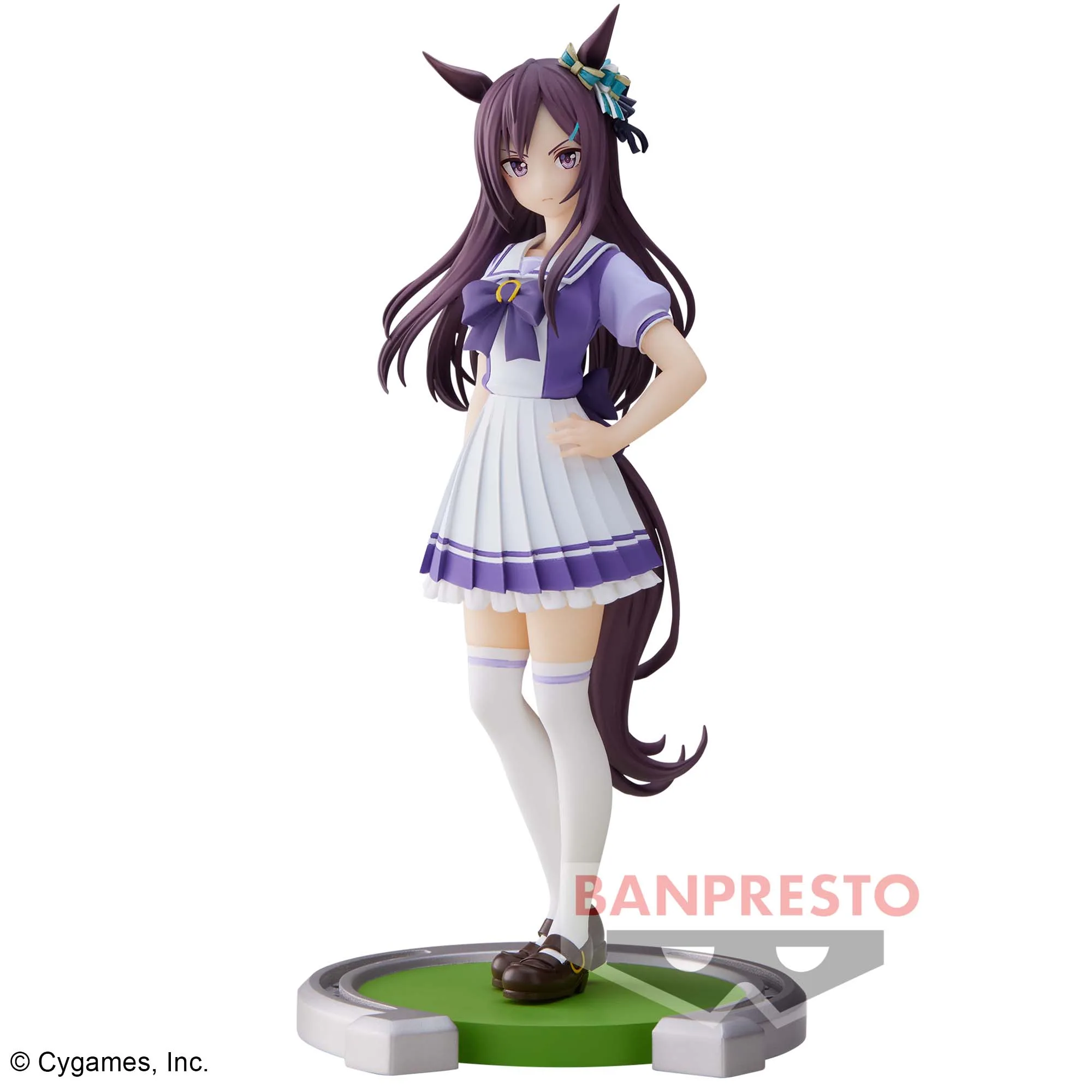
Banpresto Umamusume: Pretty Derby Mejiro Dober Figure
How to Choose the Right Figure Scale
Choosing the right scale depends on several factors: your available space, budget, and personal preference. Start by measuring your display area. If you have a standard detolf shelf (about 35 cm deep and 40 cm wide), you can fit multiple 1/8 or 1/7 figures, but only one or two 1/4 figures. Also consider the visual balance – mixing scales can create an interesting dynamic, but it's often more cohesive to stick to one or two scales per shelf.
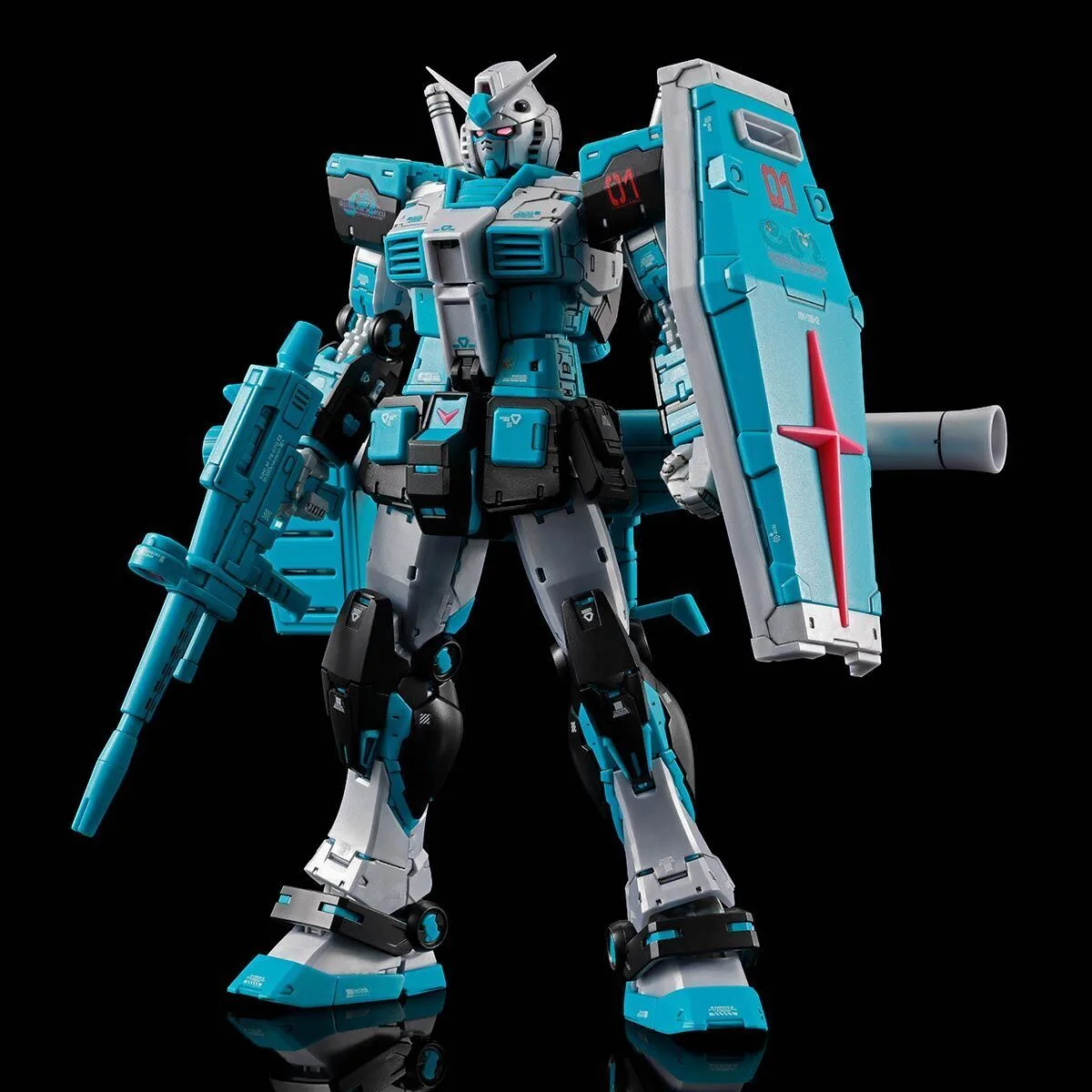
Think about the character's height as well. A 1/7 scale of a tall character like a Gundam pilot might be taller than a 1/7 of a petite character. Always check the product's listed height, not just the scale, to ensure it fits your expectations. For example, the Ichiban Kuji Mobile Suit Gundam GQuuuuuuX vol.4 Prize B GFreD Figure is a prize figure with a unique design that might not follow standard scale, but its size is clearly listed in the product details.
- Measure your shelf height and depth before ordering.
- Check the actual product height in centimeters, not just the scale.
- Consider mixing scales for visual interest, but keep a consistent theme.
Scale Comparison: Quick Reference Table
To help you visualize the differences, here's a quick reference table for common scales and their typical heights for an average 160 cm character:
Understanding anime figure sizes is crucial for building a collection that looks great and fits your space. Whether you prefer compact 1/8 scale figures for variety or statement-making 1/4 scale pieces, there's a perfect scale for every collector. Start by measuring your shelves, then browse our selection to find your next favorite figure.