Quick answer
Store your anniversary journal flat or upright on a stable shelf away from direct sun, damp exterior walls, and kitchen or bathroom humidity, and keep it in a breathable cotton or paper wrap rather than sealed plastic. If you write in it often, choose a hardback journal with a flat-lay spine so it opens easily without stressing the binding; if you only add to it once a year, a dedicated keepsake book is the better fit.
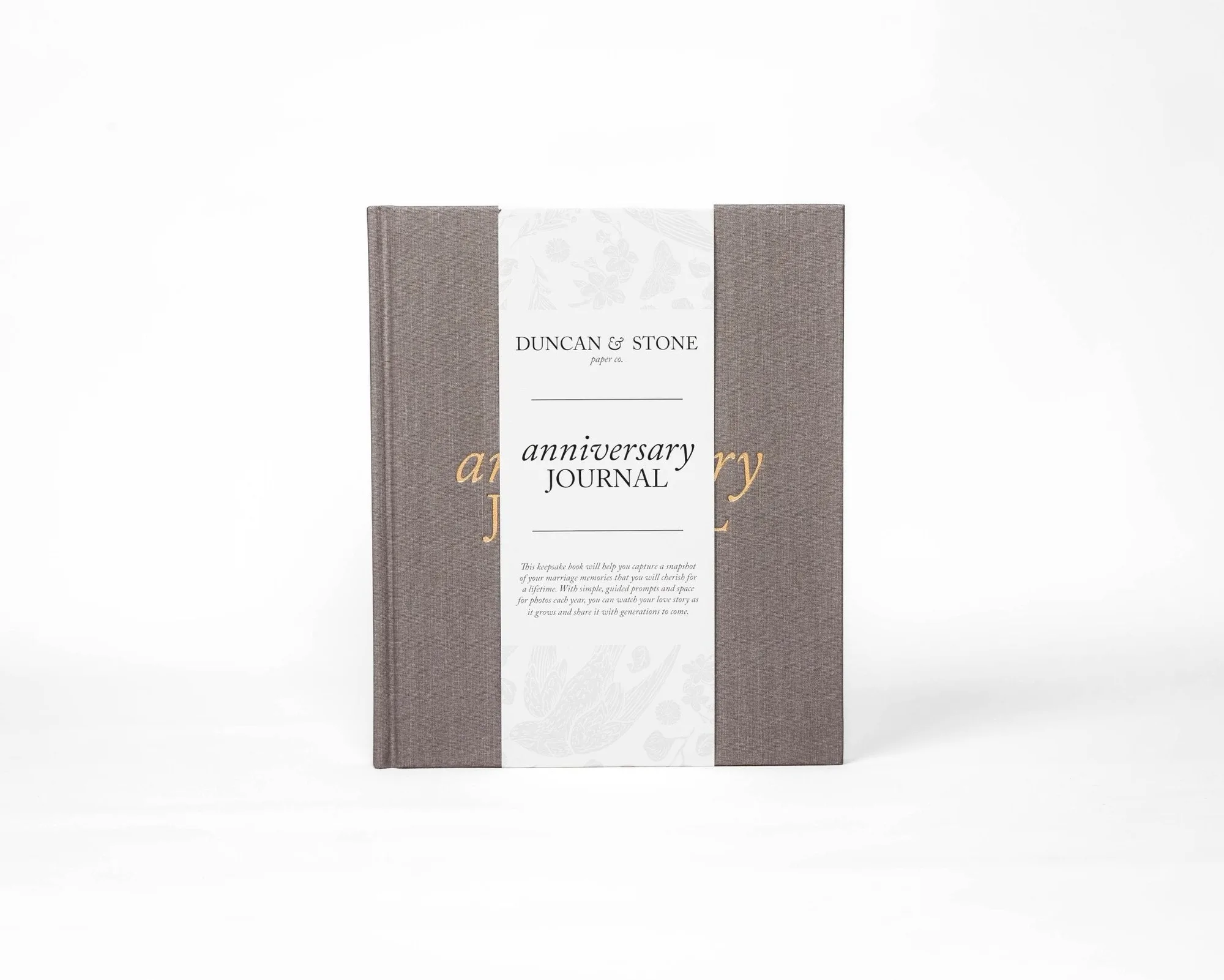
anniversary journal
Start with the right storage spot
The single biggest risk to a keepsake journal is not handling, it is the environment it sits in for years. Interior bookcases in a living room or bedroom are usually safer than garages, basements, attics, and closets on outside walls, because those spaces swing in temperature and humidity. Aim for a spot with steady conditions, indirect light, and enough airflow that the cover and pages never feel cold or clammy.
Keep the journal upright between other books or flat on a shelf, never leaning at an angle where the spine takes the weight. If you display it, rotate it occasionally so one cover does not fade from the same angle of light all year.
Humidity, heat, and light: the three slow threats
High humidity softens paper and glue and invites mold, while very dry heat makes pages brittle and can warp a hardback cover. You do not need a lab-grade setup, but a simple hygrometer in the room helps you notice when conditions drift. If a room regularly feels damp, move the journal rather than trying to seal it away, because trapped moisture inside a closed container does more damage than open air.
Direct sunlight fades covers and inks and heats the paper unevenly. A shelf that receives only indirect light, or a closed cabinet away from windows, solves most of this. When you handle the journal, clean, dry hands are enough; avoid lotions and hand sanitizers right before writing, since residue transfers to the page.
Wrapping and boxing without trapping moisture
A breathable cotton bag, an acid-free paper wrap, or a simple archival box keeps dust off and cushions the cover without trapping damp air. Avoid vacuum-sealing or tight plastic wrap for long-term storage, because any residual moisture stays with the paper. If you live in a very humid climate, add a small silica packet to the box and check it every few months, replacing it when it is saturated.
Store loose items such as photos, ticket stubs, or letters in the same box but not pressed directly against inked pages, so any acidity or ink transfer stays separate. Loose items also add bulk, so leave a little room rather than cramming the box shut.
Match the journal format to how you actually use it
How often you write should decide what you buy. A journal you open weekly or daily needs a binding that stays flat and a cover that survives being carried around. A keepsake you fill in once a year needs a format that prompts you, so you are not staring at empty pages every anniversary.
If you want one book for both purposes, a hardback lined journal works for the writing, and you can add dated entries or a short annual letter at the back. If the book is purely a yearly ritual, a guided keepsake with a fixed structure keeps the habit from stalling.
Decision rules for storing and protecting your journal
- If the room feels damp or smells musty: Move the journal to an interior shelf in a climate-controlled room before buying any storage container, since containers trap moisture rather than remove it. Fix the room first, then wrap.
- If the journal sits in direct sun: Shift it to indirect light or a closed cabinet, or rotate the displayed cover so fading stays even. Light damage is cumulative and cannot be reversed.
- If you write in it weekly or more: Choose a hardback with a flat-lay spine and keep it within reach rather than boxed away, because a stored journal you avoid writing in defeats the purpose. Access beats archival perfection for active journals.
- If you add to it once a year: Use a guided keepsake format and store it in a breathable wrap or box between anniversaries, checking it once a year for damp or pests. A yearly ritual needs prompts, not blank pages.
- If you are unsure about a material or finish: Do not assume a coating, paper weight, or archival rating that is not listed; treat unstated specifications as unknown and ask before relying on them. Unknown is not the same as safe.
Product facts that affect care and use
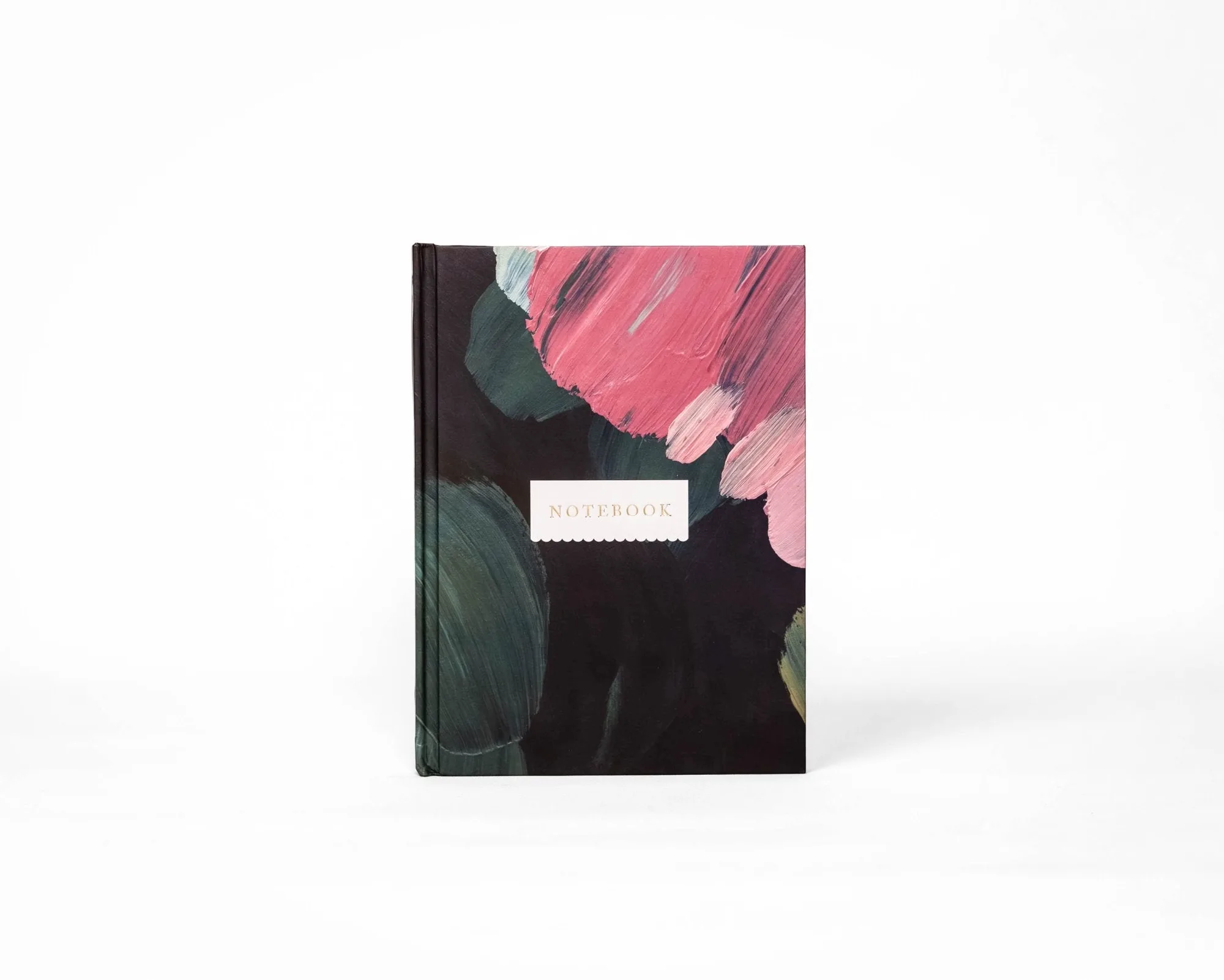
- Blank Lined Journal: Hardback case with a flat-lay spine that stays open and flat for easy journaling, listed for uses including gratitude, writing, project, and daily journals. A flat-lay spine reduces stress on the binding when you write, and the hardback case protects pages during storage and travel.
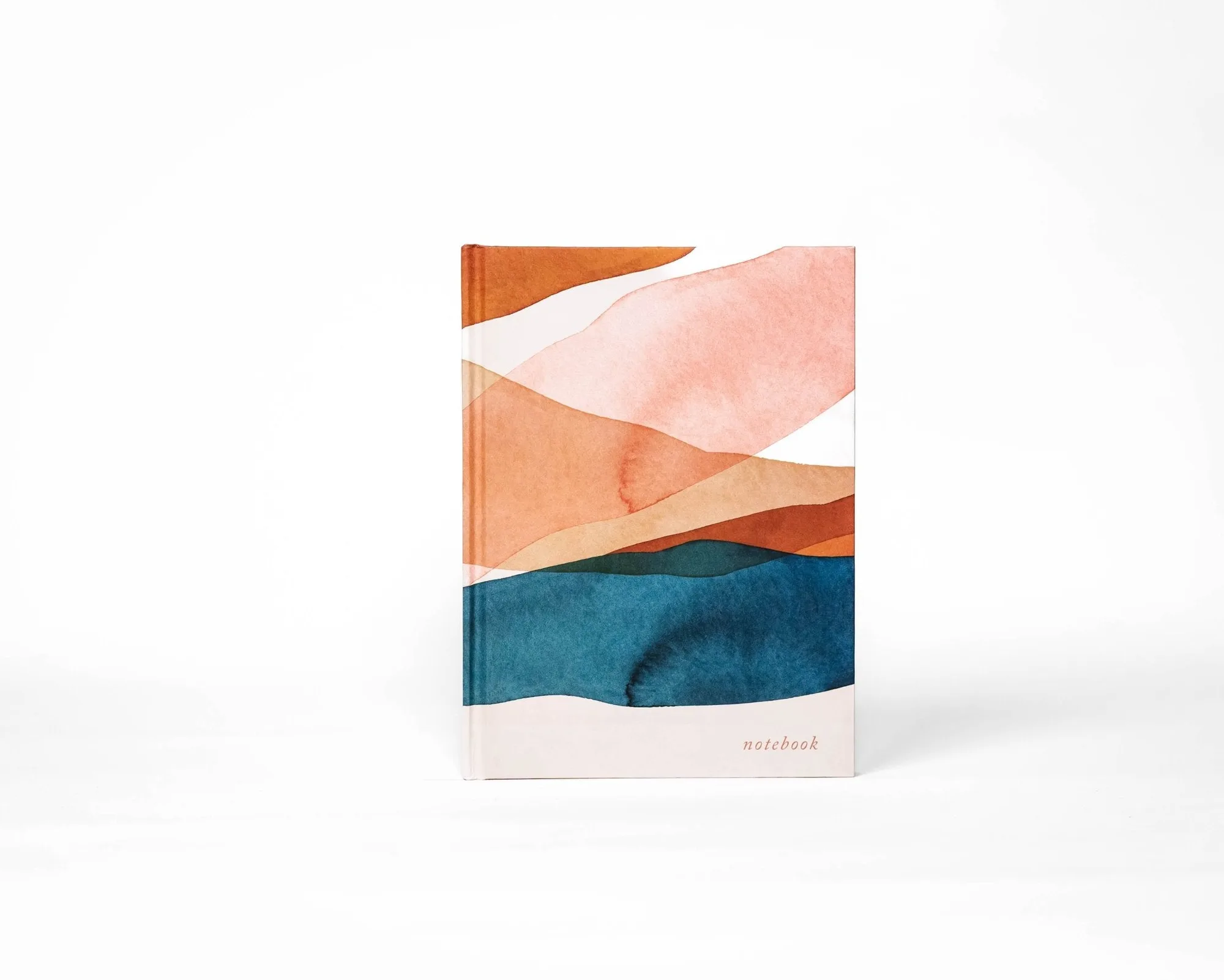
- Blank Lined Journal: June Watercolors: Same hardback, flat-lay construction with a June Watercolors cover, listed for gratitude, writing, self-care, and daily journaling. If the journal will sit on an open shelf, the cover design is the part most exposed to light, so a design you still like after fading is worth choosing deliberately.
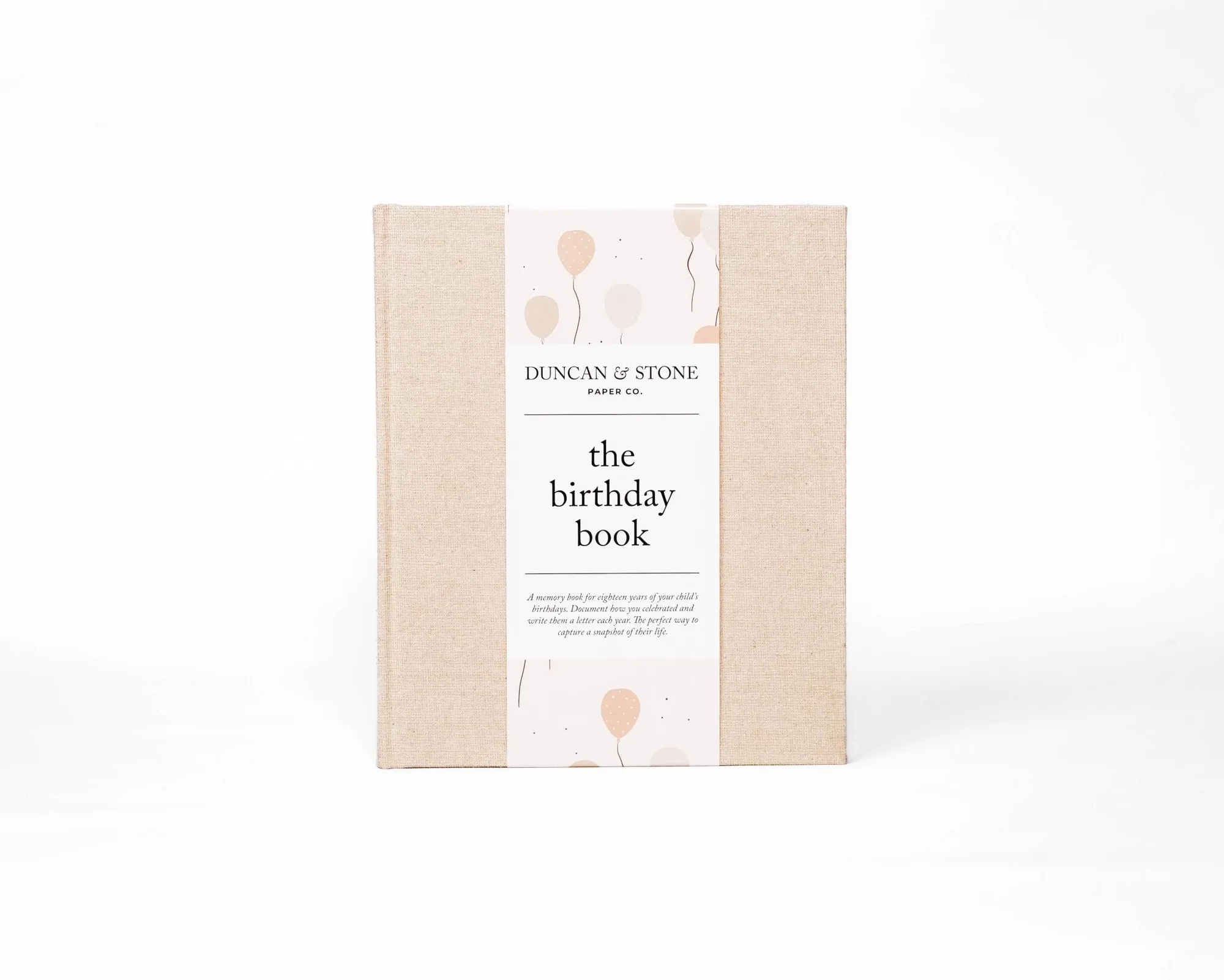
- The Birthday Book: A keepsake birthday book designed to capture memories and hold a yearly letter, requiring roughly 30 minutes to an hour each year. A low-effort yearly format suits people who want a preserved record but will not maintain a daily writing habit.
Who this approach fits
Best for
- Couples keeping a shared anniversary journal they write in at least a few times a year
- Anyone storing a keepsake journal in a climate-controlled living space
- People who want a simple, low-cost routine rather than archival-grade equipment
Not for
- Anyone storing a journal in a damp basement, garage, or attic where conditions cannot be controlled
- Collectors seeking museum-grade conservation, which requires acid-free enclosures and professional advice
- People who want a daily writing habit but will not keep the journal accessible