Quick Answer
Ant repellents deter ants from entering your home without killing them, while ant killers eliminate the ants you see and often the colony. For immediate relief from an active infestation, use an ant killer; for long-term prevention, use a repellent. Many effective strategies combine both, depending on the severity and location of the problem.
Ants are one of the most common household pests, and when they invade your kitchen or pantry, you want them gone fast. But the product you choose matters: some are designed to repel, others to kill. Understanding the difference between ant repellents and ant killers can save you time, money, and frustration.
In this guide, we'll break down how each type works, their pros and cons, and when to use each. We'll also share practical tips for keeping your home ant-free, from natural repellents to targeted treatments.
What Is an Ant Repellent?
Ant repellents are substances that deter ants from entering or staying in an area. They work by creating a barrier that ants find unpleasant, either through scent or taste. Common natural repellents include vinegar, citrus oils, cinnamon, and peppermint oil. Commercial repellents often contain synthetic chemicals that mask food scents or irritate ants' sensory receptors.
Repellents are ideal for prevention. By applying them along entry points like window sills, door thresholds, and cracks, you can stop ants from coming inside in the first place. However, they do not eliminate an existing colony. If you already have ants marching across your counter, a repellent alone won't solve the problem—it may just scatter them to other areas.
- Best for preventing ants from entering your home.
- Typically non-lethal, so they are safer for pets and children when used as directed.
- May need frequent reapplication, especially after cleaning or rain.
What Is an Ant Killer?
Ant killers are designed to eliminate ants. They come in various forms: sprays, baits, powders, and granules. Contact killers, like sprays, kill ants on contact, providing immediate results. However, they only kill the ants you see, not the colony. Baits, on the other hand, are more effective for colony elimination. Ants carry the poison back to the nest, where it spreads and kills the queen and other ants.
Ant killers are the go-to choice when you have an active infestation. They can quickly reduce the number of ants in your home and, with baits, can eliminate the entire colony over time. The downside is that some products contain chemicals that may be harmful to pets and children if not used carefully. Always follow the label instructions and keep them out of reach of curious hands and paws.
- Effective for immediate relief and colony elimination when using baits.
- Choose baits for long-term control, sprays for quick kills.
- Ensure proper placement away from food and children.
Key Differences at a Glance
The main difference lies in their mode of action: repellents deter, killers eliminate. Repellents are preventive, while killers are reactive. Understanding this helps you choose the right product for your situation. For example, if you see a few scout ants, a repellent might be enough to keep them from bringing the whole colony. But if you have a full-blown trail, you need a killer to address the source.
Another difference is the speed of results. Repellents work gradually by discouraging ants from entering, while killers can act immediately. However, repellents are often safer and more environmentally friendly, especially natural options. Killers, especially sprays, can be more toxic and require careful handling.
- Repellents: preventive, non-lethal, slower, safer.
- Killers: reactive, lethal, fast, potentially more toxic.
How to Choose the Right Ant Control for Your Home
Start by assessing the severity of the problem. If you've only spotted a few ants, try a natural repellent like vinegar or essential oils. For a persistent trail, use a bait or spray. In kitchens, where food is present, opt for products that are safe around food preparation areas. Always read labels and follow safety instructions.
Consider the type of ant you're dealing with. Some species are attracted to sweet foods, others to grease. Choose baits that target their preferences. Also, think about the environment: if you have pets or small children, prioritize non-toxic options or place traps in inaccessible areas.
- Identify the ant species to choose the right bait.
- For kitchens, use gel baits in cracks and crevices, away from food.
- Combine methods: use repellent around entry points and bait where ants are active.
Natural and Household Ant Control Methods
Many people prefer natural ant control methods to avoid chemicals in their homes. Common household items like vinegar, lemon juice, and cinnamon can act as repellents. For example, a solution of equal parts water and vinegar can be sprayed along ant trails to disrupt their scent paths. Diatomaceous earth, a fine powder made from fossilized algae, is a natural killer that damages ants' exoskeletons, causing dehydration.
While natural methods are safer, they may require more frequent application and are often less effective for large infestations. They are best used as part of an integrated pest management approach, combining sanitation, exclusion, and targeted treatments.
- Vinegar solution: mix 1 part vinegar to 1 part water, spray along entry points.
- Cinnamon or coffee grounds: sprinkle near entry points to deter ants.
- Diatomaceous earth: apply in dry areas where ants travel; reapply after moisture.
When to Call a Professional
If you've tried multiple methods and ants persist, or if you notice signs of a large colony (like ant hills in your yard), it may be time to call a pest control professional. They can identify the species, locate the nest, and apply treatments that are not available to consumers. Professional treatments are often more effective and can provide long-term solutions.
Also, consider professional help if you have a recurring problem that seems to return every season. A professional can provide advice on sealing entry points and modifying your home's exterior to deter ants.
- Persistent infestations despite DIY efforts.
- Large colonies or nests on your property.
- Health concerns or allergies to pesticides.
Trade-offs to Consider
- Speed vs. Safety: Ant killers provide fast results but may contain chemicals that require careful handling. Natural repellents are safer but slower and less potent. For quick relief, use a targeted killer; for ongoing prevention, choose a repellent.
- Kill the Colony vs. Just the Scouts: Sprays kill only the ants you see, while baits can eliminate the entire colony. Repellents only deter, never kill. If you see a trail, use baits to target the colony; if you spot a few scouts, a repellent may suffice.
- Indoor vs. Outdoor Use: Some products are designed for outdoor use only, while others are safe indoors. Repellents are often safe for indoor use, but killers may require caution around food and children. Always read labels to ensure the product is suitable for your intended location.
Products to Support Your Ant Control Efforts
- Antibacterial Bathroom Spray Away Cleaner: Using naturally derived ingredients, our antibacterial Spray Away bathroom cleaner cleans and disinfects in two simple steps, killing up to 99.9% of bacteria. Ideal for everything from tiles to taps to toilets – including fittings made from acrylic, enamel, stainless steel and chrome – it’s lightly fragranced to leave your bathroom smelling wonderfully fresh and cuts through soap scum, limescale, grease and grime. Keeping your bathroom clean and germ-free helps eliminate the food and moisture sources that attract ants, reducing the need for chemical ant killers in the first place.
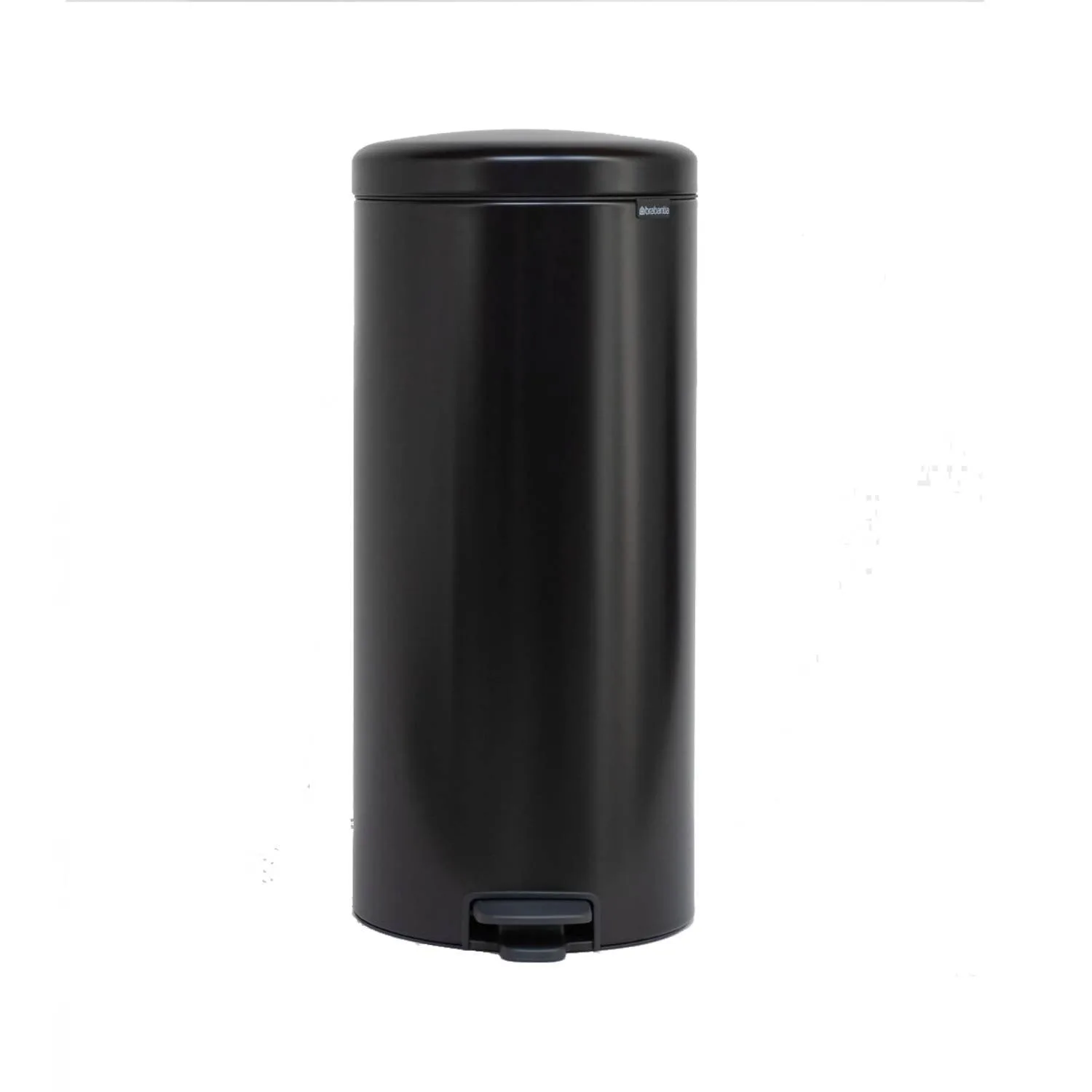
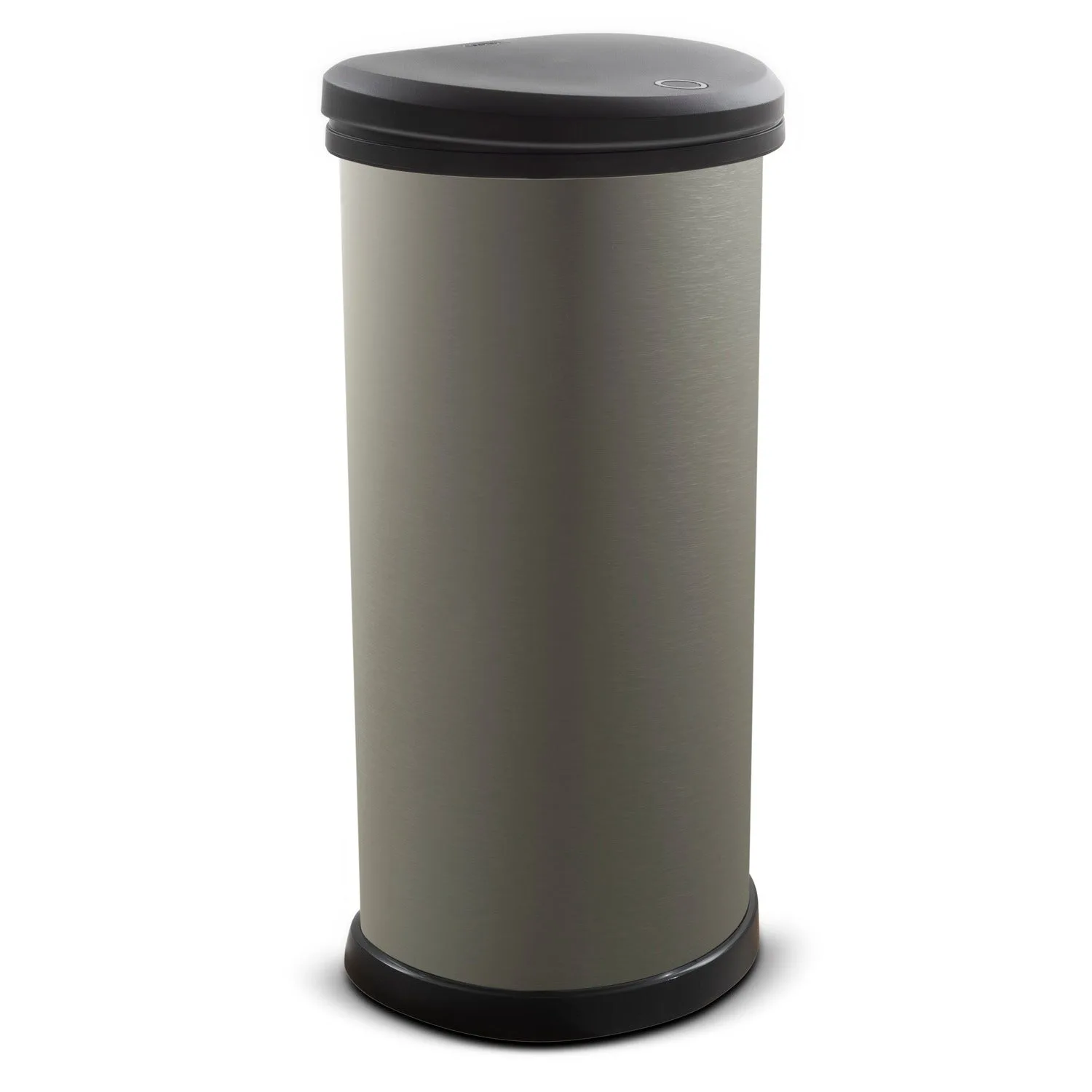
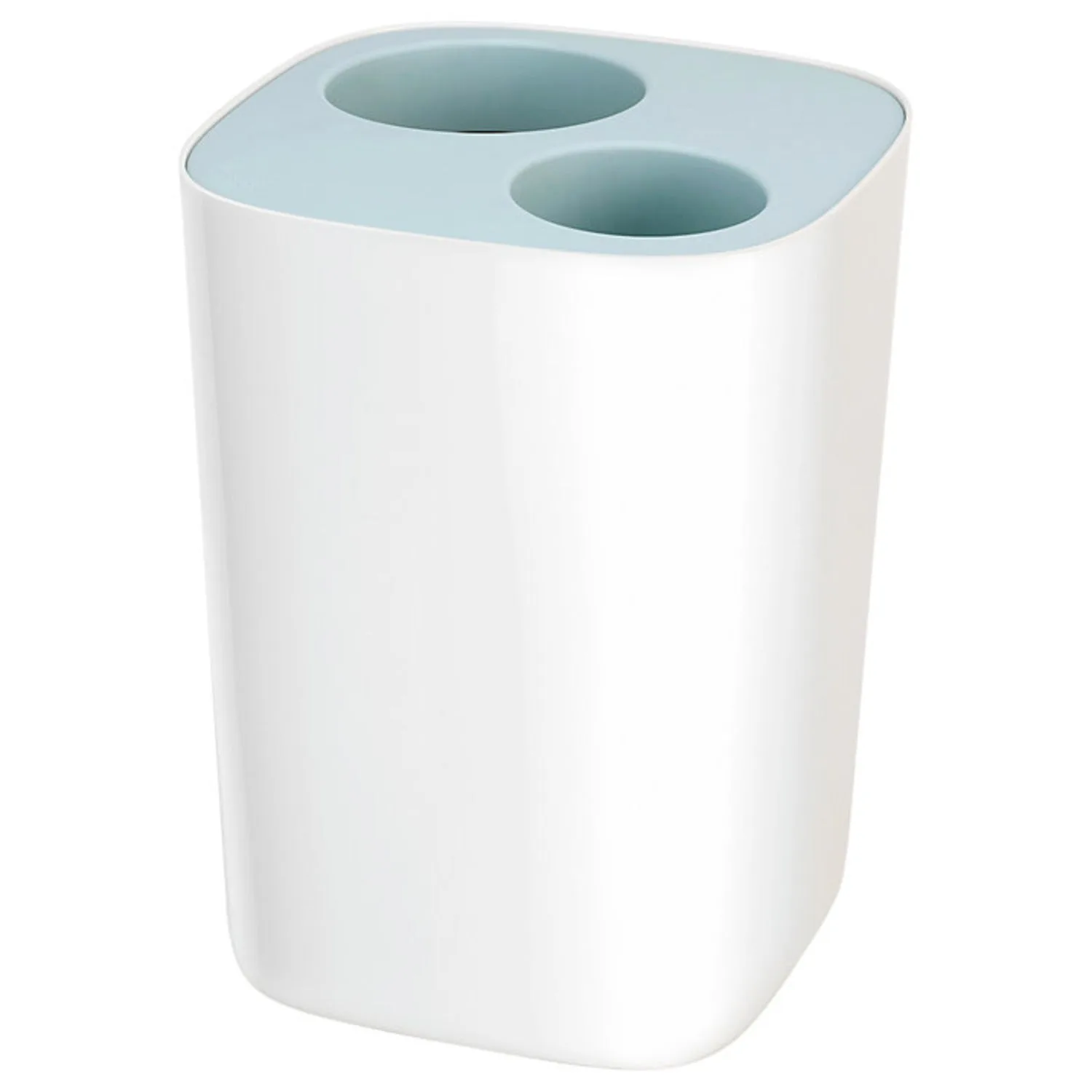
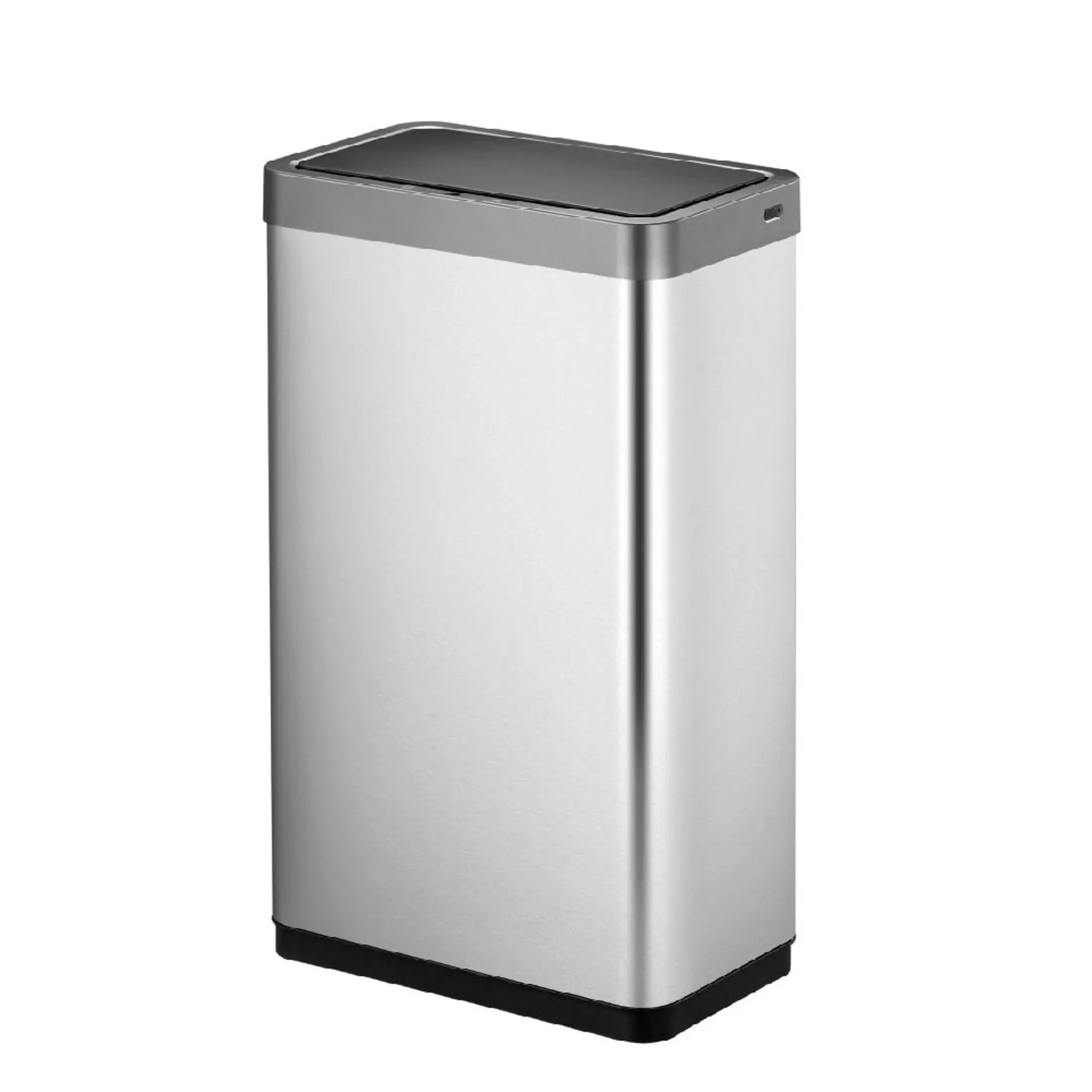
- Brabantia Sort & Go Built-In Bin 10 + 10 + 20L: Make light work of kitchen waste management with the Brabantia Sort & Go Built-In Bin 40L. This clever solution features two handy 10-litre removable inner bins and one 20-litre compartment, perfect for separating your recyclables from general waste. The pull-out design, mounted on telescopic rails, ensures easy access, letting you slide both bins out with just a gentle tug. It’s made to work with both left and... A well-sealed and organized waste bin reduces food odors that attract ants, helping to prevent infestations without resorting to ant killers.
Choosing the Right Approach
Best for
- Ant repellents: households with pets and children, preventive measures, and those preferring natural solutions.
- Ant killers: active infestations, quick results, and targeting the colony with baits.
Not for
- Ant repellents: severe infestations that require colony elimination.
- Ant killers: homes with small children or pets where chemical exposure is a concern, unless using non-toxic options.
Understanding the difference between ant repellents and ant killers is key to effective ant control. Start with prevention using repellents, and if ants appear, use targeted killers to address the problem. Remember to keep your home clean and free of food debris to reduce attractants. For more home care solutions, explore our range of cleaning and storage products to maintain a pest-free environment.