Organic cotton is a cornerstone of sustainable fashion, prized for its softness, breathability, and minimal environmental impact. But to truly enjoy the benefits of your organic cotton apparel, proper care is essential. Without the right washing and drying techniques, even the finest organic fabric can lose its shape, fade, or become rough over time.
In this guide, we'll explore practical, natural methods to keep your organic cotton clothes looking new for years. From gentle washing techniques to eco-friendly stain removal, you'll learn how to extend the life of your favorite pieces while staying true to a natural lifestyle.
Why Organic Cotton Requires Special Care
Organic cotton is grown without synthetic pesticides or fertilizers, making it softer and more breathable than conventional cotton. However, this natural purity also means it's more susceptible to damage from harsh chemicals and high heat. Many conventional detergents contain enzymes and optical brighteners that can weaken organic fibers and cause premature fading.
Additionally, organic cotton tends to shrink more than conventional cotton if exposed to hot water or high dryer heat. By adopting a gentle care routine, you not only preserve the fabric's integrity but also reduce your environmental footprint—aligning with the ethos of organic living.
- Always check the care label for specific instructions.
- Wash organic cotton in cold or lukewarm water to prevent shrinkage.
- Avoid chlorine bleach and opt for natural alternatives like oxygen-based bleaches.
Washing Organic Cotton: Best Practices
When it comes to washing organic cotton, the goal is to minimize agitation and avoid high temperatures. Turn garments inside out to protect the outer surface from friction. Use a gentle cycle on your washing machine, or hand wash for delicate items. A mild, plant-based detergent is ideal—look for one that is free from synthetic fragrances and dyes.
For stubborn stains, treat them before washing with a natural spot remover. You can create a paste from baking soda and water, or use a drop of gentle dish soap. Let it sit for a few minutes, then gently rub the area with a soft brush. Always test on an inconspicuous area first.
- Use a mesh laundry bag for delicate organic cotton pieces.
- Separate lights and darks to prevent color transfer.
- Avoid overloading the washing machine to reduce friction.
Drying and Ironing Tips for Longevity
The best way to dry organic cotton is to air dry it. Hang garments on a clothesline or lay them flat on a clean towel. Direct sunlight can fade colors, so dry in the shade if possible. If you must use a dryer, choose the lowest heat setting and remove clothes while they are still slightly damp to minimize wrinkles.
Ironing organic cotton is best done while the fabric is still slightly damp, using a medium-hot iron. For a natural alternative, you can use a steamer to remove wrinkles without direct contact. Always iron on the reverse side to prevent shine marks.
- Air drying saves energy and is gentler on fibers.
- Use a low heat setting if machine drying is necessary.
- Iron inside out with a medium-hot iron to avoid shine.
Natural Stain Removal and Odor Control
Organic cotton is breathable, but it can still hold onto odors. Instead of harsh chemical deodorizers, try a natural approach: add half a cup of white vinegar to the rinse cycle to neutralize odors and soften fabric. Baking soda is another excellent odor absorber—add it to the wash for extra freshness.
For common stains like coffee or grass, a mixture of lemon juice and salt can work wonders. Apply the paste, let it sit in the sun, and then wash as usual. These natural methods are not only effective but also safe for your skin and the environment.
- Vinegar in the rinse cycle acts as a natural fabric softener.
- Baking soda boosts cleaning power without harsh chemicals.
- Sunlight can help bleach stains naturally, but avoid overexposure.
Storing Organic Cotton Apparel
Proper storage is key to keeping your organic cotton clothes looking new. Fold heavy sweaters to prevent stretching, and hang lighter items on padded hangers. Keep them in a cool, dry place away from direct sunlight to prevent fading. Cedar blocks or lavender sachets can naturally repel moths without toxic chemicals.
If you're storing seasonal clothes, use breathable cotton garment bags instead of plastic. This allows air circulation and prevents moisture buildup, which can lead to mildew.
- Fold knitwear to maintain its shape.
- Use breathable storage bags for long-term storage.
- Add natural moth repellents like cedar or lavender.
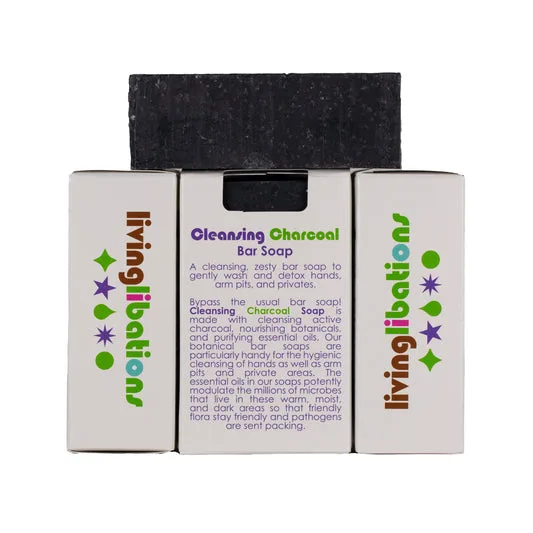
Caring for your organic cotton apparel doesn't have to be complicated. By adopting these natural fabric maintenance tips, you'll extend the life of your clothes, reduce waste, and enjoy the comfort of organic cotton for years to come. For more natural living inspiration, explore our range of eco-friendly products, including the Cleansing Charcoal BAR SOAP and Triple Mint ENAMELIZER TOOTHPASTE, which complement a sustainable lifestyle.
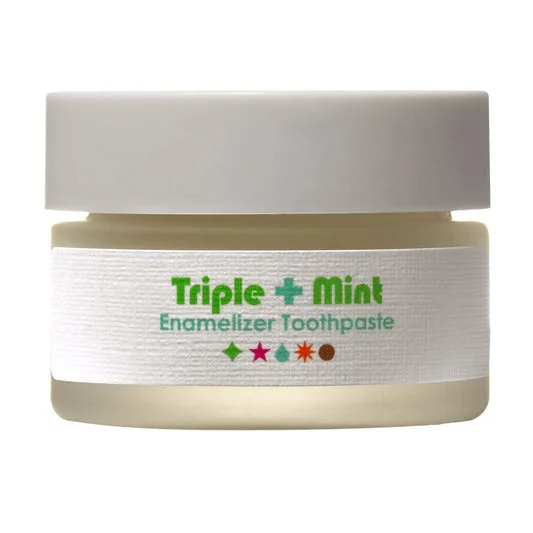
Triple Mint ENAMELIZER TOOTHPASTE