The short answer: match the oil to your skin's behavior
Both Rishi Natural Wood Pressed Apricot Oil and Rishinatural Jojoba Oil are cold-pressed, chemical-free body oils that work on skin and hair. The practical difference is how each behaves on your skin. Apricot oil is described as a lightweight oil that absorbs easily and is rich in vitamins A, C, and E. Jojoba oil is also lightweight and non-greasy, but its catalog description emphasizes balancing oil production, making it a fit for oily, sensitive, and acne-prone skin as well as dry skin.
If your main complaint is flaky, dry skin that needs a nighttime treatment, apricot oil is the more direct match. If your skin is combination or oily but still dehydrated, or you want one oil for face, hair, and scalp without heaviness, jojoba is the more versatile starting point.
How they compare on skin
- Dryness and flaky patches: Apricot oil is explicitly suggested as a nighttime treatment for dry or flaky skin. Its vitamin A and E content supports the catalog's anti-aging and elasticity claims. Jojoba also deeply moisturizes, but its standout role is regulating sebum, so it suits skin that is both oily and dehydrated.
- Oily, sensitive, or acne-prone skin: Jojoba oil is described as perfect for all skin types, including sensitive and acne-prone skin, and as non-comedogenic in its catalog wording. Apricot oil is lightweight and non-greasy, but the supplied record does not make the same explicit suitability claim for acne-prone skin.
- Texture and absorption: Both are described as lightweight and fast-absorbing. Apricot has a golden-yellow color and smooth texture; jojoba is golden yellow with a non-greasy feel. Neither is a heavy body butter substitute.
- Facial use: Apricot oil for face is positioned for lightweight hydration, reducing dryness, and improving texture. Jojoba oil for face is positioned as a daily moisturizer and even a makeup primer. If you wear makeup often, jojoba's primer suggestion may be more useful.
How they compare on hair and scalp
- Frizz and shine: Jojoba oil is described as reducing frizz and enhancing shine, with a few drops recommended before hair styling. Apricot oil is described as adding shine and nourishment and reducing dryness when massaged into scalp and hair. Both can work, but jojoba's styling-specific suggestion makes it easier to use as a finishing oil.
- Scalp care: Apricot oil is said to soothe dryness and irritation while reducing dandruff. Jojoba oil is also said to nourish the scalp, reduce dandruff, and promote healthy hair growth. The catalog claims overlap here, so choose based on which oil your scalp tolerates better after a patch test.
- Hair strength: Both records mention stronger strands and healthier hair. Neither supplies a clinical study, so treat these as cosmetic conditioning benefits rather than treatment for hair loss.
What the product records actually confirm
-
Apricot Oil Wood Pressed – 100% Pure Cold-Pressed - Nourishes Skin & Hair | Chemical-Free Formula: Rishi Natural Wood Pressed Apricot Oil is 100% pure cold-pressed apricot kernel oil with vitamins A, C, and E, described as lightweight and non-greasy. It is suggested for dry skin as a nighttime treatment and for massage, cuticles, and hair. This makes apricot oil the clearer choice when dryness and flakiness are the main problem, especially for a night routine.
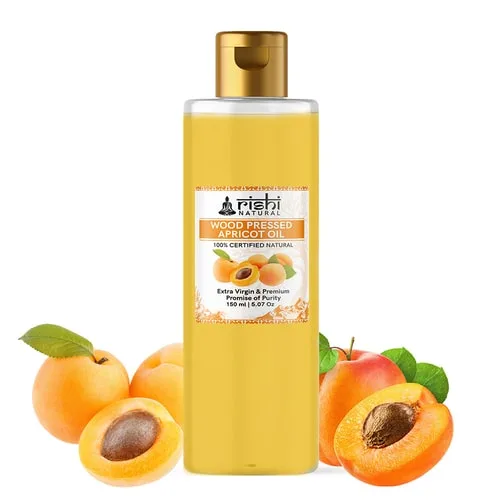
Apricot Oil Wood Pressed – 100% Pure Cold-Pressed - Nourishes Skin & Hair | Chemical-Free Formula
-
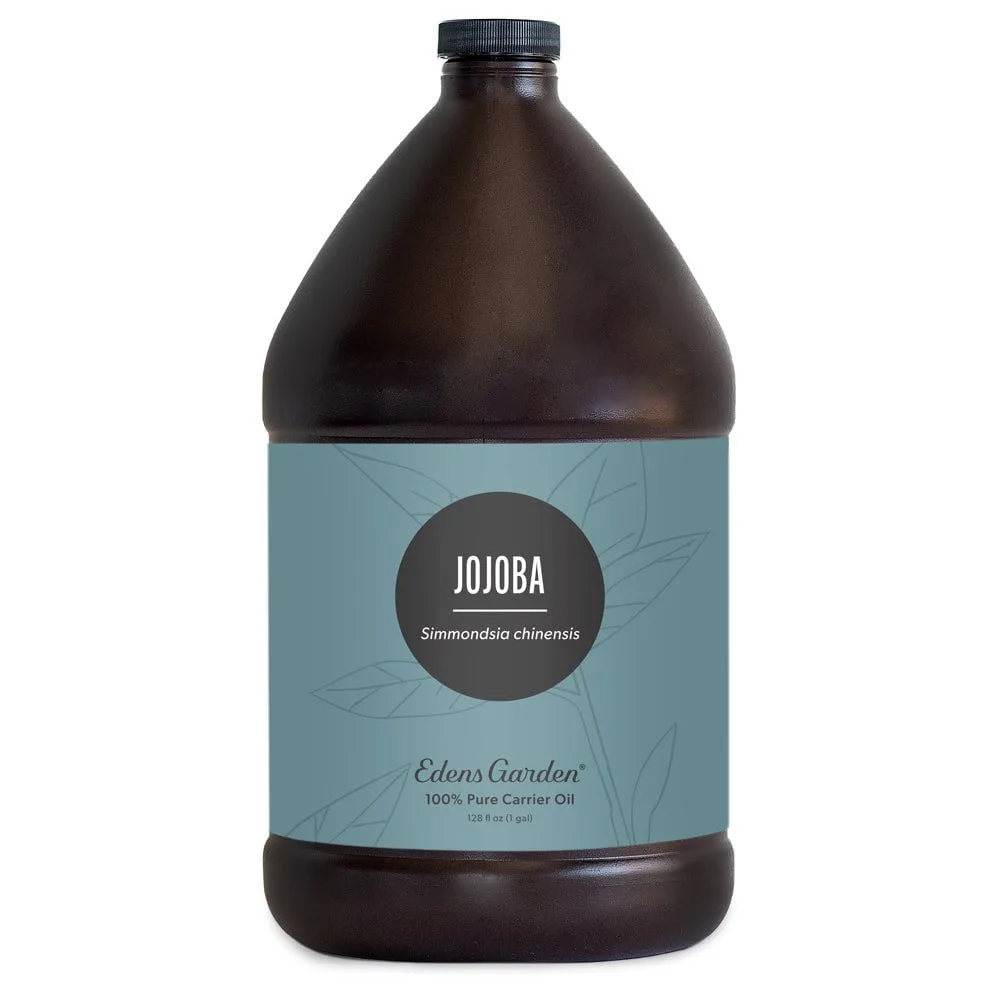
Jojoba Oil Wood-Pressed – 100% Pure Cold Pressed - Deeply Nourishes Skin & Hair, Unrefined & Chemical-Free, Lightweight: Rishinatural Jojoba Oil is cold-pressed, rich in vitamins E and B, and described as balancing oil production for both oily and dry skin types. It is suggested for daily moisturizing, nighttime serum use, after-shower application, pre-styling frizz control, scalp treatment, and as a makeup primer. Jojoba's wider range of suggested uses and its oil-balancing description make it the more flexible option for combination skin and multi-step routines.
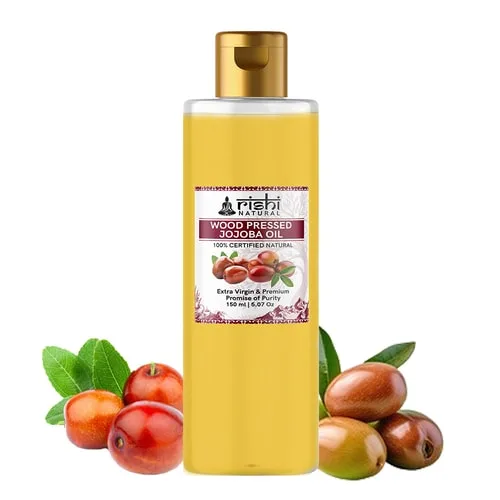
Jojoba Oil Wood-Pressed – 100% Pure Cold Pressed - Deeply Nourishes Skin & Hair, Unrefined & Chemical-Free, Lightweight
-
Apricot Oil Wood Pressed – 100% Pure Cold-Pressed - Nourishes Skin & Hair | Chemical-Free Formula: The apricot oil record recommends use above 5 years of age for babies and kids and advises storing the bottle tightly closed in a cool, dry place away from direct sunlight. If you plan to share the oil with a young child or keep it in a humid bathroom, these handling notes matter.
-
Jojoba Oil Wood-Pressed – 100% Pure Cold Pressed - Deeply Nourishes Skin & Hair, Unrefined & Chemical-Free, Lightweight: The jojoba oil record recommends a patch test on the hair for 10 minutes before first use and states it is safe during pregnancy and breastfeeding days. That patch-test instruction is a practical first step, especially if you have reacted to oils before.
Where each oil fits in a real routine
For a simple evening routine, apply apricot oil to clean skin as a nighttime treatment when your face or body feels tight and flaky. For daytime, jojoba oil can go on damp skin after a shower to lock in moisture, and a few drops can smooth frizz before styling. Neither product record supplies a recommended quantity beyond 'a few drops' for jojoba, so start small and add more only if your skin still feels dry.
If you want one bottle for face, hair, and scalp with the fewest caveats, jojoba is the easier default. If you want a dedicated dry-skin night oil and also need a massage or cuticle oil, apricot covers those uses with a lighter texture.
What neither oil can promise
The catalog describes cosmetic benefits such as hydration, improved texture, and reduced appearance of fine lines, but it does not provide clinical trial results or independent testing. Neither oil is a treatment for eczema, psoriasis, or dandruff as a medical condition, even though the jojoba record mentions soothing dryness and irritation associated with those conditions. If you have a persistent skin or scalp condition, ask a qualified professional before relying on a body oil.
Both products are sold in a 150 ML size. The records do not state a shelf life after opening, so follow the storage instructions and watch for any change in smell or texture.