Quick answer
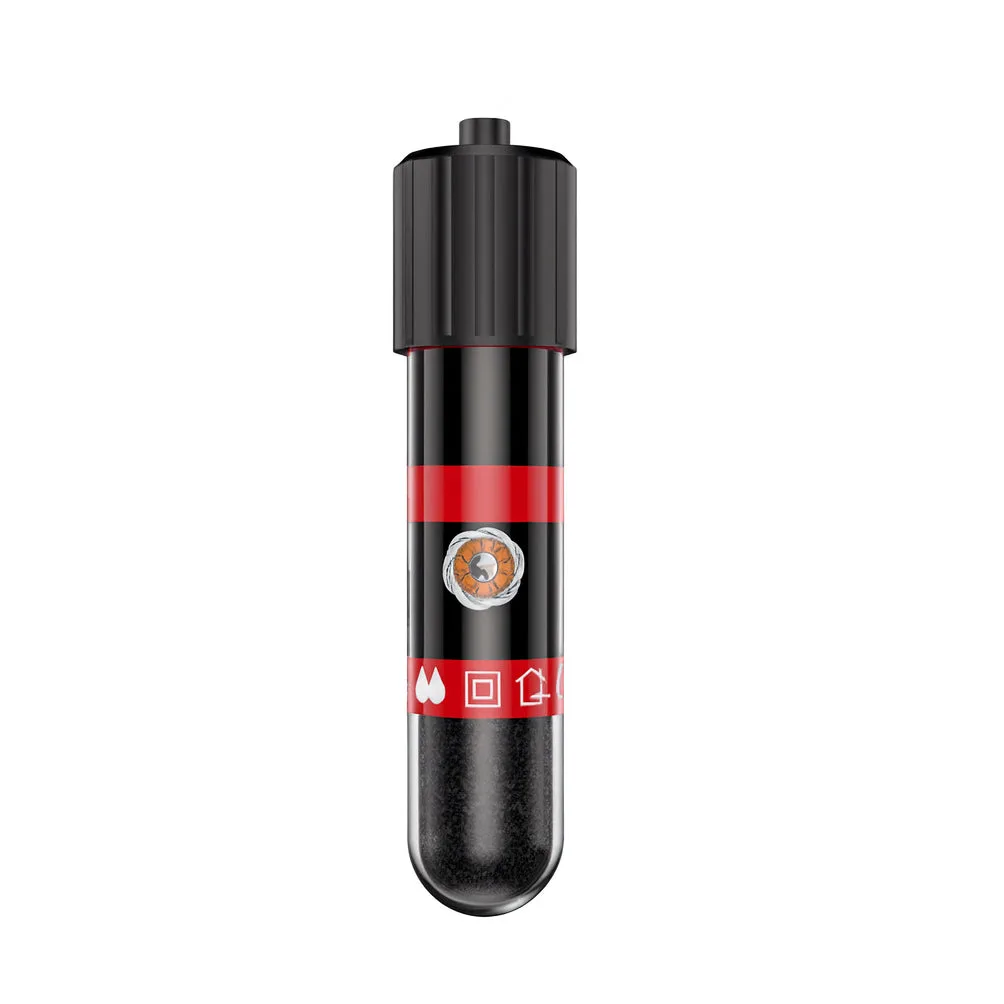
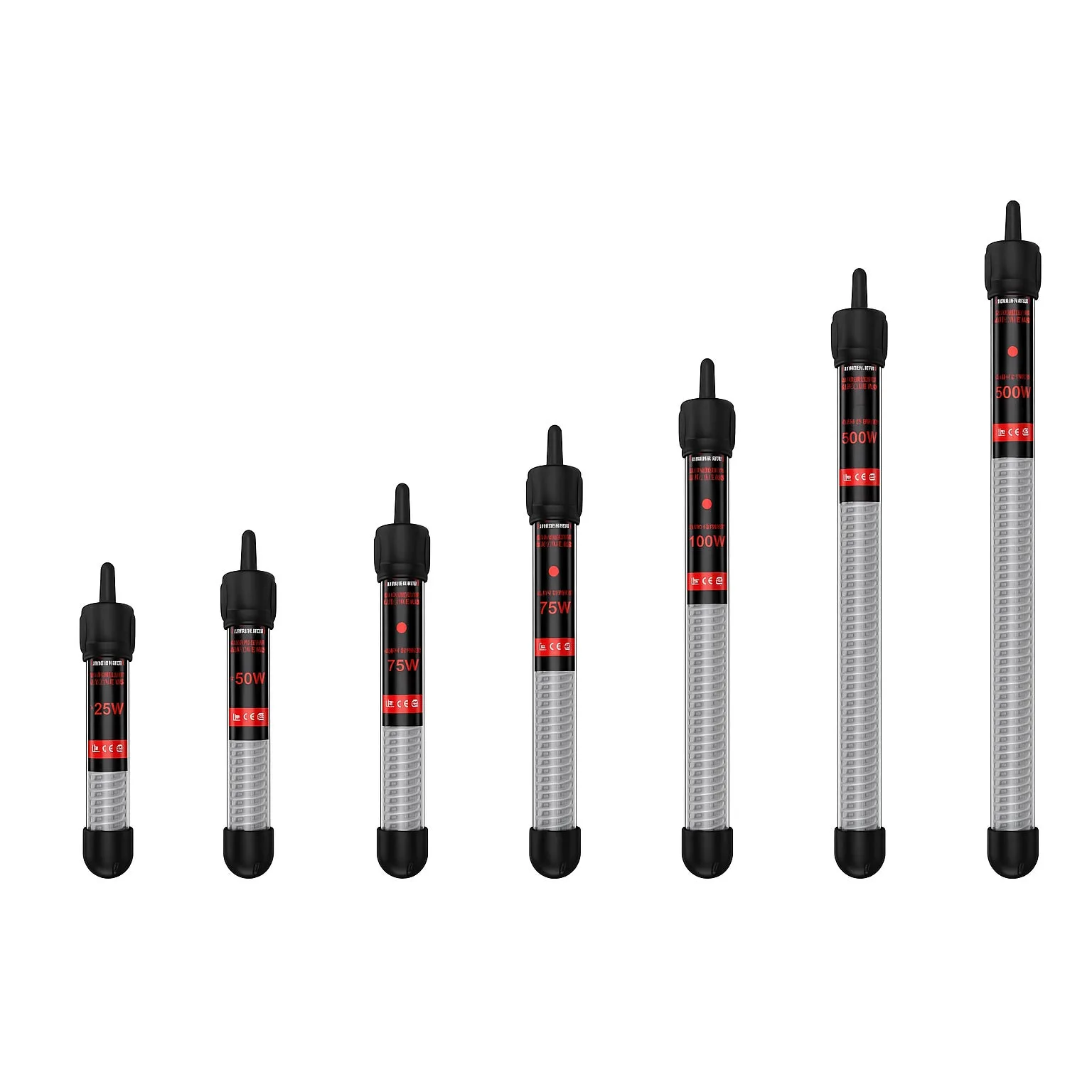
For most indoor tanks, aim for 3 to 5 watts per gallon (roughly 0.8 to 1.3 watts per liter) of actual water volume, then round up to the nearest available wattage. Choose a submersible heater with an adjustable thermostat and a separate thermometer to verify temperature. For a betta tank, a 25 to 50 watt submersible heater suits 2.5 to 5 gallon setups. For planted aquariums, stable temperature matters more than raw wattage, so a reliable thermostat and gentle flow around the heater are key.
Wattage: the 3-to-5 watts per gallon rule and when to break it
Heater wattage must overcome heat loss to the room, not just warm the water once. A 20 gallon tank in a 68°F room typically needs 50 to 100 watts; the same tank in a 60°F room may need 150 watts. Start with 3 to 5 watts per gallon of actual water volume (subtract substrate and decor displacement), then round up. Two smaller heaters can be safer than one large heater because if one fails on, it is less likely to cook the tank, and if one fails off, the other provides partial heat.
Use a simple wattage chart as a starting point, not a guarantee. Measure your room's coldest overnight temperature, not the daytime average. If your home drops below 65°F at night, size toward the higher end of the range. If your tank sits in a warm room year-round, a lower wattage heater running less often may last longer.
- 5 gallon tank, 68-72°F room: 25-50 watts
- 10 gallon tank, 68-72°F room: 50-75 watts
- 20 gallon tank, 68-72°F room: 75-100 watts
- 40 gallon tank, 68-72°F room: 150-200 watts
- 75 gallon tank, 68-72°F room: 250-300 watts
Heater types: submersible, inline, and preset
Submersible glass or plastic heaters are the most common and easiest to place. Fully submersible models can go completely underwater, while some are only partially submersible and must stay below a water line. Inline heaters install on the return line of a canister filter and keep equipment out of the tank, which suits aquascaped displays, but they require a canister filter and add a potential leak point. Preset heaters are factory-set to a fixed temperature and cannot be adjusted; they are simple but less flexible if your room runs warm or cool.
For a betta tank, a small submersible heater with a guard or shroud protects fins from direct contact. Bettas prefer stable temperatures around 78-80°F. A 25 watt heater is often enough for a 2.5-5 gallon tank in a normal room. Avoid unguarded glass heaters in small betta setups where the fish can rest against the tube.
Thermostat and safety features that matter
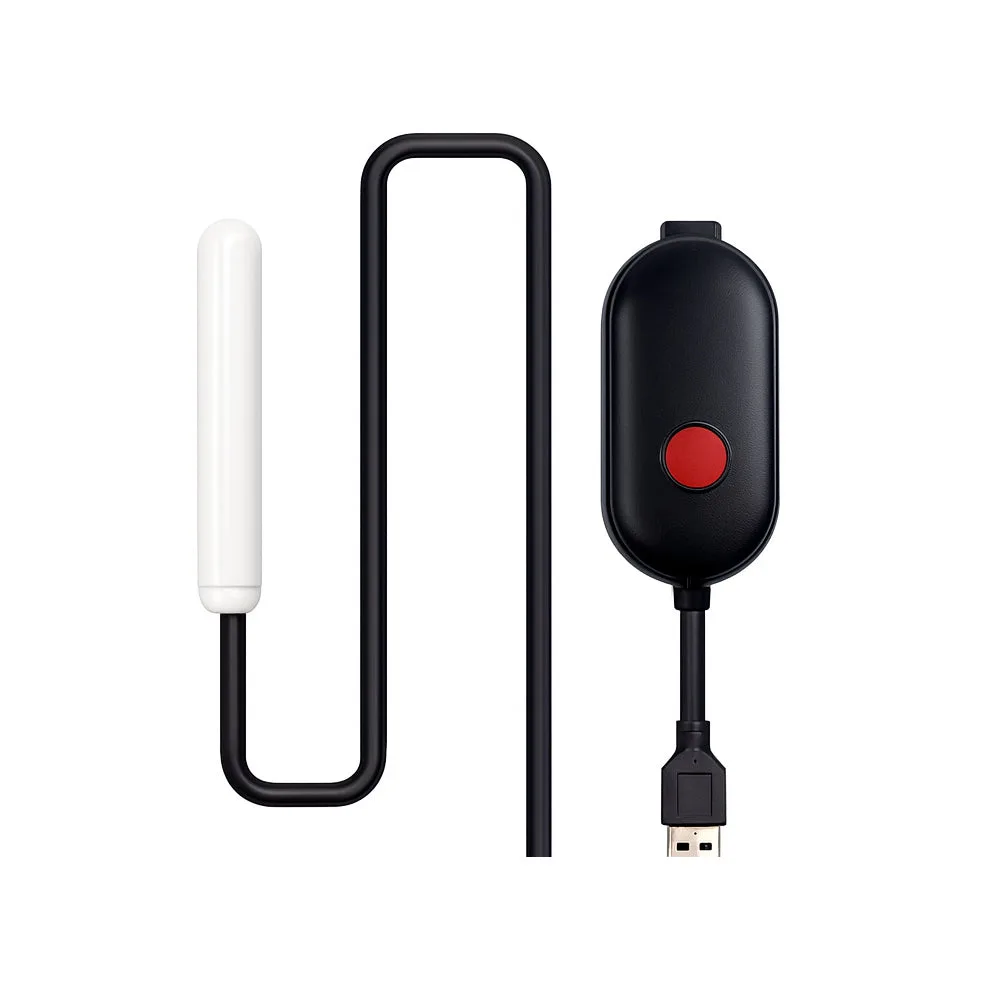
An adjustable thermostat lets you set a target temperature, usually with a dial or digital control. Digital controllers with a separate temperature probe can be more precise, but they add another failure point. Look for a heater with an automatic shut-off if it runs dry, and a thermal cut-off that trips if the internal temperature exceeds a safe limit. A pilot light or indicator shows when the heater is actively heating, which helps you spot a stuck-on thermostat before it cooks the tank.
Always use a separate thermometer placed at the opposite end of the tank from the heater. The heater's own dial is not a measurement device. Check temperature daily for the first week after any change, then weekly. A grounded outlet or drip loop on the cord protects against splashes. Never plug a heater into a timer that turns it off for long periods unless you understand the temperature swing that will cause.
Placement, flow, and planted tank considerations
Place the heater near water flow, such as near the filter intake or output, so heat distributes evenly. Avoid burying it in substrate or placing it in a dead corner. In a planted aquarium, stable temperature supports plant growth and prevents stress that can trigger algae or melt. A heater that cycles on and off frequently can cause more temperature fluctuation than a slightly larger heater that runs steadily. If you inject CO2, keep the heater away from the diffuser so the ceramic or glass does not experience uneven cooling from bubbles.
For aquascapes where you want minimal visible equipment, an inline heater on a canister filter is the cleanest option. For smaller planted tanks without a canister, a compact submersible heater tucked behind hardscape works well. Always leave room around the heater for water movement; do not sandwich it against plants or wood.
Maintenance and replacement signs
Inspect the heater cord, seals, and glass or plastic body during every water change. Cracks, cloudiness, or a loose suction cup mean it is time to replace. Mineral buildup on the heater reduces heat transfer and can cause hot spots; wipe it with a soft cloth and a diluted vinegar solution during maintenance. If the heater's indicator light stays on constantly or the tank temperature climbs above the set point, unplug it immediately and replace it.
Heaters are consumable equipment. Even a well-made heater may fail after a few years. Keep a spare heater of the correct wattage on hand, especially in winter. A spare is cheaper than losing livestock to a cold night.
Decision rules for buying an aquarium heater
- If your room swings more than 5°F overnight: Size toward the higher end of the wattage range and choose an adjustable thermostat with a separate thermometer. A preset heater may not hold your target temperature. Stability beats precision for most hobbyists.
- If you keep a betta in a 2.5-5 gallon tank: Choose a 25-50 watt submersible heater with a guard or shroud. Set it to 78-80°F and verify with a separate thermometer. Small tanks heat and cool quickly, so a guarded, reliable heater matters more than high wattage.
- If you run a canister filter on a planted tank: Consider an inline heater to keep equipment out of the display, but keep a genuine replacement O ring for your filter on hand to prevent leaks. Inline heaters are clean but add a connection point that needs maintenance.
- If you want the simplest setup: A fully submersible glass heater with an adjustable dial and a pilot light is easy to place and monitor. Add a separate thermometer and check daily. Simple does not mean unsafe if you verify temperature independently.
Product facts to know
- SUNSUN Canister Filter HW-304A/304B Replacement Rubber Seal O Ring: Genuine replacement rubber seal for SunSun HW series external filters. Please email us if you wish to use the replacement O ring seal on a similar model to confirm the size before purchase. NOTE: Please be cautious of other sellers on large market platforms who claim that the replacement parts they are offering are genuine. Most of these are cheap replicas that can damage your filter, leading to leaks or other issues. If you run an inline heater on a canister filter, a failed O ring can leak and drain your tank. Keeping a genuine replacement seal on hand protects both the filter and the heater setup.
- Super CO2 Compact Internal Diffuser up to 45 Litres: The Castle Dawn Aquatics Super Diffuser is a sleek, internal CO2 diffuser designed for smaller aquariums. It effortlessly connects to standard CO2 tubing and secures easily inside the tank, delivering a fine mist of CO2 for improved plant health and growth. Its compact design is ideal for aquascapes where space is limited, and it provides consistent and efficient diffusion without obstructing your view. In a planted aquarium, CO2 and temperature stability work together. A compact diffuser keeps equipment out of the way while you place your heater for even flow, without visual clutter.
- SUNSUN Canister Filter HW-602A/602B Replacement Rubber Seal O Ring: Genuine replacement rubber seal for SunSun HW series external filters. Please email us if you wish to use the replacement O ring seal on a similar model to confirm the size before purchase. NOTE: Please be cautious of other sellers on large market platforms who claim that the replacement parts they are offering are genuine. Most of these are cheap replicas that can damage your filter, leading to leaks or other issues. A spare O ring for your canister filter is a small investment that prevents leaks near electrical equipment, including inline heaters.
Who this guide is for
Best for
- Beginner to intermediate hobbyists setting up a freshwater tank
- Betta keepers with small tanks who need a safe, guarded heater
- Planted aquarium owners who want stable temperatures without visible equipment
Not for
- Saltwater reef keepers who need a controller with redundant safety systems
- Keepers of very large tanks (150+ gallons) who should use multiple heaters and a dedicated controller
- Anyone looking for a preset, non-adjustable heater in a room with large temperature swings