Coffee lovers often encounter two main species of coffee beans: Arabica and Robusta. While both come from the same plant genus, Coffea, they differ significantly in flavor, cultivation, and use. Understanding these differences can help you choose the right bean for your taste preferences and brewing method.
Arabica beans account for about 60% of global coffee production and are prized for their sweet, complex flavors. Robusta, on the other hand, is known for its strong, bitter taste and higher caffeine content. This guide explores the unique characteristics of each species, so you can make an informed choice the next time you buy coffee.
What Are Arabica Coffee Beans?
Arabica (Coffea arabica) is the most popular coffee species, grown at high altitudes in regions like Latin America, East Africa, and parts of Asia. The plants are delicate and require specific conditions—cool temperatures, ample rainfall, and shade—to thrive. Arabica beans are oval-shaped with a curved crease on one side and have a lower caffeine content (about 1.2% by weight) compared to Robusta.
Flavor-wise, Arabica offers a wide range of notes, from fruity and floral to nutty and chocolatey, depending on the origin and processing method. For example, beans from Ethiopia often exhibit bright citrus and berry flavors, while those from Colombia tend to be balanced with caramel sweetness. This complexity makes Arabica the preferred choice for specialty coffee and pour-over brewing methods like the Hario V60.
- Grown at altitudes of 600–2,000 meters
- Lower caffeine content (1.2%)
- Complex flavor profile with acidity and sweetness
- More expensive due to delicate cultivation
What Are Robusta Coffee Beans?
Robusta (Coffea canephora) is hardier and easier to cultivate, thriving at lower altitudes and in warmer climates. It is primarily grown in Africa, Southeast Asia, and Brazil. Robusta beans are rounder and have a straight crease, with a caffeine content nearly double that of Arabica (about 2.2%). This higher caffeine makes the plant more resistant to pests and diseases.
In the cup, Robusta is known for its strong, earthy, and sometimes rubbery flavor, with a distinct bitterness and a thick, creamy crema when used in espresso. It is often blended with Arabica to add body and crema to espresso shots, or used in instant coffee and commercial capsules. For those who enjoy a bold, intense brew, Robusta can be a cost-effective choice.
- Grown at altitudes of 200–800 meters
- High caffeine content (2.2%)
- Strong, bitter, earthy flavor
- More resistant to disease and climate variations
Arabica vs Robusta: Key Differences at a Glance
To help you compare these two coffee species quickly, here is a table summarizing their main differences:
- Arabica: High altitude, delicate, sweet and acidic, low caffeine, expensive
- Robusta: Low altitude, hardy, bitter and earthy, high caffeine, cheaper
How to Choose Between Arabica and Robusta
Your choice depends on your taste preferences and brewing style. If you enjoy a smooth, nuanced cup with fruity or floral notes, Arabica is the way to go. It shines in filter brewing methods like pour-over or drip, where its delicate flavors can be fully appreciated. For a strong, bold espresso with a thick crema, a blend that includes Robusta might be ideal.
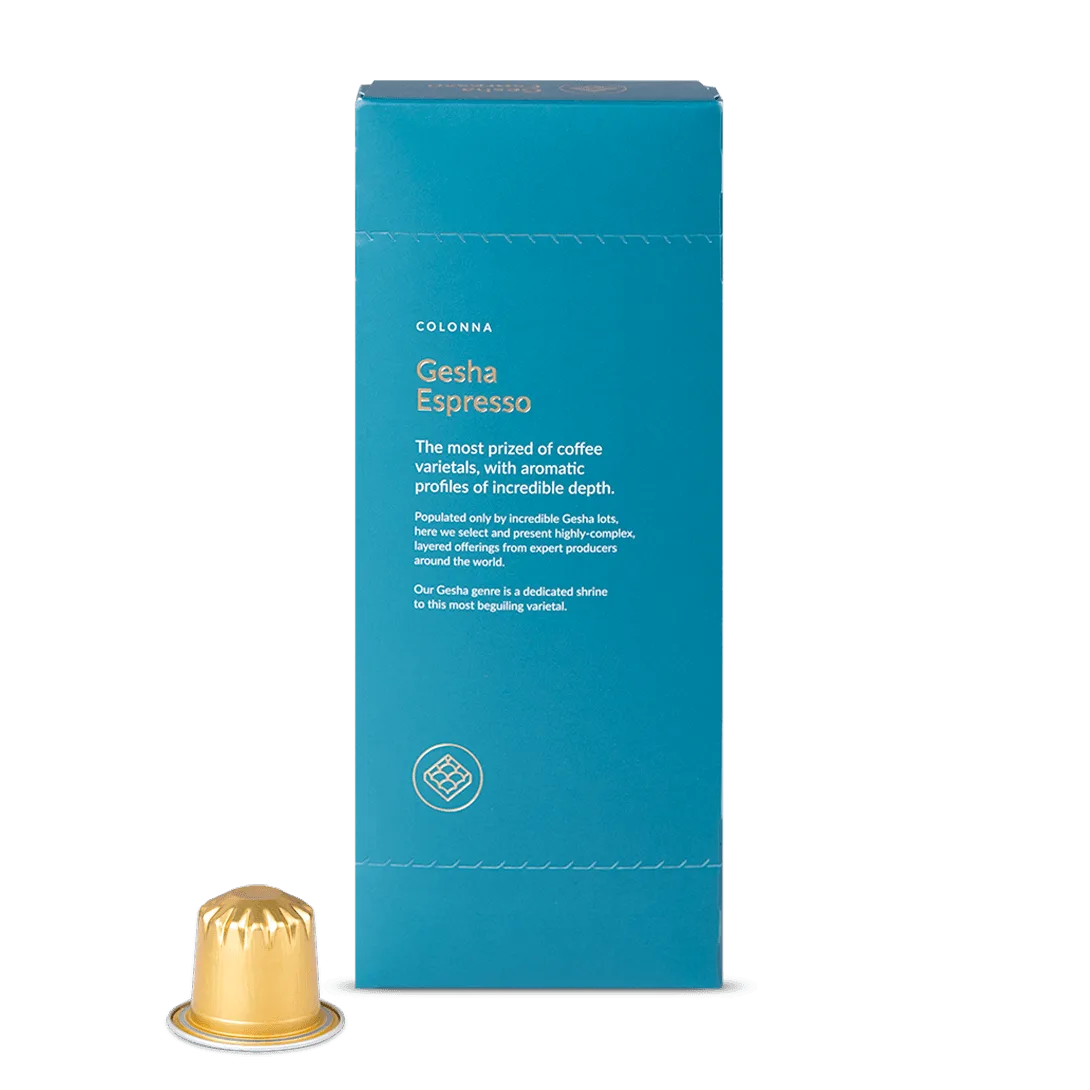
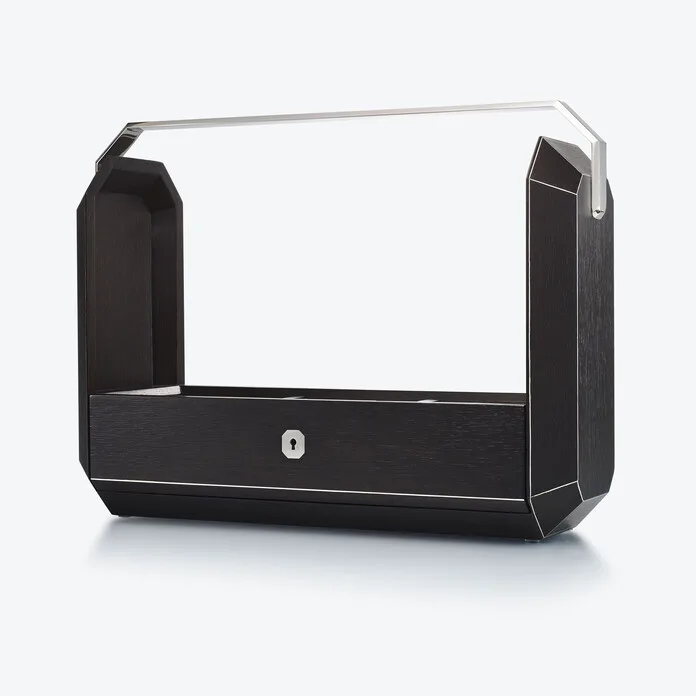
Many coffee enthusiasts start with 100% Arabica beans to explore the spectrum of flavors. Brands like Colonna offer single-origin Arabica options that highlight unique terroir. If you are curious about Robusta, try a capsule blend that balances both species for a robust morning kick. Tools like the Felicita ARC Espresso Scale can help you dial in the perfect extraction for any bean type.

Felicita ARC Espresso Scale
- For light to medium roasts with fruity notes, choose Arabica
- For dark roasts with heavy body and crema, consider Robusta blends
- Experiment with single-origin Arabica from different regions
- Use a precision scale to ensure consistent extraction
Brewing Tips for Each Bean Type
Brewing Arabica requires care to avoid over-extraction, as its delicate flavors can become bitter if ground too fine or brewed too hot. Use a medium grind for pour-over and a water temperature around 195–205°F (90–96°C). For Robusta, a finer grind and higher temperature can help tame its bitterness and highlight its chocolatey notes.
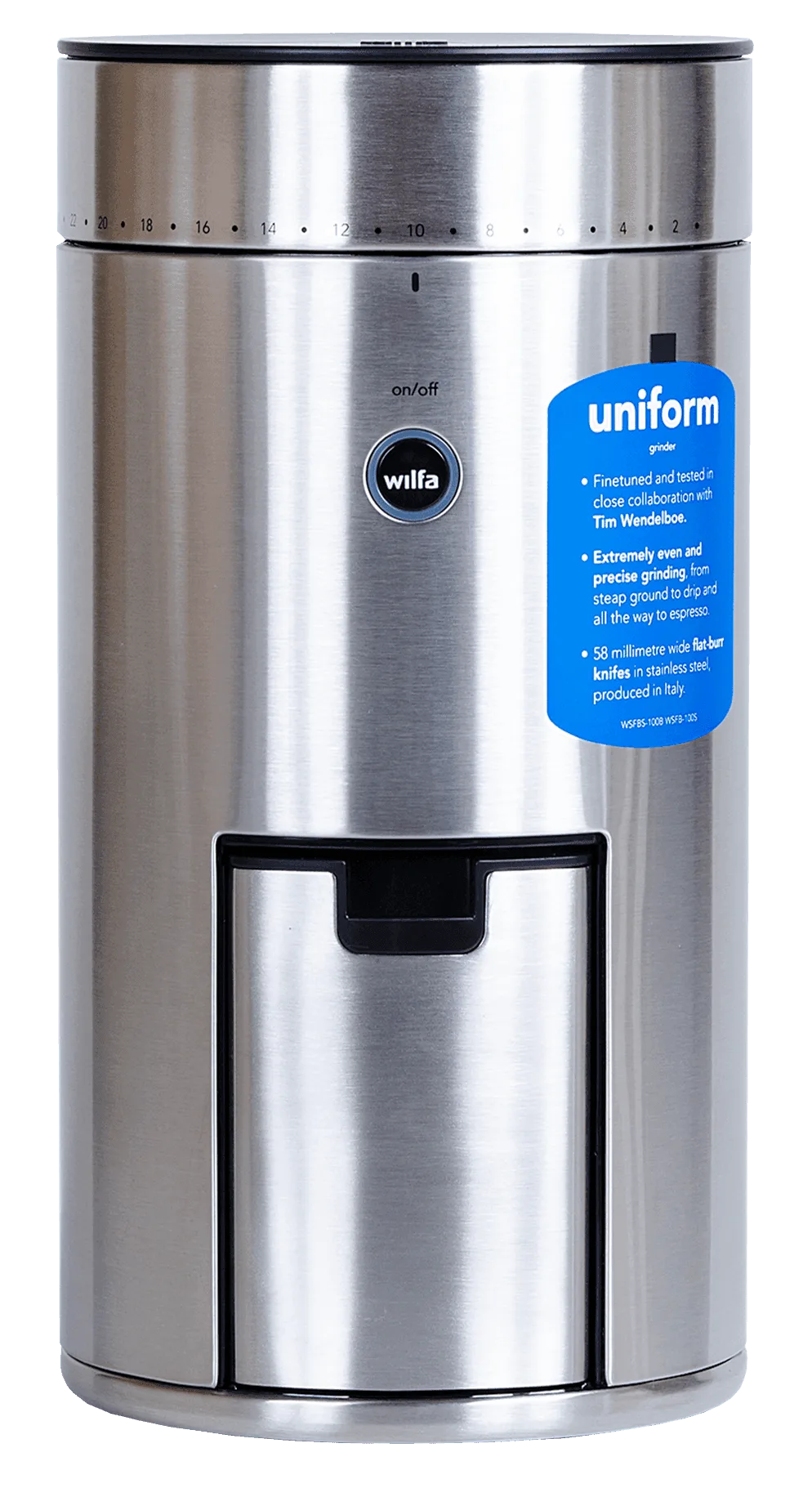
Investing in quality equipment can elevate your coffee experience. A precise kettle like the Hario V60 Drip Kettle Buono gives you control over pour speed and temperature, while a good grinder ensures uniform particle size. For espresso lovers, pairing a Robusta blend with a scale like the Felicita ARC Espresso Scale helps you achieve consistent shots every time.
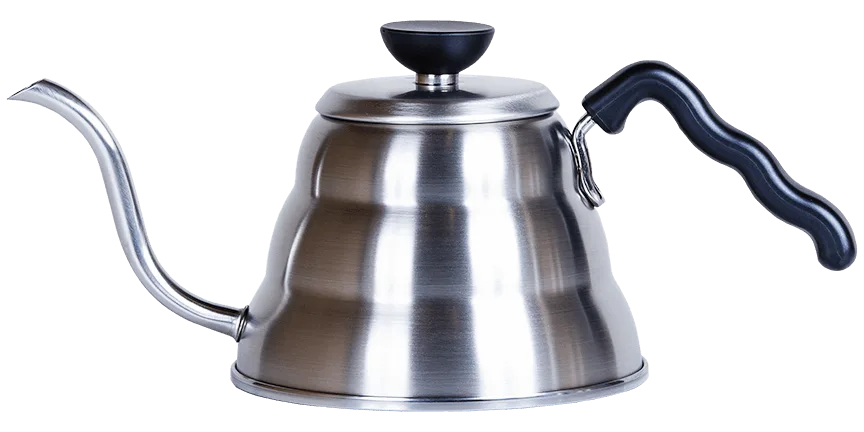
Hario V60 Drip Kettle Buono
- Arabica: Use medium grind, 195–205°F water, 2–3 minute brew time
- Robusta: Use fine grind, 200–208°F water, 25–30 second espresso extraction
- Always use fresh, filtered water for best flavor
Whether you prefer the bright acidity of Arabica or the bold intensity of Robusta, understanding these two species allows you to choose coffee that matches your taste. Explore our selection of premium Arabica beans and brewing tools to elevate your daily cup. Check out the Felicita ARC Espresso Scale for precise brewing at home.