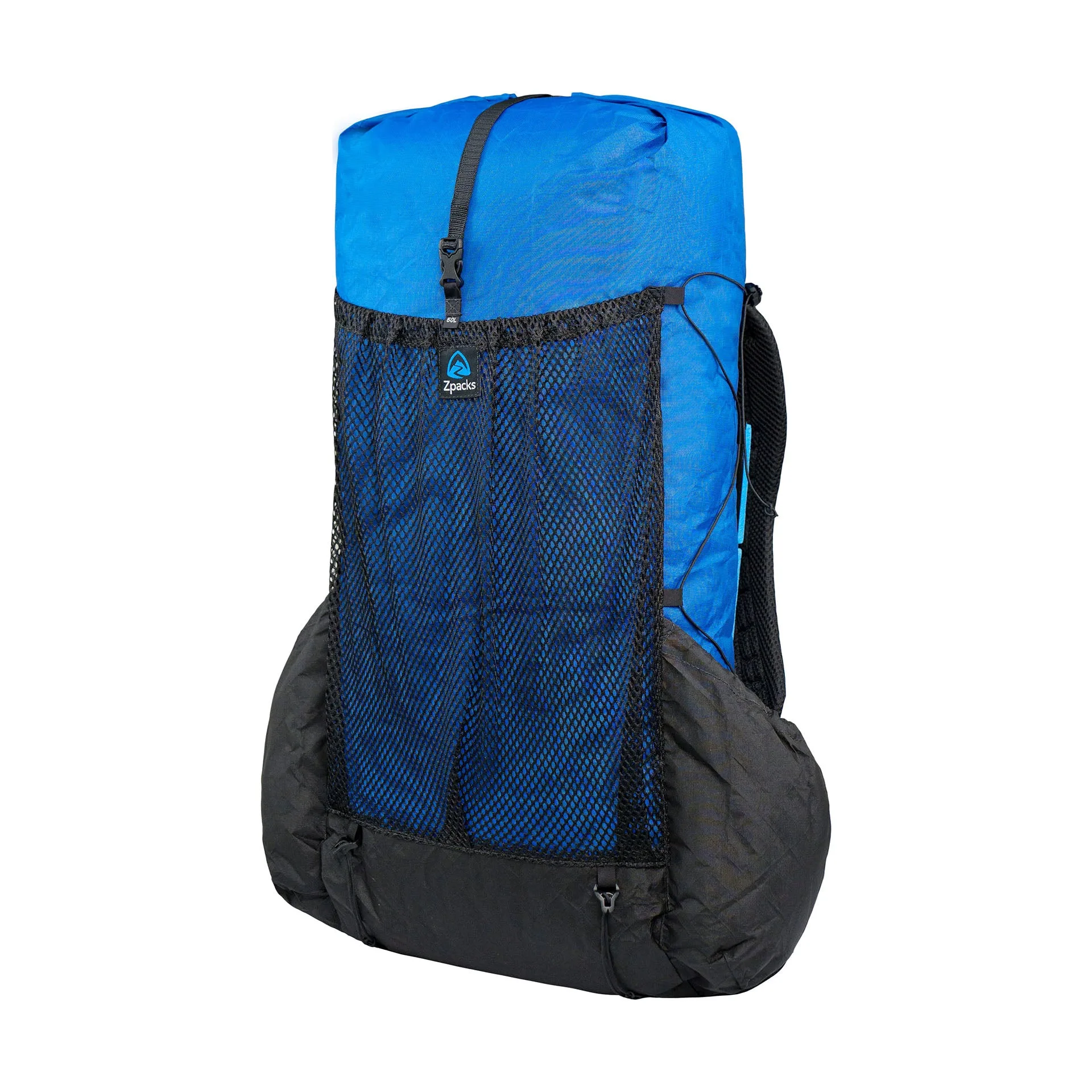
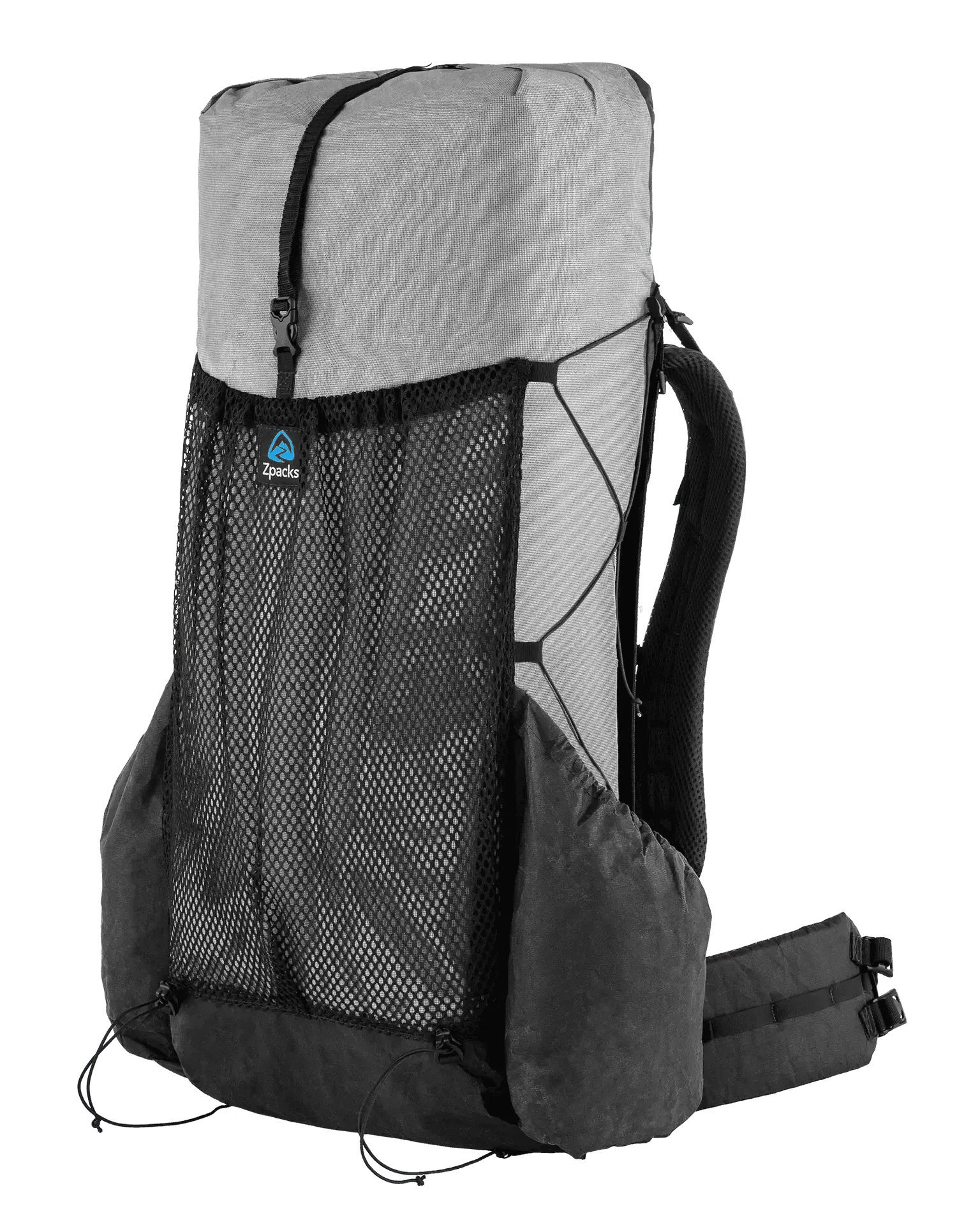
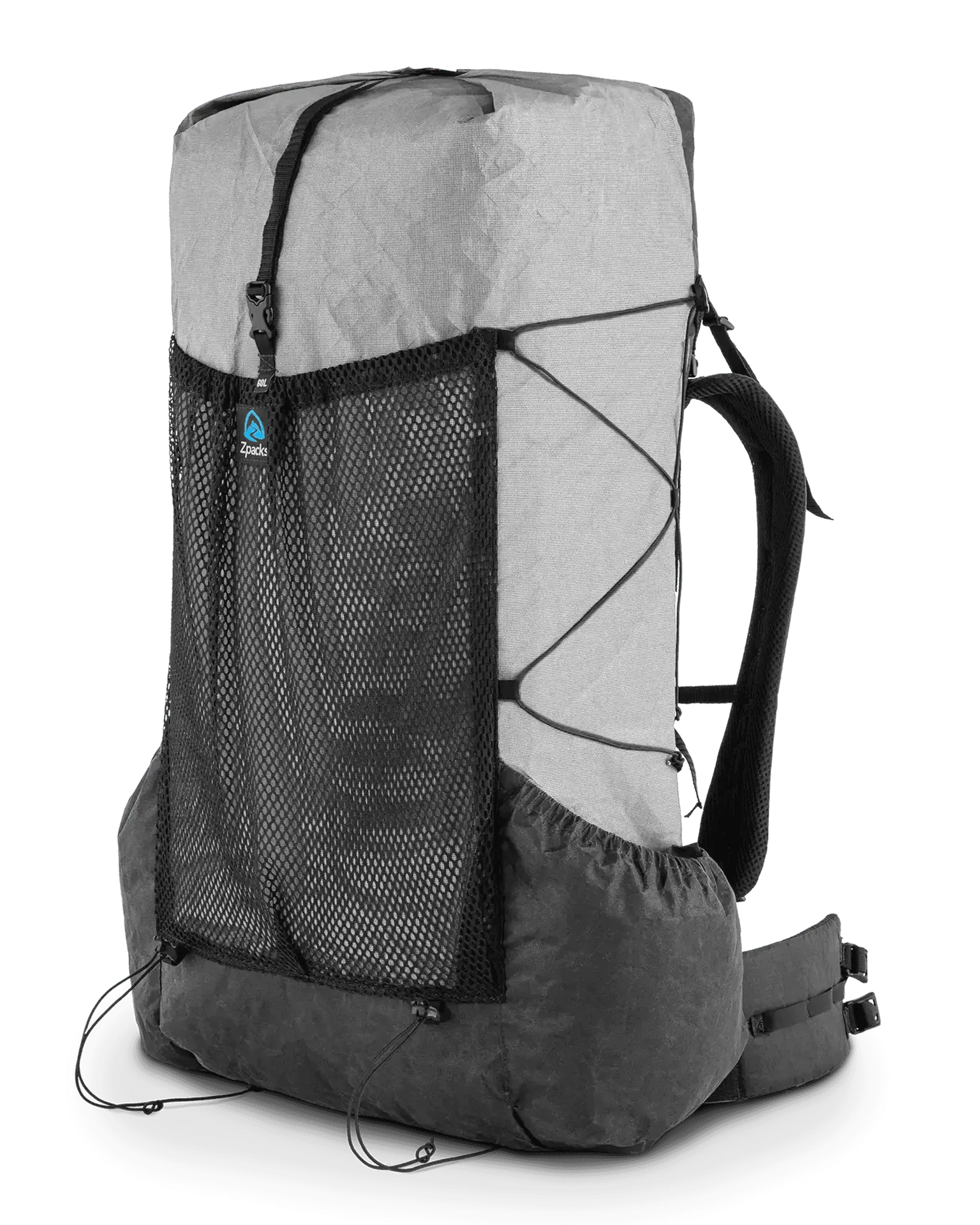
The 40L and 70L bodies are the same pack, different volumes
The Arc Haul Ultra 40L and 70L backpack bodies share the same design and materials—the main difference is internal volume. Both are sold as body-only, so you'll need to add a belt and straps separately to make a complete pack. That means your decision isn't just about liters; it's about how much you carry and whether you already own compatible components.
If you're replacing a worn body or building a pack from parts, the 40L suits fast, light trips where every item earns its place. The 70L gives you more room for bulky gear, longer food carries, or colder-weather layers. Neither body includes a belt or straps, so factor that into your total cost and fit.
What you get (and don't get) with each body
-
Arc Haul Ultra 70L Backpack Body: Arc Haul Ultra 70L Backpack BODY ONLY. Belt and straps sold separately. The 70L body gives you maximum volume, but you must supply your own belt and straps—or buy the complete pack—to carry it.
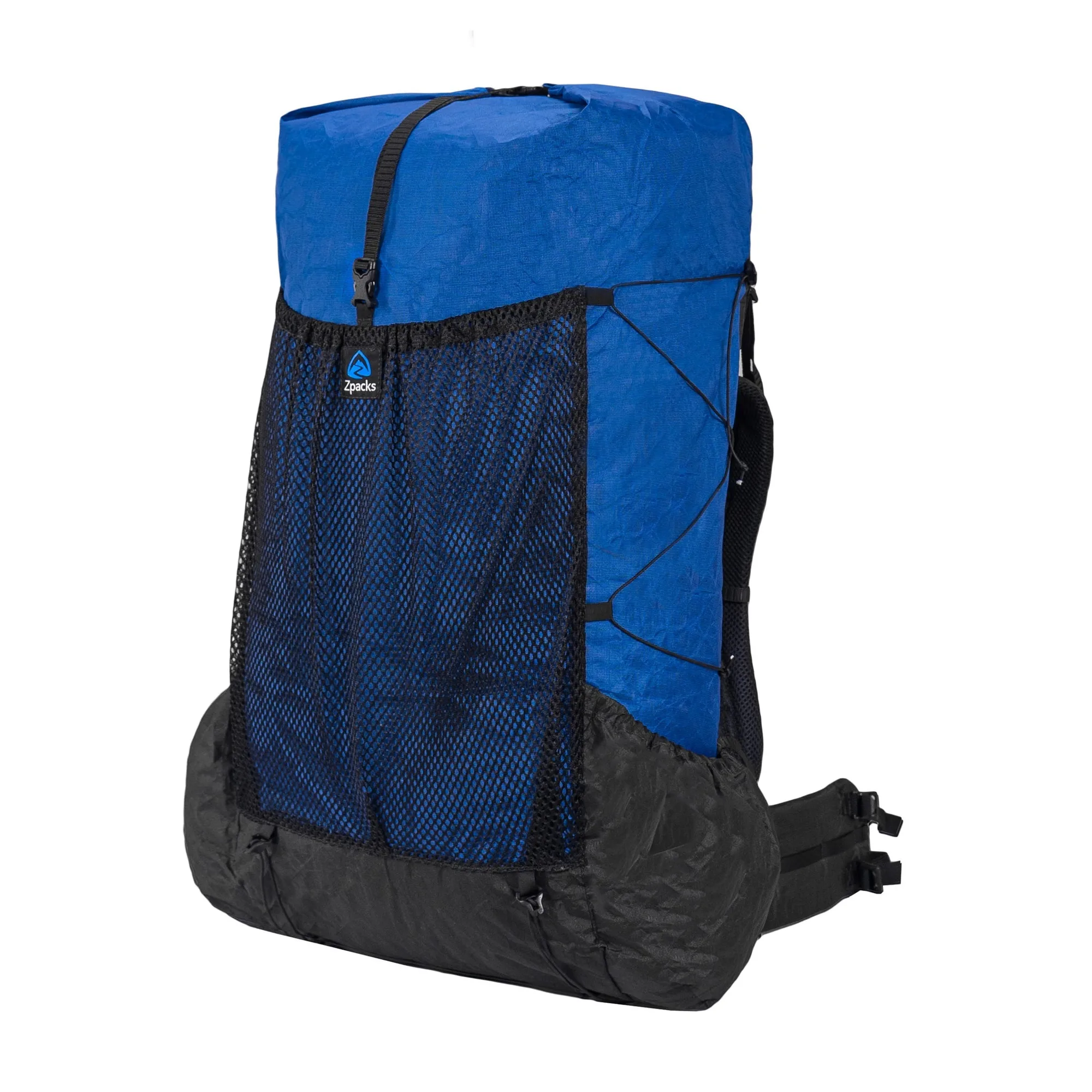
Arc Haul Ultra 70L Backpack Body
-
Arc Haul Ultra 40L Backpack Body: Arc Haul Ultra 40L Backpack BODY ONLY. Belt and straps sold separately. The 40L body is lighter and leaner, but the same caveat applies: it's not a complete pack until you add a belt and straps.
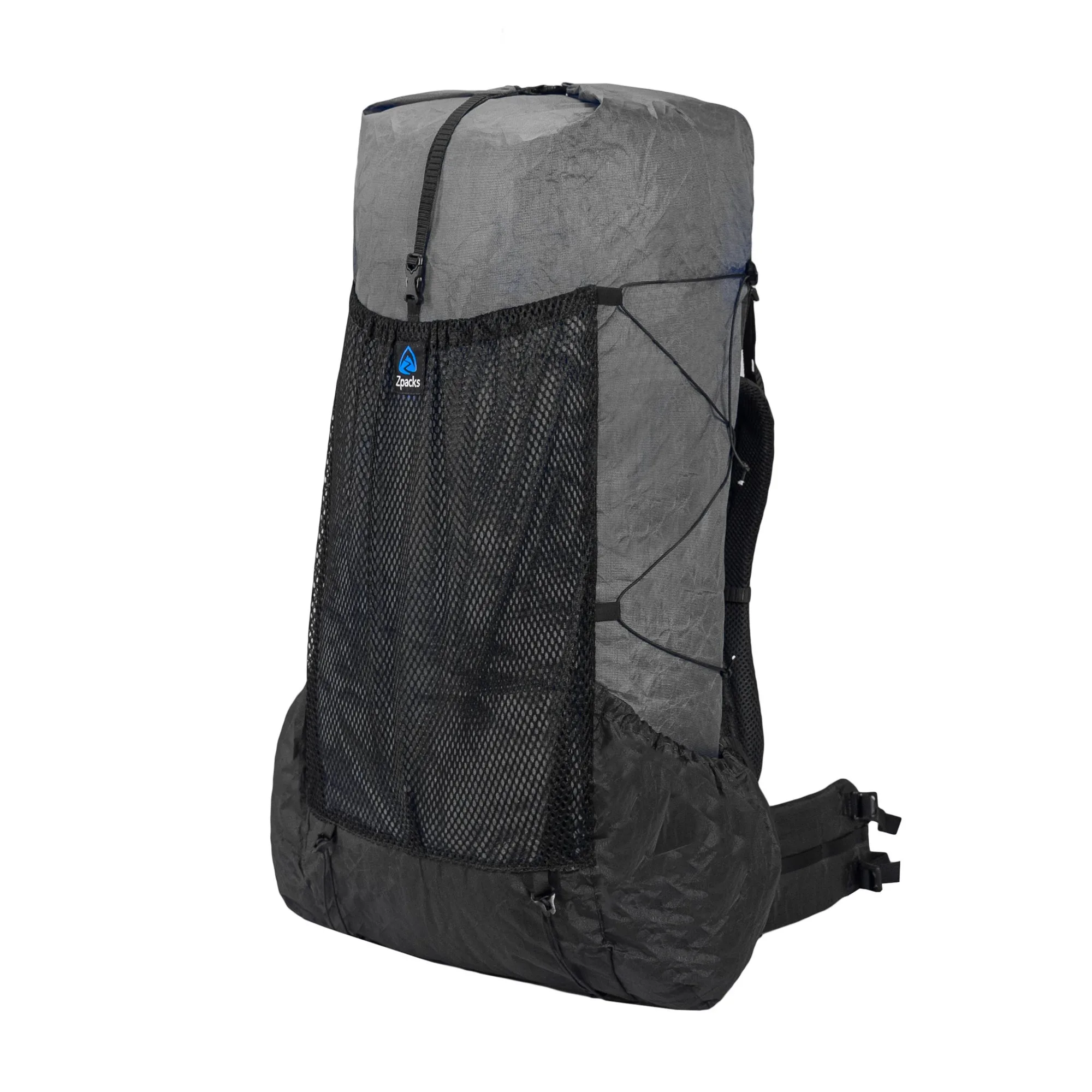
Arc Haul Ultra 40L Backpack Body
How to choose between 40L and 70L
Start with your typical trip length and gear bulk. The 40L is a good match for overnighters, fastpacking, or ultralight thru-hikes where you've dialed in a compact kit. The 70L makes more sense for week-long trips, winter camping, or any situation where you need to carry a bear canister, bulky sleep system, or extra food.
Consider your torso size, too. Both bodies come in short (16–19 inches), medium (19–23 inches), and tall (23–26 inches) torso ranges. Pick the size that matches your measured torso length—not your height. A poor torso fit will make even a 40L feel unstable, while a well-fitted 70L can carry heavy loads comfortably.
40L vs 70L at a glance
- Volume: 40L is ideal for minimalist overnight or fast trips; 70L gives extra room for long food carries and bulky gear.
- What's included: Both are body-only; belt and straps are sold separately. Budget for those components or plan to use existing ones.
- Torso sizing: Both come in short (16–19 in), medium (19–23 in), and tall (23–26 in) torso ranges. Measure your torso to choose.
- Color options: Both bodies are available in Dusk Blue, Jet Black, Storm Gray, and Green (subject to stock).
The honest trade-off: body-only means extra cost and fit work
Buying a body-only pack can save money if you already own compatible Arc Haul belts and straps, or if you're replacing a damaged body. But if you're starting from scratch, you'll need to buy those parts separately—and ensure they fit your torso size and load. The catalog doesn't specify which belts or straps are compatible, so check the product pages or contact support before ordering.
Also note that the 70L body is larger and heavier than the 40L, even empty. If you don't need the volume, the 40L will be lighter and more compact on the trail. For thru-hiking, many ultralight hikers find 40–50L sufficient, but your gear volume and food strategy will dictate the final choice.
Torso size options for each body
- Arc Haul Ultra 70L Backpack Body: Available in Short Torso (16-19 inches), Medium Torso (19-23 inches), and Tall Torso (23-26 inches), in Dusk Blue, Jet Black, Storm Gray, and Green. The 70L comes in the same torso ranges as the 40L, so you can get a proper fit regardless of volume.
- Arc Haul Ultra 40L Backpack Body: Available in Short Torso (16-19 inches), Medium Torso (19-23 inches), and Tall Torso (23-26 inches), in Storm Gray, Jet Black, Dusk Blue, and Green. The 40L offers the same torso sizing and color choices, so you're not limited by volume when fitting your body.
What the catalog doesn't tell you
The supplied records don't list weights, load limits, or specific belt/strap compatibility for either body. If you need those details—especially for matching a belt you already own—check the full product pages or reach out to Zpacks directly. Don't assume a belt from another model will fit without confirmation.