Quick Answer
No, all pacifiers are not the same. They differ in shape, material, and design, which can affect your baby's oral development and acceptance. Look for pacifiers that support natural sucking motions and healthy oral development, like those with a breast-like shape.
When you're a new parent, the pacifier aisle can feel overwhelming. With so many shapes, sizes, and materials, it's easy to believe that any pacifier will do. But the truth is, pacifiers vary significantly in design and safety features, and understanding these differences can help you make an informed choice for your baby.
In this article, we'll debunk common pacifier myths and present facts grounded in product design considerations. We'll focus on what actually matters—like oral development, natural sucking motion, and safety—so you can choose with confidence.
Myth 1: All Pacifiers Have the Same Shape
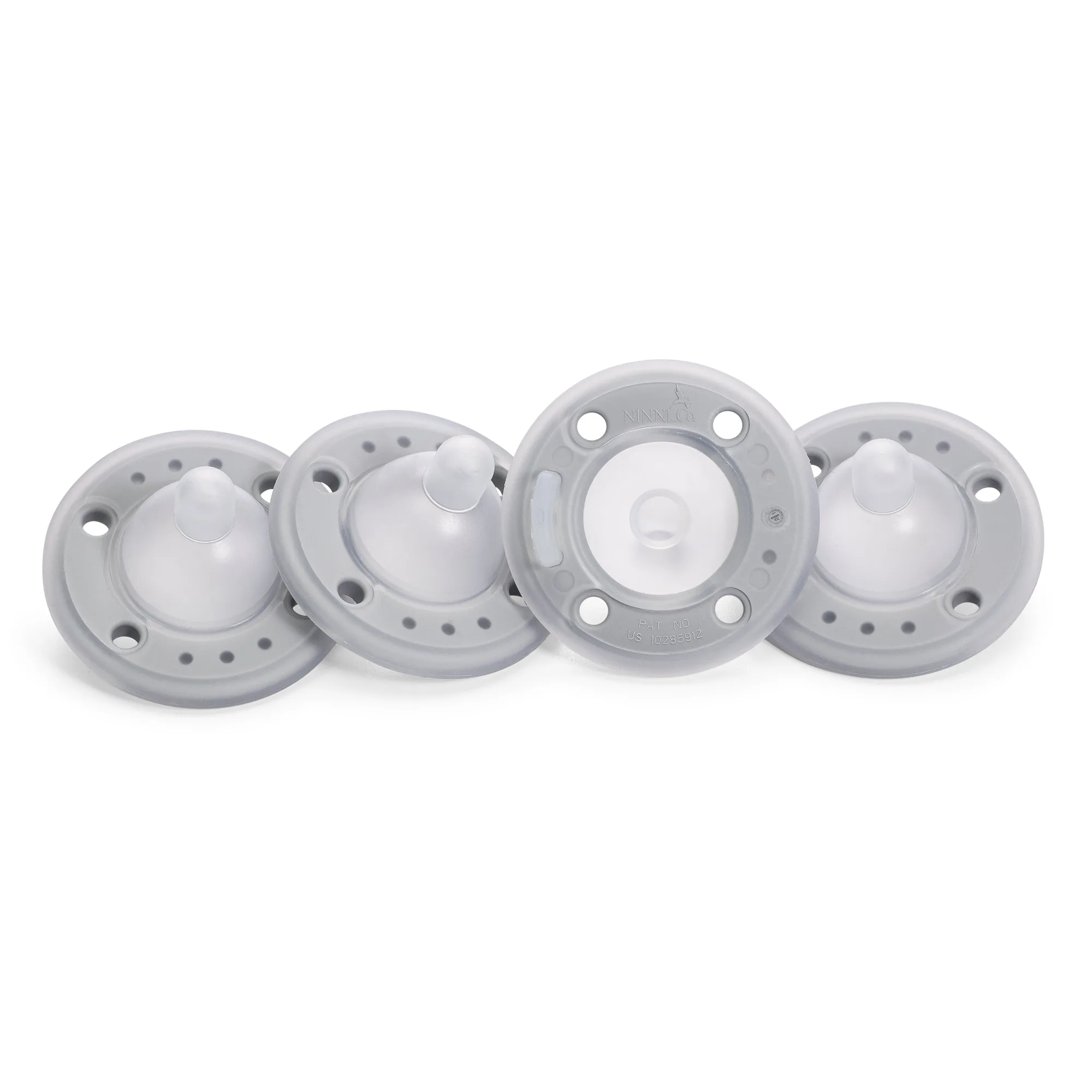
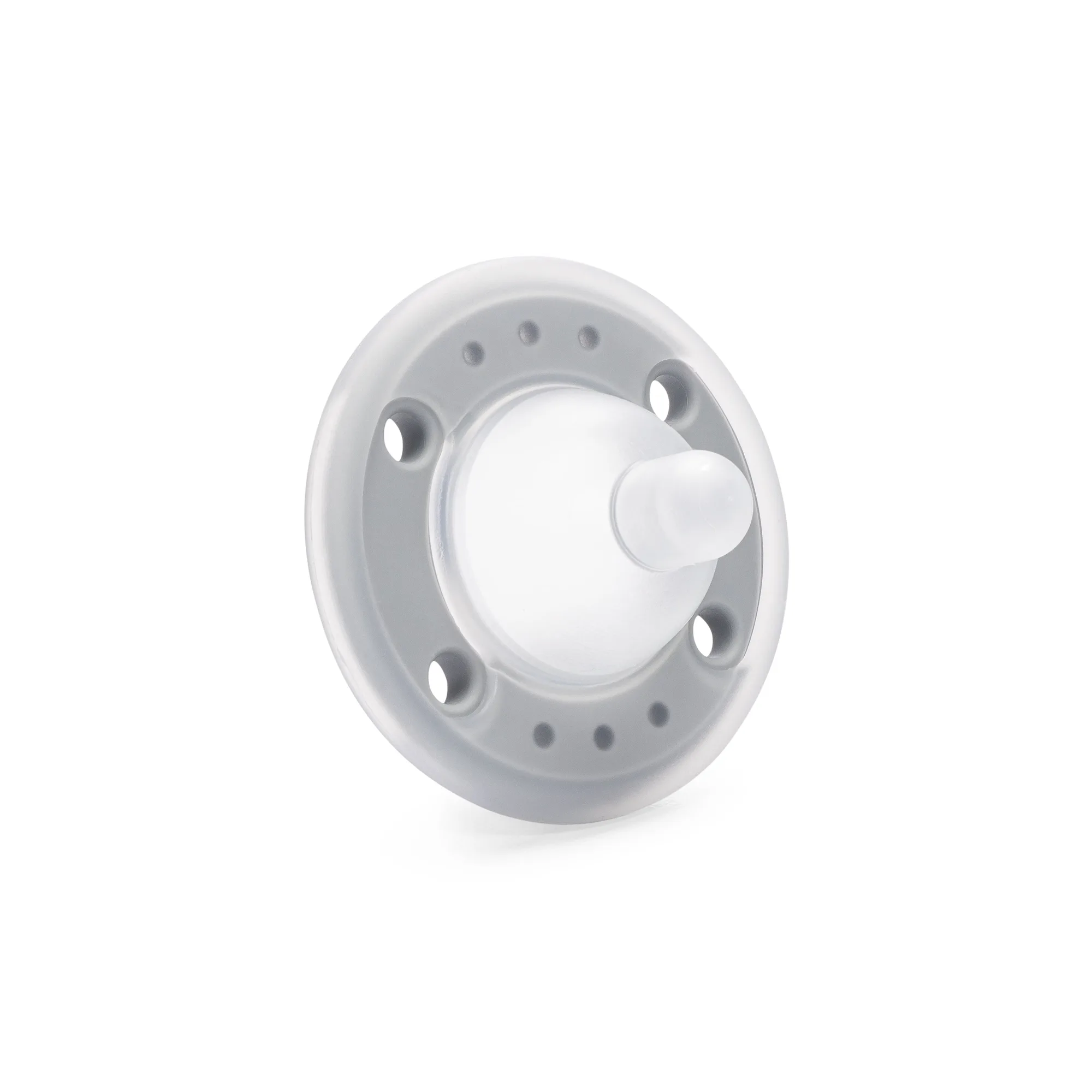
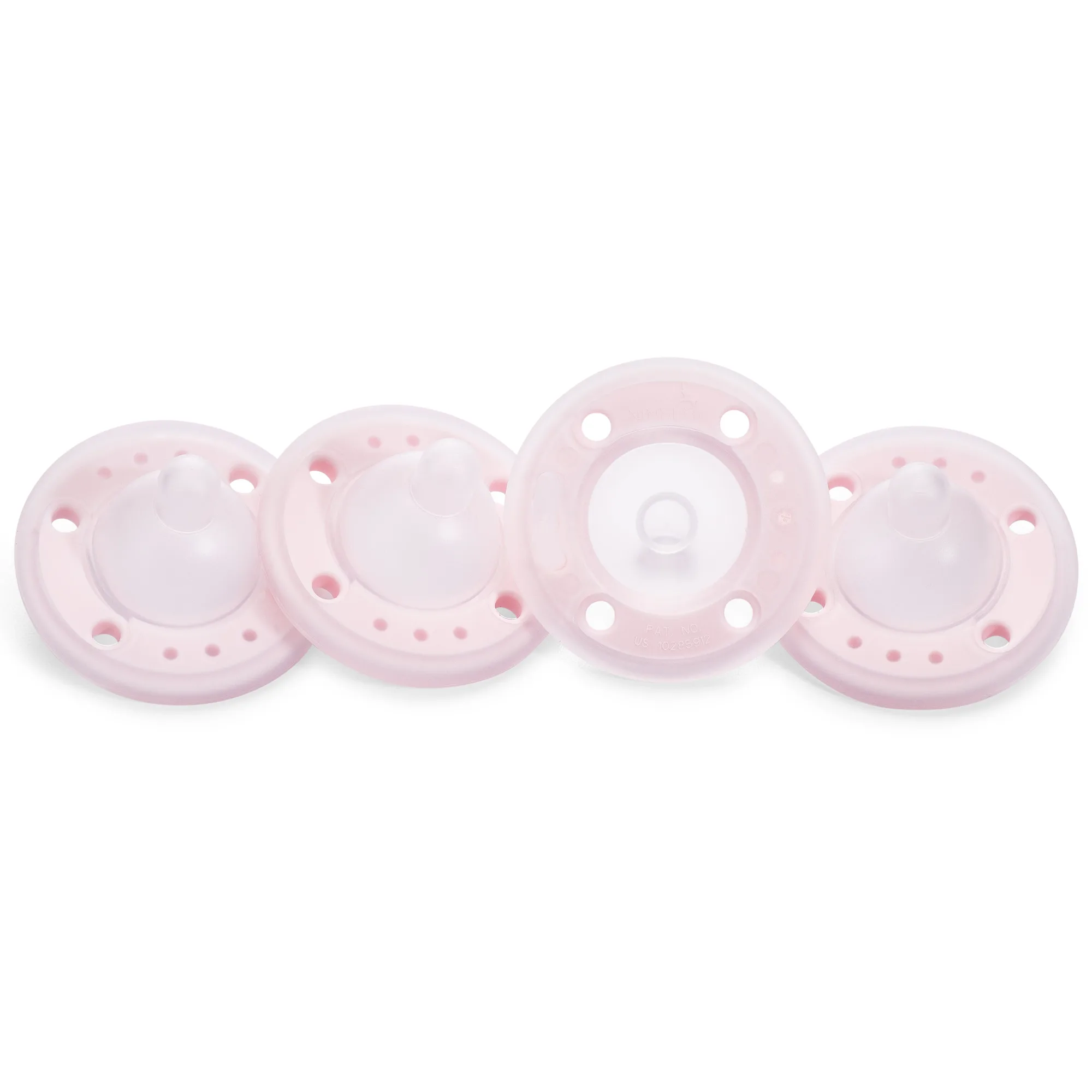
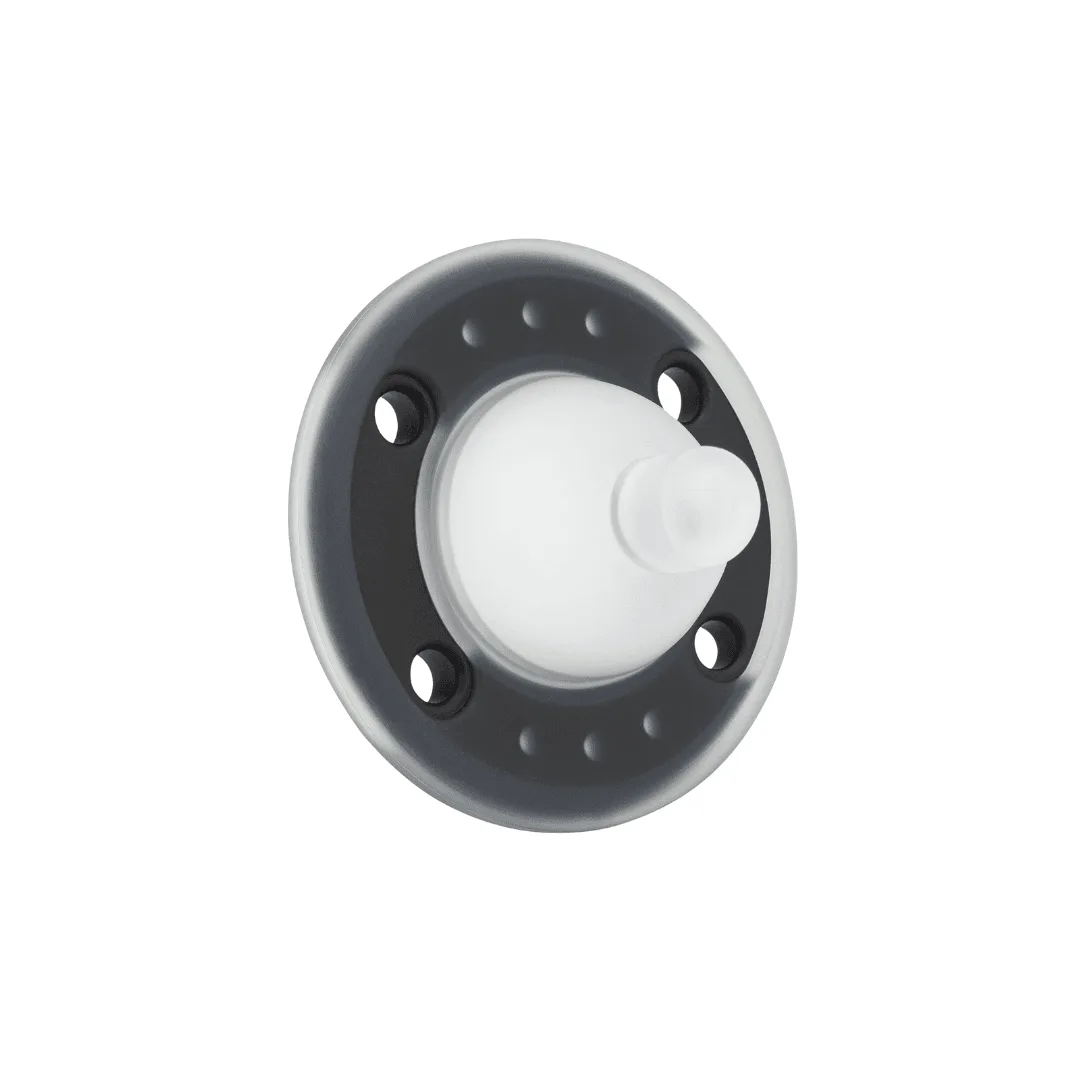
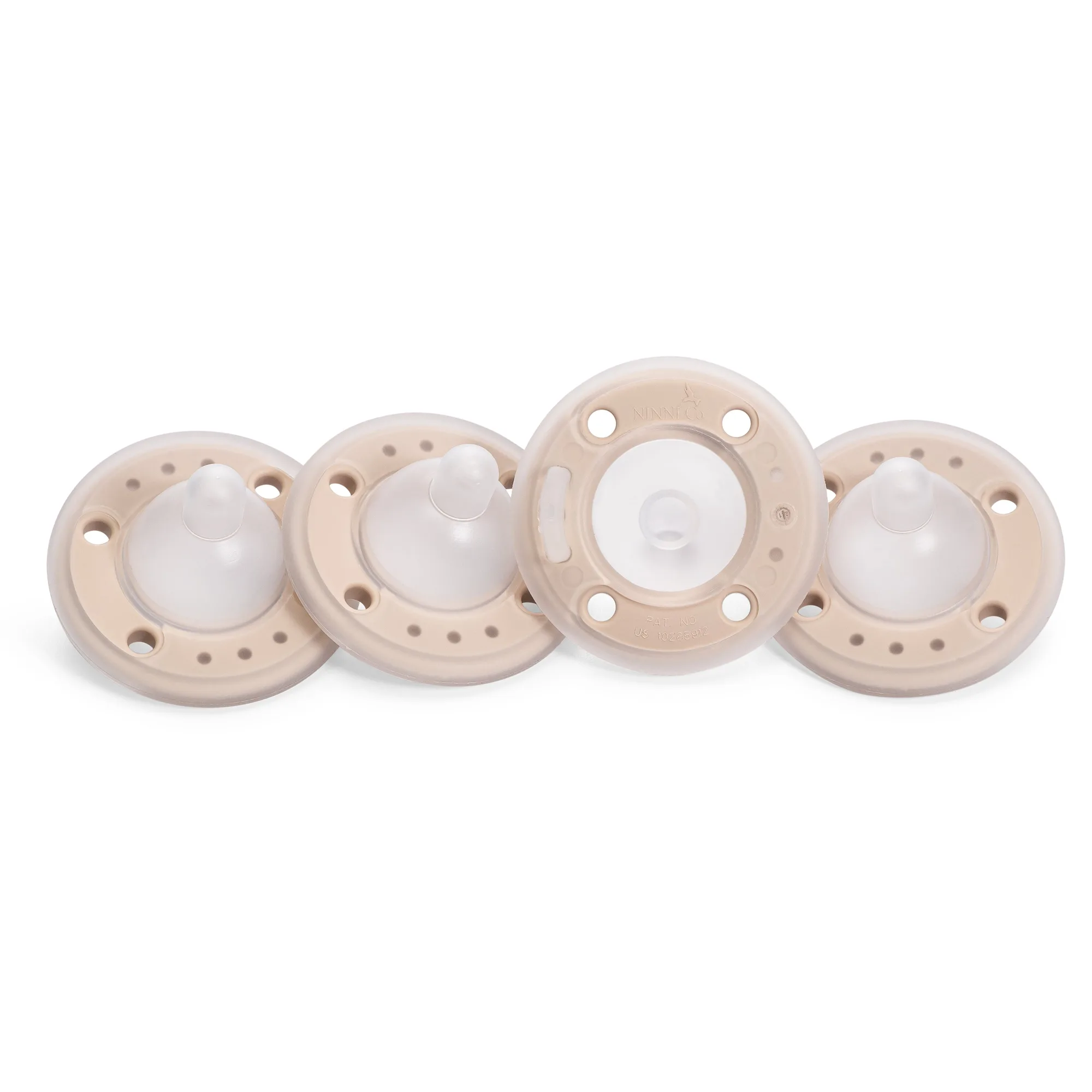
Many parents assume that pacifiers are essentially identical, but the shape of the nipple can vary greatly. Traditional pacifiers often have a round, symmetrical bulb, while orthodontic pacifiers are designed to support natural oral development. Some pacifiers, like those from Ninni Co., are shaped to mimic the breast, encouraging a natural latch and sucking motion.
Why does shape matter? The shape can affect how your baby latches and sucks, which in turn impacts oral development. A pacifier that supports natural sucking motions may be easier for your baby to accept and may promote healthier dental habits.
- Look for pacifiers that are described as 'breast-like' or 'orthodontic' if you're concerned about natural sucking motion.
- Consider your baby's age and developmental stage when choosing a shape.
Myth 2: Pacifier Material Is Just About Taste
Pacifiers are typically made from silicone, latex, or rubber, and the material affects durability, flexibility, and safety. Silicone is often preferred because it's durable, odorless, and easy to clean. However, not all silicone is the same—some may be softer or firmer, which can influence your baby's comfort.
When evaluating material, consider how it feels in your baby's mouth and how it holds up to cleaning. A pacifier that is designed with safety in mind will use materials that are free from harmful substances and withstand repeated sterilization.
- Check the material for any known allergies your baby might have.
- Follow manufacturer guidelines for cleaning and replacement.
Myth 3: Pacifiers Are All the Same for Dental Health
Dental health is a major concern for parents, and pacifiers can influence it. Some pacifiers are specifically shaped to support healthy oral development, while others may not offer the same benefits. For example, Ninni Co. pacifiers are 'specially engineered to aid in healthy oral development,' placing them among top choices for parents who prioritize dental health.
It's important to note that no pacifier can replace good oral hygiene, but choosing one that supports natural oral development can be a positive step. Always consult your pediatrician or dentist if you have specific concerns about your baby's oral health.
- Look for pacifiers that mention dental health or oral development in their design.
- Replace pacifiers regularly and inspect for signs of wear.
Verdicts: Myth or Fact?
- All pacifiers have the same shape: Myth. Pacifier shapes vary widely, from traditional round to orthodontic and breast-like designs. The shape can affect how your baby latches and sucks. Choose a shape that supports natural sucking motion.
- Pacifier material is only about taste: Myth. Material affects durability, flexibility, and safety. Silicone is common, but quality varies. Look for safe, durable materials that are easy to clean.
- Pacifiers are all the same for dental health: Myth. Some pacifiers are specifically designed to support healthy oral development, while others are not. Select pacifiers with dental health considerations in mind.
Product Facts
- Ninni Pacifier Peach 1 Pack - Limited Availability: Top Design: Tailored to encourage healthy oral development in young children, ranking it as a top pacifier choice. Natural Sucking and Latching Aid: Supports the baby's natural sucking motions and easy latching. This pacifier is designed with oral development in mind, making it a suitable choice for parents who want to support their baby's natural sucking habits.
- Ninni Pacifier Oatmeal 4 Pack: Designed for Dental Health: Specially shaped to support healthy dental and oral development. The 4-pack ensures you always have a clean pacifier on hand, while the dental-friendly design gives you peace of mind about your baby's oral health.
Not all pacifiers are created equal. By understanding the myths and facts about pacifier design, material, and safety, you can choose a pacifier that supports your baby's natural sucking habits and oral development. Always prioritize quality and design that aligns with your baby's needs.