Quick Answer
Expensive kids' furniture can be worth the investment when it offers superior durability, safety, and versatility that cheaper alternatives lack. However, not all high prices guarantee better value—you need to evaluate materials, construction, and long-term functionality. Our verdict: invest in pieces that grow with your child and withstand heavy use, but skip premium prices for items your child will outgrow quickly.
When you see a $300 kids' table next to a $100 one, it's natural to wonder if the price difference is justified. Many parents assume that expensive kids' furniture is just a status symbol, but the reality is more nuanced. In this article, we'll bust common myths about pricey kids' furniture and help you understand what actually drives value.
We'll look at real examples from Guidecraft, a brand known for premium kids' furniture and educational products, to see how materials, design, and versatility factor into the cost. By the end, you'll know exactly when to splurge and when to save.
Myth #1: Expensive Furniture Is Always Overpriced
It's easy to assume that a high price tag means you're paying for a brand name rather than quality. But in many cases, the extra cost reflects better materials and construction. For example, the Acadia Outdoor Square Table and Chairs is made from acacia wood, a naturally weather-resistant hardwood. This means it can withstand outdoor conditions without warping or rotting quickly, saving you money on replacements.
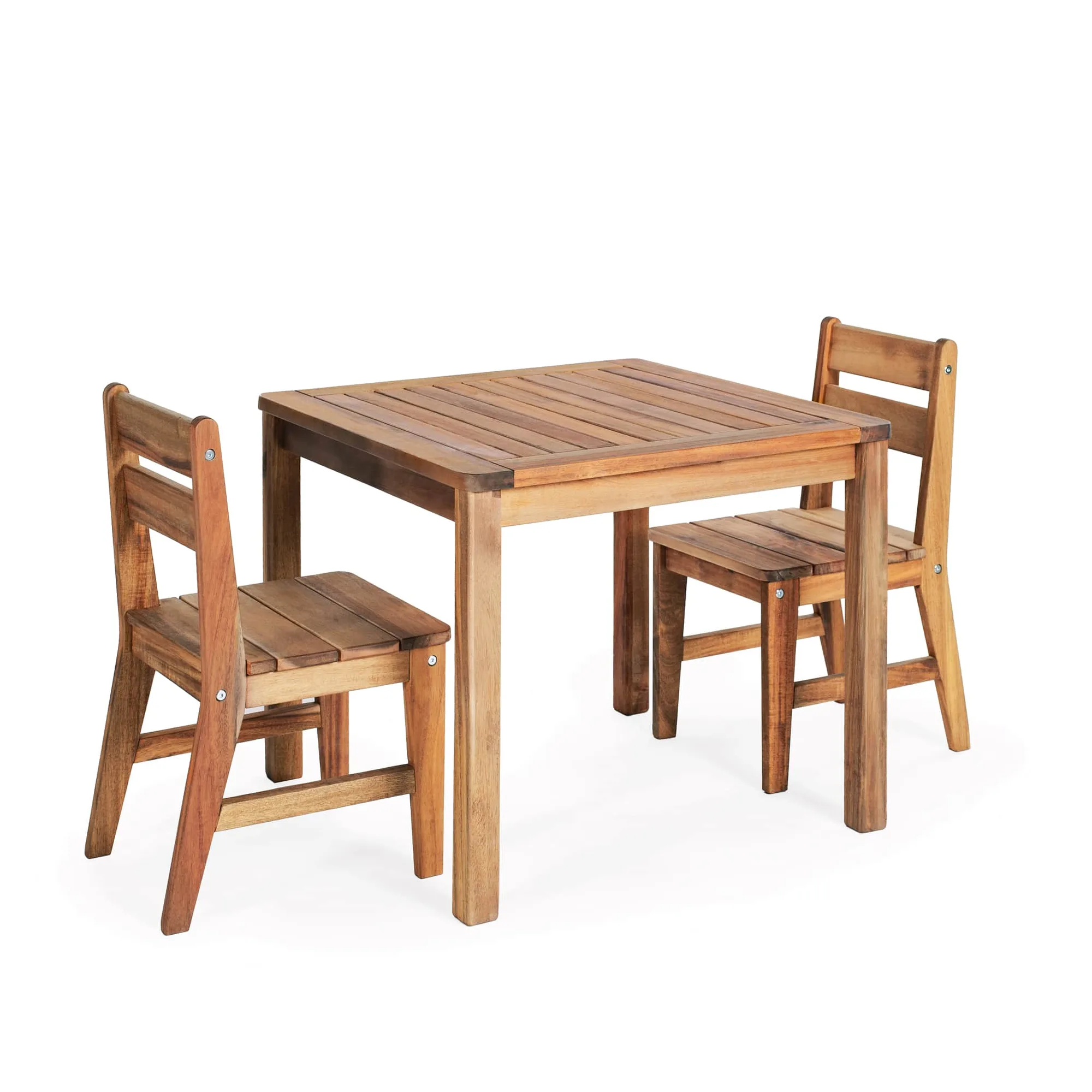
Acadia Outdoor Square Table and Chairs
Cheaper furniture often uses particleboard or softwoods that may not survive a few seasons outdoors. When you factor in the cost of replacing a cheap table every year, the premium piece can actually be more economical over time. So, the next time you see a higher price, ask yourself: what materials am I paying for?
- Check the material: solid wood like acacia is more durable than particleboard.
- Consider the environment: outdoor furniture needs weather-resistant materials.
- Think long-term: a pricier piece that lasts years beats a cheap one that needs replacing.
Myth #2: All Kids' Furniture Is the Same
Kids' furniture isn't one-size-fits-all. The EdQ Rotating Big Book Display, for example, is designed for young readers with big imaginations. Its rotating feature allows easy access to books, encouraging independent reading. This kind of thoughtful design isn't found in basic bookshelves, and it adds real functional value.
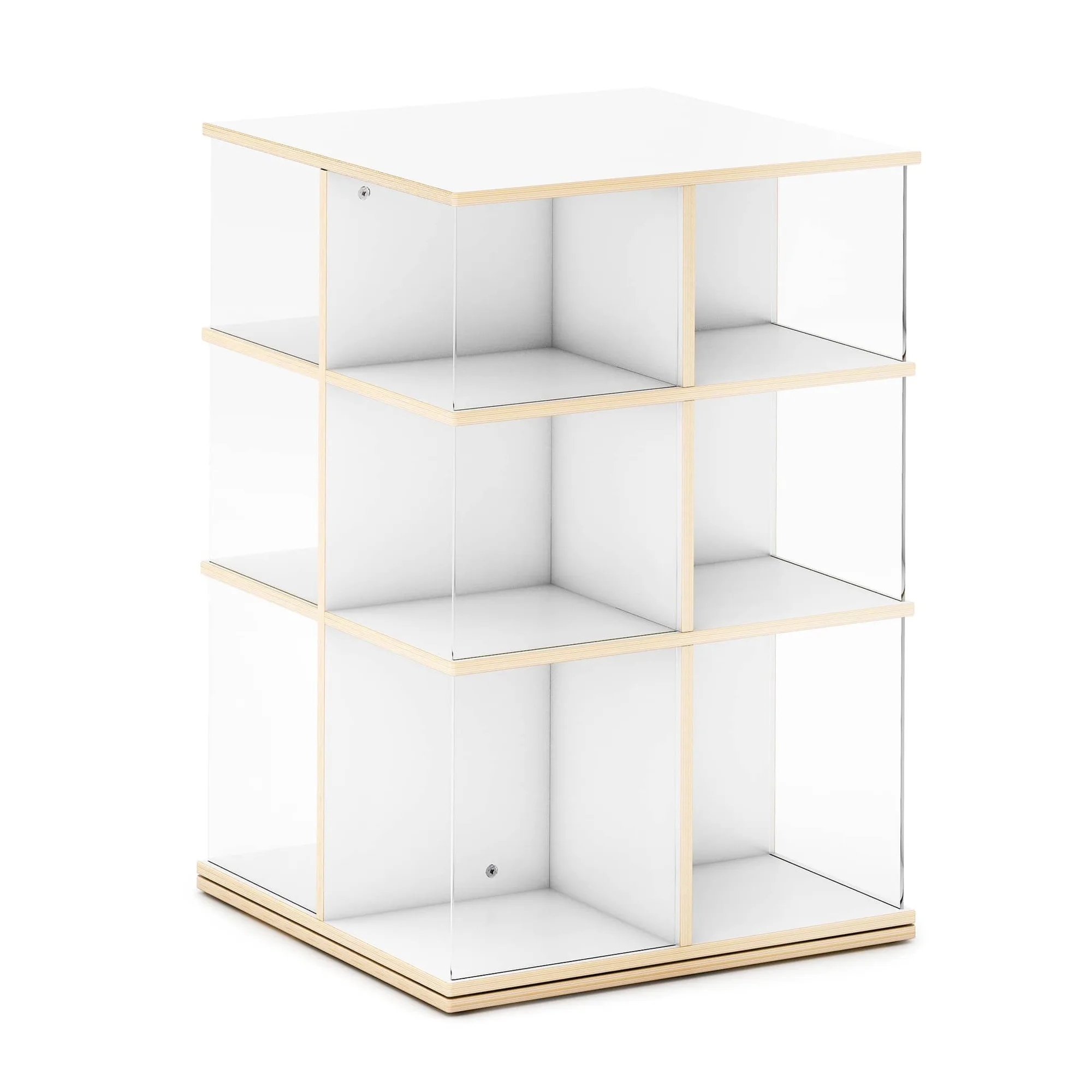
EdQ Rotating Big Book Display
Similarly, the EdQ Curated Storage 2x2 Unit reimagines shelving as an interactive learning environment, with open cubbies that let children curate and explore materials at different levels. These features support developmental goals, which is something generic furniture may not offer. When comparing prices, consider what the design does for your child's growth.
- Look for design features that promote learning, like rotating displays or open cubbies.
- Consider how the furniture will be used: storage, reading, or play.
- Evaluate whether the design adds convenience for you and independence for your child.
Myth #3: You Should Always Buy the Cheapest Option
While saving money is important, buying the cheapest furniture can lead to more spending later. A flimsy table might wobble, a bookshelf might sag, and a diaper storage unit might not hold up to daily use. The EdQ Diaper Storage, for instance, offers eight open cubbies and three divided shelves, plus three fabric bins. This organization reduces clutter and makes changing time easier, which is worth the investment for busy parents.
Cheap storage solutions might not have the same capacity or durability, leading to frustration and eventual replacement. Investing in quality furniture that meets your needs can save you time, money, and stress in the long run.
- Assess your needs: how much storage do you really need?
- Check for features like bins, shelves, and dividers that add functionality.
- Remember that a slightly higher upfront cost can prevent future purchases.
Our Verdicts on Common Claims
- Claim: Expensive furniture is always overpriced: False. Higher prices often reflect better materials like solid wood and thoughtful designs that support child development. Look for quality materials and features that justify the cost.
- Claim: All kids' furniture is the same: False. Premium pieces often include unique features like rotating displays or interactive storage that enhance learning and usability. Evaluate design and functionality, not just price.
- Claim: The cheapest option is always the best value: False. Cheap furniture may lack durability and functionality, leading to quicker replacement and more spending. Consider long-term costs and benefits before choosing the lowest price.
Real Product Examples
- Acadia Outdoor Square Table and Chairs: Crafted from durable, naturally weather-resistant acacia wood, this sturdy set brings lasting function and natural charm to patios, gardens, or nature-inspired classrooms. This material choice means the set can handle outdoor elements, reducing the need for replacement and making the higher price a smart long-term investment.
- EdQ Rotating Big Book Display: Designed for young readers with big imaginations, the EdQ Rotating Big Book Display is the perfect solution for showcasing books and encouraging independent exploration. The rotating design adds a unique functionality that standard bookshelves lack, making it a valuable addition to a classroom or playroom that supports literacy.
- EdQ Curated Storage 2x2 Unit: The EdQ Curated Storage reimagines shelving as an interactive learning environment, giving children the freedom to curate, explore and interact with materials at different levels and in different ways as they grow. This storage unit isn't just for tidiness—it actively supports child development by encouraging independent choice and sensory exploration, justifying its premium price.
- EdQ Diaper Storage: Keep changing essentials neatly organized and easily accessible with the EdQ Diaper Storage. It features eight open cubbies sized for diapers and three divided shelves for wipes, creams, or other supplies. The thoughtful organization and included fabric bins save time and reduce stress for parents, making this a practical investment that pays off daily.
Expensive kids' furniture can be worth the investment when it offers durable materials, thoughtful design, and features that support your child's growth. Before you buy, assess your needs, consider the long-term value, and don't automatically dismiss higher prices. With the right choices, you'll create a space that serves your family well for years to come.