Quick answer
Expensive teas are often worth it—but only when the higher price reflects real differences in ingredients, sourcing, and processing. With Mayde Tea's organic loose leaf blends, the price gap is tied to certified organic botanicals and thoughtful blends, so you're paying for quality you can taste and feel.
Walk down any tea aisle and you'll see a wide range of prices: budget bags for a few dollars, premium loose leaf tins for much more. It's natural to wonder if the expensive tea is actually better, or if you're just paying for fancy packaging.
We took a closer look at what separates cheap from expensive tea, using Mayde Tea's organic loose leaf blends as a practical example. The answer isn't a simple yes or no—it depends on what you value in your cup.
What You're Really Paying For
When you buy loose leaf tea at a higher price, you're typically paying for three things: ingredient quality, sourcing practices, and the blend itself. Mayde Tea's blends, for example, are certified organic, which means the herbs and teas are grown without synthetic pesticides or fertilizers. That costs more upfront but can affect both flavor and your health.
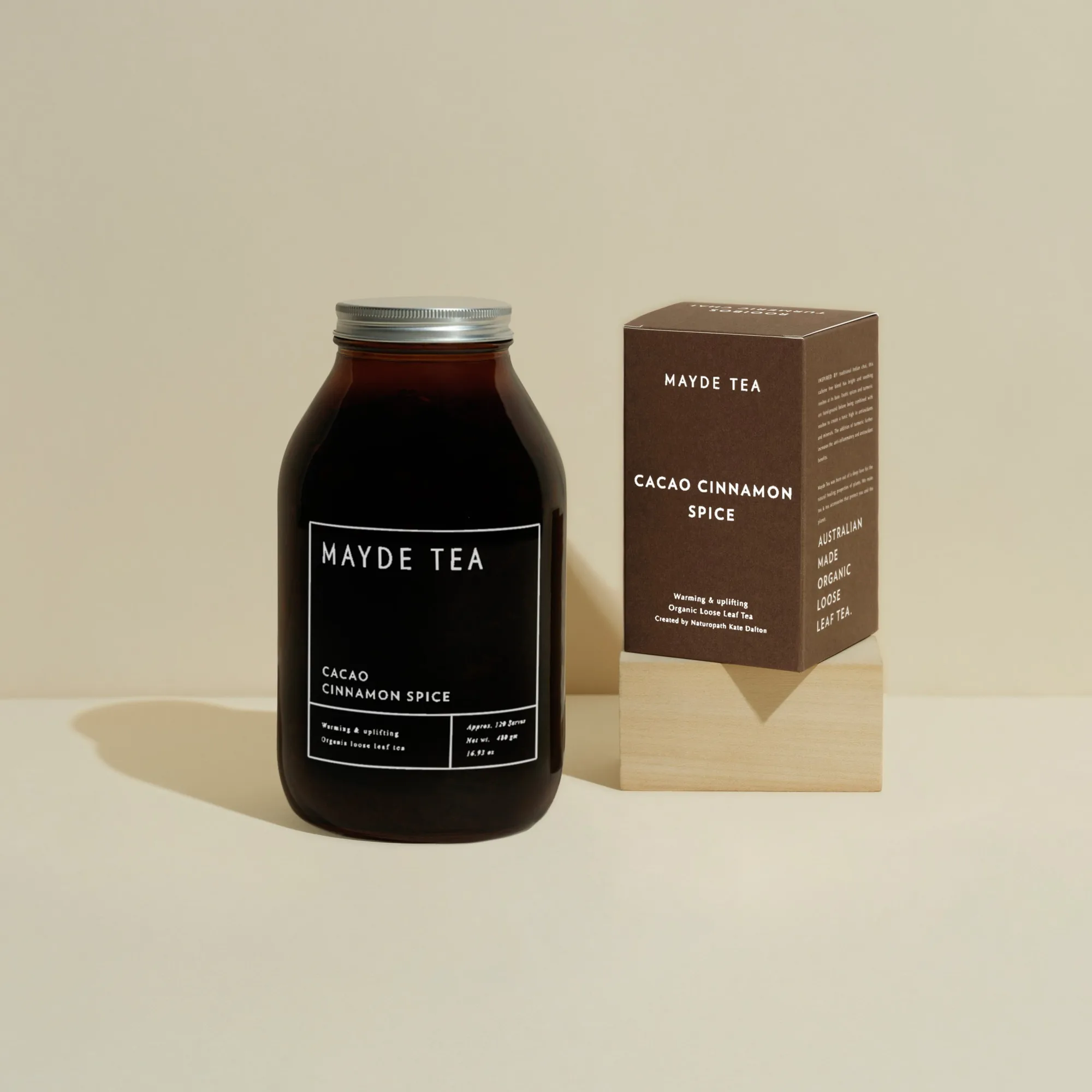
You're also paying for the expertise that goes into blending. A tea like Cacao Cinnamon Spice isn't just a single leaf—it's a combination of honeybush, cacao nibs, and spices designed to support digestion and circulation. That kind of thoughtful formulation takes time and skill, and it shows in the final cup.
- Check the ingredient list: organic certifications and whole botanicals usually signal higher quality.
- Consider what you're drinking: a simple single-origin tea may be cheaper than a complex blend, but both can be excellent.
When Cheap Tea Can Be a Smart Buy
There are times when a lower price makes sense. If you're new to loose leaf tea, starting with a sampler or a more affordable blend lets you explore without a big commitment. Mayde Tea's Herbal Tea Discovery Set includes one-serve samples of ten herbal blends, so you can taste a range and find your favorites before investing in full-size pouches.
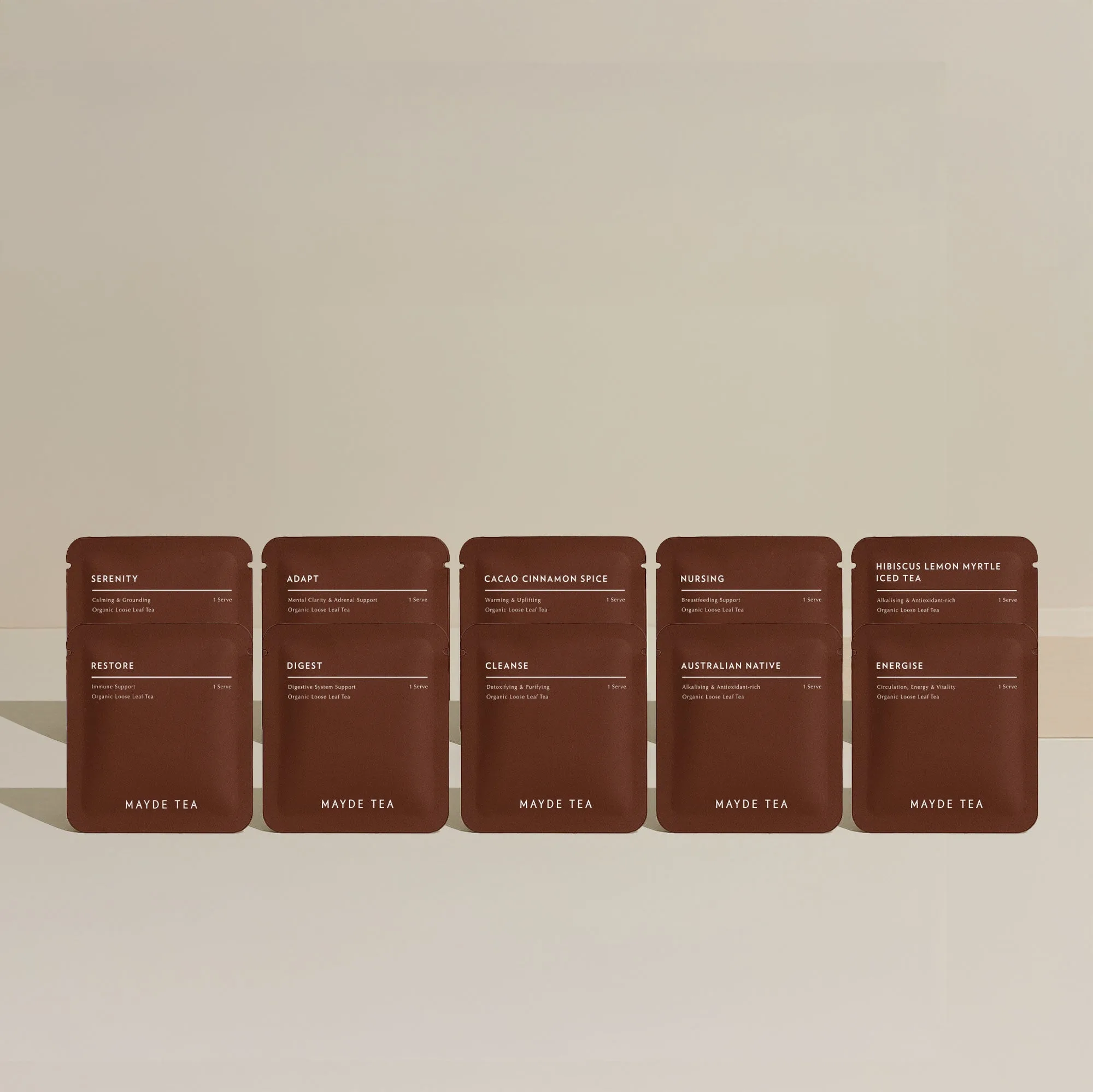
Herbal Tea Discovery Set
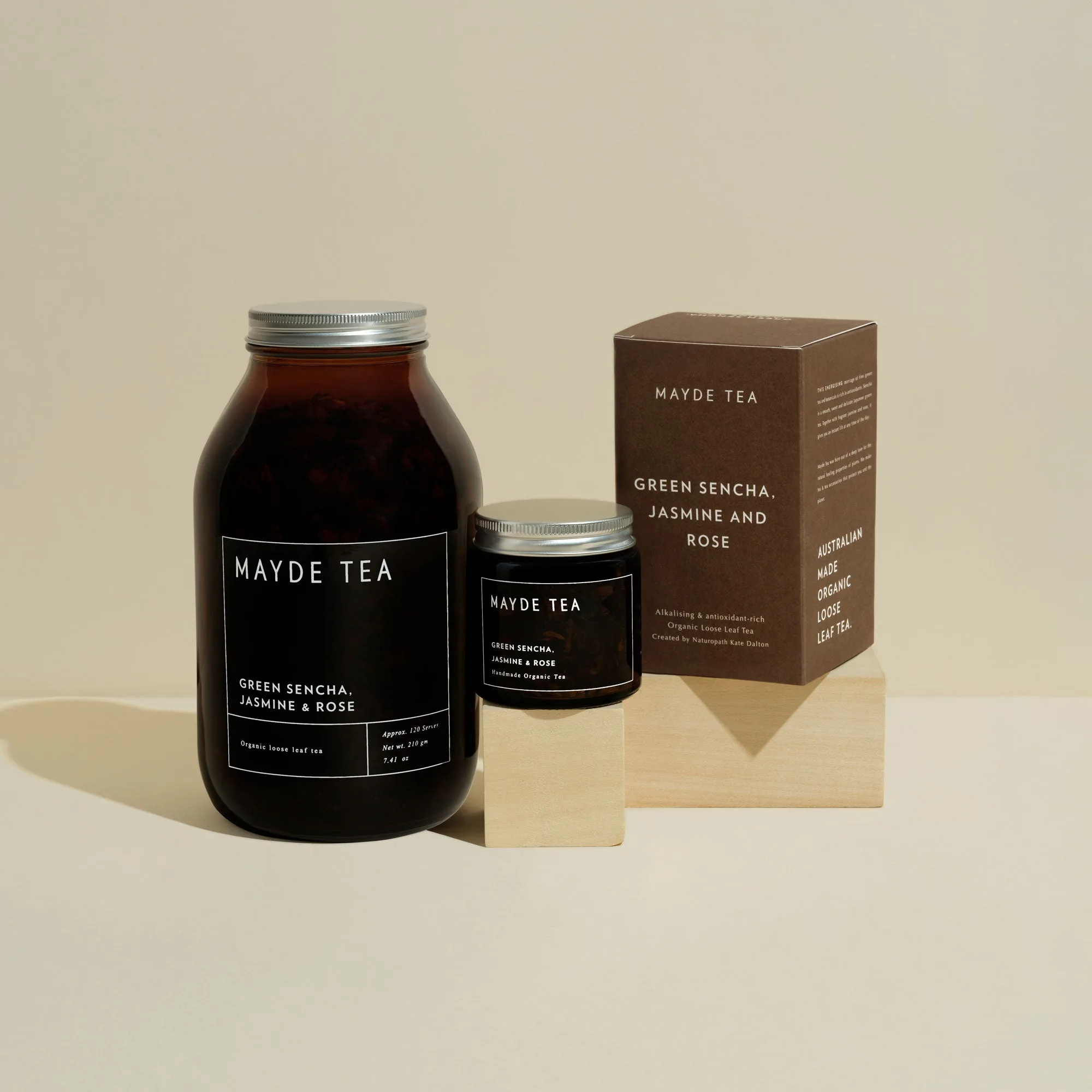
Also, some teas are naturally more affordable because they use simpler ingredients. Green Sencha, Jasmine and Rose is priced lower than some other blends, yet it's still a high-quality organic tea. The lower price doesn't mean lower quality—it just reflects the cost of the ingredients.
- Use samplers to test multiple blends without overspending.
- Don't assume price equals quality—read the ingredient list and look for organic certifications.
The Real Cost of Cheap Tea
On the flip side, very cheap tea often cuts corners. It may use broken leaves, dust, or artificial flavorings to keep costs down. These teas can taste bitter or flat, and they often lack the complexity of a well-made loose leaf blend.
There's also a hidden cost: if a tea doesn't taste good, you're less likely to drink it, which means it just sits in your cupboard. Paying a bit more for a tea you actually enjoy can be more economical in the long run.
- Look for whole-leaf teas with visible botanicals—they're usually a sign of quality.
- Consider the cost per cup: a $14.50 pouch may last longer than a cheap box of bags.
Our Verdicts on Tea Pricing Myths
- Myth: Expensive tea is always better: Not true. Price can reflect quality, but it's not a guarantee. Mayde Tea's Green Sencha, Jasmine and Rose is affordable yet high-quality, proving that cost doesn't always equal quality. Judge tea by its ingredients and taste, not just the price tag.
- Myth: Cheap tea is always bad: Not necessarily. Budget-friendly options can be great, especially for beginners. The Herbal Tea Discovery Set is an affordable way to sample premium blends. Start with a sampler to find quality without overspending.
- Myth: You should never spend more on tea: False. Complex blends like Cacao Cinnamon Spice use multiple organic ingredients and thoughtful formulation, which can justify a higher price for those who value wellness and flavor. If a tea supports your health goals and tastes great, it's worth the investment.
How Mayde Tea's Blends Compare
- Cacao Cinnamon Spice - Loose Leaf Tea: A sweet, refreshing blend created to support digestion, stabilise blood sugar levels and improve circulation. The balance of sweet and aromatic spices with honeybush and cacao nibs results in a soothing, palate-cleansing brew. This is a complex blend with multiple organic ingredients, which justifies a higher price point. You're not just paying for tea leaves—you're paying for a curated combination that offers both flavor and potential wellness benefits.
- Green Sencha, Jasmine and Rose - Loose Leaf Tea: An energising marriage of fine green tea and botanicals rich in antioxidants. Sencha is a smooth, sweet and delicate Japanese green tea. Together with fragrant jasmine and rose, it gives you an elegant cup. At a lower price, this tea shows that you don't need to spend the most to get a high-quality organic product. The ingredients are simpler, so the cost is lower—but the quality is still excellent.
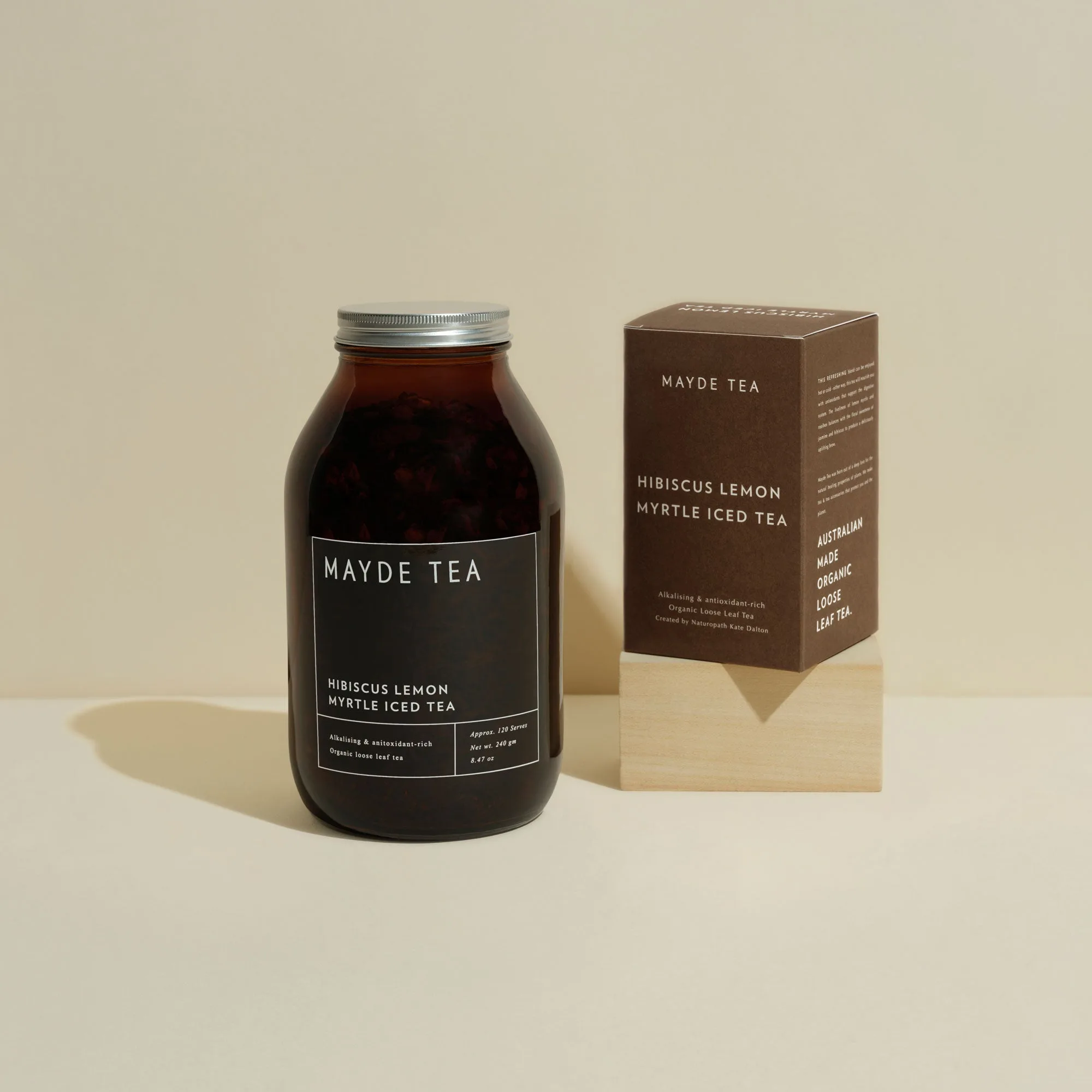
- Herbal Tea Discovery Set: A gentle introduction to the world of herbal wellness. Includes one serve samples of Adapt, Australian Native, Cacao Cinnamon Spice, Cleanse, Digest, Energise, Hibiscus Lemon Myrtle Iced Tea, Nursing, Restore and Serenity. This set lets you try ten blends for $20, which is a smart way to explore expensive teas without committing to full-size pouches. It's a low-risk way to find what you love.
In the end, whether expensive tea is worth it comes down to your priorities. If you value organic ingredients, complex flavors, and potential wellness benefits, a premium loose leaf tea can be a worthwhile splurge. But for everyday drinking or first-time exploration, there are affordable options that still deliver quality. The key is to read labels, try samples, and choose what makes you look forward to your next cup.