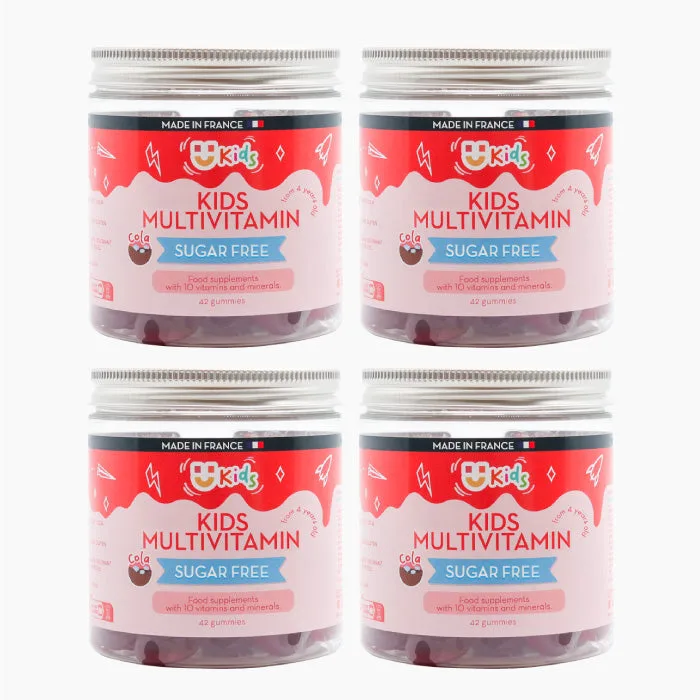
As a parent, you want the best for your child's health, and that includes ensuring they get the essential vitamins and minerals they need. But getting kids to swallow a pill can be a daily battle. That's why gummy vitamins have become so popular—they're tasty, fun, and easy to chew. But the question remains: are they as effective as traditional pills?
In this article, we'll dive into the science behind gummy vitamins, compare them to pills, and give you the honest truth about their effectiveness, absorption, and sugar content. We'll also look at what to consider when choosing a gummy vitamin for your child, including some top-quality options like Kids Multivitamin Gummies and Kids The Ultimate Immunity Stack.
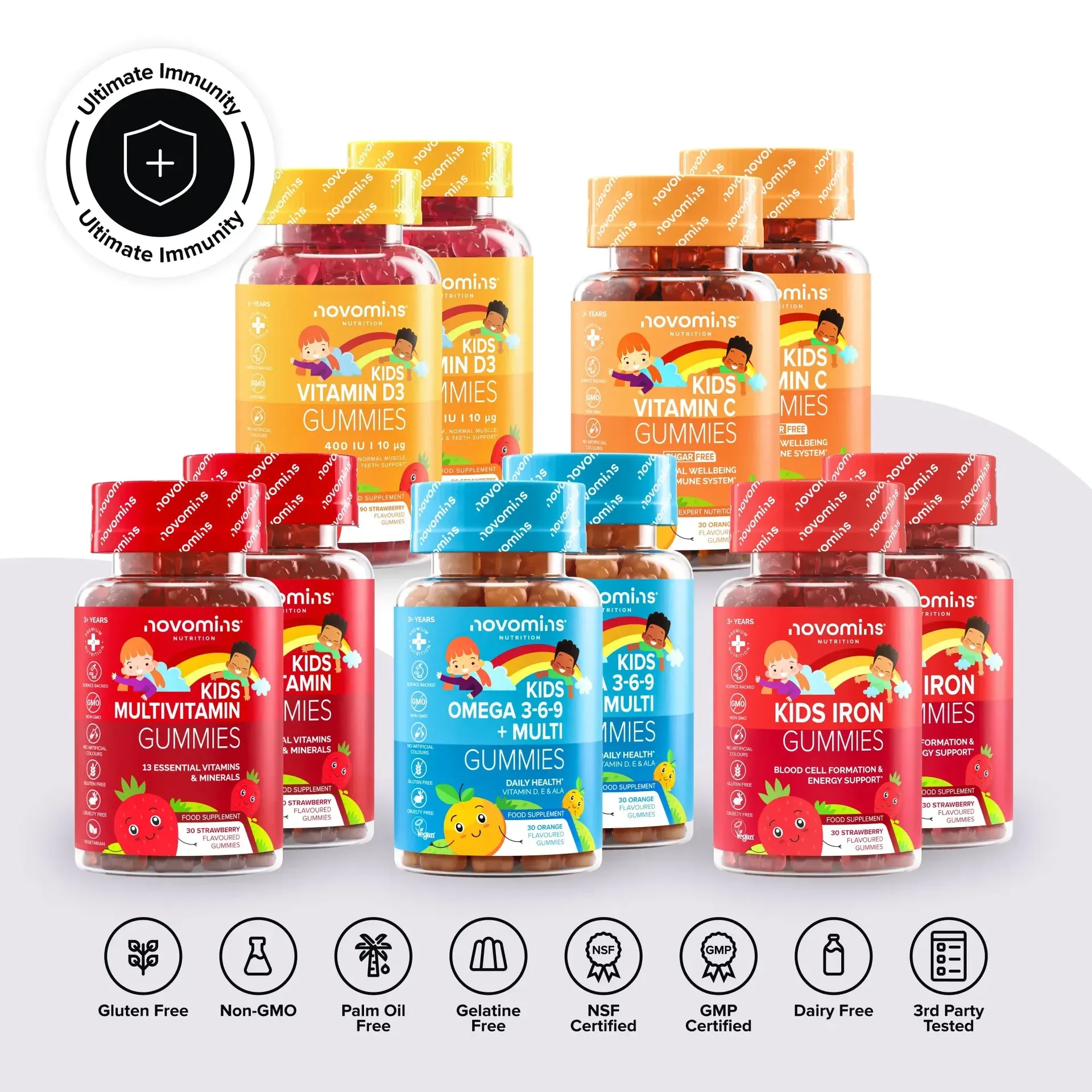
Kids The Ultimate Immunity Stack
How Gummy Vitamins Compare to Pills: The Basics
At first glance, gummy vitamins and pills seem like they should deliver the same nutrients. However, there are key differences in how they're formulated and how your child's body absorbs them. Pills typically contain vitamins in a compressed powder form, while gummies are made with a gelatin or pectin base that includes sweeteners, flavorings, and other ingredients to create a chewy texture.
One of the main concerns with gummy vitamins is their stability. Vitamins like vitamin C and some B vitamins can degrade when exposed to heat and moisture, which can happen during the gummy-making process. Manufacturers often add extra amounts of these vitamins to compensate for potential loss, but this can lead to inconsistencies in dosage. On the other hand, pills are generally more stable and have a longer shelf life.
- Check the label for vitamin amounts—gummies may have higher or lower doses than pills.
- Look for gummies that use high-quality ingredients and have clear dosage instructions.
Absorption: Are Gummies Easier for Kids to Digest?
Absorption is a critical factor when comparing gummies to pills. For younger children, chewing a gummy can actually improve absorption because the vitamins are broken down in the mouth and stomach more readily than a pill that needs to be swallowed whole. This is especially beneficial for kids who have difficulty swallowing pills or have sensitive stomachs.
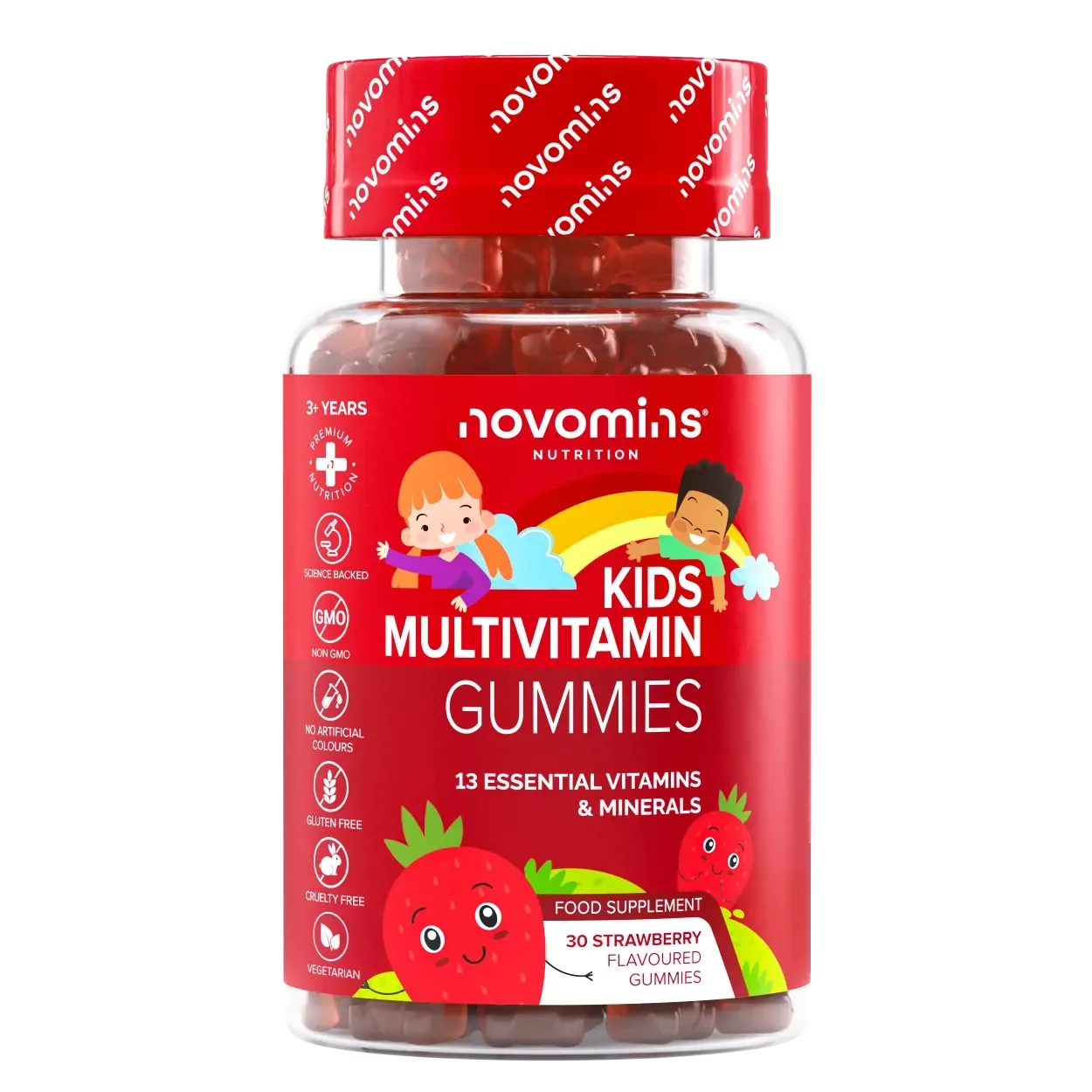
However, some studies suggest that the sugar and fiber in gummies might slightly slow down the absorption of certain nutrients. But for most children, the difference is negligible. What matters more is consistency—if your child actually takes the vitamin regularly, they'll get more benefit than if they refuse to take a pill at all. That's why many parents prefer gummies like Kids Multivitamin Gummies, which are designed to be both effective and appealing to kids.
Sugar Content: The Hidden Downside of Gummies
One of the biggest criticisms of gummy vitamins is their sugar content. To make them palatable, manufacturers often add sugar or sugar alcohols, which can contribute to tooth decay and unhealthy eating habits. It's important to read the nutrition label and choose gummies with lower sugar content or those sweetened with natural alternatives like stevia or fruit juice.
Some brands, like Novomins, offer gummies with reduced sugar or no added sugar. For example, Kids The Ultimate Immunity Stack combines essential vitamins with immune-supporting ingredients like zinc and elderberry, and it's formulated with kids' health in mind. Always check the sugar per serving and compare it to your child's daily recommended intake.
- Aim for gummies with less than 2-3 grams of sugar per serving.
- Consider sugar-free options or those sweetened with xylitol or stevia.
- Encourage good oral hygiene after your child takes a gummy vitamin.
What to Look for in a Quality Kids Gummy Vitamin
Not all gummy vitamins are created equal. To ensure you're getting a product that's both safe and effective, look for gummies that are third-party tested, free from artificial colors and flavors, and made with high-quality ingredients. Also, check the vitamin and mineral content to ensure it aligns with your child's needs.
For example, Kids Multivitamin Gummies are designed to fill nutritional gaps with a blend of essential vitamins like A, C, D, and B-complex. They're also formulated with natural fruit flavors that kids love. When choosing a gummy, consider your child's specific health needs—whether it's immune support, bone health, or overall wellness—and select a product that targets those areas.
- Look for third-party certifications like USP or NSF.
- Avoid gummies with high fructose corn syrup or artificial sweeteners.
- Check for allergens like gluten, dairy, or nuts if your child has sensitivities.
Gummy Vitamins vs. Pills: Which Is Right for Your Child?
Ultimately, the choice between gummy vitamins and pills depends on your child's age, preferences, and health needs. For younger children who can't swallow pills, gummies are often the only practical option. For older kids who can swallow pills, you might consider a pill form if you're concerned about sugar or want a more precise dosage.
It's also worth noting that some experts recommend against giving gummy vitamins to children who are overweight or at risk of tooth decay, due to the sugar content. In such cases, a chewable tablet or pill might be a better choice. However, if your child is a picky eater and refuses pills, a high-quality gummy vitamin is certainly better than no supplement at all.
In the end, kids gummy vitamins can be just as effective as pills—provided you choose a high-quality product and monitor your child's intake. They offer a convenient and tasty way to ensure your child gets the nutrients they need, and for many families, the ease of use outweighs the potential downsides. If you're looking for a reliable option, consider Kids Multivitamin Gummies or Kids The Ultimate Immunity Stack from Novomins, which are crafted with care and quality in mind. Always consult with your pediatrician before starting any new supplement regimen.