Quick answer
Larger plush toys are worth it only when the extra size buys you something you actually want: more cuddle surface, a more prominent display piece, or a gift that feels substantial. If you mainly want a portable comfort object or a low-commitment gift, a smaller plush often delivers more value per dollar. Judge size against cuddle value and space, not against the assumption that bigger is better.
What "larger" actually means in plush
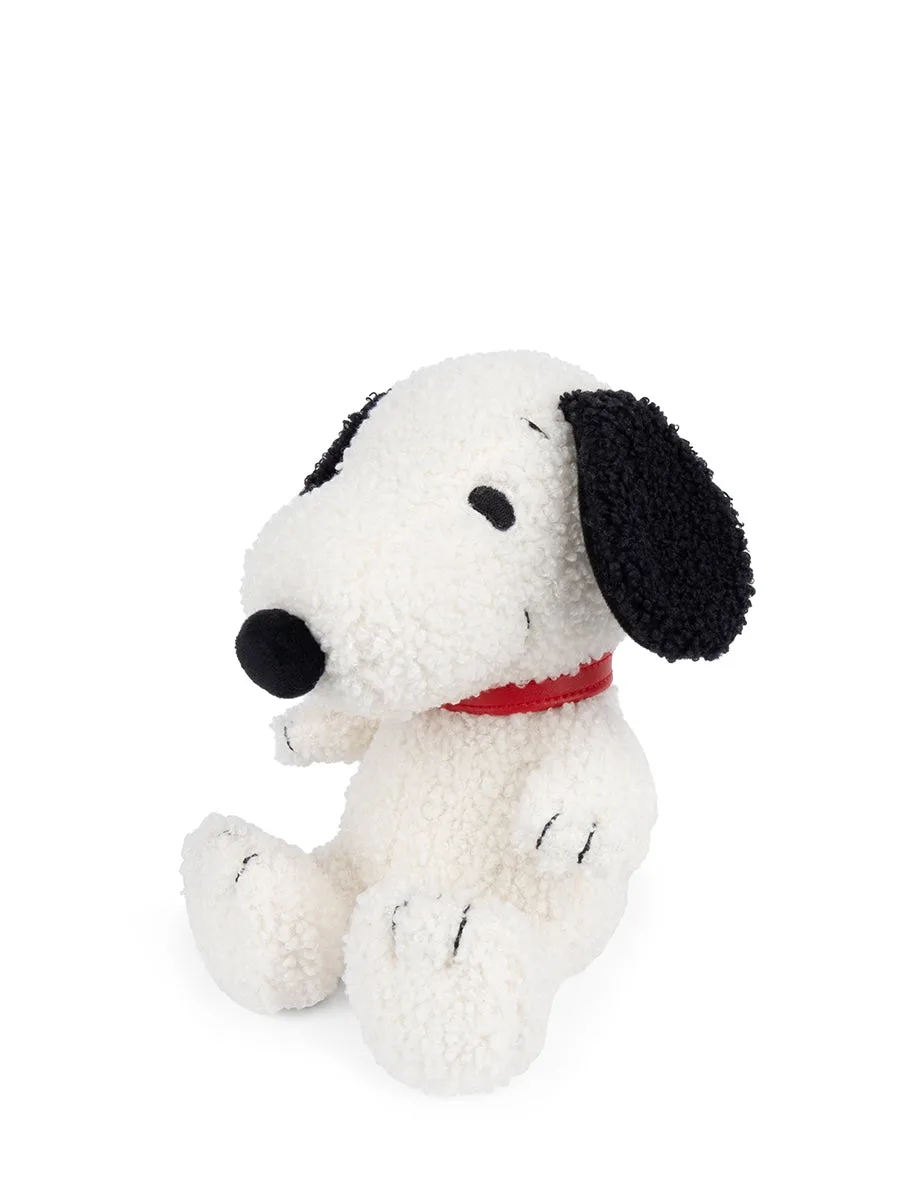
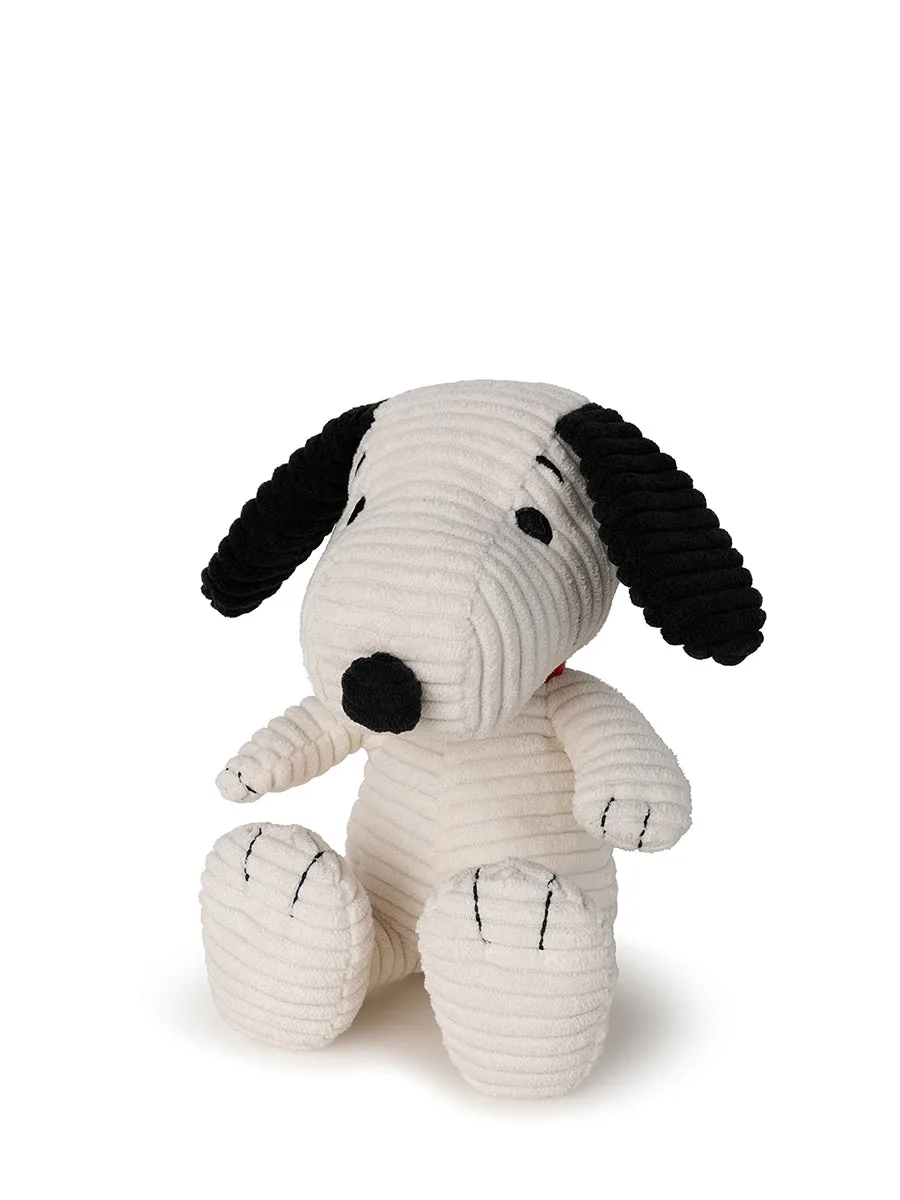
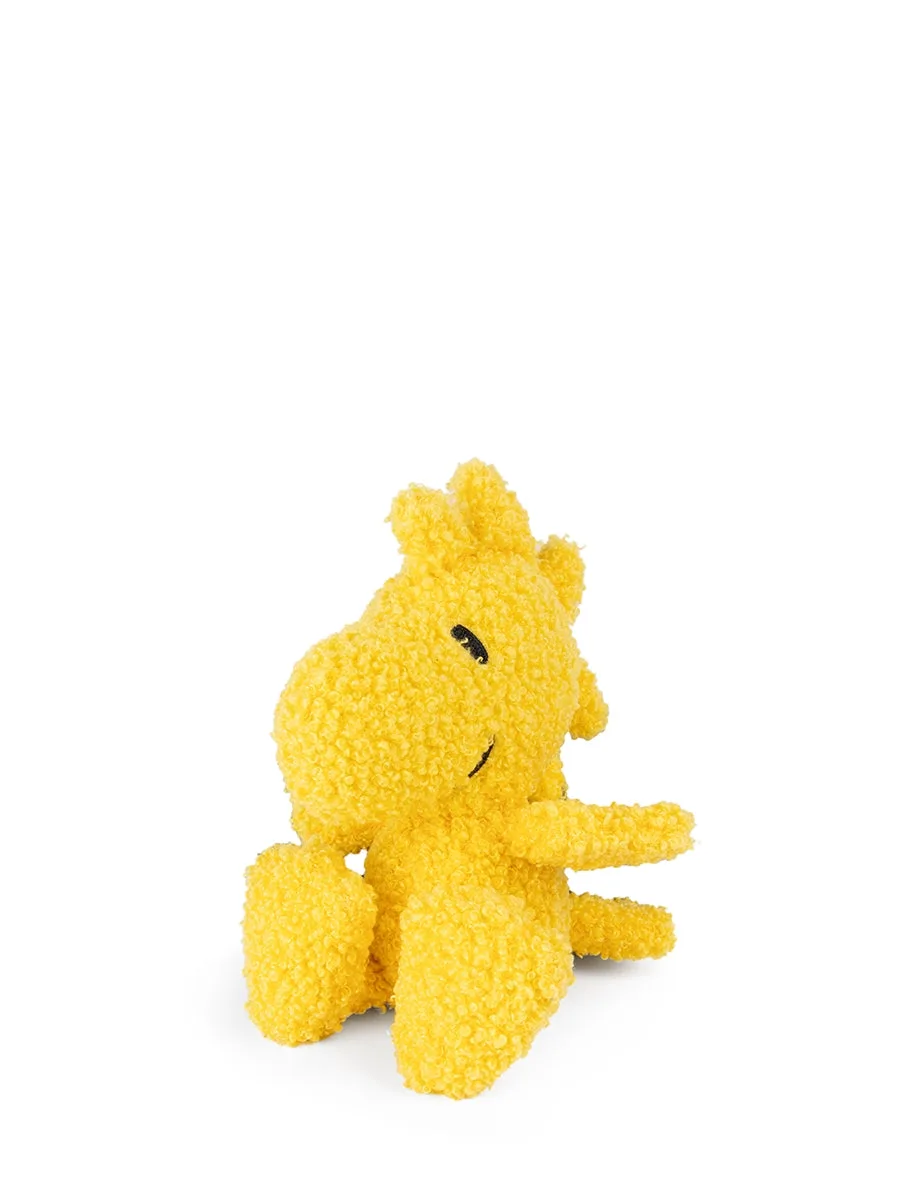
In practice, the size jump between plush toys is usually modest, not dramatic. In the Bon Ton Toys Peanuts Collection, for example, the Woodstock ECO Tiny Teddy Yellow is 15 cm and the Snoopy ECO Tiny Teddy Cream is 20 cm — a 5 cm difference that changes how the toy sits in your hand and on a shelf, but not whether it fits in a bag. The Snoopy ECO Corduroy sits at 19 cm, between the two. So when you ask whether large plush toys are worth it, define "large" first: a few centimeters can matter for grip and display, but it rarely turns a plush into a piece of furniture.
Where bigger plush genuinely wins
Size pays off in three concrete situations. First, cuddle value: a 20 cm plush gives a child or adult more surface to hold onto than a 15 cm one, which matters if the toy is meant to be hugged rather than pocketed. Second, presence: a slightly larger plush reads more clearly as a gift or a shelf centerpiece. Third, material: the Snoopy ECO Corduroy is made from corduroy, which the catalog says brings out Snoopy's best features — a texture choice that can matter more to perceived quality than raw size.
Where bigger plush loses
Larger plush costs more and takes up more room, and those tradeoffs are real. The 20 cm Snoopy ECO Tiny Teddy Cream is priced at USD 20.79 (catalog comparison price USD 33.00), while the 15 cm Woodstock ECO Tiny Teddy Yellow is USD 17.08 (comparison price USD 28.00). That's roughly a few dollars for 5 cm — reasonable if you want the extra cuddle surface, less so if the toy will live in a backpack. A 19 cm corduroy Snoopy at USD 27.36 (comparison price USD 38.00) shows that material and finish, not just size, drive price.
How to choose without overthinking it
Match the size to the job. If the plush is a sleep companion or a gift you want to feel substantial, go larger. If it's a travel toy, a bag charm, or a small token, stay small. Check the available Color and Size options on each product page, because the same character can come in more than one size. And treat the catalog comparison price as context, not as proof that a bigger toy is a better toy.
Verdicts on common size claims
- Claim: bigger plush is always better value: The 20 cm Snoopy ECO Tiny Teddy Cream costs USD 20.79 versus USD 17.08 for the 15 cm Woodstock ECO Tiny Teddy Yellow. You pay more for more size, but the value depends on whether you need the extra cuddle surface. Verdict: false. Bigger is a tradeoff, not an automatic upgrade.
- Claim: small plush is only for kids: The 15 cm Woodstock ECO Tiny Teddy Yellow is built around the idea that "Small is Beautiful," and its size makes it easy to carry, display, or gift. Size does not determine who the toy is for. Verdict: false. Small plush suits adults who want portability.
- Claim: size is the main thing to compare: The 19 cm Snoopy ECO Corduroy is made from corduroy, a material choice the catalog highlights. Two plush toys of similar size can differ more in feel than in centimeters. Verdict: false. Compare material and finish alongside size.
Product facts
- Woodstock ECO Tiny Teddy Yellow - 15 cm - 6 | Yellow: Woodstock ECO Tiny Teddy Yellow is 15 cm and reflects Woodstock's philosophy that "Small is Beautiful." A good benchmark for the small end of the range — light, portable, and easy to store.
- Snoopy ECO Tiny Teddy Cream - 20 cm - 8 | Cream: Snoopy ECO Tiny Teddy Cream is 20 cm, the largest of the three examples here. The extra 5 cm gives more cuddle surface, which is the main reason to size up.
- Snoopy ECO Corduroy - 19 cm - 7,5 | Cream: Snoopy ECO Corduroy is 19 cm and made from corduroy, which the catalog says brings out Snoopy's best features. Shows that material and finish can matter more than a centimeter or two of size.